

You buy the bunch of carrots with the leafy tops still on. You hack the greens off over the trash can. You cook the carrots.
You just threw away the part that grows back.
Carrot tops regrow into a steady supply of feathery green leaves, and here’s the part most people don’t know: those leaves are edible. They taste like parsley.
Slightly earthier, a little more bitter, but close enough that you can swap them into most recipes calling for it.
So that’s the deal. A free, endlessly resprouting parsley substitute, from a scrap you were about to compost.
First, the thing you need to hear before you start
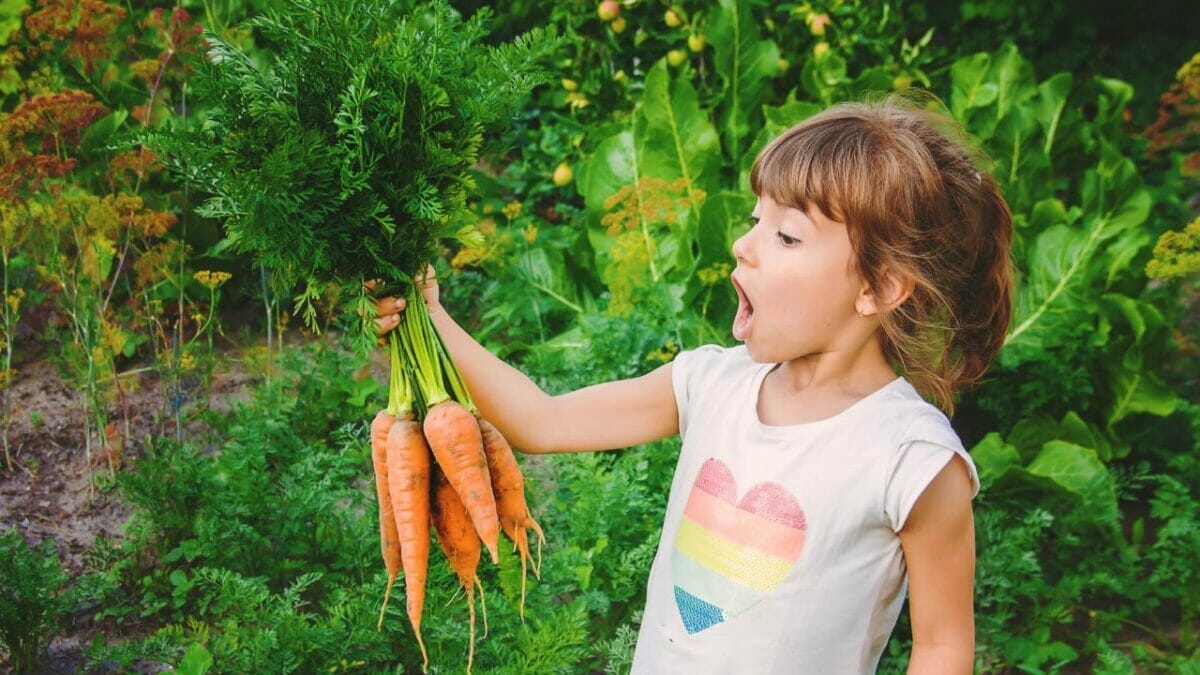
I’m not going to let you plant these expecting a carrot. You almost certainly won’t get one.
A carrot is the root. Once it’s been pulled and cut, that root is done. Plant the top and it will happily push out new foliage, but it’s very unlikely to grow you a brand new carrot underneath.
Some people report managing it. It’s worth a shot if you’re curious. But go in planning for greens, not roots, and you’ll be thrilled instead of disappointed.
Honestly? Greens are the better prize here anyway. Carrots are cheap. Fresh herbs are not.
Are carrot tops actually safe to eat?
Short answer: yes. There’s a stubborn old myth floating around that carrot greens are toxic. They aren’t.
Carrots are in the same plant family as parsley, dill, and cilantro, and the tops eat much like their cousins. People have been cooking them for a very long time.
Two sensible notes. They’re more bitter than parsley, so taste before you commit a whole bunch to a dish.
And, same as any produce, wash them well and skip anything sprayed if you can, since you’re eating the leaves directly.
What you need
Nothing you don’t already have.
- Carrots bought in a bunch with the leafy tops attached (loose bagged carrots won’t work, the tops are already gone)
- A knife and scissors
- A pot or container with drainage holes
- Peat-free, general-purpose potting mix
Three carrots is plenty to start.
How to grow carrots from tops

Four minutes of work, tops.
- Cut the tops off your carrots, keeping about three quarters of an inch of the orange root attached to the foliage.
- Trim the leafy greens back to about half an inch. Feels brutal. Do it anyway. It pushes the plant to send up fresh growth instead of trying to keep tired old leaves alive.
- Fill your pot with potting mix and set the carrot tops in so the cut orange surface sits just level with the soil. Don’t bury them.
- Put it on a sunny windowsill, or outside in full sun in summer.
In a few days you’ll see new foliage pushing up out of the tops. It comes fast.
Once the leaves hit about 4 inches, start cutting. Use them anywhere you’d use parsley. The tops keep pushing out fresh flushes of foliage all summer, so it’s cut-and-come-again, not a one-time harvest.
Timing and where to put them
Spring is the best time to start. Plant them straight outside if you’ve got the room and the weather’s with you.
Doing this in fall? Pot them up indoors and keep them somewhere sunny. Kept warm, they should overwinter and carry right on producing foliage the next spring.
A container is honestly the easiest route either way. It’s a windowsill crop that takes up almost no space.
One note if you’re tempted to plant carrots properly from seed later: carrots want light, loose soil. Heavy clay makes them rot and fork. If your ground is clay, grow them in containers instead. Mine is, so containers it is.
The same trick works with beets
Bonus hack, and beet greens are genuinely delicious.
Buy beets in a bunch with the leaves on. Pull the leaves off, leaving about half an inch of stalk attached to the beet, and cook with those leaves right away. Then slice about an inch and a quarter off the top of the beet.
Plant that slice in potting mix with the top just level with the surface. Same as the carrots. Windowsill or outside in summer.
You get delicate salad leaves out of it, more tender than the carrot tops.
What to do with carrot tops once you’ve got them
This is the whole point, so let’s get practical. Free greens are useless if they sit in the fridge.
Where mine go:
- Pesto. The best use, hands down. Carrot top pesto is a genuinely great thing. Blitz the leaves with garlic, nuts, hard cheese, olive oil, and plenty of lemon. The lemon and salt knock back the bitterness. Works on pasta, sandwiches, roasted vegetables.
- Anywhere you’d use parsley. Chopped fine over roasted potatoes, stirred into grain salads, scattered on soup.
- In soup or stock. Toss a handful into the pot. They add a clean, green, faintly carroty depth.
- Chimichurri. Swap them in for some of the parsley. The extra bite actually helps here.
- Salad, in moderation. Mix the young tender leaves in with other greens rather than making them the whole salad. Straight up on their own they’re a lot.
One tip: use the young leaves. The older and bigger they get, the tougher and more bitter they turn. That’s another reason the cut-and-come-again thing works so well. You’re always harvesting them young.
Next time you’re standing over the trash can with a bunch of carrot tops in your hand, stop. Trim them, sit them in a pot of dirt, put them on the windowsill.
A few days later you’ve got greens coming back, and you’ll never buy a bunch of parsley for a recipe that needs two tablespoons of it again.

Davin is a jack-of-all-trades but has professional training and experience in various home and garden subjects. He leans on other experts when needed and edits and fact-checks all articles. Also an aspiring cook we he researches and tries all kinds of different food recipes and shares what works best.