
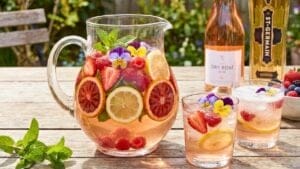
Most white sangrias are just juice and wine dumped together in a pitcher.
This one tastes like you walked through a garden and decided to make a drink about it.
The difference is the botanical infusion technique. You don’t just throw fruit into wine. You macerate berries with elderflower liqueur and gin first, drawing out their juices to create a natural syrup that colors the whole pitcher vibrant pink.
It tastes like flowers without being perfumey. Light without being weak. Sweet without making your teeth hurt.
Why This Version Works Better
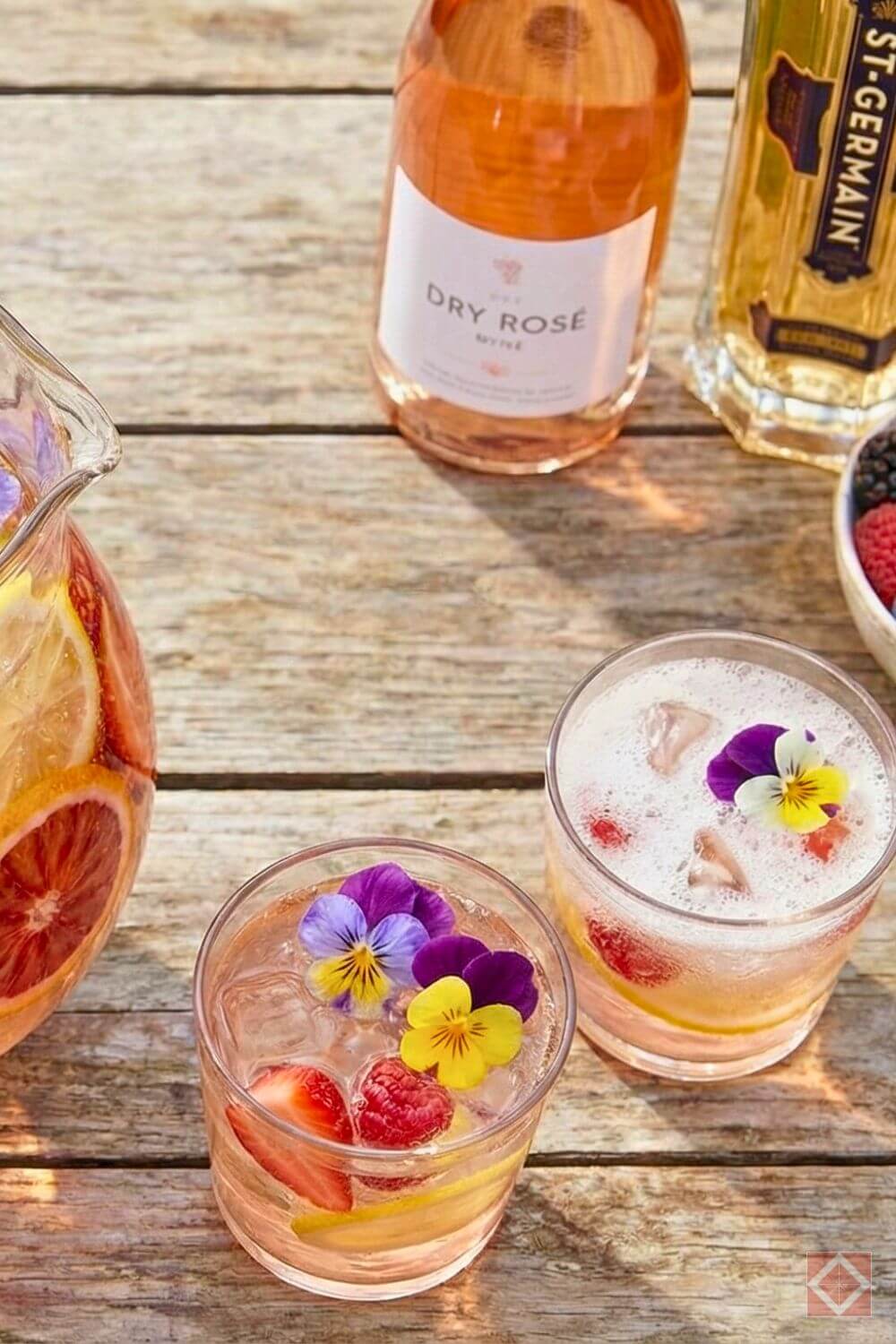
Heavy red sangria belongs at cookouts in July. This is the garden party version for April and May when everything is blooming and you want something that feels seasonal instead of generic.
Most spring sangrias are too sweet or too simple. Just rosé with fruit floating in it. No depth. No layers.
This one has structure. The gin adds botanical notes that work with the elderflower. The maceration step pulls flavor from the berries instead of letting them just sit there looking pretty.
And it’s strong enough that ice melt doesn’t ruin it.
The Secret Ingredient That Changes Everything
Adding a splash of gin sounds wrong at first. Sangria is supposed to be wine-based.
But gin brings juniper, botanicals, and floral notes that amplify the elderflower liqueur. It creates a sophisticated backbone that makes this taste expensive instead of like something you threw together from whatever was in the fridge.
Use a floral gin like Hendrick’s if you have it. Regular London dry works too. Just avoid anything aggressively juniper-forward or it’ll overpower the delicate flavors.
If you don’t have gin, use white brandy. Traditional but still good.
Why We Macerate the Fruit First
This is the step that separates mediocre sangria from good sangria.
Most recipes tell you to dump wine over fruit and wait. That works, but the fruit never really infuses. It just floats.
Maceration means letting the fruit sit with the liqueur and gin for 20 to 30 minutes before adding wine. The alcohol draws out the berry juices, creating a concentrated syrup that colors and flavors the entire pitcher.
The difference is visible. Non-macerated sangria is pale with fruit sitting on top. Macerated sangria is deep pink with integrated flavor.
Don’t skip this step.
Choosing the Right Rosé
Use a dry rosé. Look for Provence style if you can find it. Pale pink, crisp, not sweet.
Do not use White Zinfandel or sweet blush wines. They’ll turn this into a sugar bomb. The elderflower liqueur is already sweet. The wine needs to balance it, not add to it.
If the label says “dry” or “brut,” you’re good. If it says “sweet” or “moscato,” keep looking.
The Elderflower Liqueur You Need
St-Germain is what bartenders call “bartender’s ketchup” because it fixes everything.
It’s elderflower liqueur, slightly sweet, floral without tasting like soap. It’s what makes this taste like spring instead of just like fruit punch.
There are cheaper versions but St-Germain is consistent and worth the price. One bottle lasts forever because you only use a little at a time.
This recipe is built around it. Don’t substitute with elderflower syrup. It’s not the same.
The Fruit That Works Best
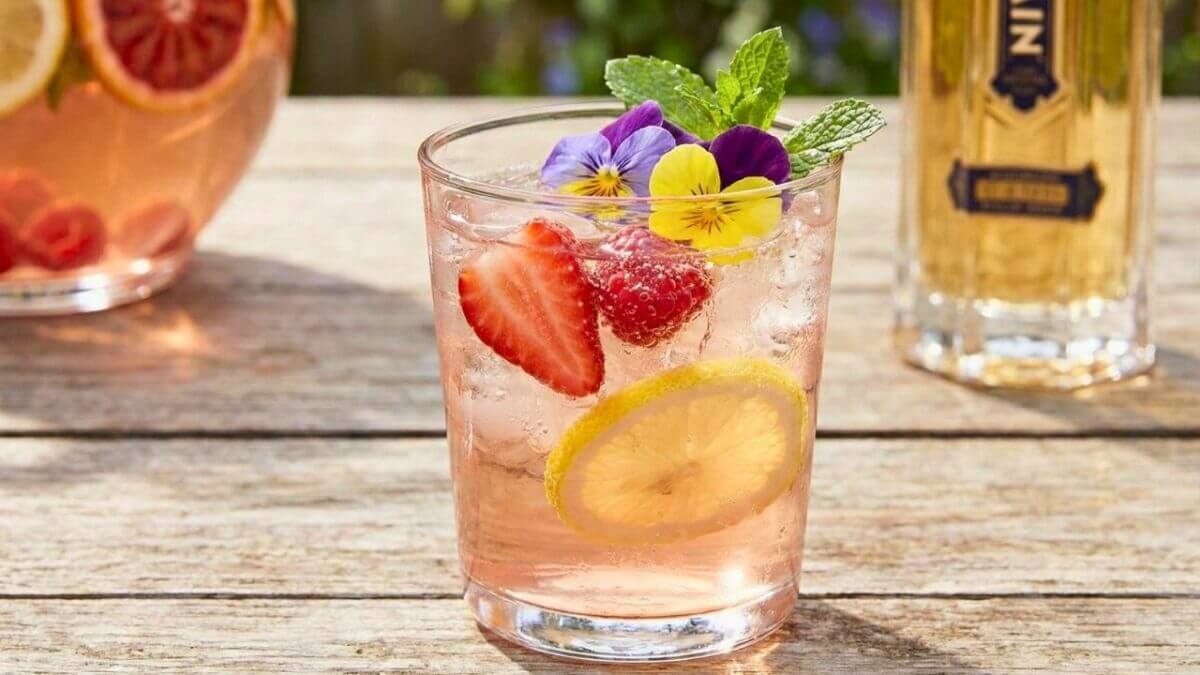
Strawberries for sweetness and color. Hull them and slice them so they release juice.
Raspberries for tartness and deeper pink color. Fresh only. Frozen raspberries get mushy and watery.
Blood oranges for the look. When blood oranges aren’t in season, regular navel oranges work fine. The flavor is similar enough.
Lemon wheels for brightness and acid to balance the sweet. Remove the seeds or they’ll float around annoying everyone.
The fruit isn’t just decoration. It’s flavoring the drink as it sits.
The Edible Flowers Everyone Asks About
Edible flowers make this look special without requiring any skill.
Violas, pansies, and orchids are the easiest to find. Whole Foods usually has them in the produce section. Gourmet markets carry them. Or you can grow violas yourself, they’re almost weeds.
Just float one or two on top of each glass. They don’t taste like much but they look beautiful and make people think you tried harder than you did.
If you can’t find edible flowers, a sprig of lemon thyme or a few mint leaves floating on top looks equally elegant.
Why We Add Fresh Mint
Mint adds aroma more than flavor. When you lift the glass to drink, you smell it before you taste anything.
It also reinforces the garden theme. Berries, flowers, herbs. Everything green and fresh.
Use a small handful, torn slightly to release oils. Don’t muddle it or it’ll turn bitter.
The Bubbles Decision
The original recipe made sparkling water optional. We’re making it mandatory.
You can use club soda for a lighter version. Or use prosecco for a stronger, more celebratory version.
The bubbles lift the drink and keep it from feeling heavy. Without them it’s just boozy fruit wine.
Add the bubbles to each glass individually, not to the pitcher. Adding it to the pitcher knocks out all the carbonation before people even get their first glass.
Ice Management for Serving a Crowd
Do not put ice in the pitcher. It dilutes the whole batch as it melts.
Put ice in the glasses right before serving. Pour the sangria over ice. Top with bubbles. Garnish with flowers.
This keeps the pitcher concentrated and flavorful while giving people cold drinks.
The Lavender Sugar Rim Upgrade
If you want to make this feel even more special, rim the glasses with lavender sugar.
Mix granulated sugar with dried culinary lavender in a spice grinder. Pulse a few times. Rub a lemon wedge around the rim of each glass. Dip in the lavender sugar.
It adds a nice crunch and makes the first sip aromatic.
Pink sanding sugar works too if you don’t have lavender. It’s just for looks but looks matter when you’re serving this to people.
How Long to Let It Sit
Minimum one hour in the fridge after you add the wine. This lets the flavors marry.
Optimal is two to four hours. Everything integrates and tastes cohesive instead of like separate ingredients.
Maximum is 12 hours. After that the berries start to get mushy and the fruit loses texture.
If you’re making it for a party, make it in the morning and serve it that evening. Perfect timing.
The Alcohol Level Question
The original viral recipe was pretty low alcohol. Just wine and a little liqueur.
This version is stronger. We added gin to bring it up to standard cocktail strength so it doesn’t get watered down when ice melts.
If you want it lighter, use ¼ cup gin instead of ½ cup. If you want it stronger, use ⅔ cup.
The beauty of sangria is you can adjust to your crowd.
Making It Mocktail
Use alcohol-free rosé like Fre instead of regular wine.
Use elderflower syrup (Monin or Ikea brand) instead of St-Germain.
Skip the gin entirely or use a non-alcoholic botanical spirit if you can find one.
The flavors still work. You lose the depth from the alcohol but you keep the floral, fruity profile.
When to Make This
I make this for brunch gatherings, garden parties, Easter, Mother’s Day, or any time in April or May when spring feels like it’s actually here.
It’s the kind of drink that makes people take pictures before they drink it. The color, the flowers, the whole presentation feels seasonal and intentional.
And it tastes better than it looks, which is rare.
What People Always Get Wrong
Skipping the maceration step. This is what makes it good instead of just okay. Don’t skip it.
Using sweet wine. Dry rosé only. Sweet wine makes this cloying.
Putting ice in the pitcher. Ice goes in glasses, not in the batch.
Adding bubbles too early. Add them right before serving or they go flat.
Using frozen berries. Fresh only. Frozen berries release too much water and get mushy.
Why This Became My Default Spring Drink
Most sangrias are heavy. This one is light and floral without being weak.
It looks impressive but doesn’t require complicated techniques or hard-to-find ingredients. Just good wine, St-Germain, gin, fresh fruit, and a little patience while it macerates.
And it makes enough for a crowd without requiring you to stand at the bar making individual cocktails all afternoon.
The One Thing That Matters Most
The maceration step. That’s what turns this from wine with fruit in it into an actual infused drink.
Twenty to thirty minutes of fruit sitting with liqueur and gin creates a natural syrup that colors and flavors the entire pitcher. The wine you add later just extends and lightens that base.
Without maceration, you’re just making fruity wine. With it, you’re making something that tastes intentional and layered.
That’s the difference between a recipe people forget and one they ask you for.
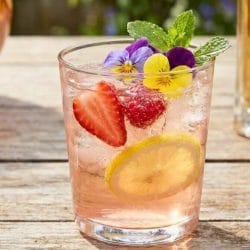
Best Spring Blossom Sangria (Botanical Style)
Ingredients
- 1 bottle 750ml Dry Rosé Wine (chilled)
- ½ cup Elderflower Liqueur St-Germain
- ½ cup Floral Gin like Hendrick’s OR White Brandy
- 1 cup Strawberries hulled and sliced
- ½ cup Raspberries fresh, not frozen
- 1 Lemon sliced into thin wheels, seeds removed
- 1 Blood Orange or Navel Orange sliced into thin half-moons
- Fresh Mint sprigs 1 small handful
- Club Soda or Prosecco to top
Garnish: Edible Flowers (Violas, Pansies, or Orchids)
Instructions
- Macerate (The Important Part): In the bottom of a large pitcher, combine the sliced strawberries, raspberries, Elderflower liqueur, and Gin. Stir gently and let this sit at room temperature for 20–30 minutes. This extracts the fruit juices and creates a rich flavor base.
- Build: Add the lemon wheels, orange slices, and the handful of mint.
- Pour: Pour the chilled bottle of Rosé over the fruit mixture. Stir gently to combine.
- Chill: Refrigerate for at least 1 hour (up to 4 hours) to let the flavors marry. Note: If you leave it longer than 12 hours, the berries may get mushy.
- Serve: Fill wine glasses with ice. Pour the sangria ¾ full.
- Fizz: Top each glass with a splash of club soda (for light) or Prosecco (for strong).
- Garnish: Float 1-2 edible flowers on top of the foam for that “blossom” effect.
Notes

Davin is a jack-of-all-trades but has professional training and experience in various home and garden subjects. He leans on other experts when needed and edits and fact-checks all articles. Also an aspiring cook we he researches and tries all kinds of different food recipes and shares what works best.