
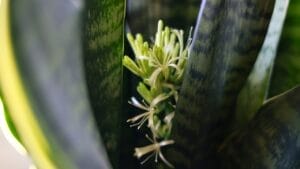
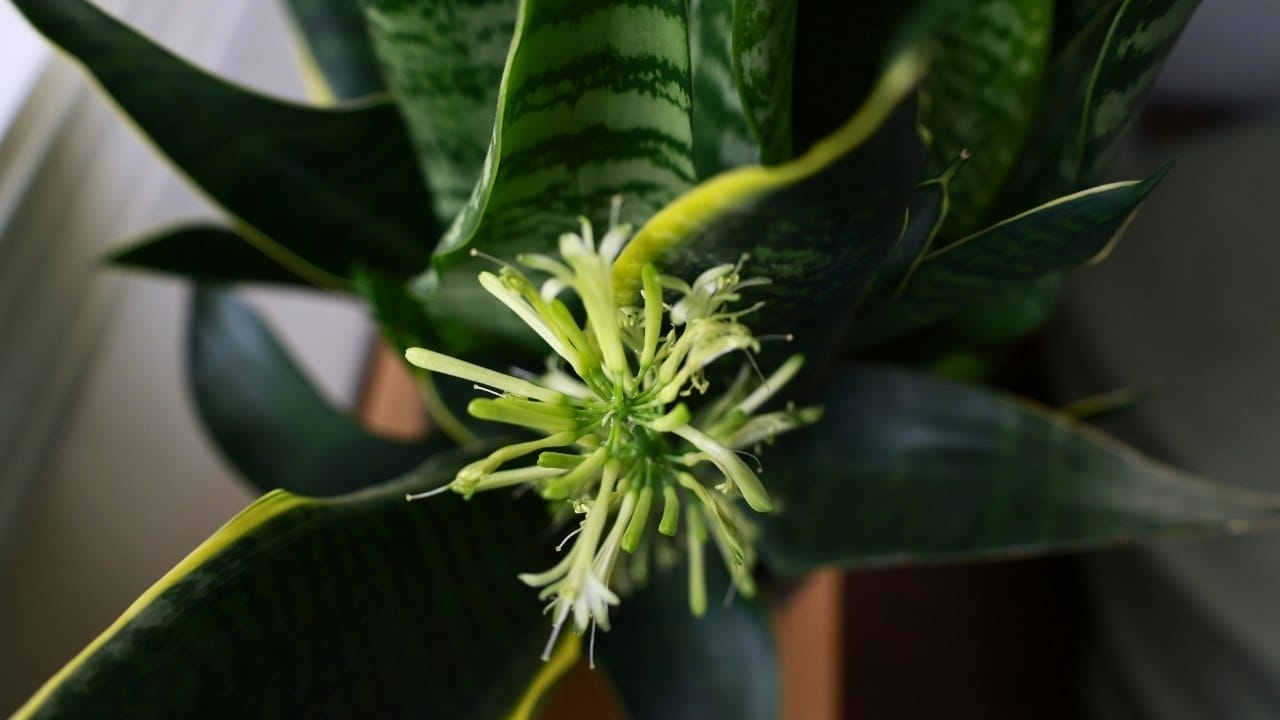
most people grow snake plants for years without ever seeing a flower. then one day a weird stalk shoots up from the base covered in small white blooms that smell like vanilla,you get excited then immediately panic because google says its either dying or thriving and nobody can agree which.
i researched this for weeks after mine finally bloomed and the answer is way more interesting than anyone admits. spoiler – your plant isnt dying but there are some critical things you need to know especially if you have pets.
why your plant finally decided to bloom
the low light lie that confuses everyone
snake plants get marketed as low light plants and technically thats true – they can survive in dark corners. but surviving and thriving are completely different things,the plant tolerates low light because in its native habitat (tropical west africa) it grows everywhere from deeply shaded forest floors to rocks in full sun.
its adaptable not specialized.
heres the key part – flowering requires massive amounts of stored energy. that energy comes from photosynthesis,a plant sitting in a dark corner doesnt have enough energy reserves to produce a resource intensive flower spike.
if your snake plant bloomed it means you accidentally or intentionally gave it way more light than the low light marketing suggests.
the very fact that it flowered proves its not in low light. this alone debunks the whole its a desperate last gasp from a dying plant theory,dying plants in dark corners dont suddenly generate enough energy to reproduce.
the happy stress trigger nobody explains correctly
online youll see two conflicting explanations. some say flowering is stress some say its a sign of health,both are correct which is why its confusing.
heres how it actually works in two steps:
step 1 – the plant must be thriving: it needs to be mature (at least a few years old) and have stored massive energy from abundant light and maybe periodic fertilization. weak young or light starved plants physically cant flower.
step 2 – then it needs a specific trigger: once all that energy is stored a particular kind of mild stress signals the plant to reproduce. not bad stress like root rot or pests,happy stress that mimics its native environment.
the primary trigger is becoming root bound. when the roots and rhizomes completely fill the pot that physical restriction signals the plant has reached its territorial limit,it thinks ive maxed out my available space time to pass on my genes. this simulates growing in rocky crevices in its native habitat.
secondary triggers include letting it dry out completely between waterings while getting lots of sun (mimics dry season) or sudden changes in temperature or lighting.
so the stress narrative is technically correct but misleading. the plant isnt stressed like its dying,its experiencing environmental cues that say conditions are right for reproduction. its adapting and thriving not suffering.
if your snake plant bloomed you successfully replicated the perfect conditions by accident. high light plus being root bound equals flower,congratulations you won at snake plant care.
what the flower actually is (and why it smells amazing at night)
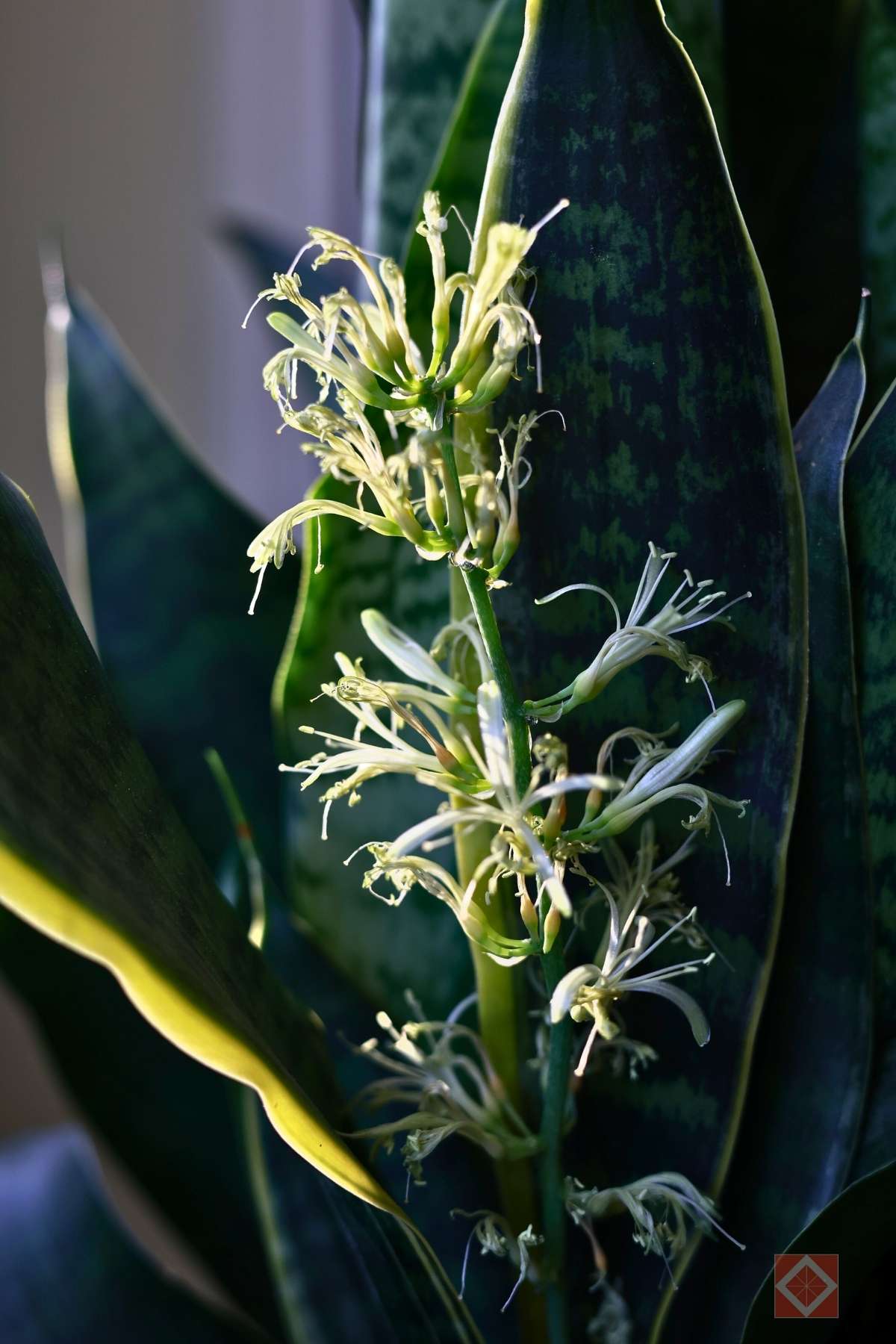
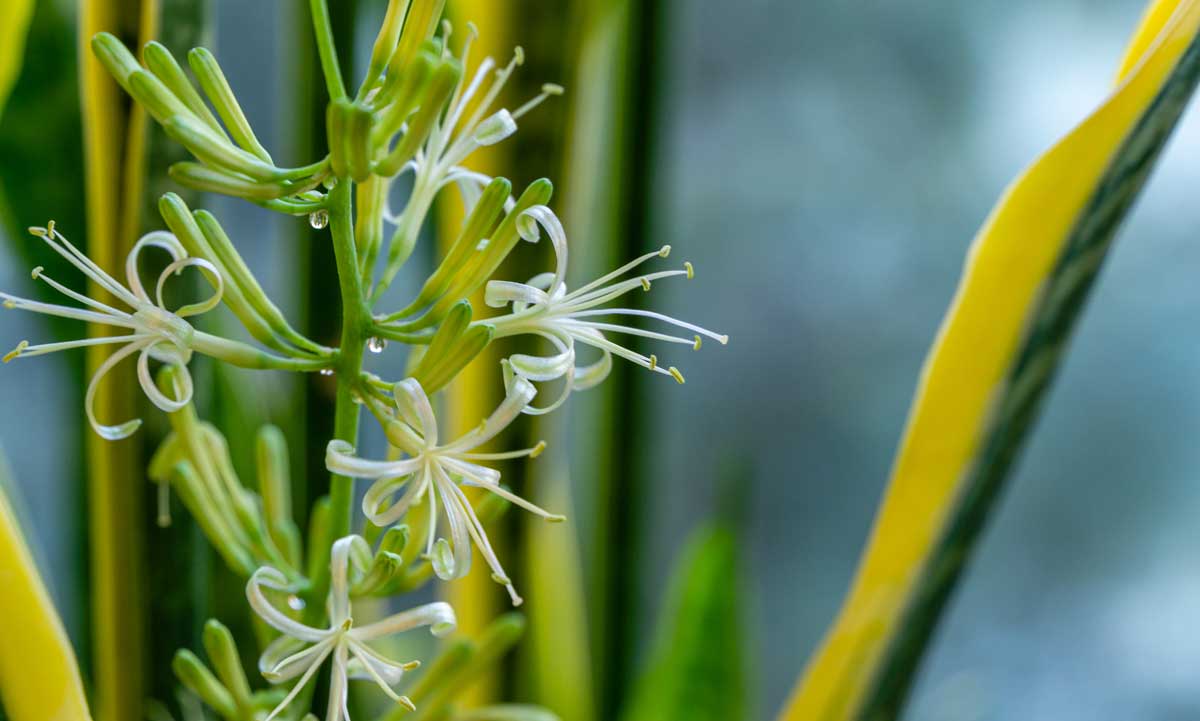
the bloom emerges on a tall slender spike from the plants base. sometimes this stalk reaches three feet tall which is wild,it carries clusters of narrow tubular flowers that are creamy white or pale greenish white with long delicate filaments.
the flowers stay closed during the day but open at night. thats when the scent hits – powerful sweet fragrance described as vanilla jasmine honeysuckle or lavender,strong enough to fill an entire room.
the moth connection
this isnt random. the combination of white flowers (visible in moonlight) tubular shape and strong nighttime fragrance is classic moth pollination,the plant co evolved with night flying sphinx moths or hawk moths. these moths have super long tongues that can reach nectar at the base of those tubular flowers.
even in your house where these moths obviously dont exist the plant faithfully follows its genetic programming. its broadcasting a complex chemical signal specifically designed to advertise to nocturnal pollinators that dont exist in northern climates,evolution in action right in your living room.
the nectar problem
the flowers produce copious amounts of sweet sticky nectar. this is the reward for pollinators – its primarily sucrose which is high energy moth fuel,but for indoor growers this nectar creates three practical problems.
mess: it drips everywhere. sticky drops falling on furniture or floors,practical solution is putting paper towels at the base of the pot.
pests: the sweet smell attracts bugs. gnats ants anything that wants sugar,your house suddenly has a bug magnet.
pet danger: this is critical and ill cover it in detail later. that sweet attractive nectar is toxic,any pet that licks it is getting poisoned.
the death bloom myth (stop panicking)
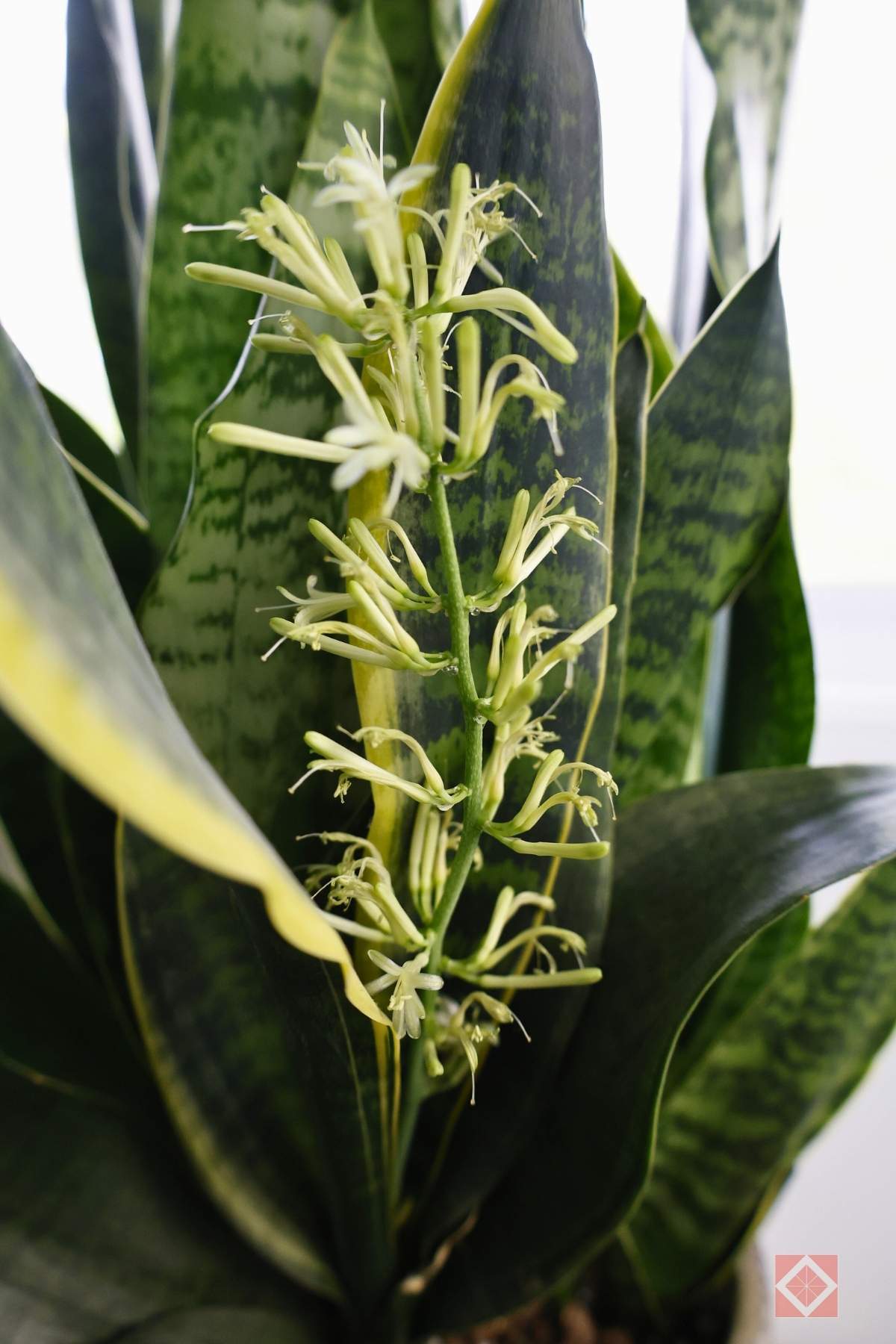
the biggest fear people have is that flowering means the plant is about to die. this comes from monocarpic plants – plants that flower once produce seeds then die,agave and some succulents do this. snake plants do not.
heres the nuance that confuses everyone. the entire plant wont die but the specific rosette (cluster of leaves) that produced the flower is done growing,that individual rosettes central growth point got used up making the flower stalk. it wont produce new leaves anymore.
but it also wont die immediately. that rosette will stick around photosynthesizing for months or years,meanwhile the plants energy redirects through its underground rhizome to produce new pups (baby plants). the colony as a whole keeps going.
think of it like graduation for that rosette not death. its fulfilled its biological purpose and now the plant focuses on the next generation.
what to do after it blooms (dont repot)
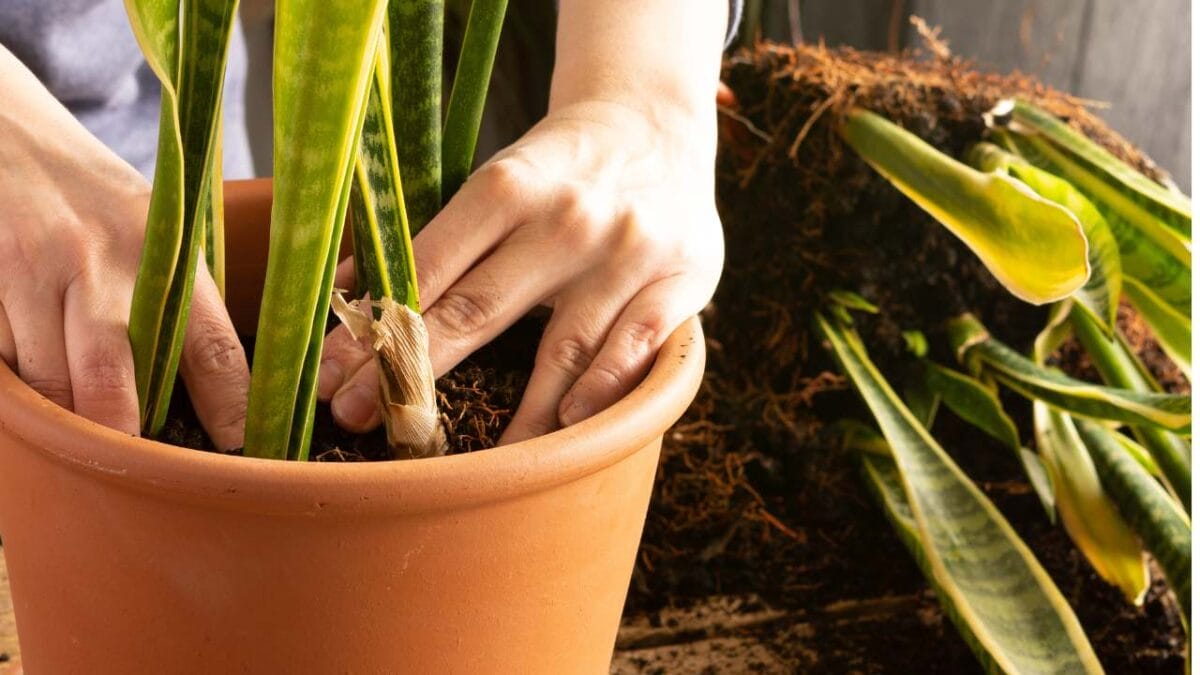
some advice online says repot immediately after blooming. this is terrible advice, heres why.
the plant is root bound which triggered the bloom. flowering itself consumed massive stored energy,repotting is also stressful for plants. piling new stress on top of an energy depleted post bloom plant is bad horticulture.
correct protocol:
during blooming: do nothing. enjoy the flowers which last 2-3 weeks,manage the dripping nectar. dont fertilize dont repot.
after flowers fade: remove the spent flower stalk by cutting it at the base near soil level with clean sharp pruning shears.
resume normal care: after pruning wait at least a month or two before considering any changes. let it recover energy.
future repotting: later during next growing season you can address being root bound by repotting into slightly larger pot or better yet dividing the plant.
propagation warning for variegated types
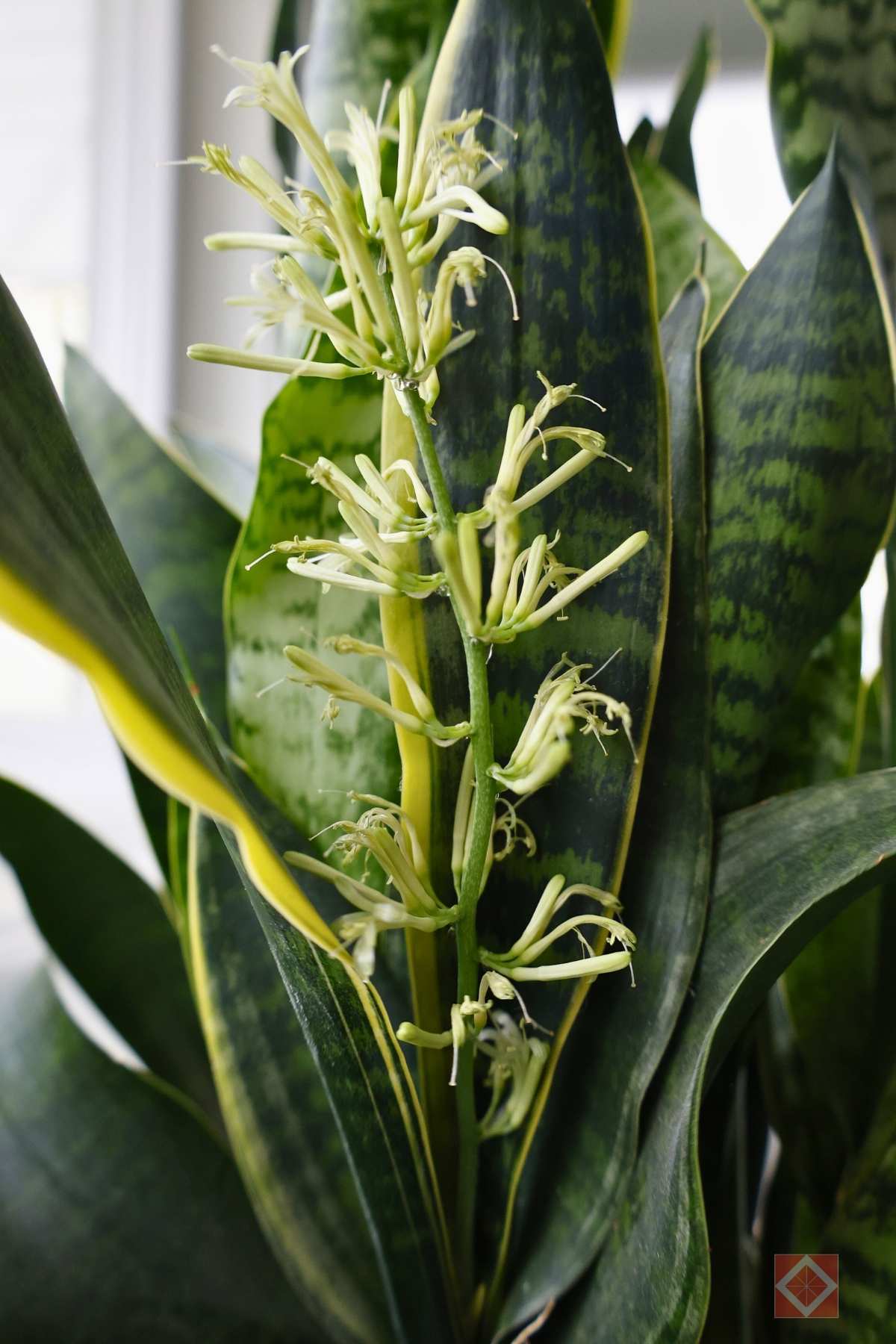
as the flowered rosette slowly dies back the plant produces pups from underground rhizomes. you can propagate by separating these pups or by leaf cuttings,critical warning if you have a variegated snake plant (the ones with yellow or white stripes).
those stripes are created by something called a chimera – genetically distinct tissue layers in one plant. if you propagate by leaf cuttings the new plants will lose the variegation completely,theyll revert to plain green.
to keep the patterns you must propagate by division. separate the pups which are complete genetic clones,leaf cuttings only work for maintaining variegation if you dont care about losing the stripes.
the pet safety issue nobody warns you about
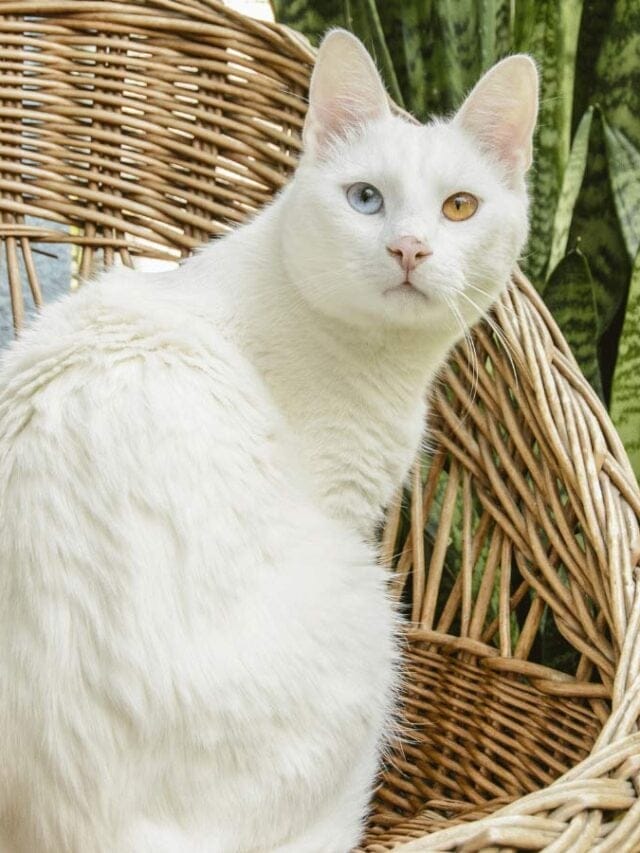
snake plants are toxic to cats and dogs. the toxic compound is saponins which are soap like chemicals that irritate gastrointestinal tract lining,symptoms include nausea vomiting diarrhea excessive drooling loss of appetite and lethargy.
most pet owners know this already and have trained pets to avoid the bitter tasting leaves. but heres the critical problem – the bloom changes everything.
why flowering creates new danger
leaves are bitter and unappealing. most pets learn to avoid them.
flowers smell sweet and attractive. completely different stimulus that draws attention.
nectar tastes like honey. one source literally described it this way. its a powerful lure for curious pets.
nectar drips onto accessible surfaces. falls on floors lower leaves anywhere a pet can lick it.
nectar is toxic. all parts of the plant contain saponins including flower stems flowers and the nectar itself.
the bloom temporarily makes your plant way more dangerous by producing an attractive toxic easily accessible substance.
a pet that successfully avoided the plant for years might suddenly get poisoned because sweet smelling honey tasting liquid is dripping where they can reach it.
immediate action if your plant blooms and you have pets:
- manage dripping nectar obsessively with paper towels
- keep pets completely away from the flower stalk
- consider moving plant to room pets cant access during bloom period
- if pet ingests any part call vet immediately or aspca poison control at 888-426-4435
this is not optional. the combination of attractive scent sweet taste and dripping accessibility makes blooming snake plants a genuine pet hazard.
what it actually means when your snake plant flowers
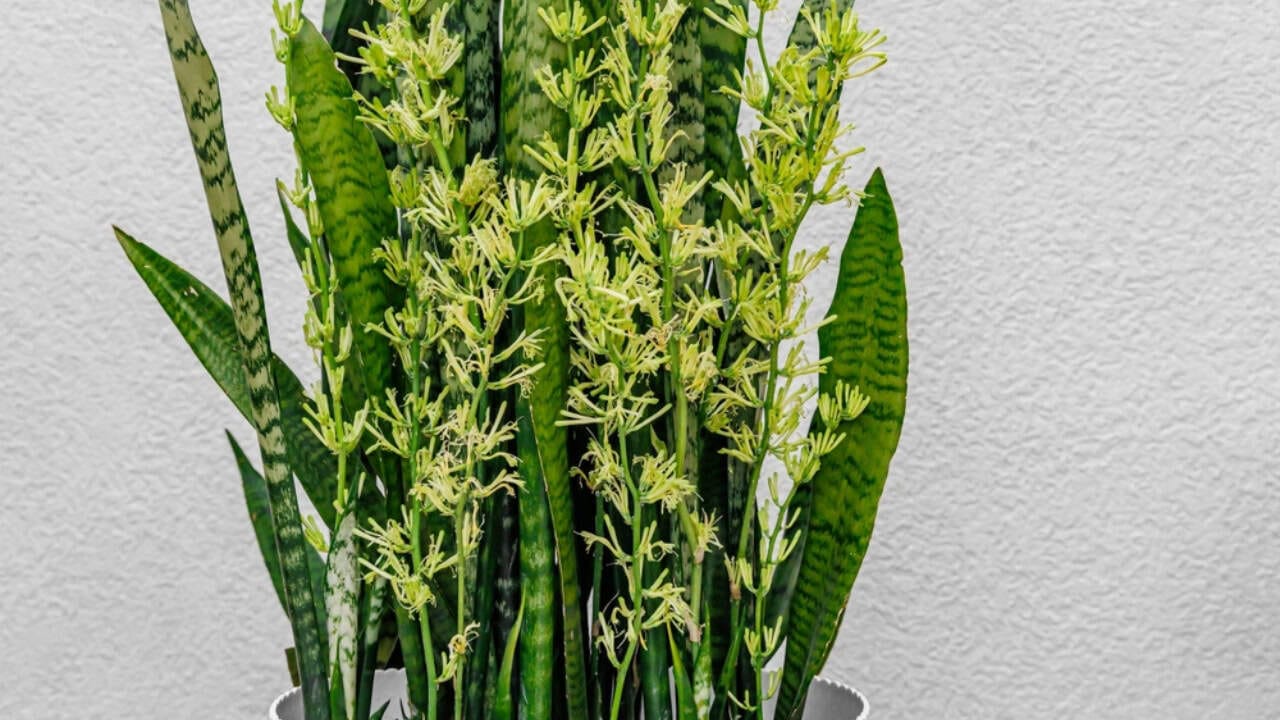
flowering is proof you successfully cultivated a mature thriving plant. you provided enough light over enough years for it to store massive energy reserves,then environmental conditions (probably being root bound in bright light) triggered its reproductive programming.
its not dying. its not stressed in the bad way. its doing exactly what a healthy mature snake plant does when conditions align,the individual rosette that flowered is graduating not dying. the plant as a whole will keep going for years.
the only real concerns are managing the messy toxic nectar especially around pets and avoiding the urge to immediately repot.
let it recover energy first,enjoy the rare sight of a botanical event most snake plant owners never witness. just keep your pets away from the sweet smelling drips.

Nancy has been a plant person from an early age. That interest blossomed into a bachelor’s in biology from Elmira College and a master’s degree in horticulture and communications from the University of Kentucky. Nancy worked in plant taxonomy at the University of Florida and the L. H. Bailey Hortorium at Cornell University, and wrote and edited gardening books at Rodale Press in Emmaus, PA. Her interests are plant identification, gardening, hiking, and reading.