
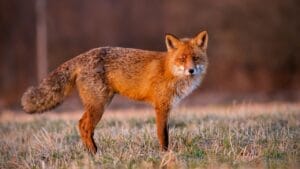
Recent research has revealed an unexpected twist in the tale of red foxes – they’re self-domesticating in urban areas of the UK, displaying more dog-like traits as they adapt to city life.1 This intriguing development highlights just how adaptable these clever canines can be.
1. Masters of Adaptability
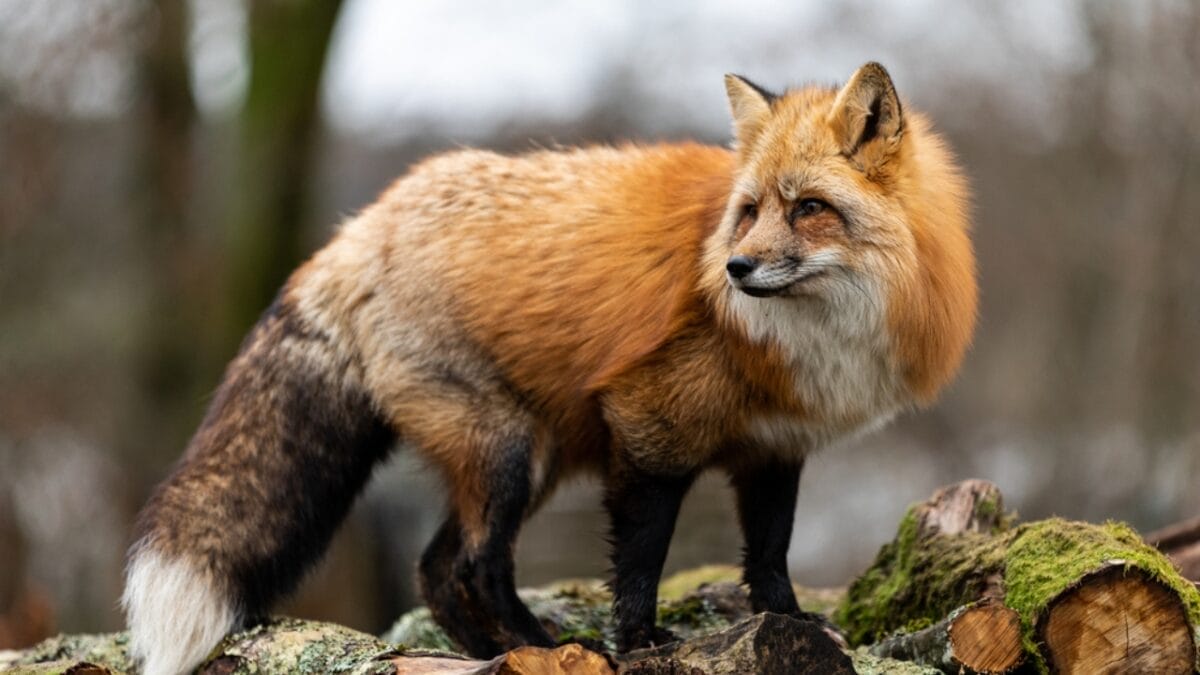
Red foxes have the largest geographical range of any carnivore species, found across the Northern Hemisphere from the Arctic Circle to North Africa, North America, Central America, and Asian steppes. Their adaptable diet and flexible habitat preferences allow them to flourish in diverse environments.
2. Not Always Red

Despite their name, red foxes come in various color morphs. While the rusty red coat is most common, they can also sport silver, black, or cross (a mix of red and silver) fur. All color variations share the distinctive white-tipped tail.
3. Nocturnal Hunters
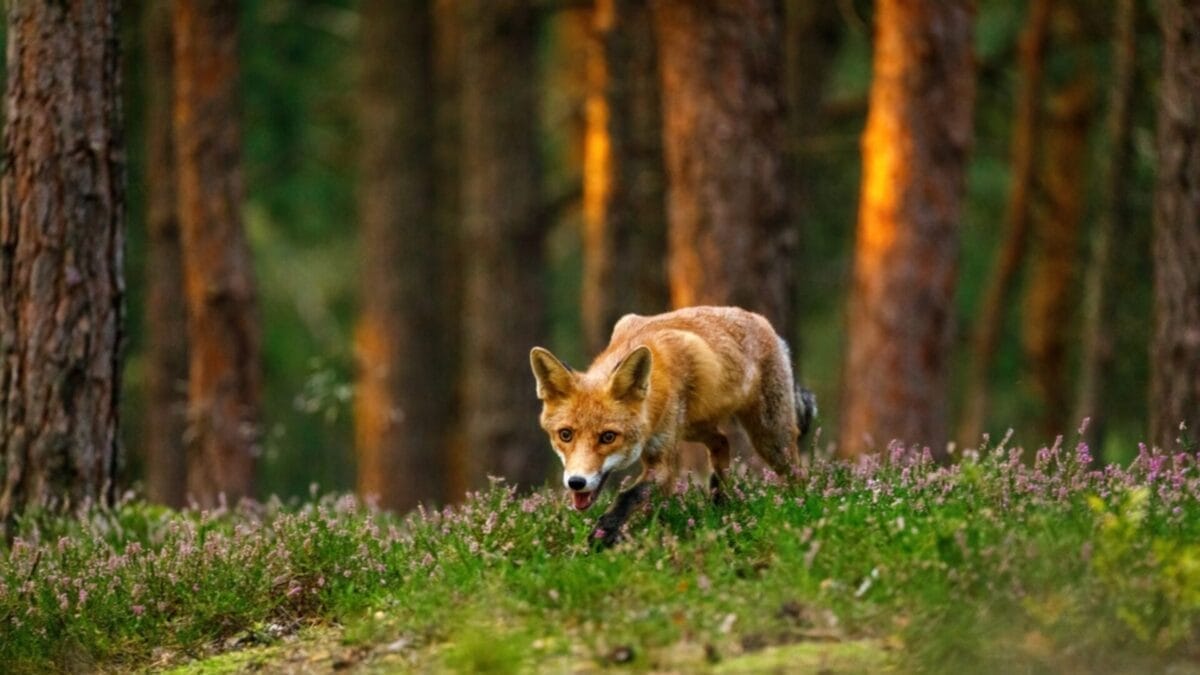
To avoid human encounters, red foxes have become primarily nocturnal in urban and suburban areas. They use their exceptional hearing to locate prey, even detecting rodents digging underground from miles away.
4. Diverse Diet
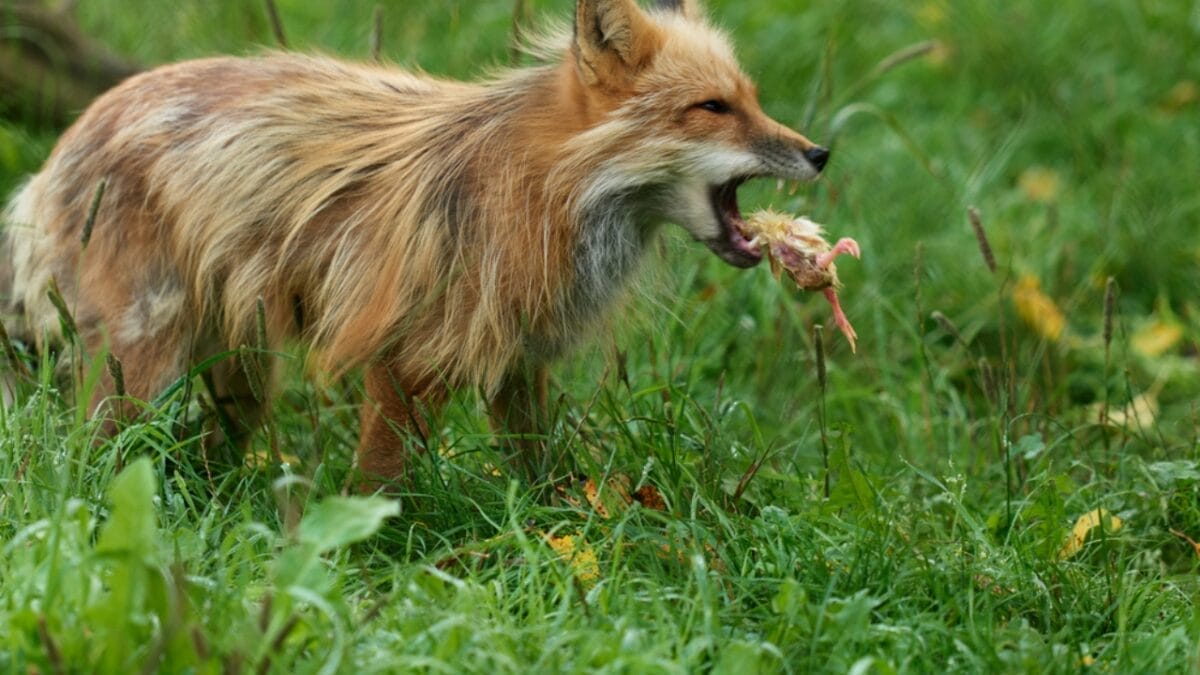
Omnivorous and opportunistic, red foxes consume a wide variety of foods. Their menu includes small rodents, rabbits, birds, frogs, insects, and even fruits and berries. In urban areas, they’ve been known to scavenge from garbage cans for leftovers.
5. Family-Oriented Creatures

Red foxes live in family groups, sharing territories that can range from 5 to 12 square kilometers in rich habitats. Both parents participate in raising their young, with females sometimes assisted by non-breeding sisters or daughters from previous litters.
6. Impressive Athleticism
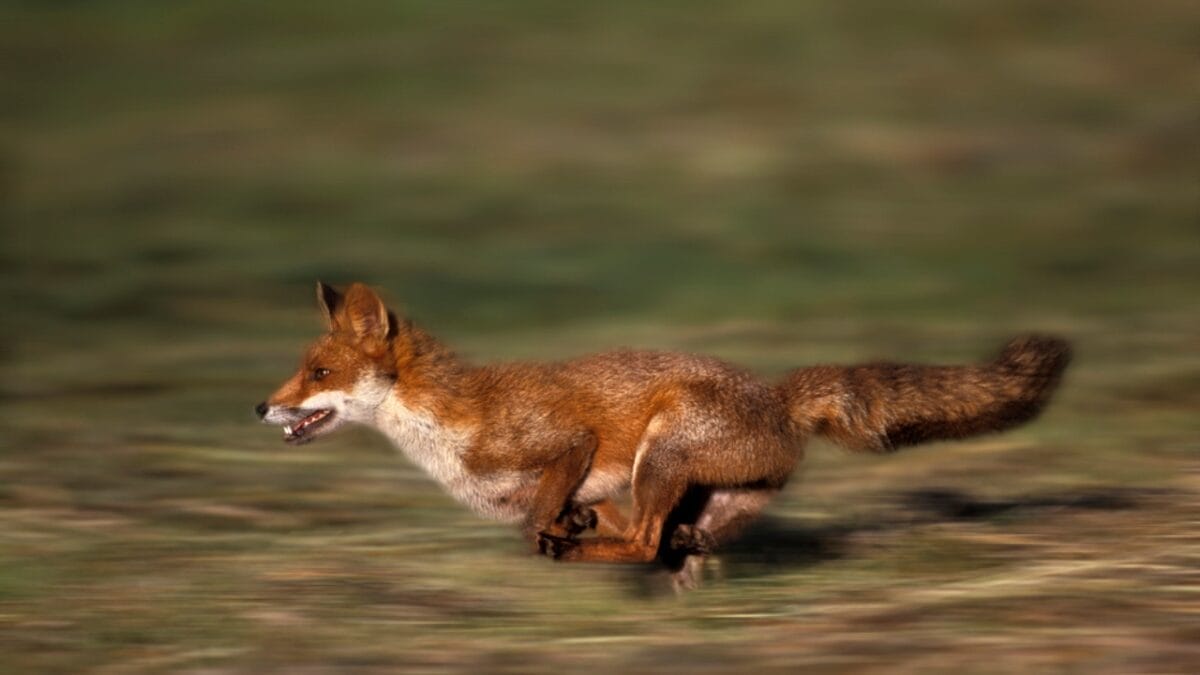
These agile predators can run at speeds up to 30 mph and jump as high as 6 feet. Their long, bushy tails aid in balance and agility, much like a cat’s tail.
7. Unique Vocalizations

Red foxes have more than 20 different calls. During mating season, their sharp, high-pitched screams can be quite startling to those unfamiliar with the sound.
8. Clever Snow Divers
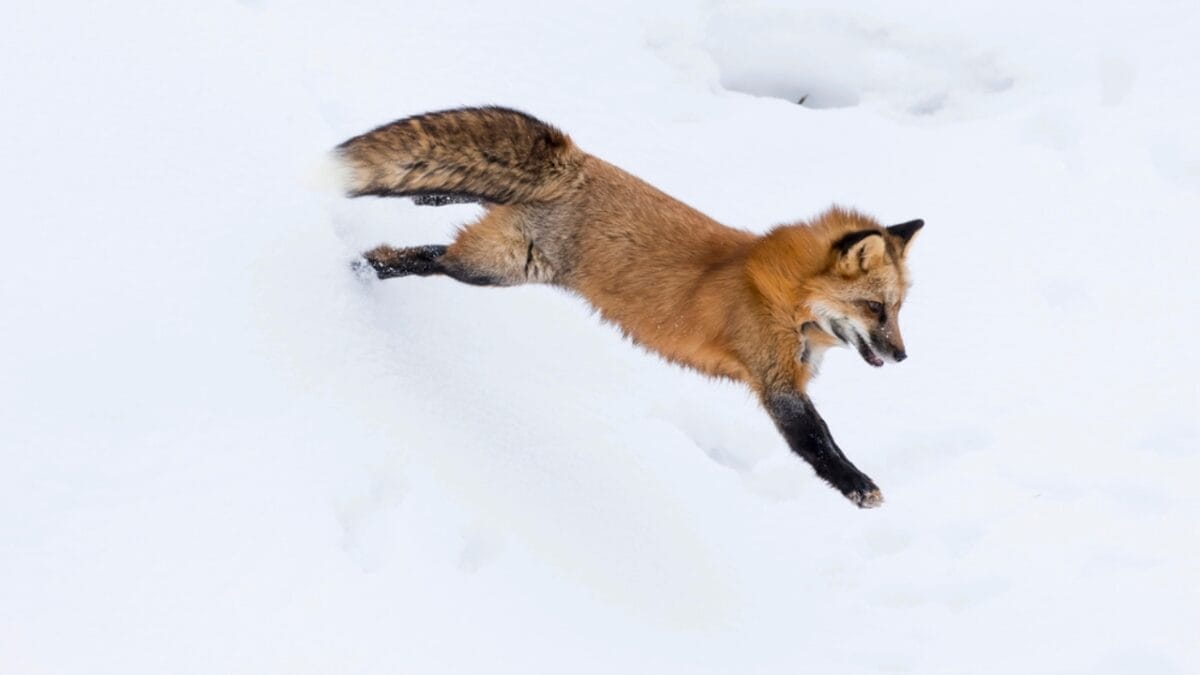
A recent study found that the elongated snouts of red foxes generate less impact force when penetrating snow, reducing injury risk during their signature “mousing” hunting technique.(ref) This adaptation allows them to reach deeper into the snow to catch small rodents.
9. Urban Survivors

As human settlements expand, red foxes have successfully adapted to urban environments. They’ve learned to navigate city life, often denning under porches and hunting in parks and backyards.
10. Whiskers Everywhere
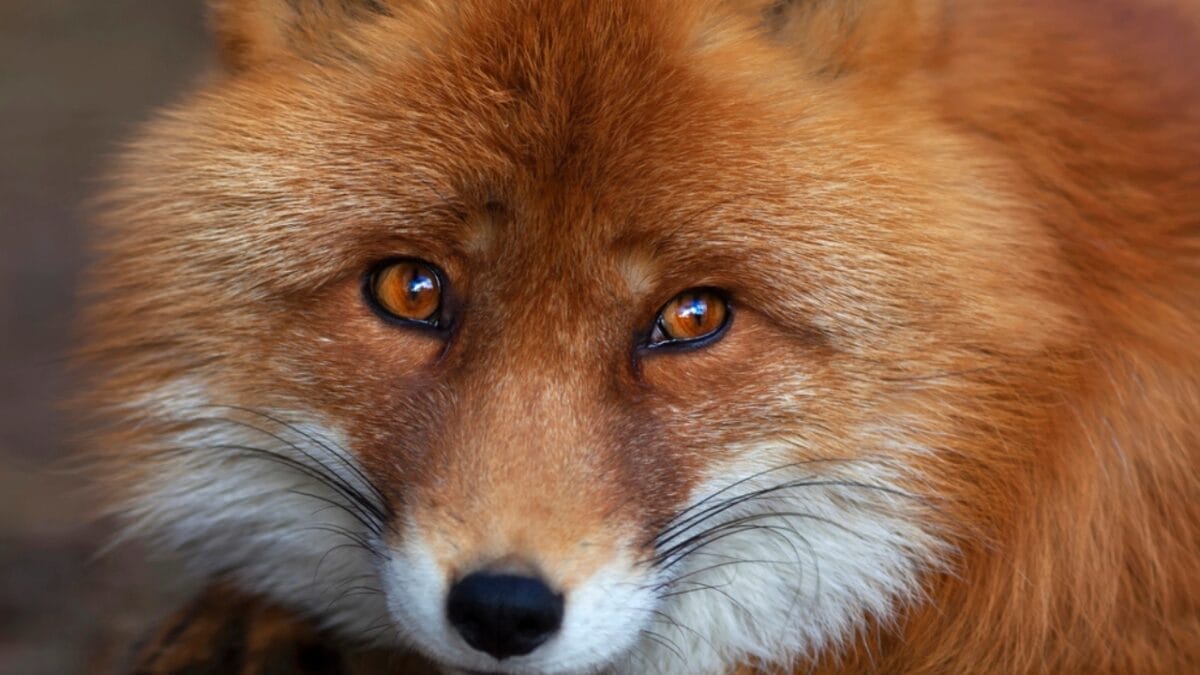
Like many mammals, red foxes have facial whiskers. Interestingly, they also have whiskers on their legs, which they use to navigate their surroundings.
11. Excellent Night Vision
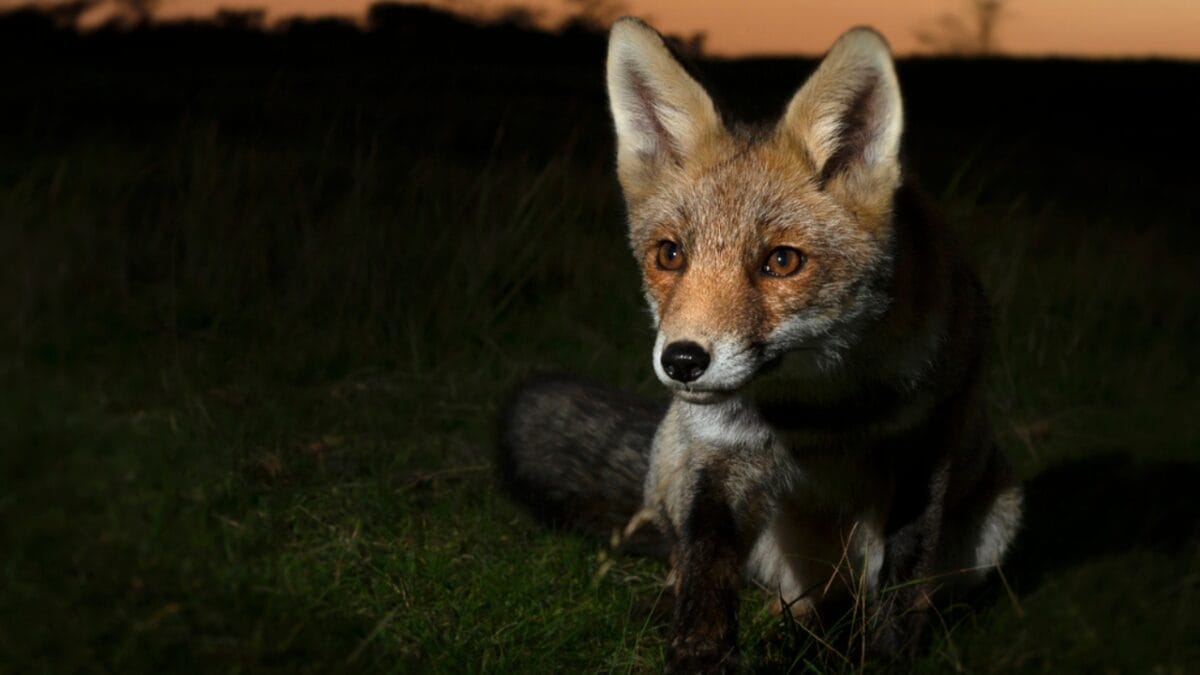
Red foxes possess specially adapted eyes for night vision. A reflective layer behind their retinas, called the tapetum lucidum, enhances their ability to see in low light conditions.
12. Varied Sleeping Habits
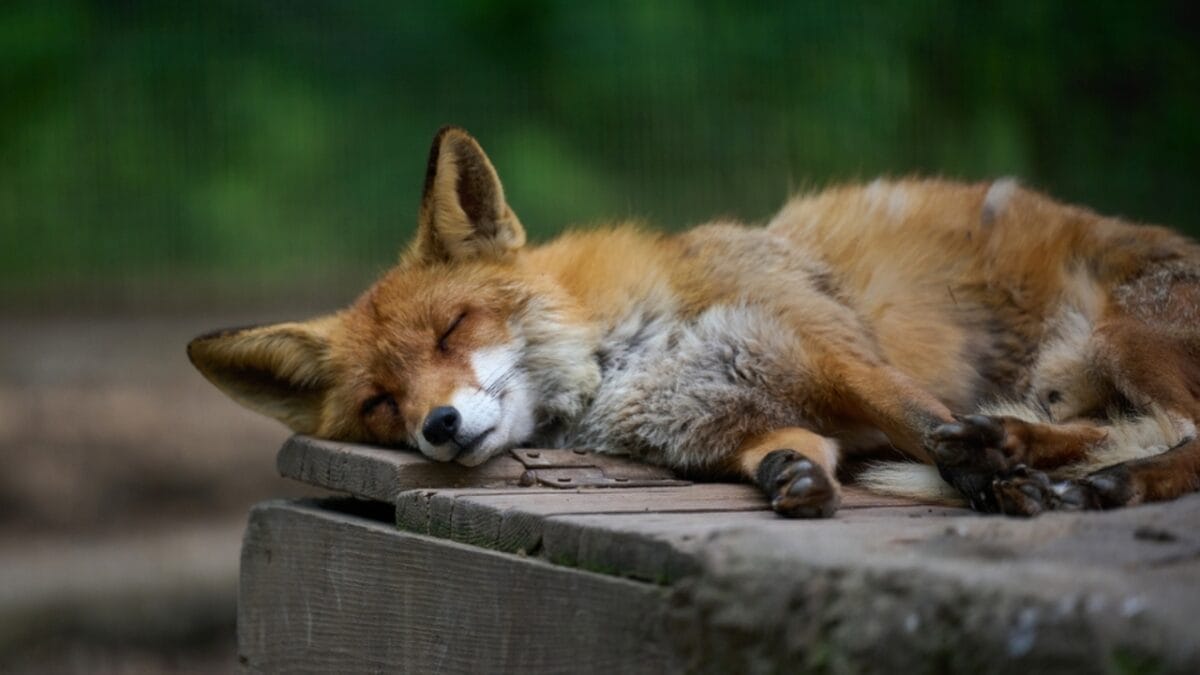
In the wild, red foxes sleep an average of 9.8 hours per day. During winter months, they may sleep up to 12 to 14 hours daily, conserving energy when food is scarce.
13. Skilled Tree Climbers

Although not typically associated with arboreal activities, red foxes have been known to climb trees and rest on low branches. This skill adds to their adaptability in various environments.
14. Magnetic Hunting
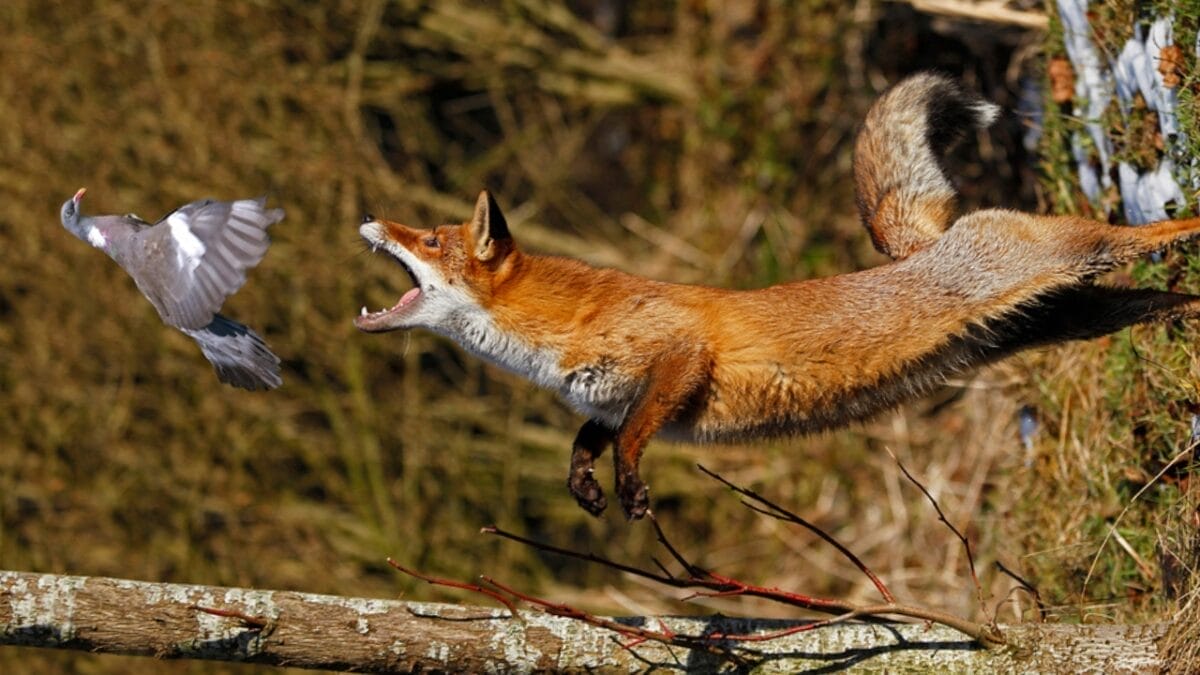
Studies have shown that red foxes tend to jump in a north-easterly direction when hunting, suggesting they may use the Earth’s magnetic field to increase their success rate.(ref)
15. Long-Standing Human Relationship
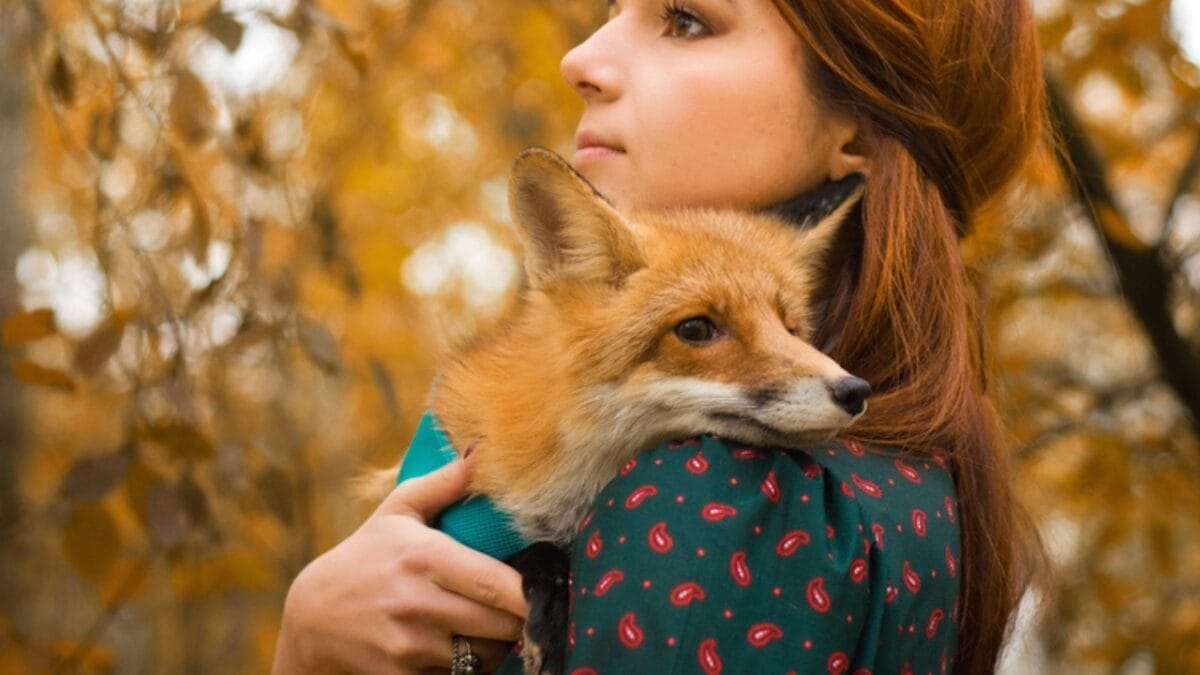
Red foxes have a complex history with humans, often persecuted for fur and sport, yet thriving in human-altered landscapes. Their ability to coexist with us continues to evolve, making them a fascinating subject for ongoing research and conservation efforts.
Source:
1. bbc.com

Davin is a jack-of-all-trades but has professional training and experience in various home and garden subjects. He leans on other experts when needed and edits and fact-checks all articles. Also an aspiring cook we he researches and tries all kinds of different food recipes and shares what works best.