
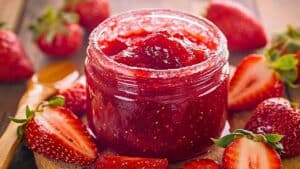
Strawberry jam is a timeless favorite, but traditional versions are often loaded with sugar. If you’re following a keto lifestyle, you might think homemade jam is off-limits.
Luckily, this sugar-free strawberry jam offers a delicious alternative that fits seamlessly into low-carb meal plans. With just three simple ingredients, this jam delivers the sweet, tangy goodness you crave without the added sugar.
Why This Strawberry Jam Is Perfect for Keto
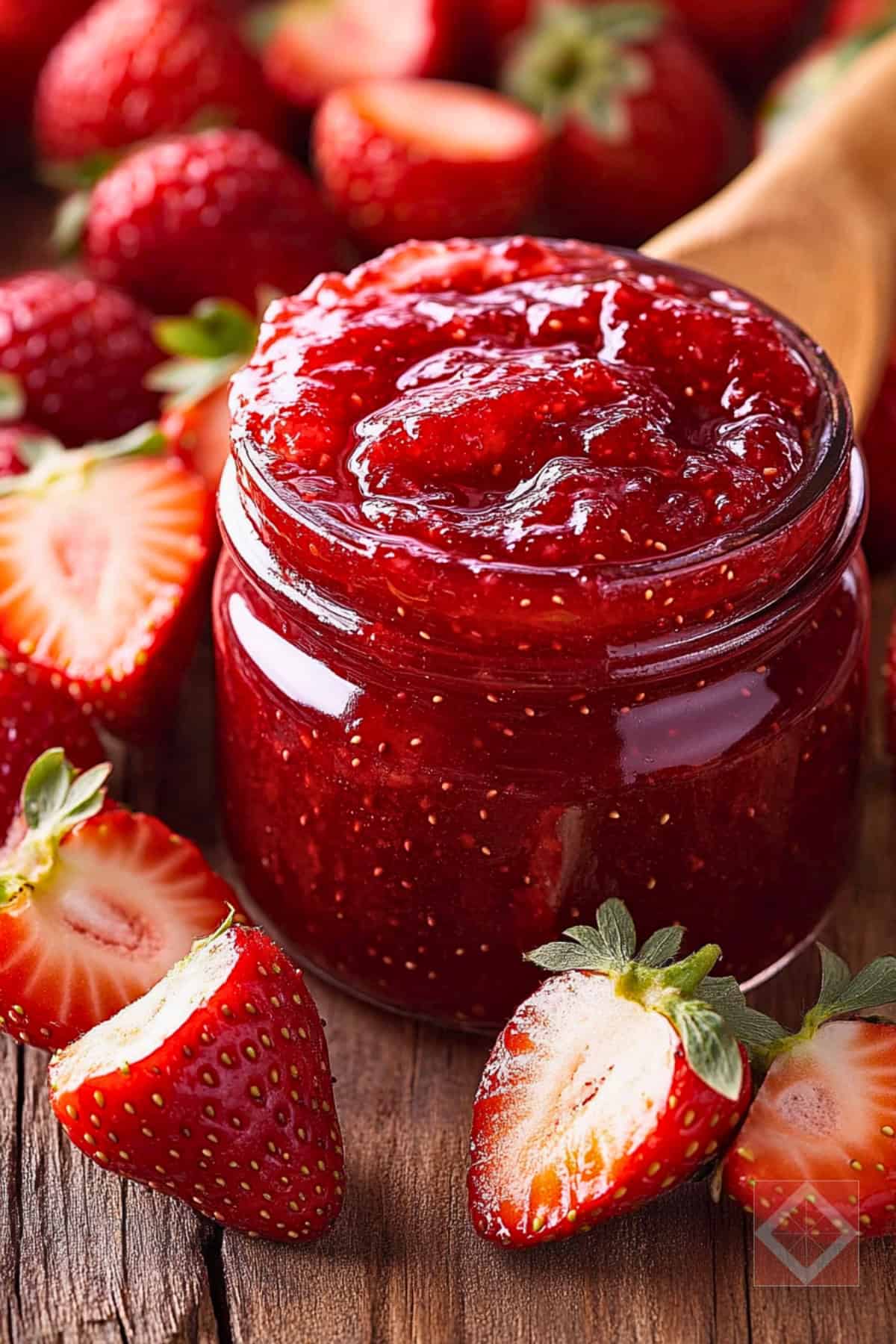
Most store-bought jams are packed with sugar and preservatives, making them unsuitable for a low-carb diet. This homemade version swaps out sugar for a keto-friendly sweetener, keeping the net carbs low while maintaining a rich, fruity flavor.
Strawberries are one of the lowest-carb fruits, making them an excellent choice for anyone looking to enjoy a naturally sweet spread without breaking ketosis.
Unlike traditional jam recipes that rely on pectin to achieve the right consistency, this one thickens naturally as it simmers. The addition of lemon juice enhances the flavor while also acting as a natural preservative.
Tips for the Best Sugar-Free Jam
- Use fresh, ripe strawberries for the best flavor. If fresh berries aren’t available, frozen ones work just as well—just thaw them first.
- Choose a keto-approved sweetener that dissolves easily. Monk fruit, erythritol, or allulose are excellent choices.
- Stir often while cooking to prevent sticking and ensure even thickening.
- If you prefer a smoother texture, blend the jam slightly before cooling.
This jam isn’t just for toast! You can drizzle it over pancakes, mix it into smoothies, or use it as a filling for keto-friendly baked goods.
How to Store Your Homemade Jam
This jam keeps well in the fridge for up to two weeks. If you want to make a larger batch, consider freezing it in small portions for long-term storage.
Simply transfer it to an airtight container and freeze for up to three months. When you’re ready to use it, thaw it in the refrigerator overnight.
If you prefer a shelf-stable version, you can use a hot water canning method, but keep in mind that keto sweeteners don’t always preserve as well as traditional sugar.
Creative Ways to Use Keto Strawberry Jam
- Spread on keto bread – Enjoy a classic PB&J with almond butter and this homemade jam.
- Swirl into Greek yogurt – Add a natural sweetness without extra carbs.
- Top low-carb cheesecakes – Elevate your desserts with a fruity finish.
- Mix into homemade salad dressings – Combine with olive oil and vinegar for a unique vinaigrette.
- Serve with cheese boards – Pair with brie, cheddar, or goat cheese for a delicious contrast.
The Perfect Addition to Your Keto Meal Plan
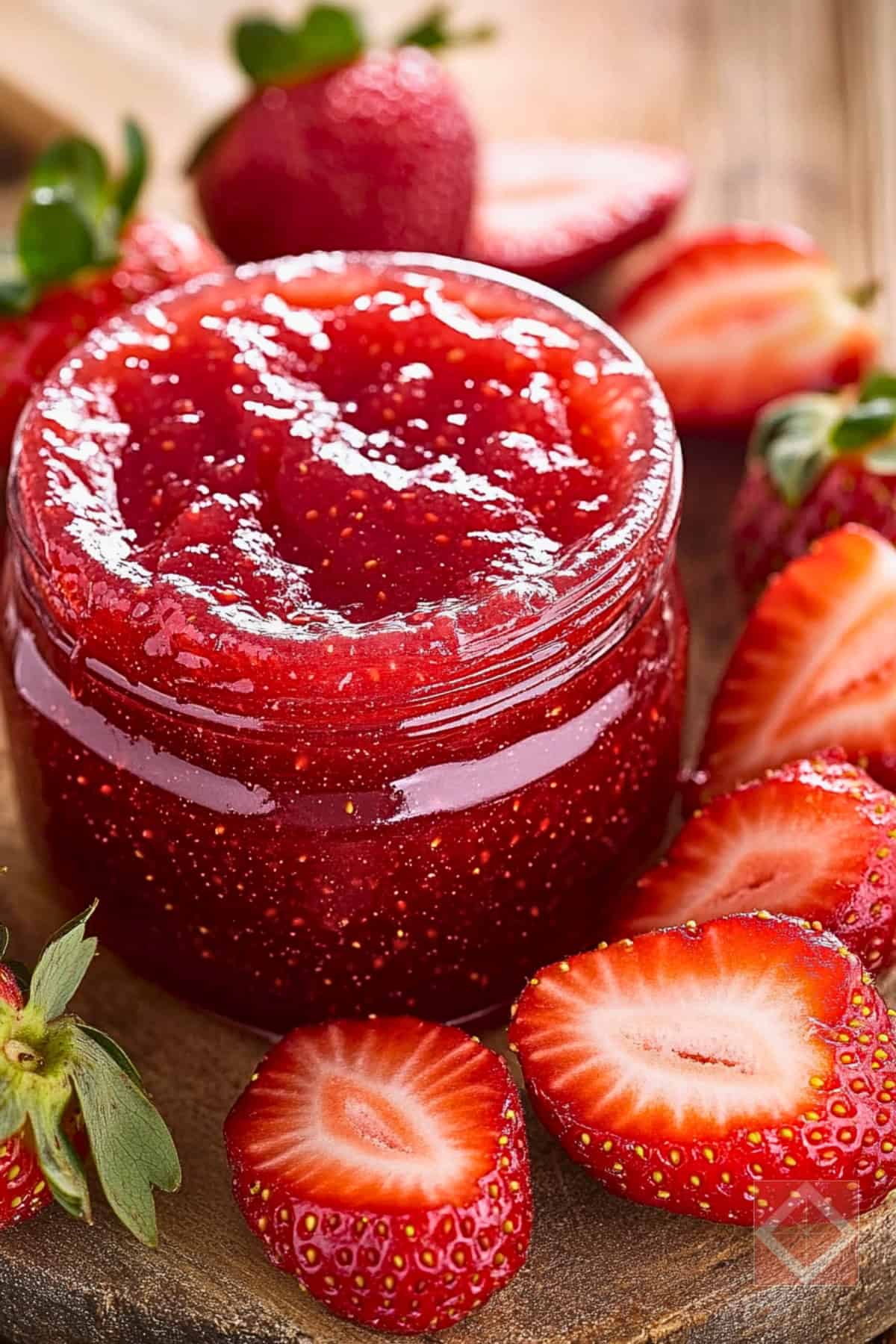
This jam is a fantastic way to satisfy your sweet tooth without compromising your diet. Many keto recipes focus on savory dishes, but having a go-to fruit spread like this can make meal planning more enjoyable.
If you’ve been missing the taste of jam on a keto diet, give this recipe a try. It’s proof that you don’t have to give up your favorite flavors—you just need to find creative ways to enjoy them.
Keto Strawberry Jam Recipe
Ingredients
- 1 lb sliced strawberries
- 1.5 cups sweetener keto-friendly
- 2 tbsp lemon juice
Instructions
- Place the sliced strawberries into a saucepan over medium heat, then stir in the sweetener until well combined.
- Allow the mixture to heat up, stirring occasionally, until it reaches a rolling boil.
- Once the strawberries begin boiling, pour in the lemon juice and mix well.
- Continue boiling for approximately 15 more minutes, stirring frequently, until the jam thickens and reaches 220°F.
- Make sure to stir often to prevent burning and ensure an even texture.
- Remove from heat and transfer the jam into a jar. Let it cool at room temperature, then refrigerate once it’s no longer hot. Enjoy!
Nutrition

Nancy has been a plant person from an early age. That interest blossomed into a bachelor’s in biology from Elmira College and a master’s degree in horticulture and communications from the University of Kentucky. Nancy worked in plant taxonomy at the University of Florida and the L. H. Bailey Hortorium at Cornell University, and wrote and edited gardening books at Rodale Press in Emmaus, PA. Her interests are plant identification, gardening, hiking, and reading.