
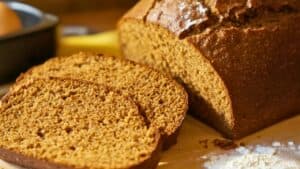
Anadama bread is a classic example of how old recipes tell the story of a region’s culinary past. This hearty loaf blends cornmeal, molasses, and wheat flour for a rich, slightly sweet flavor and a soft, dense texture.
This bread was a staple in many homes, particularly in Massachusetts.
 For another comforting bake, try the ‘Oatmeal Honey Bread – Classic 1940s Recipe‘.
The Legend Behind the Name
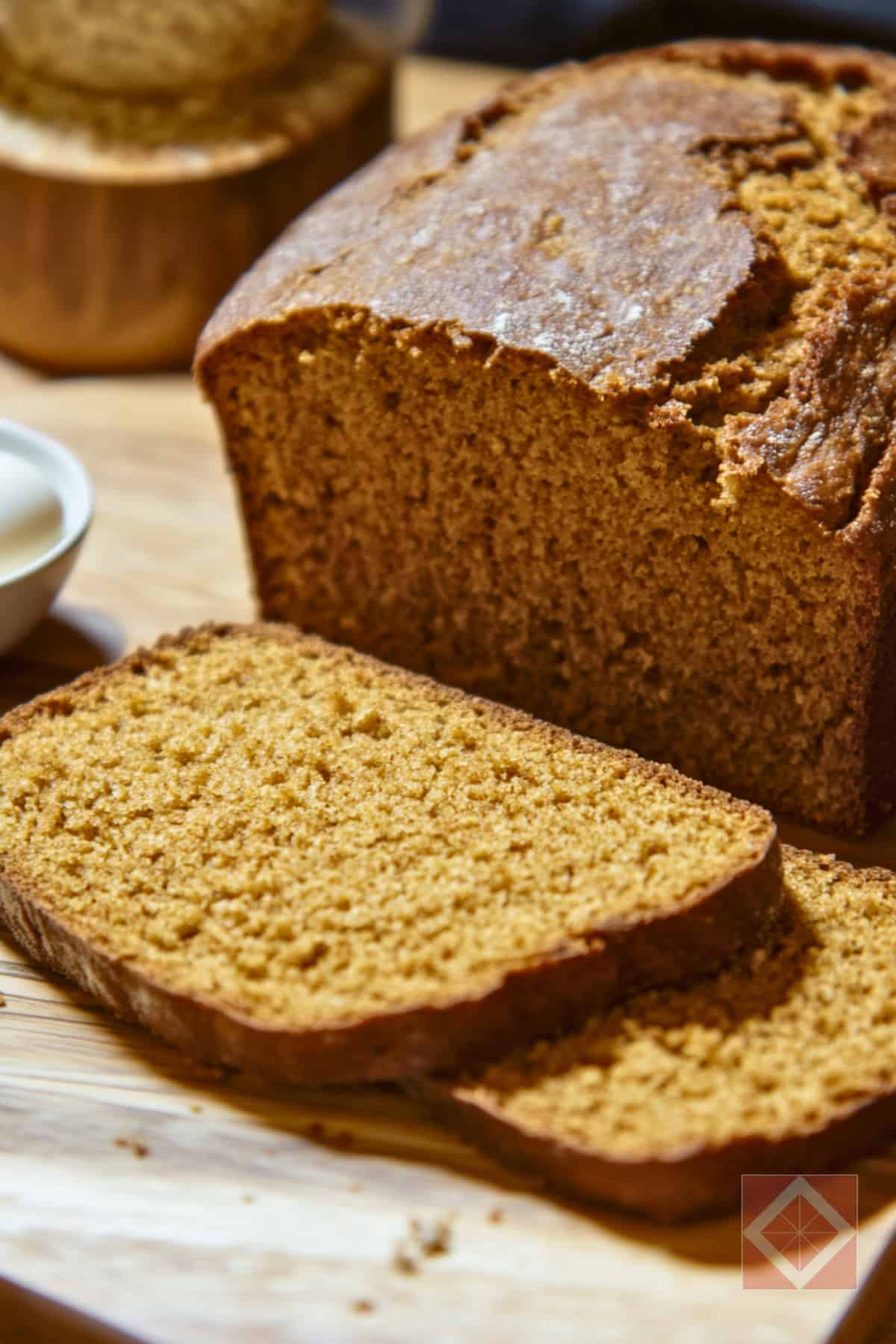
While its exact origins remain unclear, one popular tale credits a frustrated fisherman in Rockport, Massachusetts, for its creation.
According to the legend, his wife, Anna, repeatedly served him bland cornmeal porridge. Frustrated, he angrily tossed flour and yeast into the mix, muttering, “Anna, d*mn her!”
The result was a surprisingly delicious bread, and the name Anadama stuck.
Although the story is likely just folklore, the bread itself remains a cherished piece of culinary history. Many old recipes, like the Civil War-era condensed milk bread, have unclear origins, but their continued popularity speaks to their lasting appeal.
The Ingredients That Make It Unique
Anadama bread stands out due to its distinctive combination of ingredients. Cornmeal, much like in Jiffy cornbread, gives the loaf a slightly gritty texture and a nutty depth, while molasses adds a touch of sweetness and moisture.
This balance of flavors makes the bread versatile, pairing well with both sweet and savory spreads.
- Cornmeal: Provides a rustic, slightly crunchy texture.
- Molasses: Adds a deep, caramel-like sweetness.
- Wheat flour and all-purpose flour: Create a soft but hearty crumb.
- Yeast and eggs: Ensure a light rise and tender structure.
It was often baked in large batches to last several days, as home baking was a necessity before store-bought bread became widely available.
Families would enjoy it fresh with butter or slice it for hearty sandwiches. Stale pieces were frequently turned into breadcrumbs or even used in puddings.
Its simple ingredients make it an accessible recipe for families looking for a nourishing yet inexpensive option. Molasses, a key component, was widely available due to New England’s historic involvement in the sugar trade.
Why Anadama Bread Still Matters Today
Despite the changes in modern baking, Anadama bread remains a favorite for those who appreciate traditional flavors.
Many people seek out old recipes, like the 1930s peanut butter bread, as a way to reconnect with history and explore the baking traditions of past generations.
The combination of cornmeal and molasses gives the bread a nostalgic quality, reminiscent of simpler times when homemade bread was a household staple.
This bread also serves as a reminder of how regional ingredients shape culinary traditions. The reliance on molasses and cornmeal in New England cooking reflects the availability of these ingredients in the 19th and early 20th centuries.
Serving & Storage Tips
Freshly baked Anadama bread is best enjoyed warm, with a generous spread of butter or jam. It also makes an excellent base for sandwiches, much like other irresistible soup & sandwich breads, particularly when paired with sharp cheeses or roasted meats.
For storage:
- Keep the bread in an airtight container at room temperature for up to three days.
- For longer storage, slice and freeze the bread, then toast individual pieces as needed.
A Timeless Recipe Worth Baking
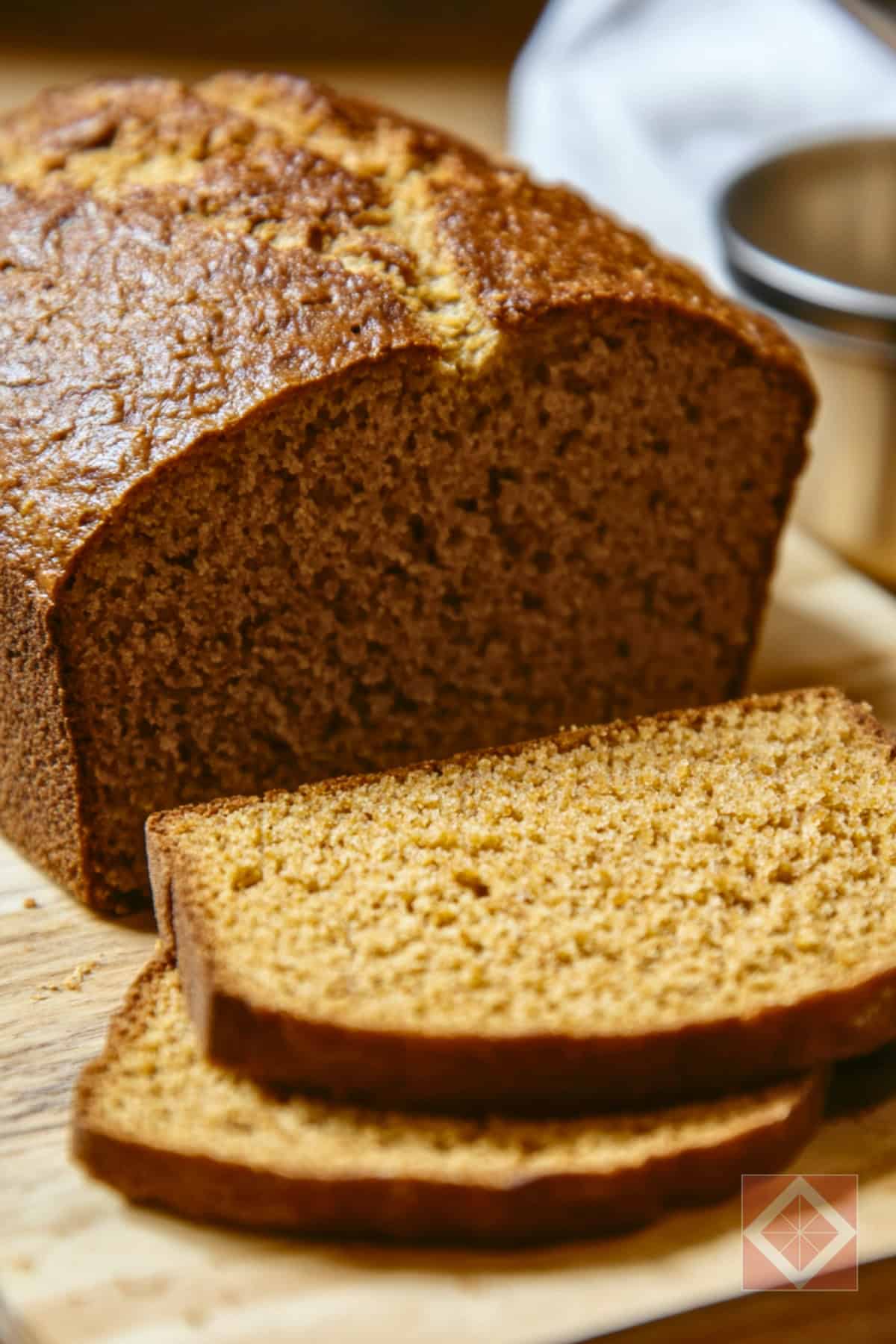
Whether drawn in by its intriguing name or its comforting flavor, Anadama bread is a rewarding bake.
It showcases the simplicity and resourcefulness of old recipes while offering a taste of New England’s rich culinary history.
Those interested in traditional baking will find this bread to be a perfect introduction to historical recipes that still deserve a place on the table.
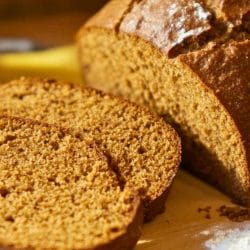
Old Anadama Bread Recipe (1920)
Ingredients
- ½ cup yellow cornmeal
- ⅓ cup molasses
- 3 tablespoons butter softened
- 2 teaspoons salt
- 1 cup boiling water
- 1 packet active dry yeast (2 ¼ teaspoons)
- 1 large egg beaten
- 1 cup whole wheat flour
- 2 cups all-purpose flour
Instructions
- In a heatproof bowl, mix the cornmeal, molasses, butter, and salt. Pour in the boiling water, stirring well until the butter fully melts. Let it sit until the mixture is lukewarm.
- Once cooled, add the yeast and let it rest for about 5 minutes to activate.
- Stir in the beaten egg and whole wheat flour, then beat the mixture thoroughly for a few minutes.
- Gradually work in the all-purpose flour, kneading the dough in the bowl until it forms a smooth, elastic ball.
- Cover the bowl with a towel and allow the dough to rise in a warm spot for 30 to 40 minutes.
- Lightly knead the dough on a floured surface, shaping it into a log that fits a greased 9×5-inch loaf pan. Position the dough seam-side down.
- Let the dough rise again in a warm area for 1 to 1½ hours, until it expands above the edges of the pan.
- Bake in a preheated 350°F oven for 45 to 55 minutes, or until the loaf turns golden brown and sounds hollow when tapped.
- Immediately transfer to a wire rack and allow the bread to cool completely before slicing.
Notes
- This bread is an excellent companion to stews, chowders, or simply served warm with butter.
- To enhance the old-fashioned flavor, consider substituting half of the all-purpose flour with more whole wheat flour.
- If a slightly softer crust is preferred, brush the top with melted butter after baking.

Davin is a jack-of-all-trades but has professional training and experience in various home and garden subjects. He leans on other experts when needed and edits and fact-checks all articles. Also an aspiring cook we he researches and tries all kinds of different food recipes and shares what works best.