
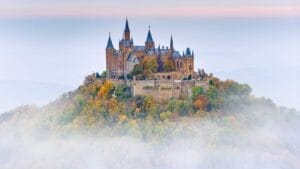
Perched high on the rugged peaks of the Swabian Alps, Germany’s Hohenzollern Castle is often described as a “castle in the clouds.”
Each year, nearly 350,000 guests journey to explore its lush gardens, majestic chapels, and the meticulously preserved rooms on guided tours.1 But beyond its picturesque facade and popular tourist appeal, Hohenzollern Castle harbors a wealth of lesser-known facts.
1. Initial Construction
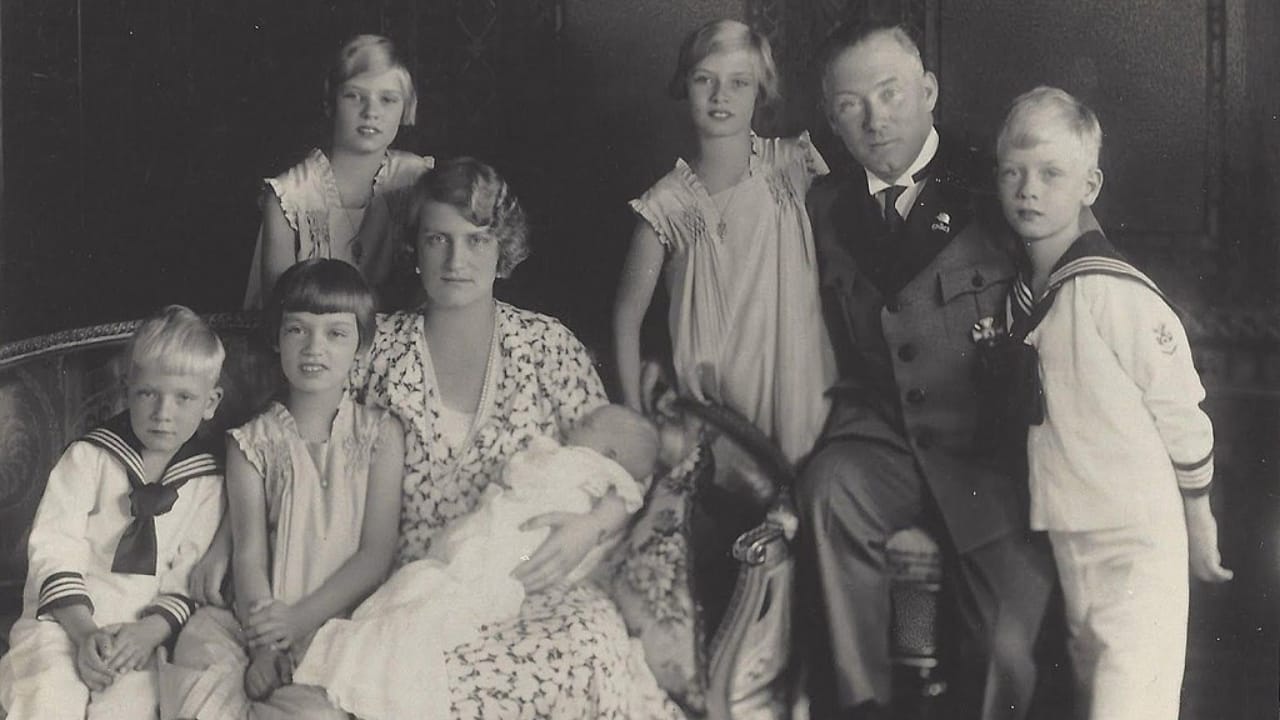
The origins of Hohenzollern Castle date back to the 11th century. The earliest fortifications were established by the Hohenzollern family, a noble lineage that played a key role in the history of the region.
The first castle was built on the summit of Mount Hohenzollern as a defensive stronghold.
2. Revival of Gothic Architecture
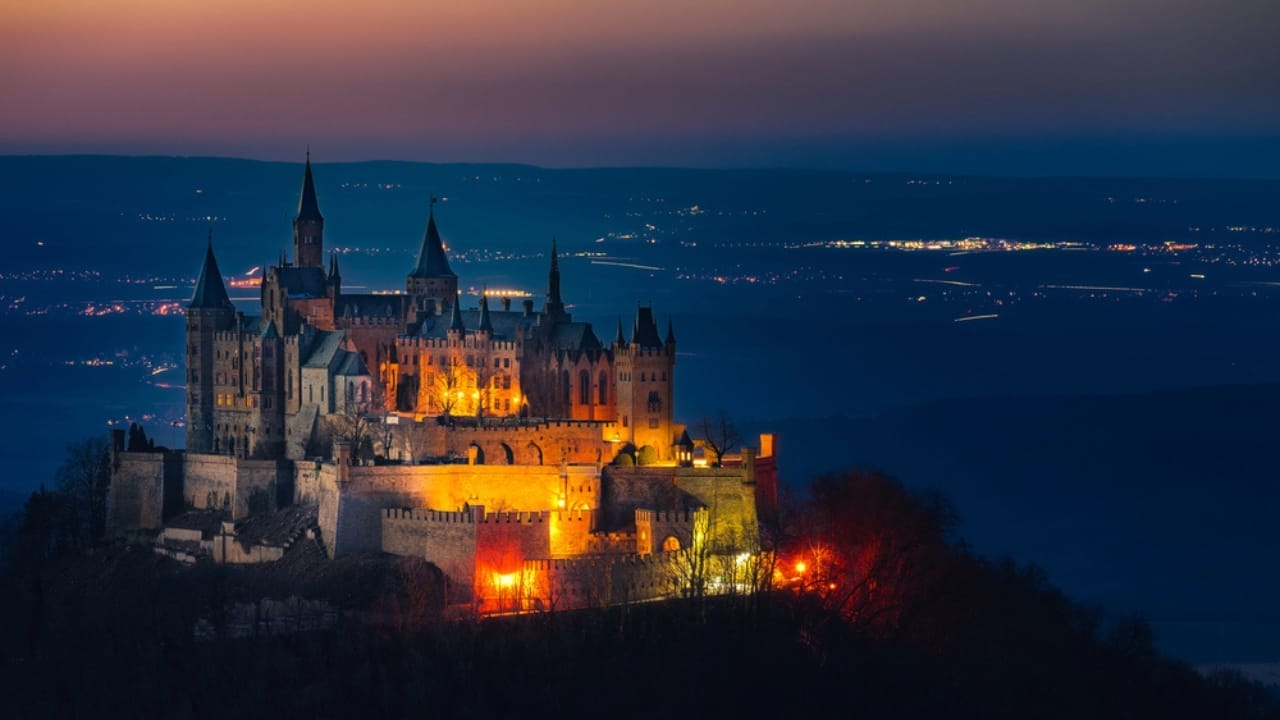
The current Hohenzollern Castle is a product of 19th-century architectural revivalism. Built between 1850 and 1867, it was commissioned by King Friedrich Wilhelm IV of Prussia as a romantic, medieval-style castle.
It is often associated with the Romantic Gothic Revival movement, which sought to revive the aesthetic qualities of medieval Gothic architecture.
3. Unoccupied by Any King
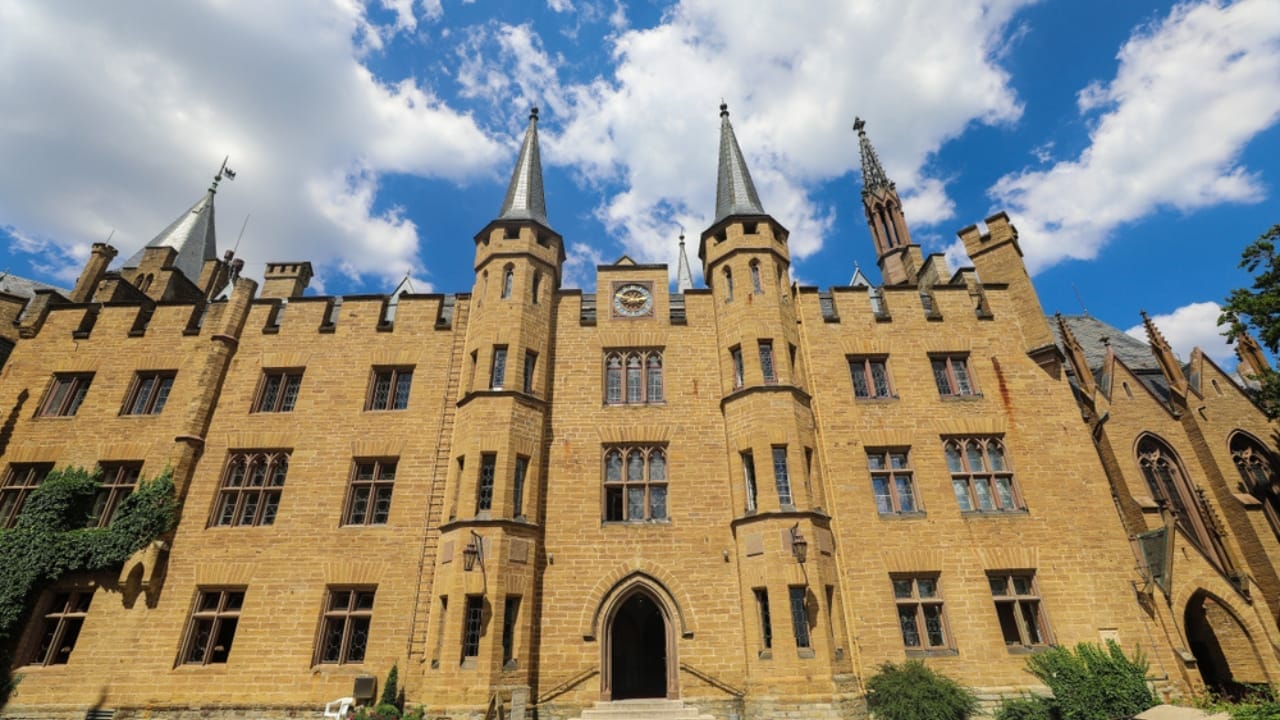
Hohenzollern Castle was not actually occupied by any of the Hohenzollern kings. The king envisioned the castle as a romantic, medieval-style retreat and a symbol of the Prussian monarchy. However, it was never used as a royal residence during his reign or by subsequent Hohenzollern monarchs.
4. Notable Visitors
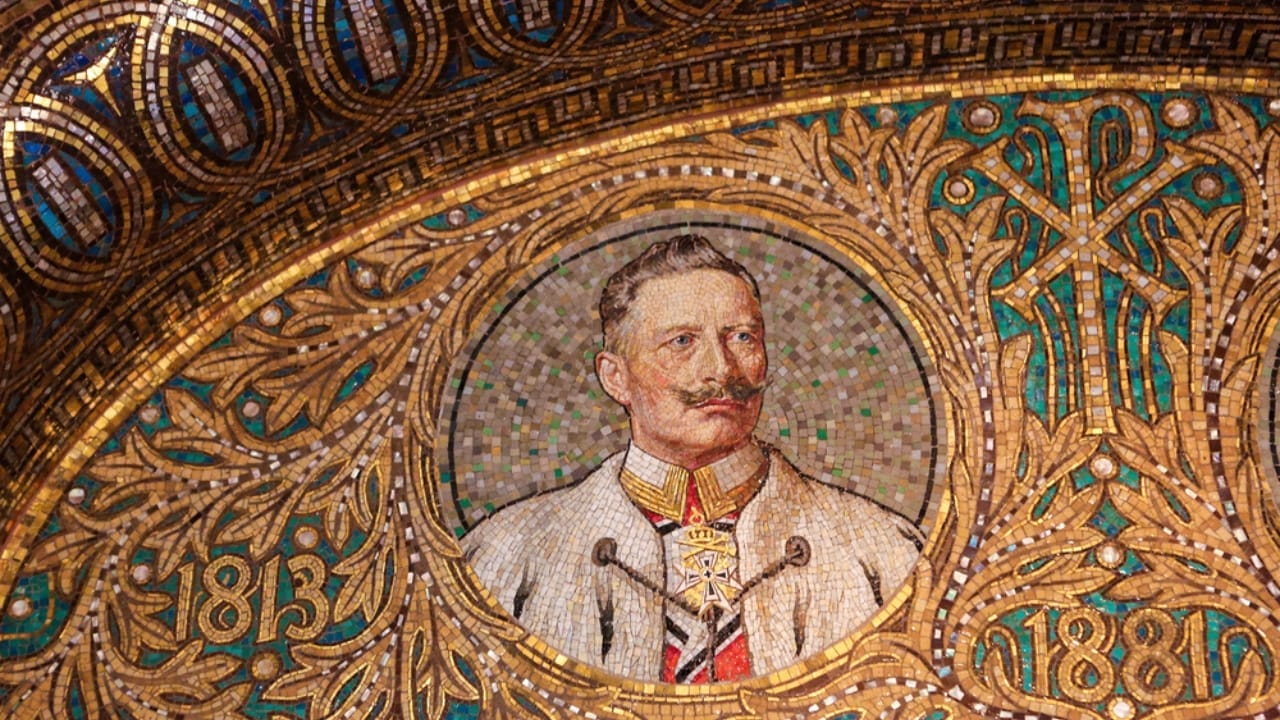
The castle has attracted many notable figures over the years. One of the most famous visitors was Emperor Wilhelm II, who was a frequent guest and even resided there.
The castle also inspired several artists and writers, including Richard Wagner, who admired its romantic and picturesque qualities.
5. Strategic Location
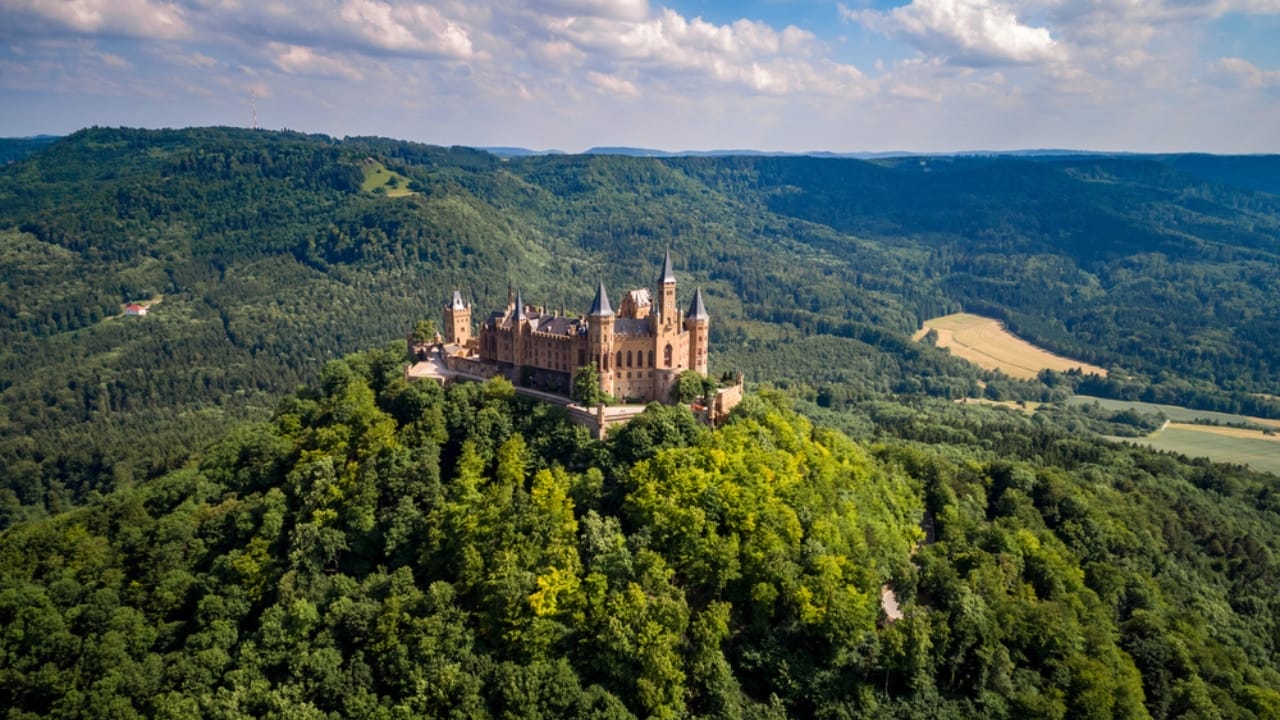
The castle is perched on Mount Hohenzollern, 2,805 feet above sea level. This elevated position provided a strategic advantage in the past, allowing it to serve as a formidable fortress.
The location also offers breathtaking panoramic views of the surrounding Swabian Alps and the surrounding countryside.
6. Inspiration for Fairy Tales
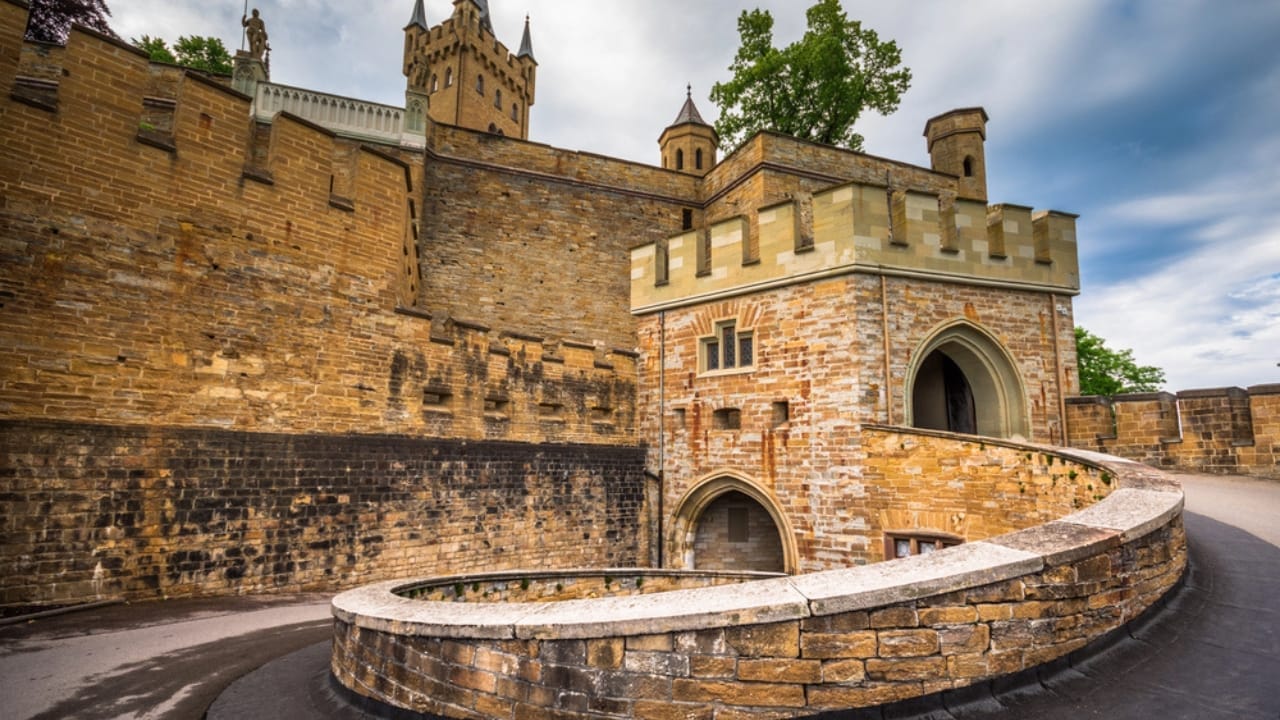
The castle’s picturesque and fairy-tale-like appearance has made it a source of inspiration for various works of literature and art.
It served as a model for the fictional castle in Disney’s “Sleeping Beauty” and has influenced other fairy-tale castles in popular culture.
7. Engineering Innovations
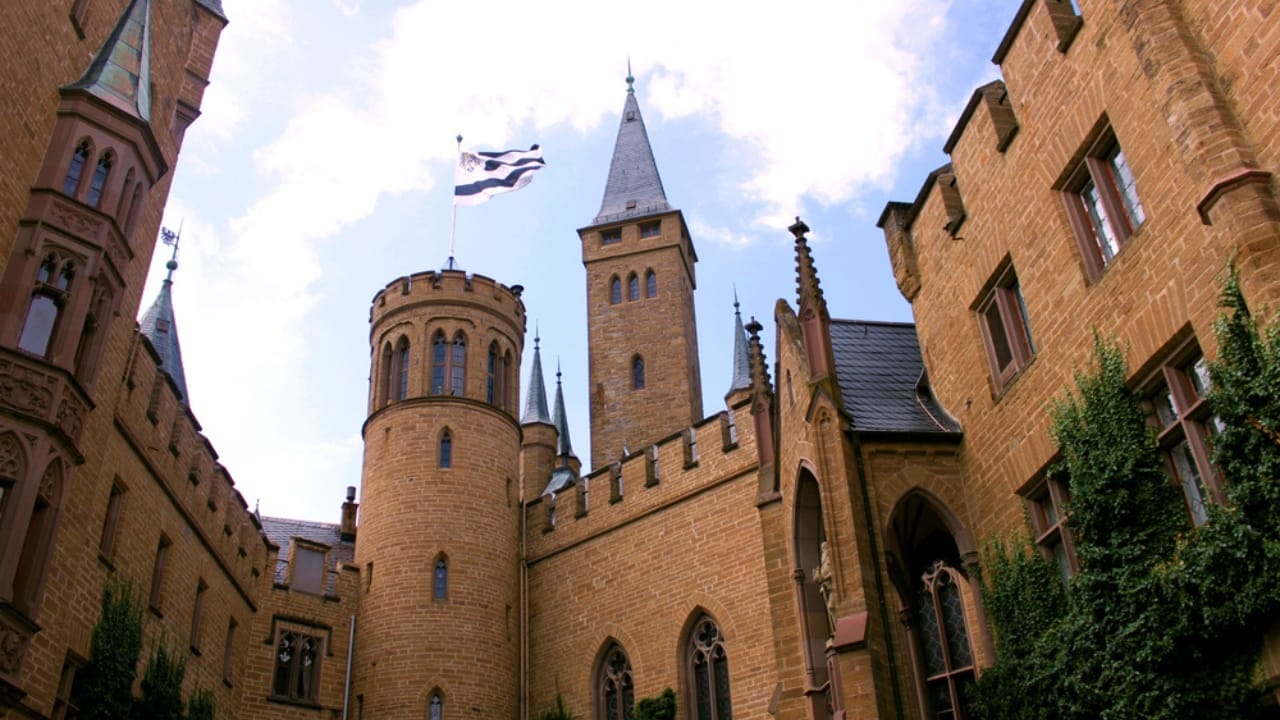
The construction of Hohenzollern Castle incorporated advanced engineering techniques for its time.
For example, the use of steel reinforcements and sophisticated masonry techniques helped achieve its impressive architectural features, such as its tall towers and elaborate facades.
8. Influence of Stained Glass
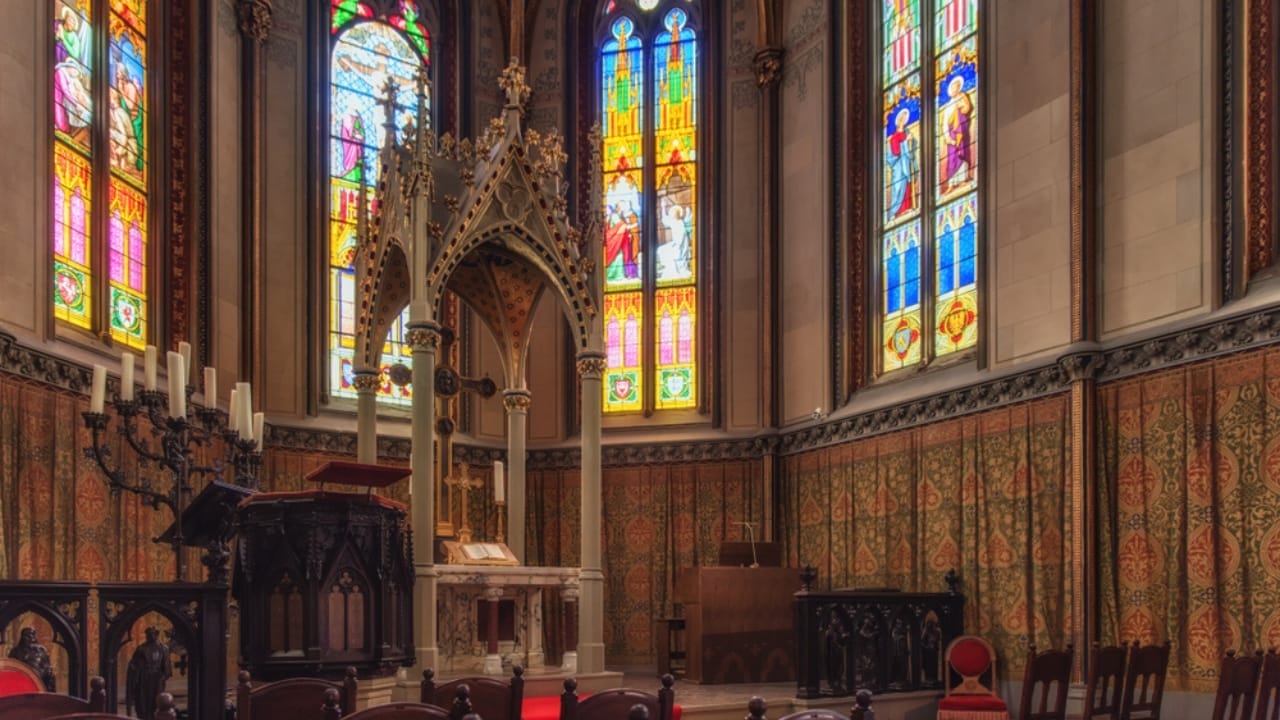
Many of the stained glass windows include symbolic motifs and heraldic elements. These designs often incorporate elements of the Hohenzollern family crest and other symbols associated with the royal lineage.
The stained glass windows are crafted with attention to detail, showcasing the skill of 19th-century artisans.
9. World War II Impact
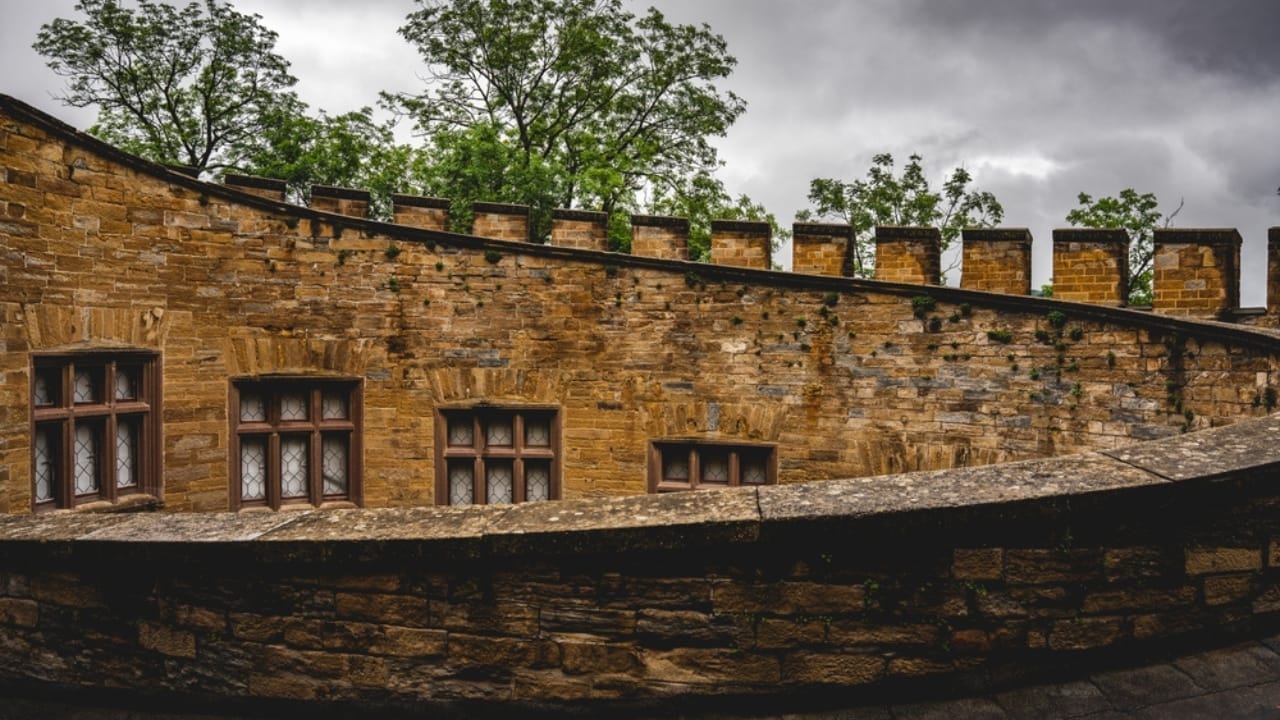
During World War II, Hohenzollern Castle was spared considerable damage, unlike many other historical sites in Europe. The castle’s well-preserved condition can be attributed in part to its location and the fact that it was not a strategic military target during the war.
This preservation allowed the castle to remain a prominent, post-war historical and tourist attraction.
10. Museum & Art Collection
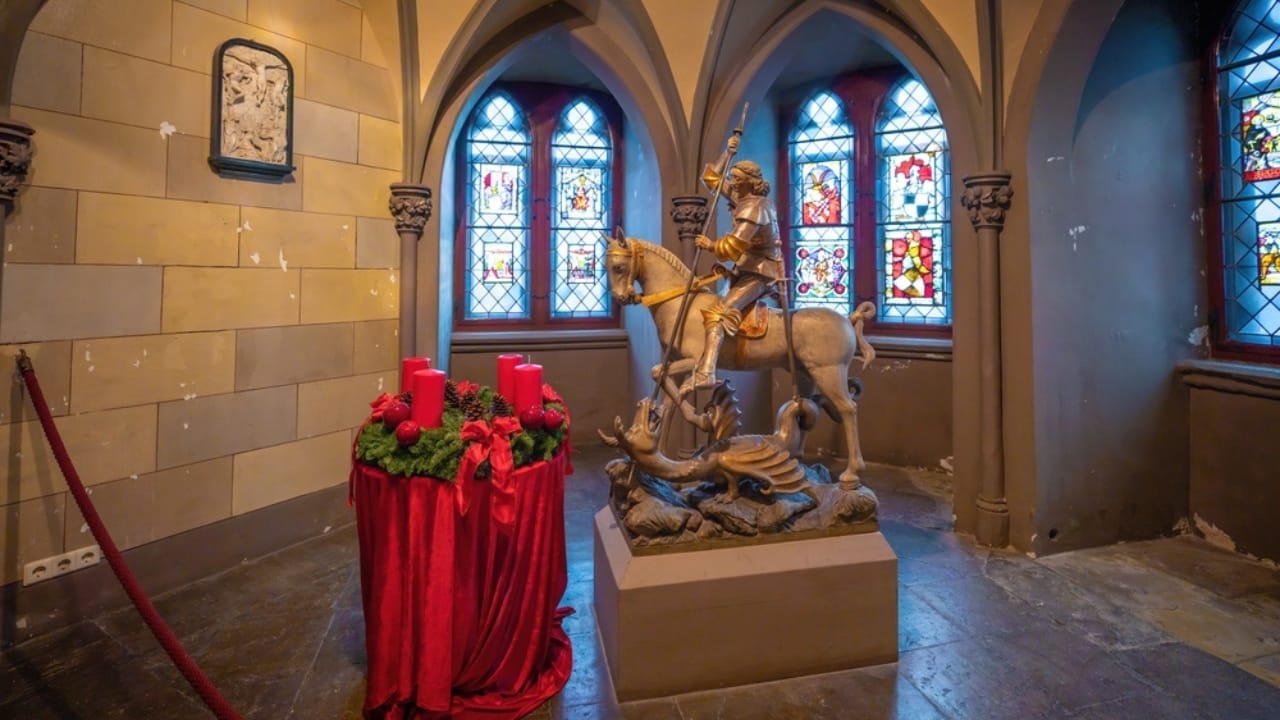
Today, Hohenzollern Castle operates as a museum, showcasing a rich collection of artifacts, artwork, and historical items related to the Hohenzollern family.
Visitors can explore the castle’s opulent rooms, including the Knights’ Hall, the Chapel, and the royal apartments, which reflect the grandeur and cultural heritage of the period.
Source:

Davin is a jack-of-all-trades but has professional training and experience in various home and garden subjects. He leans on other experts when needed and edits and fact-checks all articles. Also an aspiring cook we he researches and tries all kinds of different food recipes and shares what works best.