
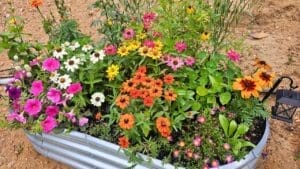
most gardens begin with a plan. neat rows. color charts. careful spacing.
a chaos garden begins with faith. you scatter seeds into the soil and let the earth decide what belongs where.
it’s gardening stripped of perfection and heavy rules. the kind of garden that feels alive because it refuses to obey. for those who crave beauty but are tired of control, a chaos garden offers relief.
it’s an act of trust, a quiet rebellion, and somehow, it works.
what a chaos garden really is
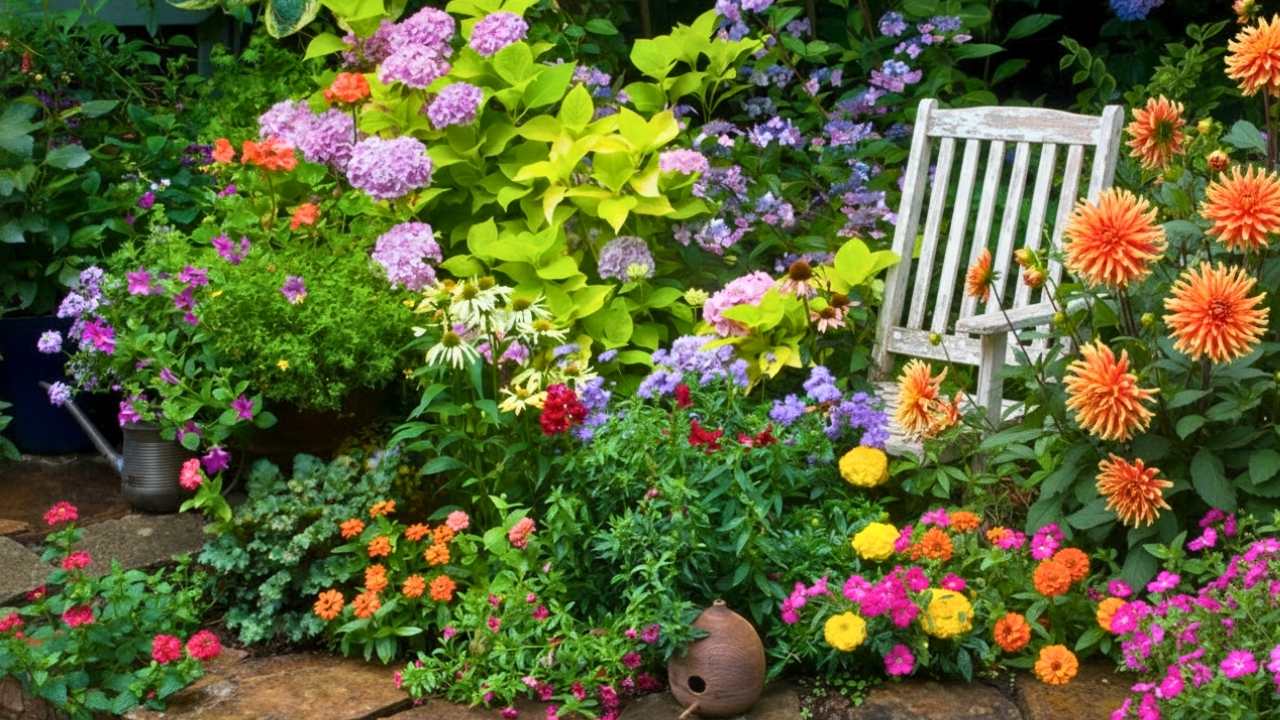
a chaos garden is simple. it’s a mix of flower seeds tossed freely across the soil instead of arranged in lines. some call it wild. others call it lazy. but what it really is, is honest.
in a chaos garden, cosmos brush against zinnias, marigolds lean into coneflowers, and poppies bloom wherever they please. nothing matches, yet everything fits. it’s the garden version of jazz—structured only by rhythm and mood, never by measure.
why people fall in love with it
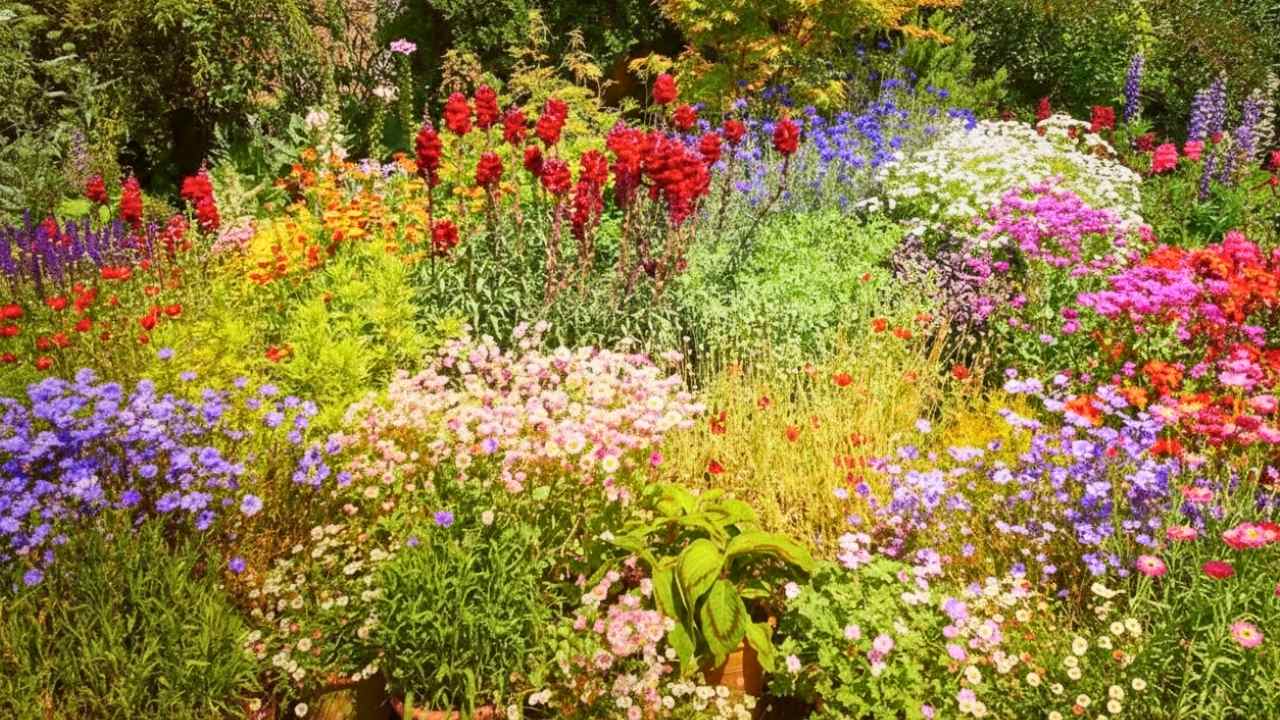
there’s a quiet joy in letting go.
a chaos garden gives you beauty without stress, and surprise without disappointment. every bloom feels earned.
it’s easy to love for a few reasons
• it’s low maintenance
• it attracts bees, butterflies, and hummingbirds
• it thrives without constant attention
• it forgives mistakes
more than that, it reminds you that nature knows more about beauty than you do.
how to start one yourself
you don’t need special tools. you need a sunny patch of ground and a few hours of free will.
choose your spot
find a place that gets at least six hours of sun. chaos gardens need light. if you have poor soil, that’s fine. most wildflowers like a challenge.
prepare the soil
pull out weeds or grass and loosen the top few inches. skip the fertilizer unless the soil is dead. too much richness makes flowers lazy.
mix your seeds
combine different shapes, colors, and bloom times. start with easy growers like cosmos, zinnias, marigolds, poppies, calendula, and bachelor’s buttons. add perennials such as coneflowers or black-eyed susans for long-term color.
you can buy pre-made wildflower mixes, but mixing your own gives the garden a signature look.
add a filler
blend your seeds with a bit of sand or sawdust. it helps spread them evenly when you toss them.
scatter and press
throw your seed mix across the soil. don’t overthink it. nature doesn’t. press the seeds lightly with your hands or a flat board so they touch the soil, but don’t bury them. light helps most wildflowers germinate.
water and wait
mist the ground until it’s damp. keep it moist until the first shoots appear. after that, water only when the soil dries out.
designing beauty inside the mess
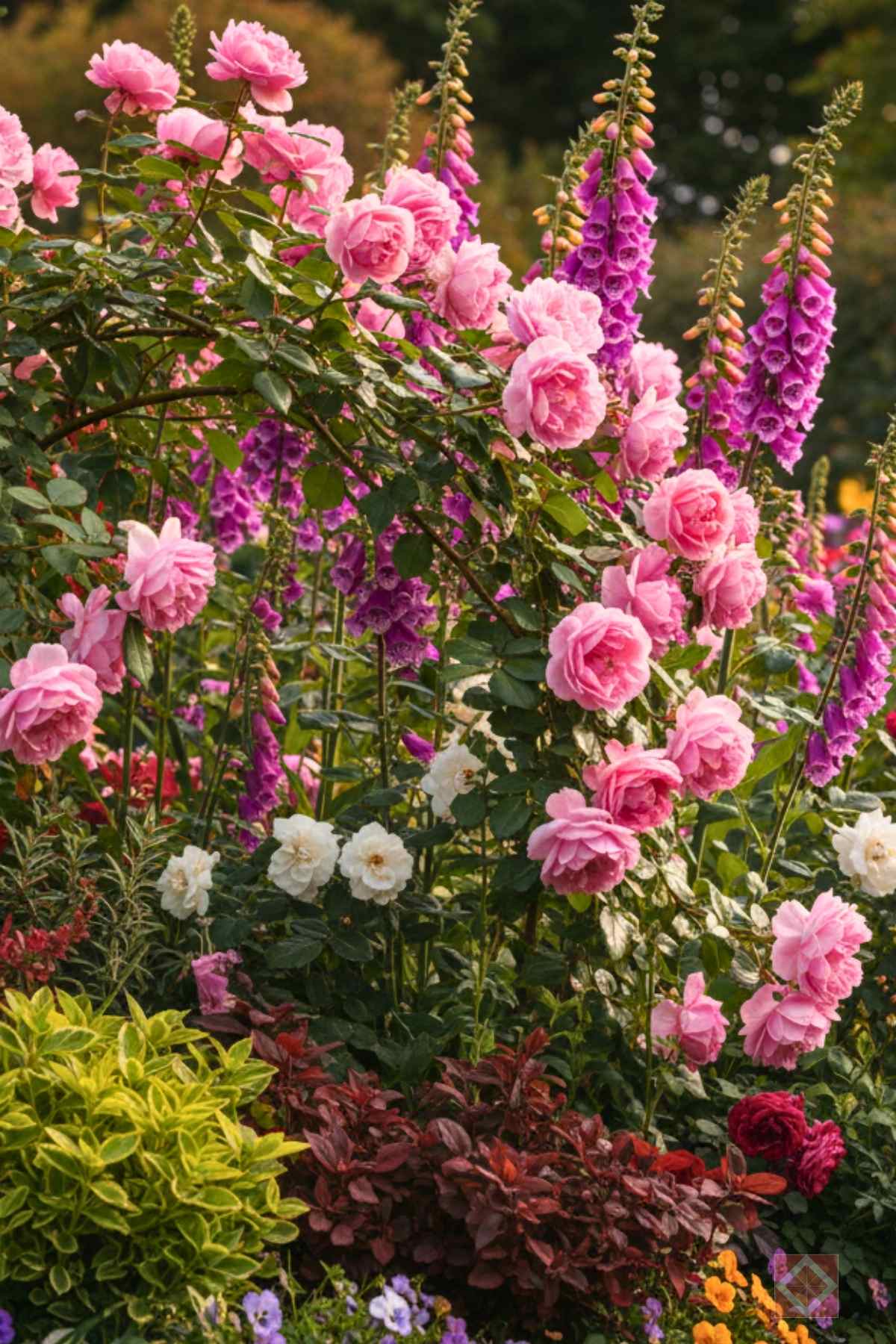
chaos looks best when framed by a little order. it’s the contrast that makes it beautiful.
add a border of stones or short plants like lavender. mix heights so tall cosmos and sunflowers rise behind shorter blooms. repeat a few colors so your eye can rest amid the noise.
a small path, a birdbath, or a weathered chair can anchor the wildness and turn randomness into art.
keeping it alive
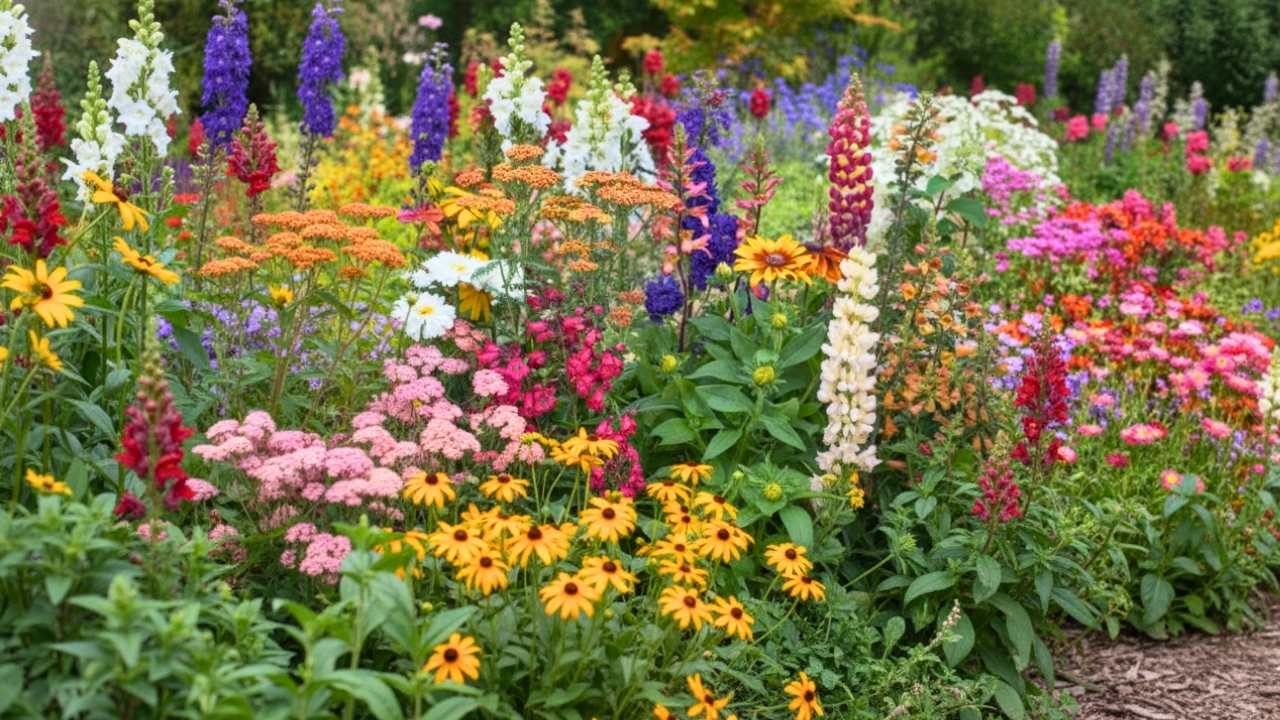
maintenance is light, but it matters.
water deeply during long dry spells. let flowers drop their seeds in autumn instead of deadheading them all. pull only the weeds that truly take over. leave the rest. they often fill gaps and protect young sprouts.
each year the garden changes. the strong reseed, the weak fade out, and the pattern finds its balance. that’s the beauty of it. you never step into the same chaos twice.
flowers that belong in a chaos garden
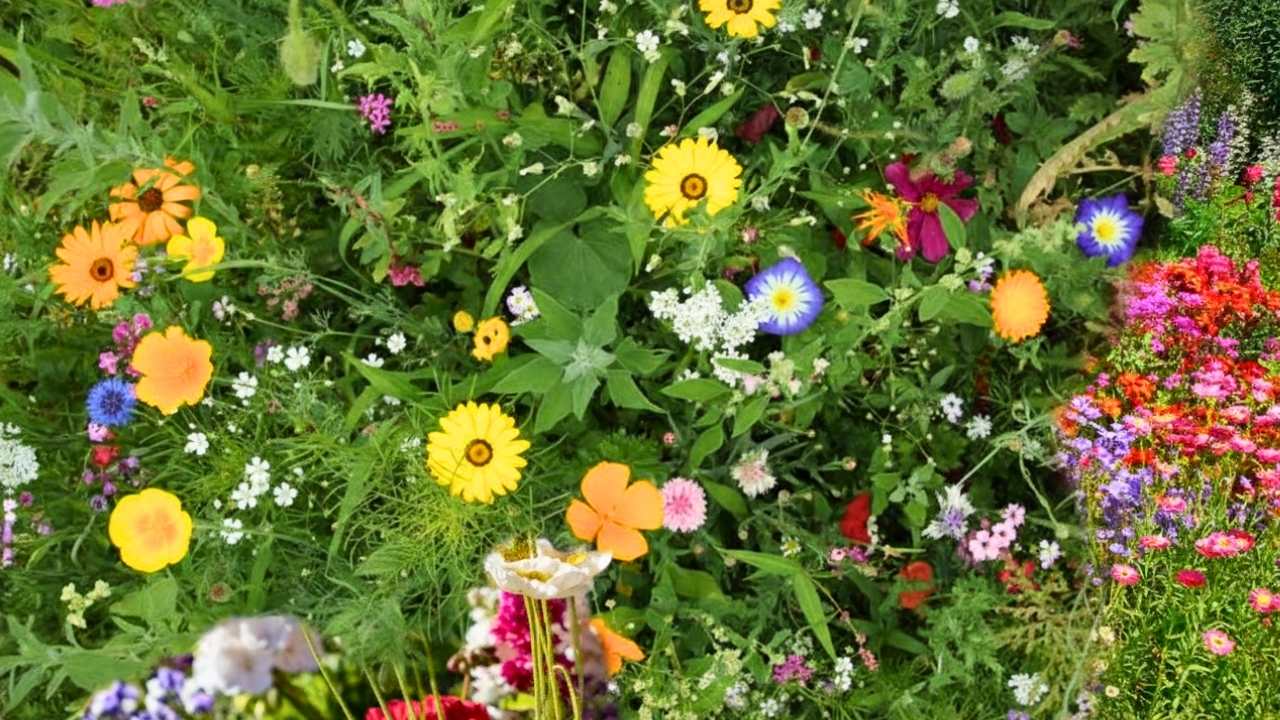
annuals like zinnias, cosmos, and poppies bloom fast and loud.
perennials like coneflowers, daisies, and coreopsis return every year.
self-seeders like calendula, bachelor’s buttons, and nigella come back on their own.
pollinator favorites like bee balm, larkspur, and alyssum keep the air alive.
mix at least one from each group and the garden will build itself over time.
common mistakes
the biggest one is overdoing it. too many seeds crowd each other out. scatter lightly and trust the survivors.
avoid soggy soil. most wildflowers hate wet feet.
avoid deep shade. they need sun to show off. and most of all, avoid impatience.
the first year may be green more than bloom. the second year rewards you for waiting.
making it your own
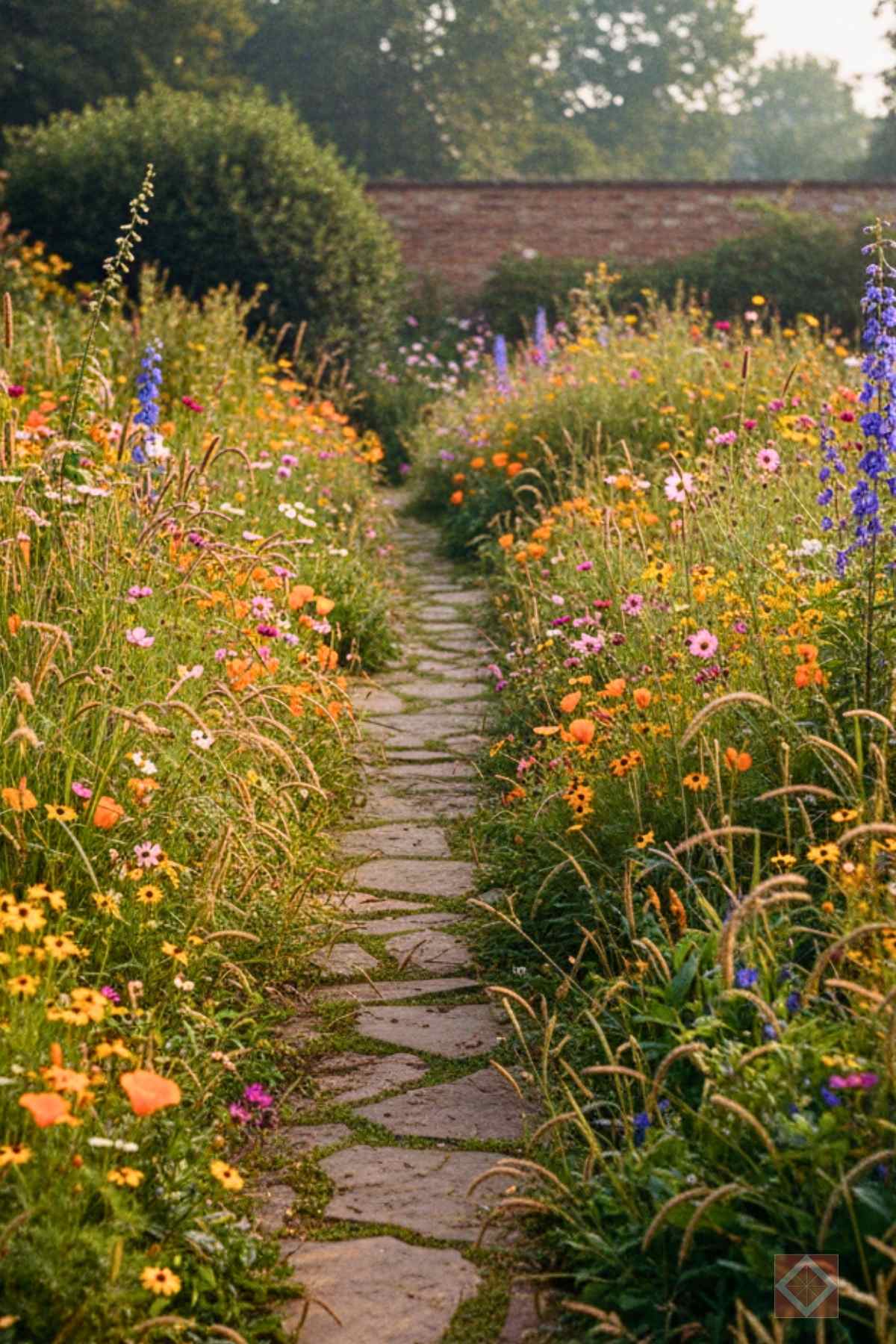
a chaos garden should carry your fingerprint. choose a color palette or theme if it helps you start. add herbs like dill and basil, or edible flowers like nasturtiums. plant ornamental grasses for movement.
let it evolve. let it teach you. this is a garden that refuses to be finished.
the quiet lesson
a chaos garden isn’t really about flowers. it’s about trust. it’s about learning to work with the earth instead of managing it.
when you walk through one in full bloom, you feel it. the hum of bees, the drift of petals, the sense that the world grows best when you stop telling it how.
scatter the seeds and let go. the garden will take it from there.

Davin is a jack-of-all-trades but has professional training and experience in various home and garden subjects. He leans on other experts when needed and edits and fact-checks all articles. Also an aspiring cook we he researches and tries all kinds of different food recipes and shares what works best.