
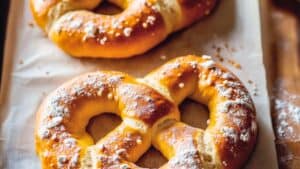
Chewy, golden brown, and deeply satisfying, classic pretzels offer the kind of bakery-style bite that stands far apart from the mall kiosk versions. With their rich mahogany finish and signature chew, these pretzels come from a technique that elevates simple bread dough into something remarkable.
This recipe delivers that signature deep flavor and texture by carefully balancing fermentation, shaping, and a dramatic final step that includes a lye bath—or a baking soda alternative for those who prefer a gentler process.
Why These Pretzels Stand Out
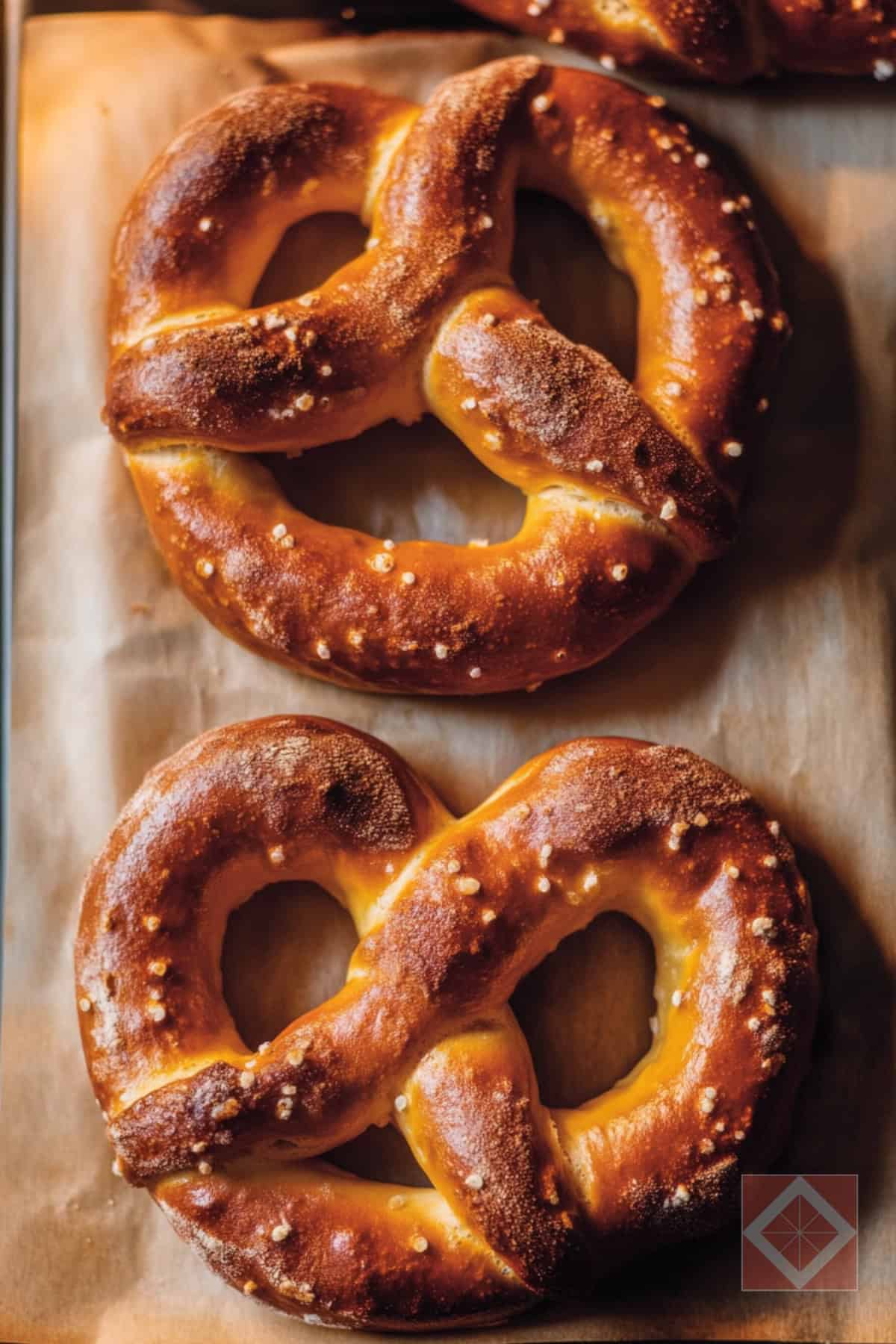
This isn’t just another bread recipe. These pretzels use a process that transforms a humble dough into something bold and unforgettable. Their rich color and iconic flavor are the result of dipping each piece into an alkaline solution before baking.
This quick dip is what sets this recipe apart from standard bread recipes, delivering the glossy, burnished crust that defines true pretzels. For those seeking recipes that go beyond the ordinary, this one captures bakery-level finesse in a home kitchen.
Timing is everything in this method. Although the total time stretches to about four hours, each stage is easy to follow, making it ideal for both casual weekend bakers and enthusiasts looking to fine-tune their craft.
From bulk fermentation to shaping and chilling, every step has a purpose—and skipping one could change the final result. But follow it closely, and the payoff is huge.
Texture, Color & Craft
Unlike many quick bread recipes, pretzel dough is fermented just enough to puff but not over-proofed, giving it a dense, chewy interior. The dough uses bread flour for added structure and is lightly enriched with butter, contributing just the right amount of softness and flavor without becoming cakey.
What really sets this dough apart is the attention to shaping. Each piece is rolled, stretched, and twisted with purpose, then rested again before baking.
That final chill locks in the structure, helping the pretzels keep their shape through the alkaline bath and oven heat. These aren’t pretzels that lose form or puff unevenly—they come out of the oven bold, defined, and golden.
Substitutions & Modifications
For those cautious about using lye, this recipe includes a reliable baking soda alternative. While lye provides the deepest color and flavor, the baking soda method still delivers excellent results.
Simply adjust the solution preparation as outlined, and continue following the method for shaping and baking as written.
There’s also a sourdough variation for bakers who maintain a starter. By prepping a preferment the night before, the dough gains added complexity and tang.
The method shifts slightly but sticks to the same clear progression—mix, ferment, preshape, chill, dip, and bake.
Tips for Best Results
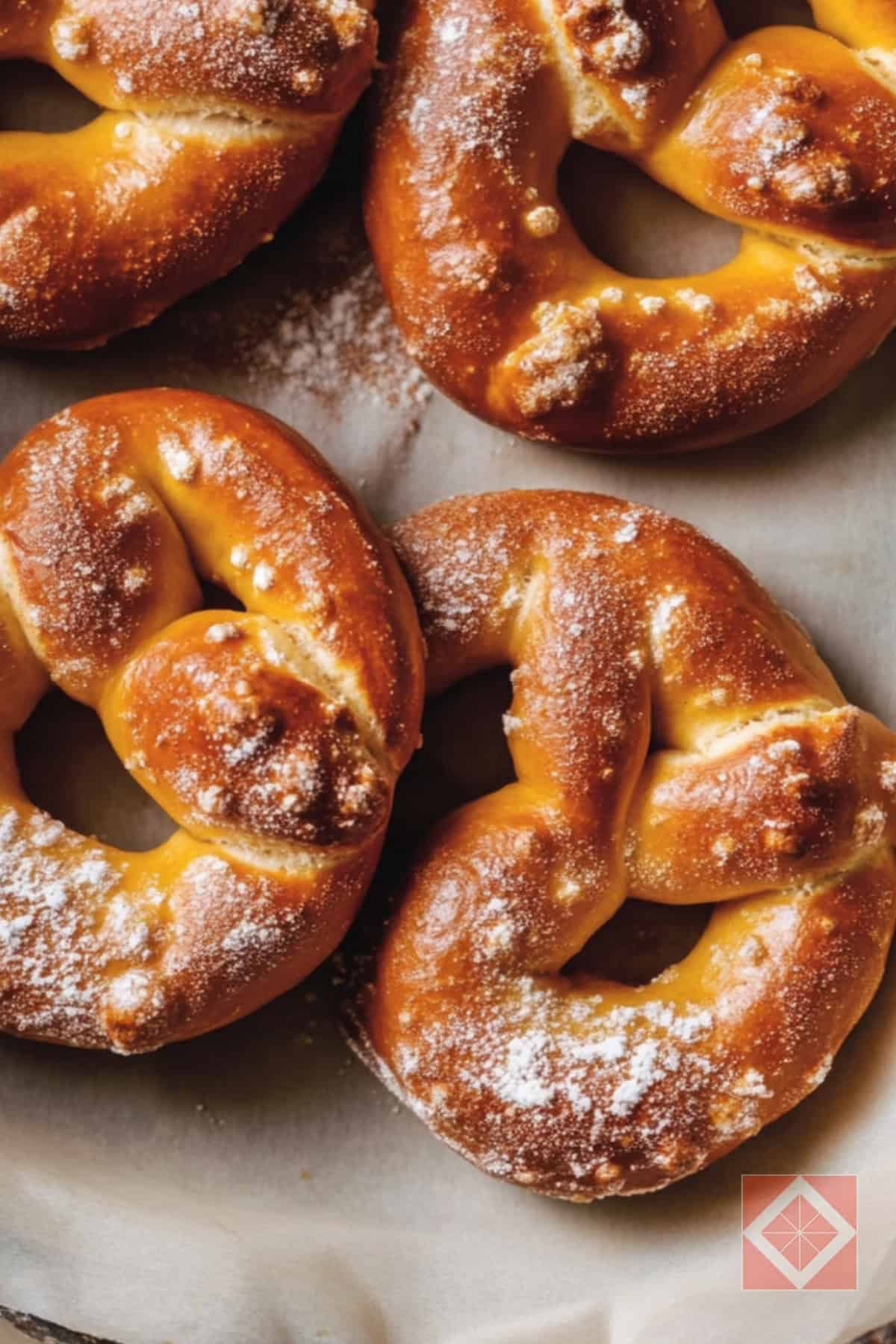
Pretzels are best baked on parchment and given plenty of room on the sheet tray. Spray or oil the parchment to prevent sticking—a critical step.
During shaping, aim for consistency in thickness to ensure even baking and avoid overproofing during any resting stage. Once dipped, work quickly so the dough doesn’t become soggy before hitting the heat.
Use a slotted spoon or spider to manage the dipping process with care, and make sure the alkaline bath is fully dissolved before using. Even with the baking soda version, a nonreactive bowl and spoon are essential for clean, safe handling.
Finally, don’t skip the salt topping. Pretzel salt isn’t just for looks—it enhances flavor and texture. A light hand works best; too much, and the crust can turn damp after baking.
These pretzels are at their peak the day they’re made. If storing, let them cool completely to preserve that satisfying crust.
For bakers ready to explore something beyond everyday bread, this recipe is both rewarding and surprisingly approachable. While it requires a few extra steps compared to simpler recipes, the results speak for themselves.
With options for customization and a method that emphasizes texture and taste, it’s a recipe worth mastering—and one that delivers real, crave-worthy pretzels every time.
Classic Pretzel Bread Recipe
Equipment
- Stand mixer (optional)
- Large bowl
- Plastic bowl scraper
- Parchment-lined baking sheets
- Bench knife
- Nonreactive bowl and spoon
- Wire rack
- Oven
Ingredients
Basic Version:
Dough:
- 3 cups unbleached bread flour plus more for dusting
- ¾ cup plus 3 tablespoons warm water
- 1½ tablespoons unsalted butter softened
- 1¼ teaspoons fine salt
- 1½ teaspoons instant yeast
Dipping & Topping:
- 1 cup plus 2 tablespoons water
- Scant 1 tablespoon food-grade lye optional
- 1½ to 2 teaspoons pretzel salt
Sourdough Variation:
The night before baking:
- 2 tablespoons sourdough culture
- ½ cup plus 2 tablespoons unbleached bread flour
- ¼ cup plus 1 tablespoon cold water 55°F to 60°F
Next day:
- 2¼ cups unbleached bread flour
- ½ cup plus 1 tablespoon warm water
- 1½ tablespoons unsalted butter softened
- 1¼ teaspoons fine salt
- ½ teaspoon instant yeast
No-Lye Water Bath Alternative:
- 6 cups water
- 2 tablespoons baking soda
- Bring to a boil in a deep pot. Lower pretzels into water with a slotted spoon for 20 seconds per side, then proceed to bake.
Instructions
- Make the Dough: In a stand mixer or by hand, combine the flour, water, butter, salt, and yeast. Mix until a shaggy dough forms. Knead until smooth and stretchy, about 8 to 10 minutes by hand or 6 minutes in a mixer. Cover and let rest until puffy but not necessarily doubled, about 1 to 1½ hours.
- Divide and Preshape: Lightly flour your surface and transfer the dough out. Deflate gently, divide into six pieces (about 3.5 oz each), and roll each into a 4-inch log. Place seam-side down and rest, covered, for 20 minutes.
- Shape the Pretzels: Roll each log into an 18-inch rope with the center thicker than the ends. Form a U shape, twist the ends twice, and fold them down to overlap the base of the U. Press gently to seal. Place on a parchment-lined baking sheet. Cover and refrigerate for 1 hour.
- Preheat the Oven: Heat oven to 425°F and set a rack in the center. Line another sheet with parchment and spray with nonstick spray.
- Dip the Pretzels (Lye Method): Put on gloves, goggles, and protective clothing. In a nonreactive bowl, dissolve the lye in the measured water, stirring carefully. Dip each pretzel, one at a time, face down. Let excess drip off on a wire rack, then transfer to prepared sheet. Sprinkle each with pretzel salt.
- Bake: Bake until glossy and deeply browned, 20 to 25 minutes. Rotate the pan halfway through. Let cool directly on the baking sheet.
Notes
- Use baking soda water bath for a safer method with slightly milder results.
- Shaped pretzels can be refrigerated before dipping for better structure.
- Avoid storing pretzels with salt if keeping overnight; the salt may melt and make them soggy.

Davin is a jack-of-all-trades but has professional training and experience in various home and garden subjects. He leans on other experts when needed and edits and fact-checks all articles. Also an aspiring cook we he researches and tries all kinds of different food recipes and shares what works best.