
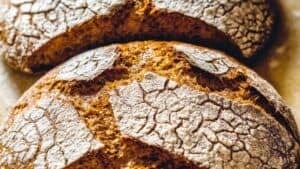
Tourte au seigle, or rye bread, is one of those rare recipes that commands attention from the moment it enters the oven.
With its deeply browned crust, nutty aroma, and distinctive cracked top, this bread is anything but ordinary. It’s the kind of loaf that looks rustic yet refined, and it rewards patient bakers with texture, flavor, and visual appeal in every slice.
Why This Bread Deserves a Spot in Every Baker’s Rotation
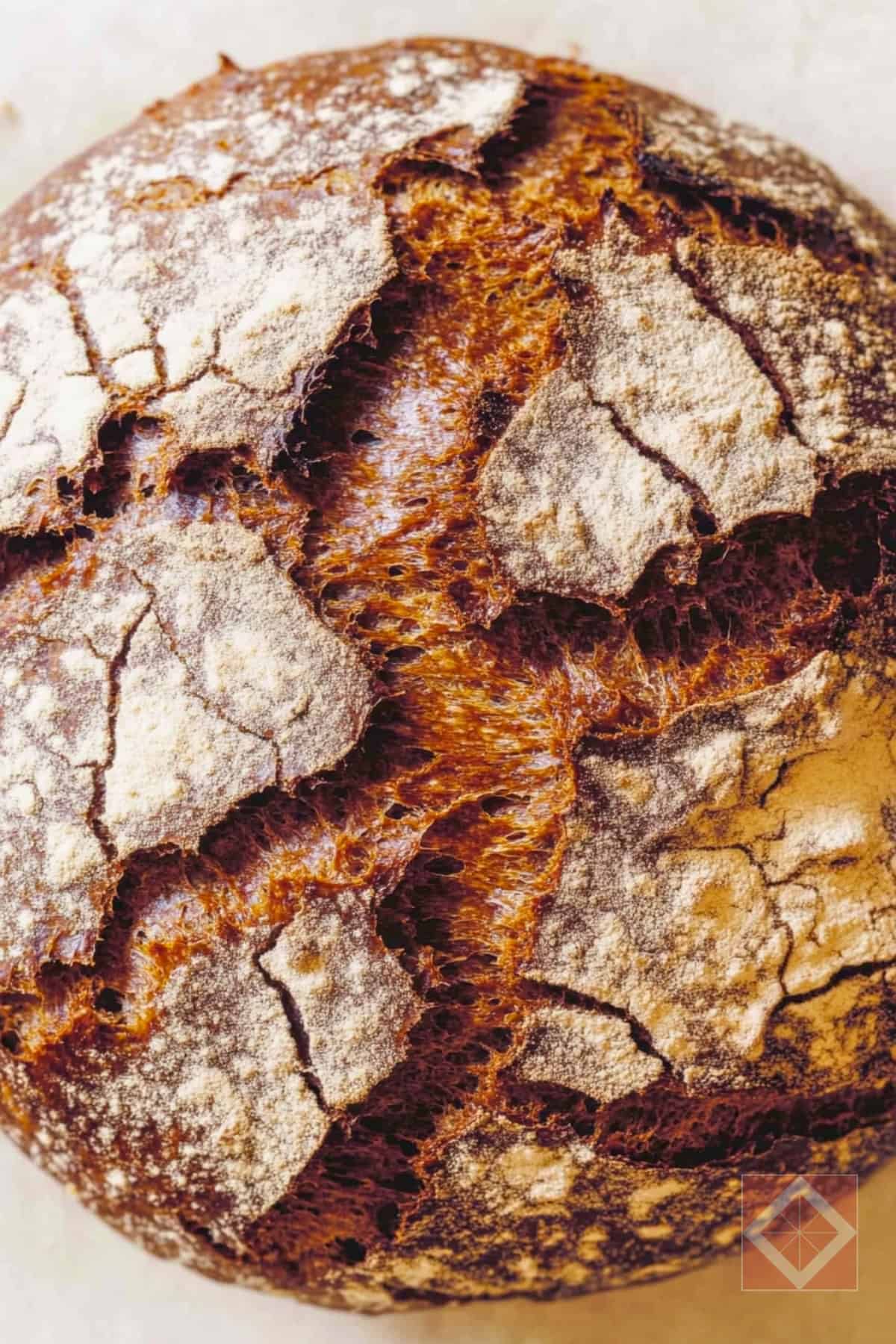
This recipe is a standout among rustic bread styles. From the use of sourdough culture in the preferment to the toasted rye flour that intensifies its flavor, every step is designed to coax complexity from the simplest ingredients.
It’s a methodical process, taking about 18½ hours from start to finish, but it delivers something truly unique—a loaf with earthy richness, slight tang, and a hearty chew that elevates any meal.
What sets this bread apart from other recipes is the combination of techniques. Toasting the rye flour before it ever touches water brings out a deep, roasted note that becomes the backbone of the flavor.
Incorporating that into both the preferment and final dough creates a depth that lingers.
Structure, Patience, & Payoff
The process begins with an overnight preferment, where sourdough culture, flour, and cold water are mixed and left to develop flavor and fermentation.
This step is critical—it builds the foundation for the rise, structure, and overall complexity of the finished loaf.
Day two introduces the dough-building phase, where toasted rye flour is combined with the preferment, unbleached bread flour, salt, instant yeast, and a hint of honey.
Warm water helps bind the mixture into a cohesive, sticky dough. The dough is noticeably different from wheat-based breads—it’s denser, stickier, and requires a gentle but firm hand during shaping.
Techniques That Make the Difference
A key technique in this recipe is vigorous hand mixing using a clawlike motion.
While some modern recipes rely on stand mixers to do the heavy lifting, this one embraces the hands-on approach. This builds strength into the dough and ensures thorough hydration.
After an initial rise, the dough is divided, shaped into rounds, and placed seam side up into proofing baskets dusted with flour.
A final short proof allows for just enough rise before baking. At this stage, natural cracking begins to form on the surface, creating the distinctive finish this bread is known for.
Two Baking Paths, Same Delicious Result
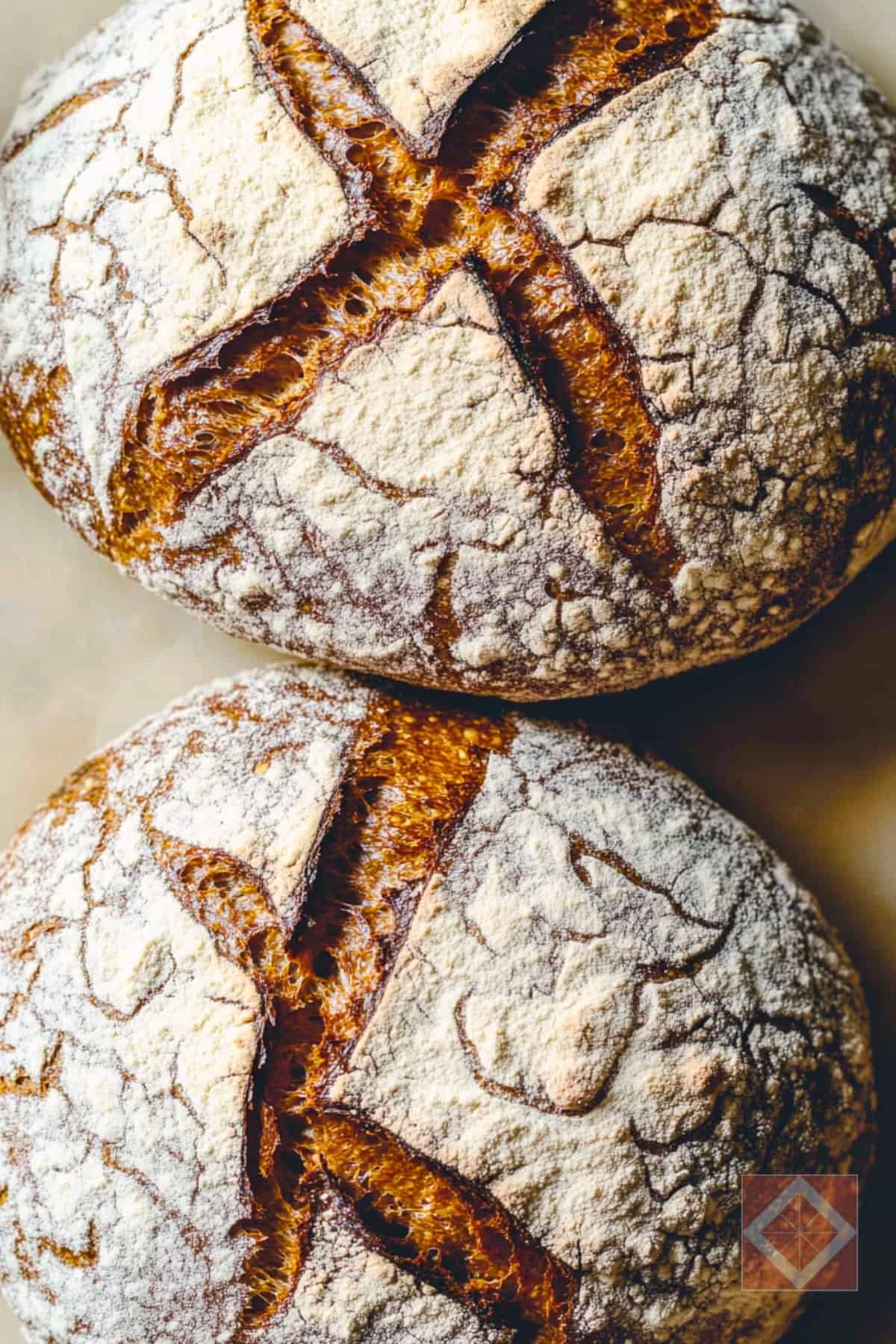
There are two baking methods offered for this bread: one using a baking stone or steel, and the other using a covered baker. Both yield excellent results but offer slightly different crust profiles.
Baking on a stone or steel, with a steam source like an empty skillet filled with water, encourages a crackling crust and excellent oven spring.
The covered baker method, on the other hand, traps steam more efficiently within the vessel, giving the crust a more uniform, blistered appearance.
Whichever method is used, this recipe ensures that the interior remains moist and tender, while the exterior bakes to a deep mahogany hue.
The finished loaves cool on a wire rack, firming up and developing their signature crust crackle as they rest.
Ideal for Sharing, Slicing, or Showcasing
Each batch makes two loaves—perfect for sharing or freezing. This bread pairs beautifully with strong cheeses, cured meats, and anything that benefits from a hearty, flavorful base.
It also stands strong on its own, toasted and slathered with butter, or sliced thin as part of a charcuterie board.
Whether served at a gathering or stashed in the freezer for future meals, this bread brings serious value.
It’s one of those recipes that feels artisanal and homemade at the same time, bridging the gap between casual weekday meal prep and impressive weekend baking.
A Recipe Worth Repeating
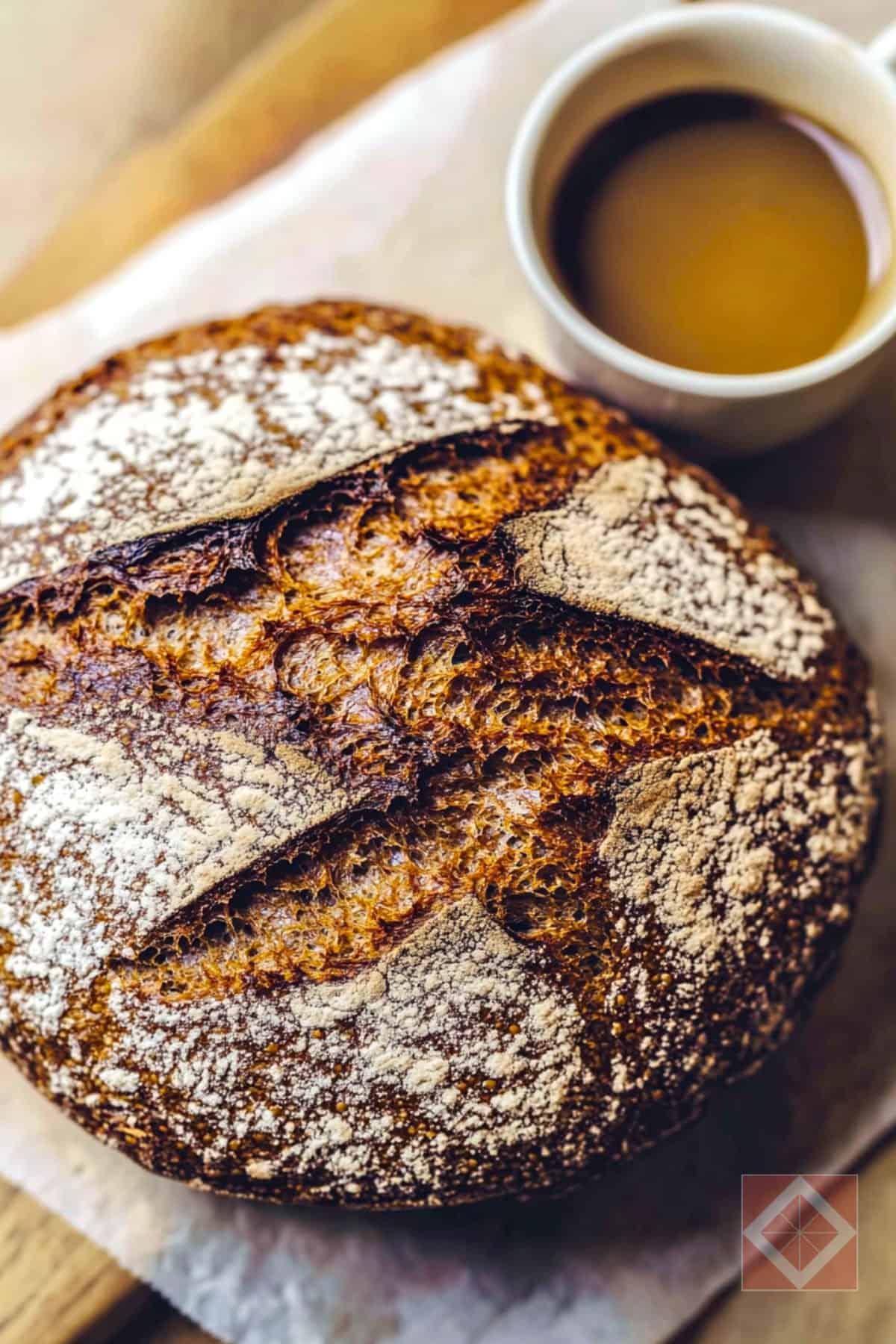
Among the many recipes floating around the sourdough and artisan baking world, tourte au seigle earns its place as a repeat favorite.
Its process may be hands-on and time-consuming, but the result is undeniably rewarding.
For those who appreciate a bread with character, substance, and just a touch of fermentation magic, this rye loaf delivers.
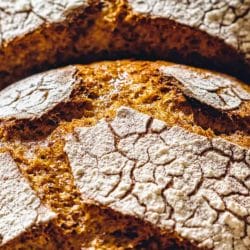
Tourte au seigle – Rye Bread Recipe
Equipment
- Mixing bowls
- Bench knife or dough scraper
- Parchment paper
- Baking stone, baking steel, or covered baker
- Proofing baskets (9 x 3-inch round)
- Cast iron skillet or lava rocks (for steam)
- Oven mitts
Ingredients
Preferment
- 3 tablespoons sourdough culture
- 4 cups whole rye flour
- 1½ cups cold water 55° to 60°F
Dough
- 2 cups plus 3 tablespoons warm water
- 2½ cups plus 1 tablespoon unbleached bread flour
- 3¾ teaspoons fine salt
- 2 teaspoons instant yeast
- 3 tablespoons honey
- 3 scant cups whole rye flour plus more for dusting
Instructions
Day 1: Prepare Preferment
- In a large bowl, stir together sourdough starter, rye flour, and cold water until fully combined—no visible flour should remain.
- Cover and let sit at room temperature for 12 to 16 hours.
Toast Rye Flour
- Preheat oven to 350°F. Spread the rye flour on a parchment-lined baking sheet.
- Toast in the oven for about 20 minutes, stirring every 5 minutes, until the flour smells rich and nutty and darkens in color. Alternatively, toast in a skillet over medium-high heat, stirring constantly for 5 to 7 minutes.
- Let the flour cool, then store in a covered bowl until needed.
Day 2: Make the Dough
- Pour warm water into the preferment and use your hands to break it up.
- Mix thoroughly using a claw motion until fully blended—the texture should resemble lumpy pancake batter.
- Add toasted rye flour, bread flour, salt, yeast, and honey.
- Mix by hand until no dry flour remains and dough becomes slightly less sticky and puffy—about 45 minutes.
Shape and Final Rise
- Dust two 9 x 3-inch round proofing baskets with rye flour.
- Lightly flour a clean work surface, then use a dough scraper to move dough from the bowl.
- Flatten and divide into two equal portions (around 1,000g each). Shape into rounds by folding gently.
- Place dough rounds seam-side up in the baskets. Let rise until less dense and slightly puffed, about 30 to 45 minutes.
Baking Instructions
Option 1: Baking Stone or Steel
- Preheat oven to 450°F. Place a baking stone or steel on the center rack and a cast iron skillet or lava rocks on the lower rack.
- When ready to bake, turn dough out (seam-side down) onto parchment paper. Rest 20 to 30 minutes until cracks appear on the surface.
- Transfer parchment with loaves to the baking surface. Pour 1 cup warm water into the hot skillet to generate steam. Quickly close the oven.
- Bake for 40 to 45 minutes until crust is dark and firm. Cool on wire rack.
Option 2: Covered Baker
- Place the covered baker in the lower oven third and preheat to 450°F for 1 hour.
- Turn one loaf out onto parchment using a sling. Let rest 20 to 30 minutes until cracks form.
- Lift the loaf into the hot baker using the sling. Cover and bake for 25 minutes.
- Remove the lid and continue baking until the crust is deep brown and internal temperature reaches 210°F, about 20 more minutes.
- Remove and let cool fully on a wire rack. Repeat with second loaf after reheating the covered baker.
Notes
- Toasting the rye flour enhances the flavor and color of the bread.
- You can refrigerate the second loaf while baking the first to prevent overproofing.
- Always use caution when handling steam during baking—wear oven mitts for protection.
- Fully cool loaves before slicing to preserve crumb texture.

Davin is a jack-of-all-trades but has professional training and experience in various home and garden subjects. He leans on other experts when needed and edits and fact-checks all articles. Also an aspiring cook we he researches and tries all kinds of different food recipes and shares what works best.