
Some recipes aren’t just food—they’re stories. ANZAC biscuits are one of those. First baked during World War I, they’re more than a treat.
They’re a reminder of resilience, of homes waiting across the sea, and of the simple power of a tin of biscuits sent with love.
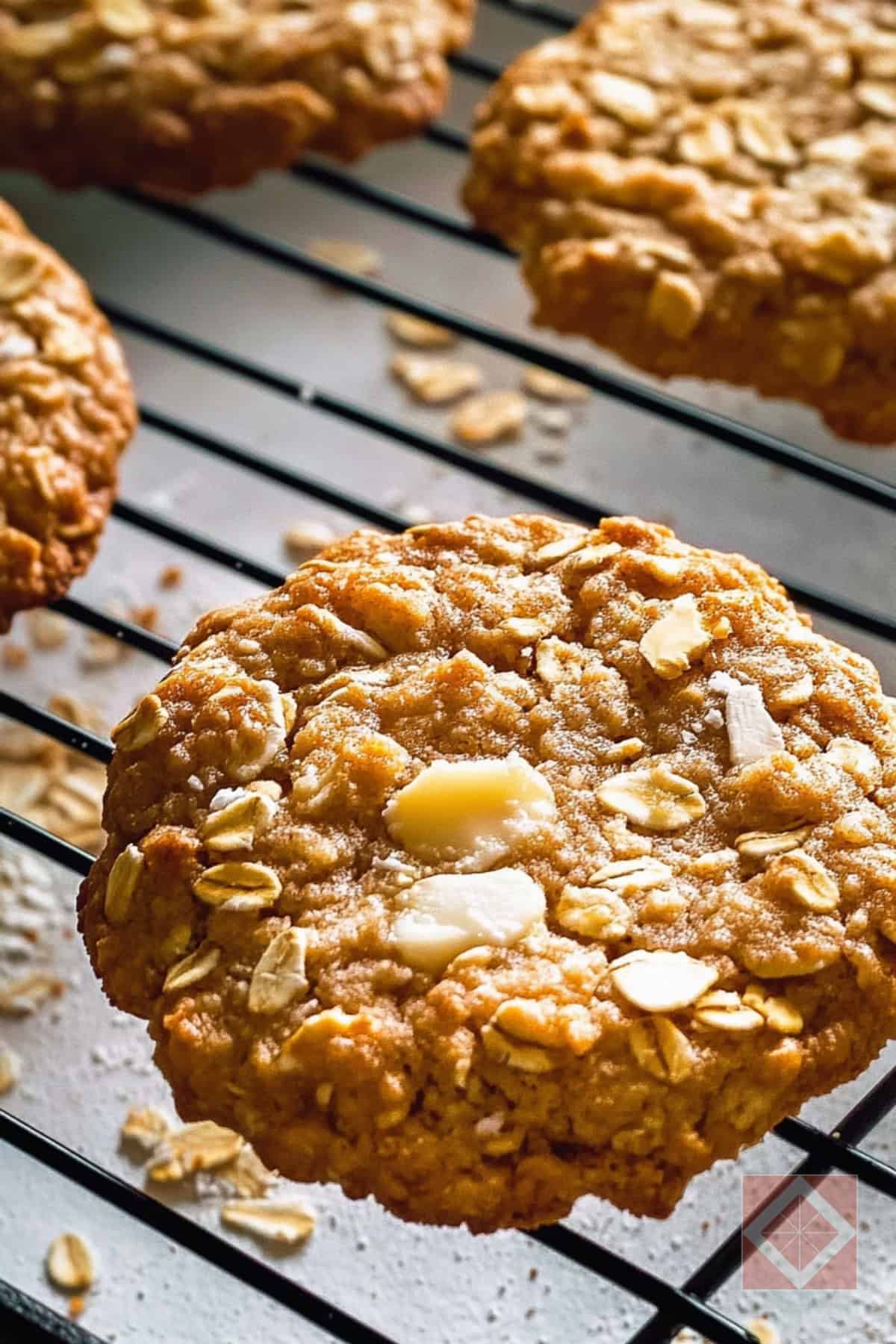
With their golden edges, soft centers, and caramel warmth from syrup and oats, ANZAC biscuits have earned their place in kitchens from 1915 to now—and they’ve barely changed along the way.
Born from Simplicity and Necessity
The 1910s weren’t exactly an easy time for baking. During the war, people had to work with what lasted: flour, sugar, oats, and golden syrup—things that could be shipped, stored, and stretched.
These biscuits were designed for durability. No eggs meant they could go the distance, making them perfect for mailing to soldiers overseas.
Whether or not they ever made it into official army rations is debatable, but what’s certain is that they became a symbol of home, care, and comfort.
The name itself—ANZAC—comes from the Australian and New Zealand Army Corps. And while the biscuit may not have been battlefield food, it’s deeply tied to wartime kitchens and the people keeping traditions alive back home.
What Makes an ANZAC Biscuit Special
There’s something about the texture—just the right mix of crisp and chewy. Unlike most cookies, ANZAC biscuits don’t rely on eggs for structure. Instead, golden syrup, butter, and baking soda do the work.
That little fizz you get when the hot butter and syrup hit the soda? That’s what gives these biscuits their lift and lightness.
Golden syrup isn’t just a sweetener—it’s the flavor backbone. It adds that caramel, toasty richness that plays so well with oats and coconut.
If you can’t find it, a mix of light corn syrup and a spoonful of molasses (roughly 3:1 ratio) works surprisingly well.
Simple Variations That Still Honor the Original
The base recipe hasn’t changed much in over a century, but it’s flexible if you need it to be:
- Gluten-free? Use a GF flour blend or almond flour instead of all-purpose.
- Vegan? Swap the butter for coconut oil or plant-based margarine.
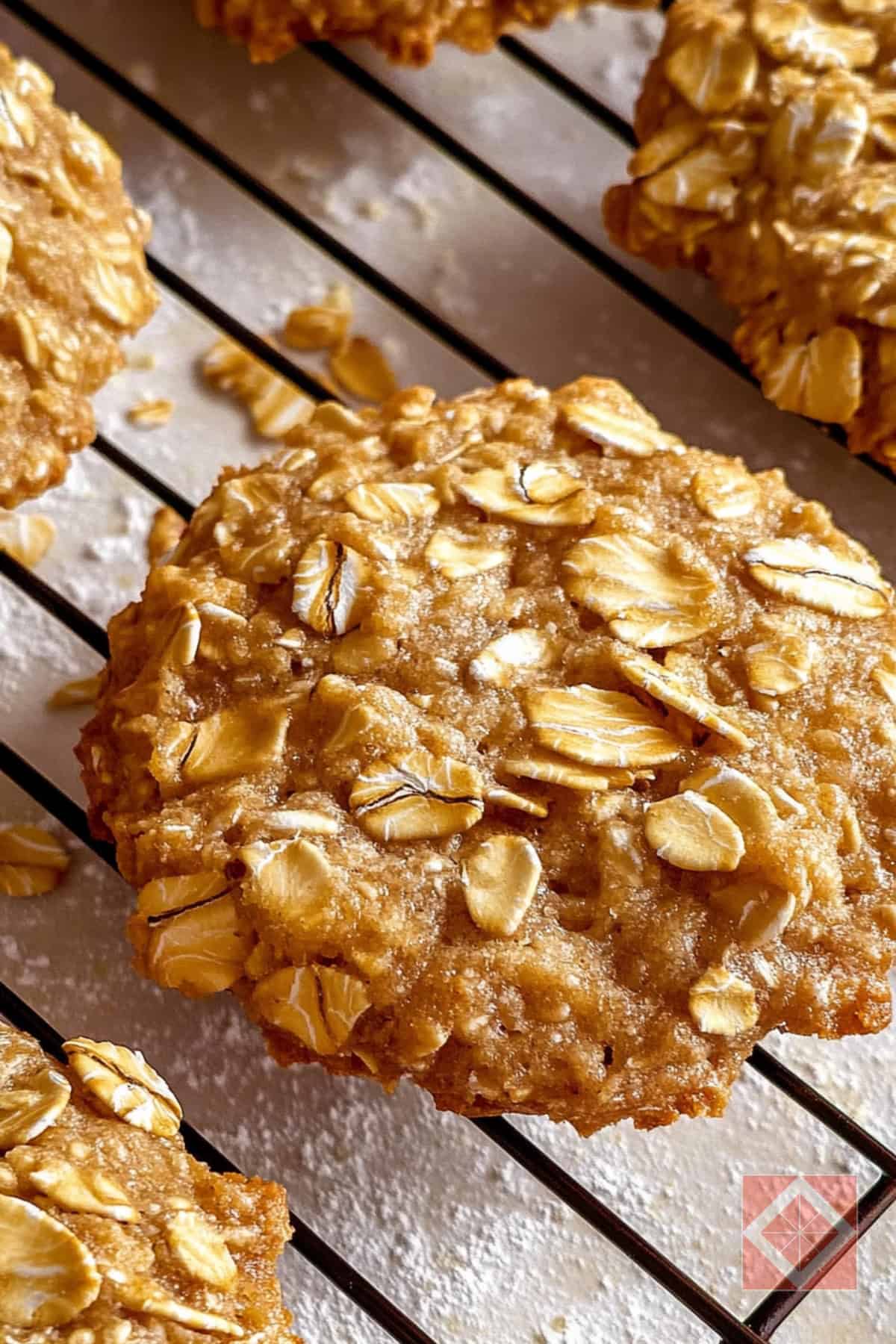
- Want it chewier? Just shave a minute or two off the bake time.
- Like it crisp? Leave them in the oven a touch longer for that classic crunch.
Whatever version you make, the heart of the biscuit stays the same.
Not Just a Snack—A Piece of Cultural Memory
Every April 25th, ANZAC biscuits are baked across Australia and New Zealand to mark ANZAC Day—a day of remembrance for soldiers who served in war.
But these biscuits don’t only belong to history books or memorial tables. They’re everyday comfort, something you can make and share any time.
Their staying power isn’t just about flavor—it’s about the feeling they bring. A little warmth, a little sweetness, and a lot of heart.
Still the Same, Still Worth Baking
There’s a reason people keep returning to this recipe. It’s simple, reliable, and satisfying. You don’t need a mixer.
You don’t need special equipment. Just a saucepan, a spoon, and a baking tray. That’s how people made them in the 1910s, and it still works just fine today.
Whether you bake a batch to share, to honor tradition, or just because you’re craving something timeless, ANZAC biscuits deliver. They always have.
Old-Fashioned ANZAC Biscuits – A 1910s Recipe
Ingredients
- 1 cup rolled oats
- 1 ¼ cups all-purpose flour
- 1 cup unsweetened shredded coconut
- ¾ cup granulated sugar
- ¼ teaspoon salt
- ⅔ cup butter softened
- ¼ cup golden syrup or substitute with 3 tbsp light corn syrup + 1 tbsp molasses
- 1 teaspoon baking soda
Instructions
- Preheat the oven to 350°F and prepare a baking sheet by lining it with parchment paper or lightly greasing it.
- Mix dry ingredients in a large bowl: combine rolled oats, flour, coconut, sugar, and salt.
- Heat wet ingredients in a saucepan over medium heat until the butter melts completely. Stir together the butter and golden syrup.
- Add baking soda to the warm mixture and stir briefly. It will begin to foam slightly.
- Combine wet and dry ingredients by pouring the liquid mixture into the dry ingredients. Stir just until incorporated.
- Shape the biscuits by dropping tablespoon-sized portions onto the prepared baking sheet, spacing them slightly apart.
- Bake for 9-11 minutes or until golden brown. Let them cool briefly on the baking sheet before transferring to a wire rack to cool completely.
Notes
Source:

Davin is a jack-of-all-trades but has professional training and experience in various home and garden subjects. He leans on other experts when needed and edits and fact-checks all articles. Also an aspiring cook we he researches and tries all kinds of different food recipes and shares what works best.