
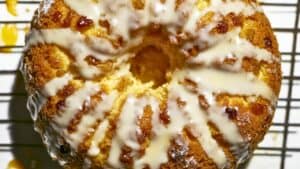
The election cake is a relic from American history, proving the rich tradition of old recipes that have been passed down for centuries.
Unlike modern cakes that rely on chemical leaveners like baking powder and soda, this cake is yeast-risen, giving it a texture and flavor reminiscent of spiced fruit bread.
Over time, it evolved into a staple of American election days, symbolizing community gatherings and celebrations.
The Unique Characteristics of Election Cake
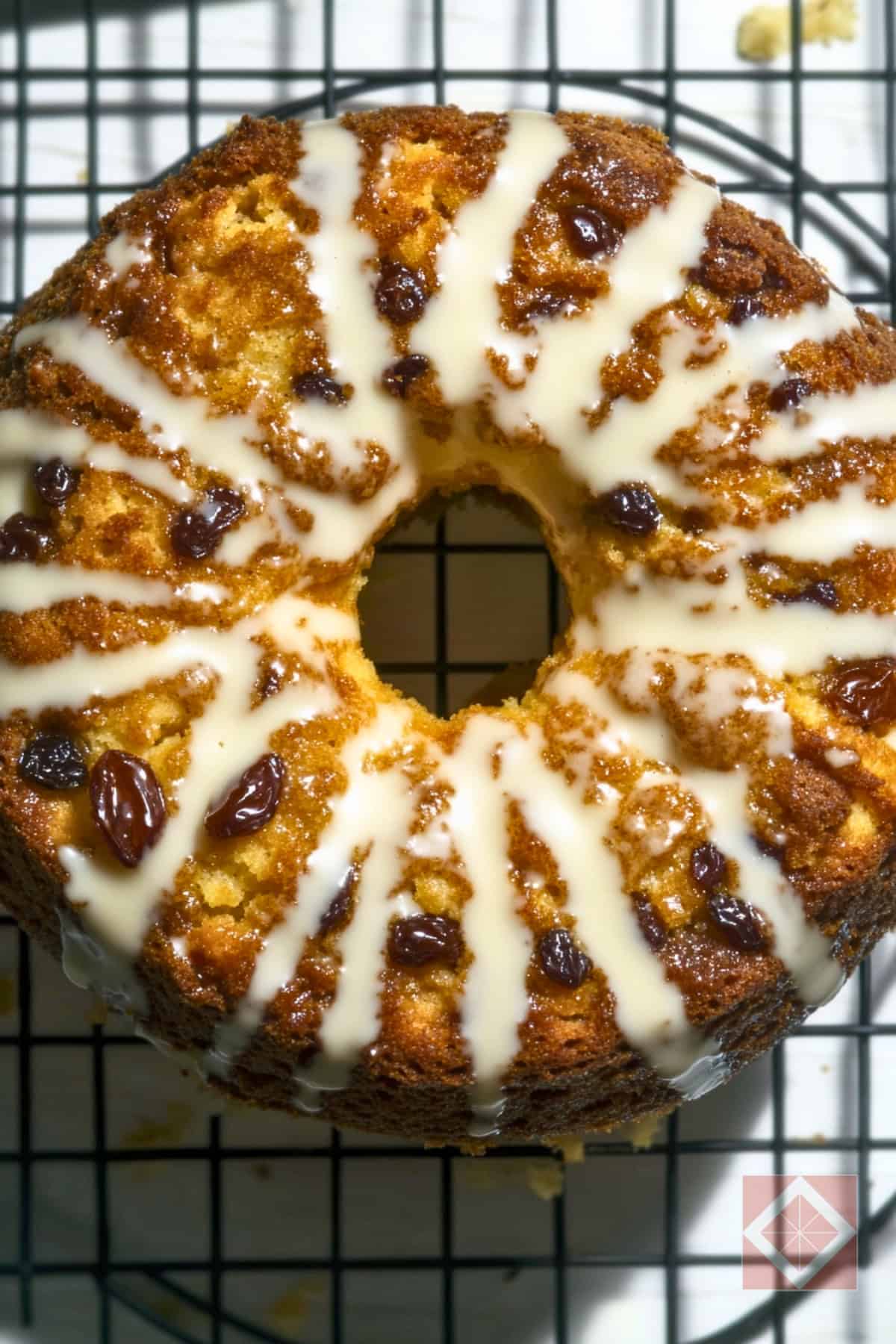
One of the most distinguishing features of election cake is its use of yeast instead of baking powder or soda. This technique, more commonly associated with bread-making, gives the cake a slightly chewy and airy texture.
The inclusion of brandy-soaked dried fruits, such as raisins and currants, adds depth and sweetness, while the warm spices create a comforting aroma.
The cake is traditionally baked in a large Bundt or tube pan, ensuring even baking and a classic ring shape.
Another notable characteristic is the glaze that often accompanies the cake. A simple blend of milk, butter, powdered sugar, and vanilla creates a thin, sweet layer that enhances the flavor and adds a touch of elegance.
Chopped pecans provide a slight crunch, offering a contrast to the soft and moist cake.
Why This Cake Stands the Test of Time
Unlike many modern cakes, election cake is designed to be durable and long-lasting. The combination of dried fruits and alcohol helps preserve its freshness, making it an ideal choice for large gatherings and celebrations.
In the past, these cakes were often baked in advance and stored for days before serving, allowing the flavors to meld together beautifully.
Beyond its practicality, election cake carries historical significance. It represents a time when baking was a communal activity, and sharing food was a way to bring people together.
In an era before commercial bakeries and pre-packaged desserts, cakes like this were a labor of love, requiring patience and skill.
Tips for Modern Bakers
For those who enjoy experimenting with old recipes, making an election cake is a rewarding experience.
While the traditional version requires yeast and a long rising time, some bakers opt to speed up the process by using modern leavening agents.
However, sticking to the original method provides the most authentic texture and taste.
Here are a few tips for achieving the best results:
- Use high-quality dried fruits: Golden raisins, currants, and seedless raisins provide the best balance of sweetness and texture. Soaking them in brandy or another preferred liquor enhances their flavor.
- Give the sponge time to rise: Yeast requires patience. Allowing the sponge to develop for at least 30 minutes before incorporating it into the cake batter ensures a light and fluffy texture.
- Incorporate spices generously: The warmth of cinnamon, nutmeg, cloves, and ginger is essential to achieving the characteristic taste of election cake. Freshly ground spices will produce the most aromatic result.
- Use a well-greased Bundt pan: Since the batter is thicker than a standard cake mix, greasing and flouring the pan thoroughly prevents sticking and ensures a smooth release.
Bringing a Piece of History to the Table
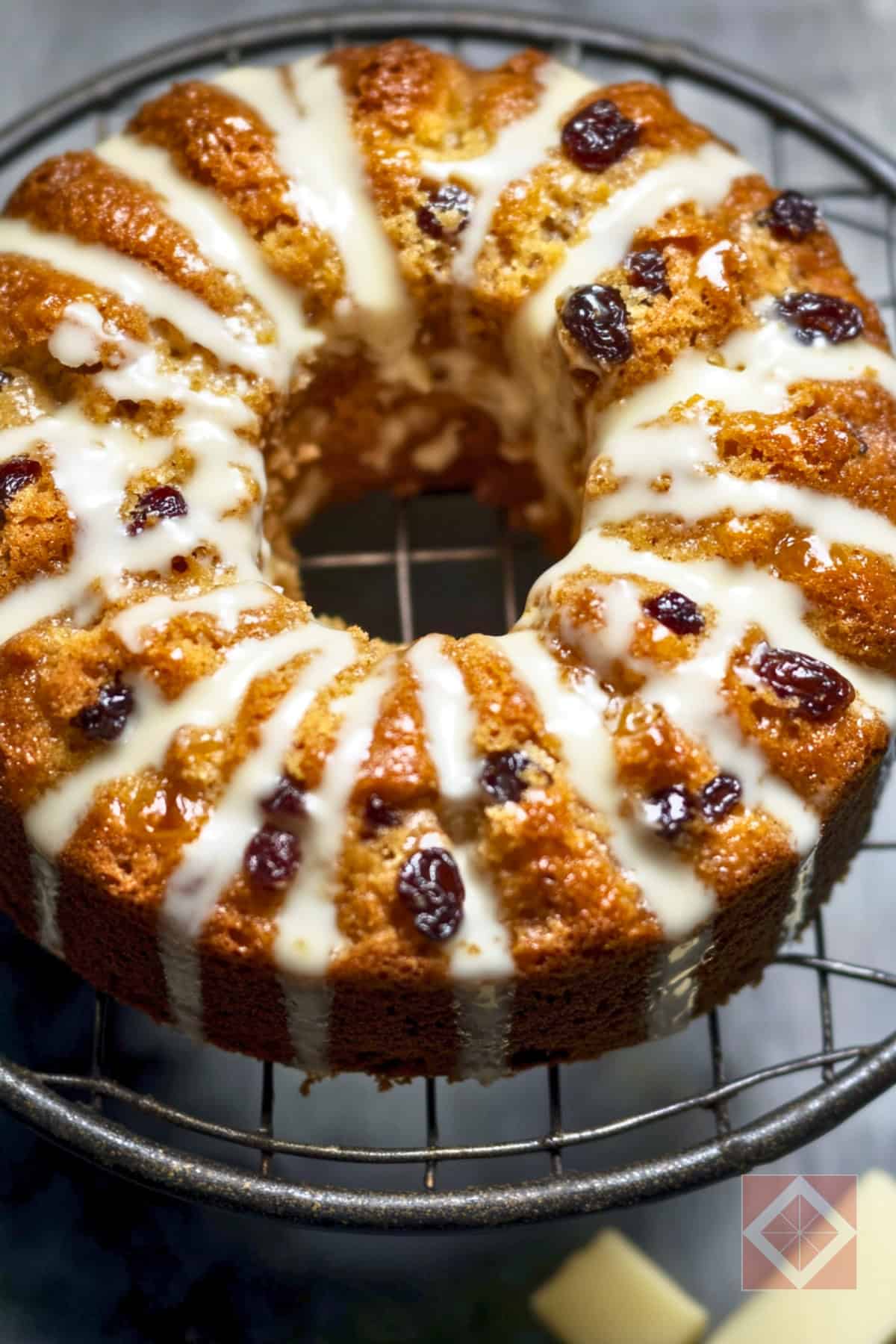
Baking an election cake is more than just preparing a dessert—it’s an opportunity to connect with history.
This cake embodies the resilience and traditions of early American bakers, carrying the flavors and stories of the past into modern kitchens.
1900s Election Cake
Ingredients
Sponge
- 2 packets active dry yeast 5 1/4 teaspoons total
- 1 1/2 cups lukewarm water
- 1 1/2 cups all-purpose flour
Cake
- 1 1/2 cups seedless raisins golden raisins, or currants (or a mix)
- 1/4 cup brandy
- 1 3/4 cups all-purpose flour
- 1/2 teaspoon salt
- 2 teaspoons ground cinnamon
- 1 teaspoon ground nutmeg
- 1/2 teaspoon ground cloves
- 1/2 teaspoon ground ginger
- 3/4 cup butter softened
- 1 cup granulated sugar
- 3 eggs beaten
- 1 cup finely chopped pecans
Glaze
- 2 tablespoons whole milk
- 1 tablespoon butter softened
- 1/2 teaspoon vanilla extract
- 1 cup powdered sugar
Instructions
Making the Sponge & Cake
- Prepare the Sponge: In a large mixing bowl, dissolve the yeast in the lukewarm water. Stir in the flour, mixing until smooth with no lumps. Cover and let it rest in a warm place for 30 minutes until it begins to bubble and expand. Grease a 10-inch Bundt or tube pan with butter and dust with flour.
- Prepare the Dry Ingredients: In a small bowl, soak the dried fruit in the brandy. In a separate bowl, whisk together the flour, salt, cinnamon, nutmeg, cloves, and ginger.
- Cream Butter & Sugar: In another large bowl, beat the softened butter and granulated sugar together until light and fluffy. Slowly incorporate the beaten eggs, mixing until smooth.
- Combine Sponge & Wet Ingredients: Add the prepared sponge to the butter mixture, stirring until fully blended.
- Incorporate Dry Ingredients: Gradually add in the flour and spice mixture, stirring until a smooth batter forms. Fold in the brandy-soaked dried fruit and the chopped pecans.
- Let the Batter Rise: Pour the batter into the greased pan, smoothing the top. Cover and allow it to rise in a warm place for 2 to 3 hours, or until it has risen to about an inch below the pan’s rim. Avoid over-proofing, as it may collapse during baking.
- Bake the Cake: Preheat the oven to 375°F. Once the cake has fully risen, bake for 35 to 45 minutes, or until a toothpick inserted into the center comes out clean. Let it rest in the pan for 10 minutes before inverting onto a wire rack to cool completely.
Making the Glaze
- In a small saucepan over low heat, warm the milk and butter until melted.
- Slowly whisk in the powdered sugar until smooth and slightly thickened. Remove from heat and stir in the vanilla extract.
- Drizzle the glaze over the cooled cake before serving.
Notes

Davin is a jack-of-all-trades but has professional training and experience in various home and garden subjects. He leans on other experts when needed and edits and fact-checks all articles. Also an aspiring cook we he researches and tries all kinds of different food recipes and shares what works best.