
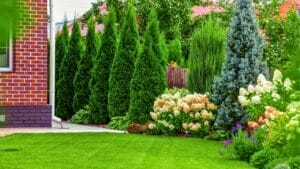
With urban sprawl on the rise1 and lot sizes shrinking, finding ways to create seclusion in our yards has become more crucial than ever. One elegant solution: Planting trees along your fence line.
But which trees are best suited for this purpose?
1. Leyland Cypress
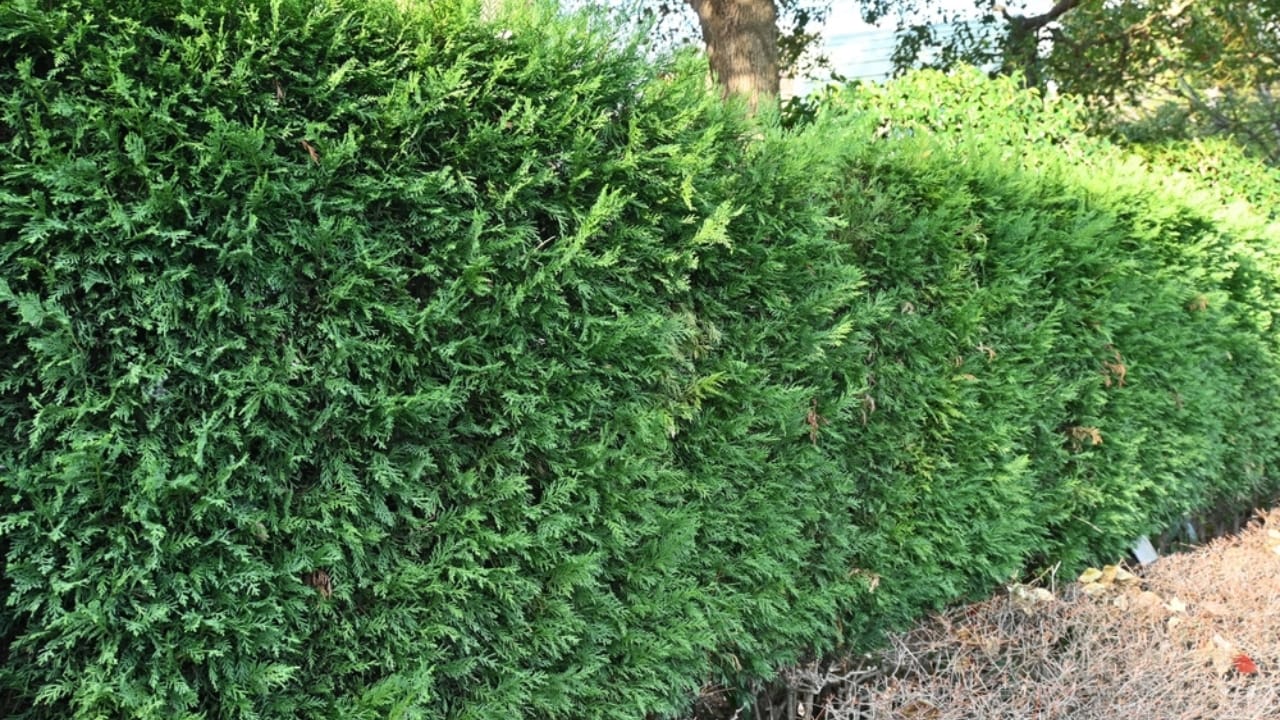
Leyland Cypress trees are a popular choice for fence lines, growing up to 3-4 feet per year and reaching heights of 60-70 feet. Their dense foliage provides excellent screening, while their columnar shape makes them ideal for narrow spaces.
2. Thuja Green Giant
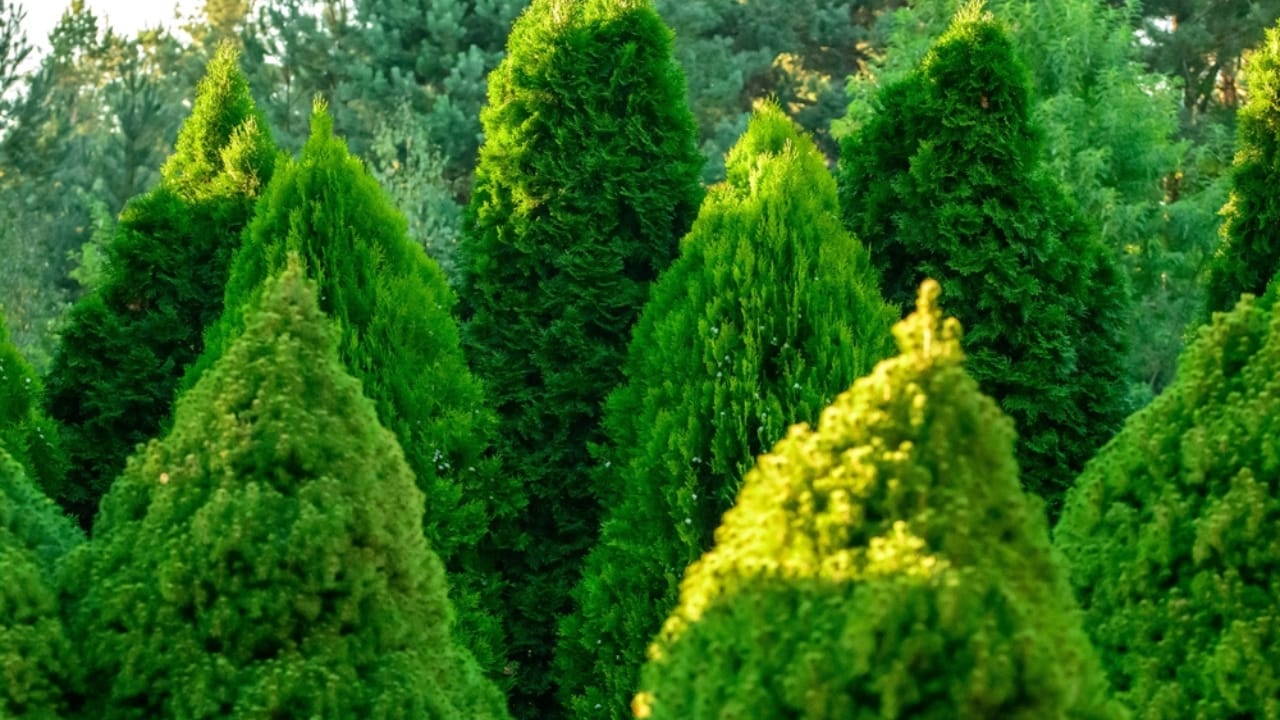
Thuja Green Giant arborvitae is prized for its rapid growth rate of 3-5 feet annually and its resistance to pests and diseases. These evergreens can reach heights of 50-60 feet, creating a year-round privacy screen with minimal care required.
3. Italian Cypress
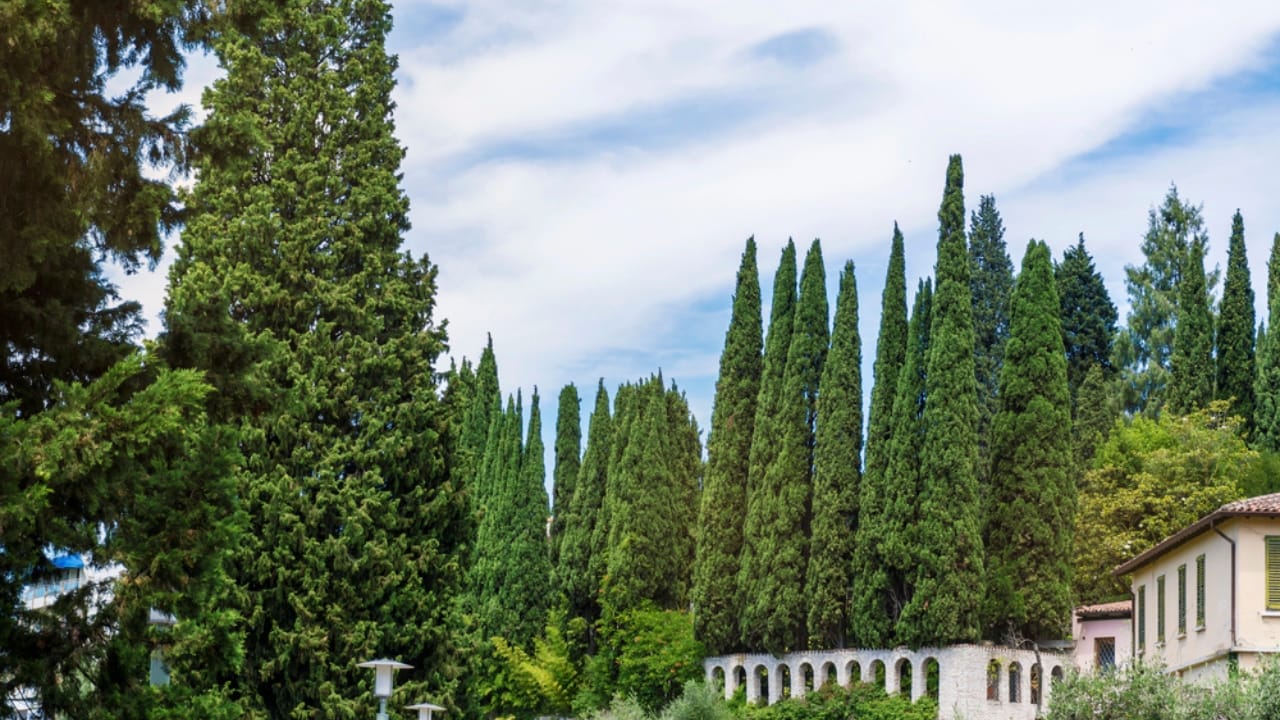
For those with limited space, Italian Cypress trees offer a slim profile, typically growing to just 3-5 feet wide while soaring to heights of 40-60 feet. Their distinctive columnar shape adds a touch of Mediterranean elegance to any landscape.
4. Flowering Dogwood
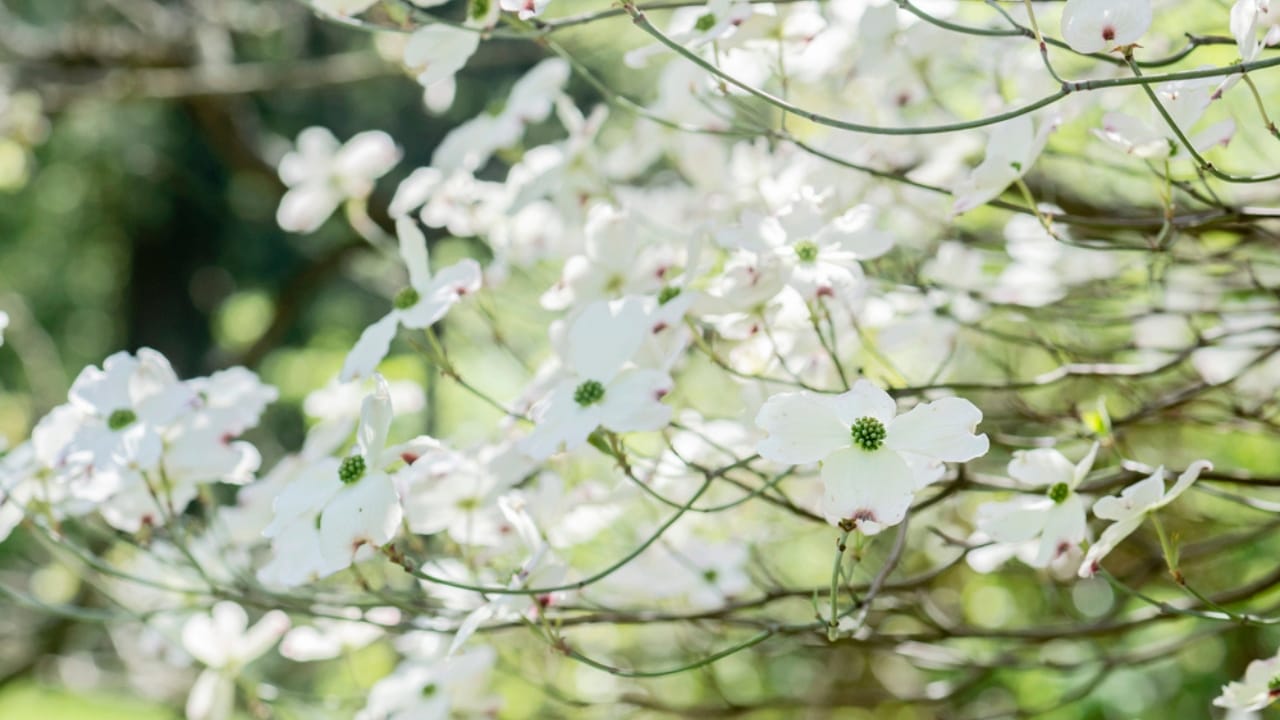
Flowering Dogwood trees provide privacy and year-round interest. Spring brings a profusion of white or pink blooms, summer showcases lush green foliage, fall offers vibrant red leaves, and winter reveals an attractive branching structure.
5. Emerald Green Arborvitae
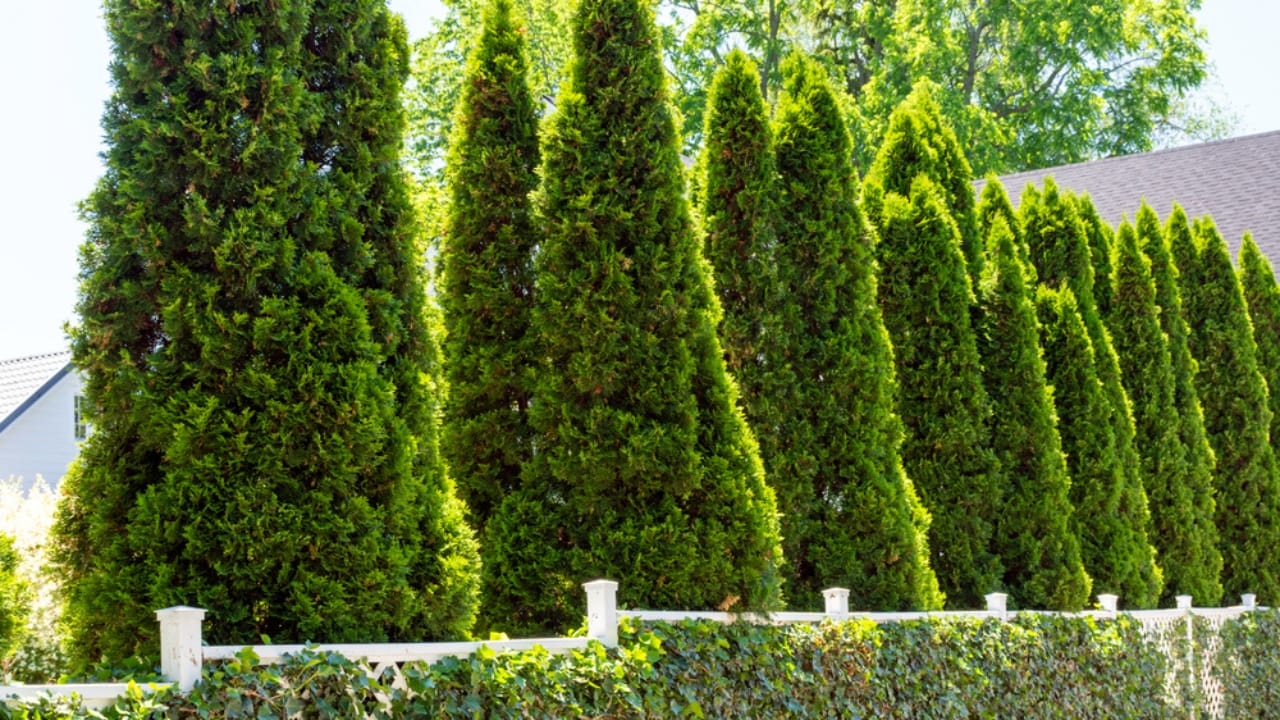
Perfect for smaller yards, Emerald Green Arborvitae grows to a modest height of 12-14 feet with a spread of just 3-4 feet. Its dense, emerald-green foliage maintains its color throughout the year, providing consistent privacy.
6. River Birch
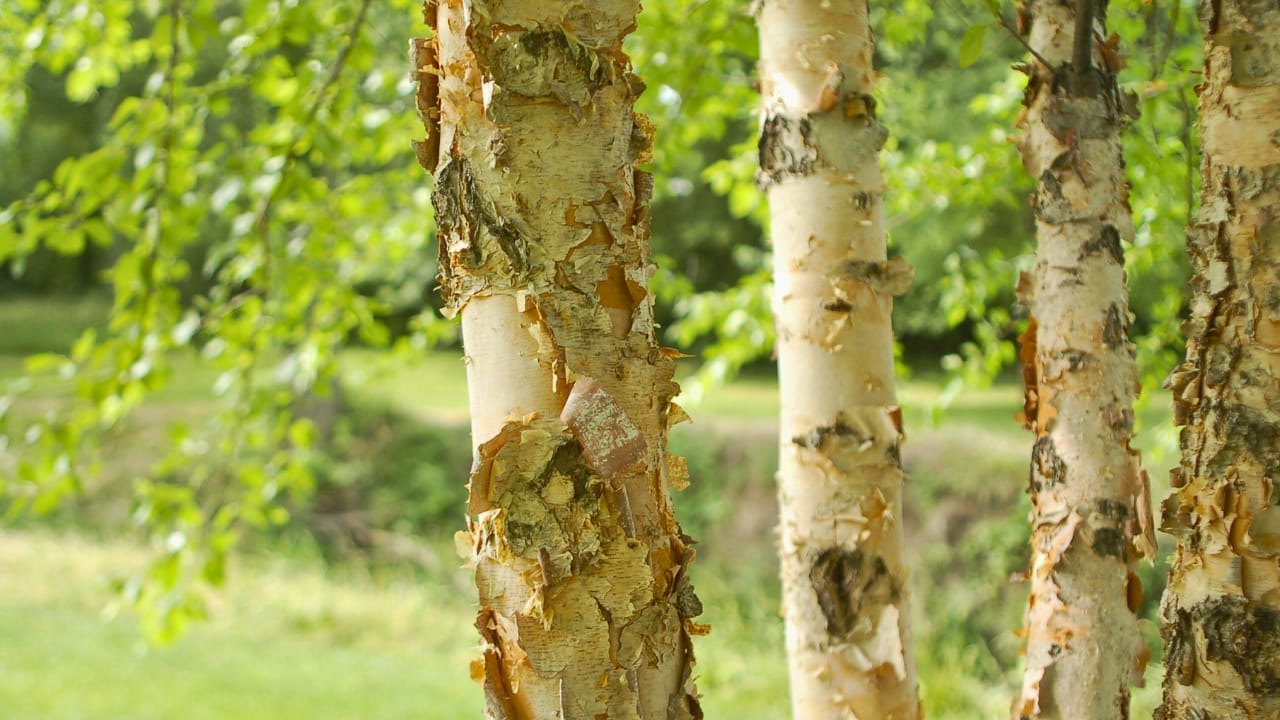
River Birch trees not only offer privacy but also attract a variety of birds and small mammals. Their distinctive peeling bark adds visual interest, while their height of 40-70 feet ensures ample screening.
7. Eastern Red Cedar
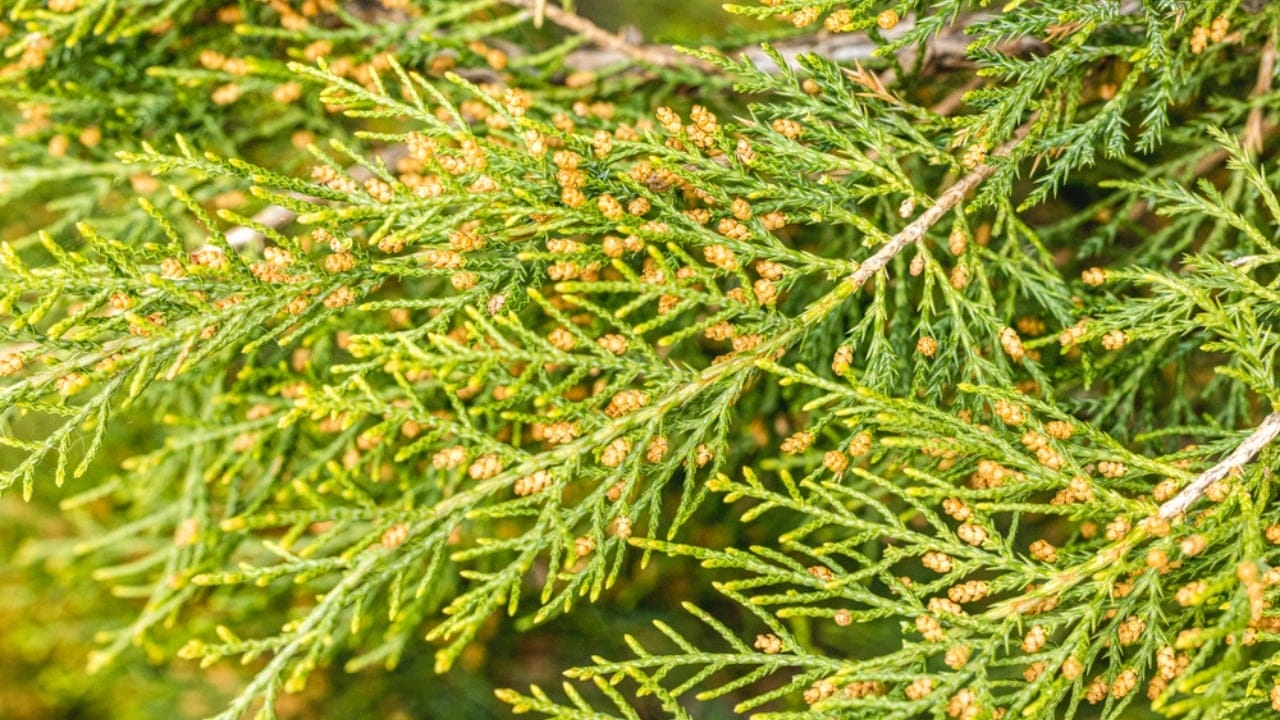
Eastern Red Cedar is a hardy native tree that thrives in various soil conditions. Growing to heights of 40-50 feet, it provides excellent privacy while supporting local ecosystems.
8. Nellie Stevens Holly
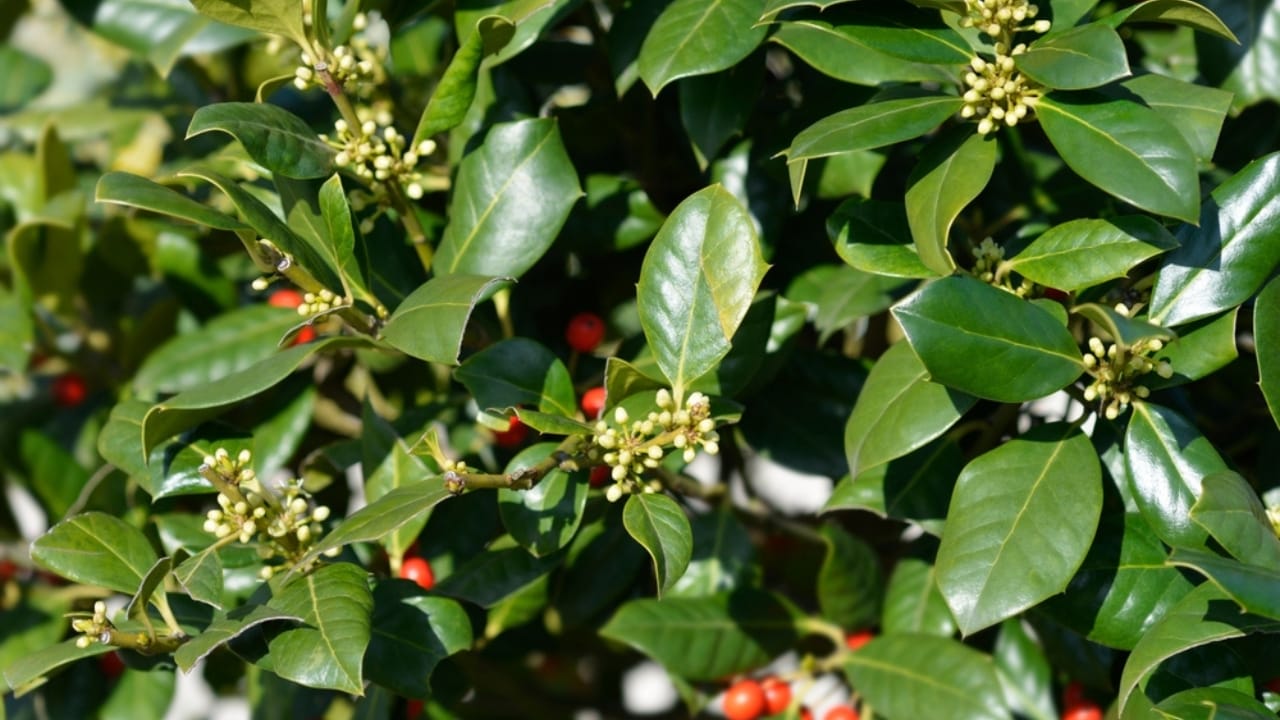
Nellie Stevens Holly trees offer dense, glossy foliage and bright red berries in winter. Reaching heights of 15-25 feet, they create an attractive living fence that requires minimal pruning.
9. Bamboo

While technically a grass, bamboo can provide rapid, dense screening. Clumping varieties like Fargesia are less invasive than running types, growing to heights of 8-15 feet without spreading aggressively.
10. American Hornbeam
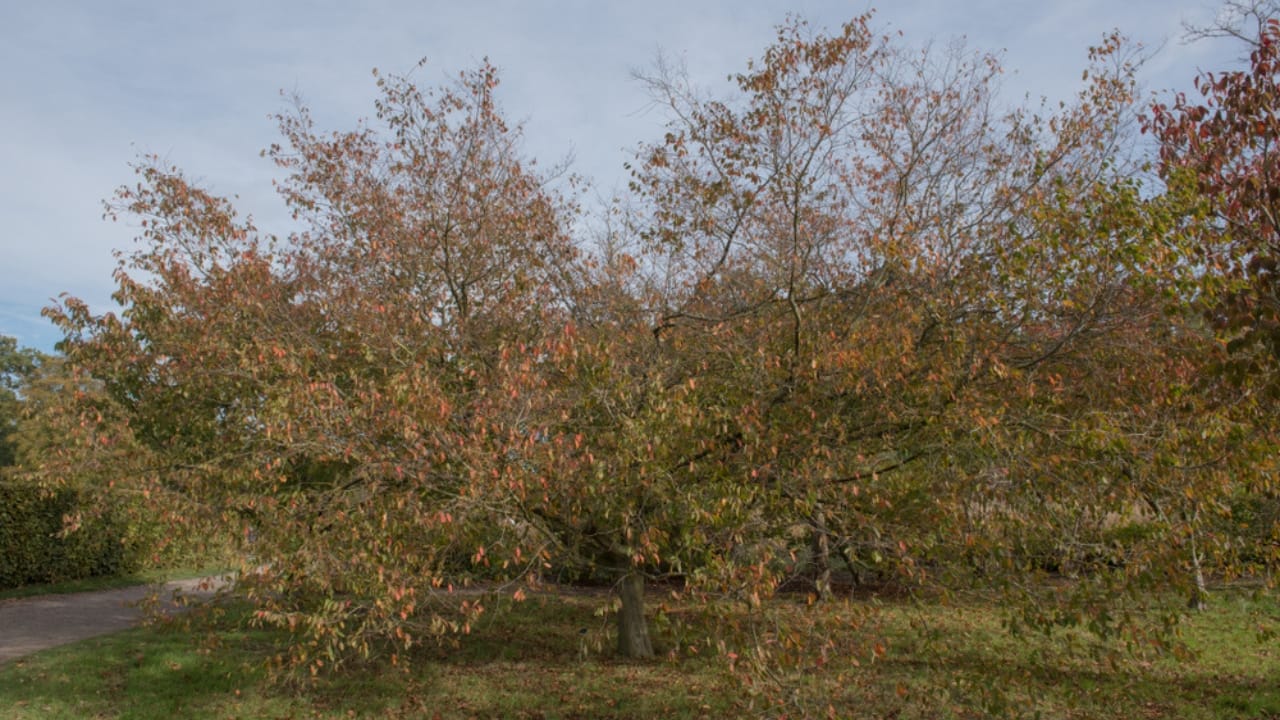
American Hornbeam, also known as Ironwood, offers a unique combination of privacy and aesthetics. Its dense canopy provides excellent screening, while its smooth, fluted bark adds visual interest year-round.
Tips for Planting Trees along Your Fence Line
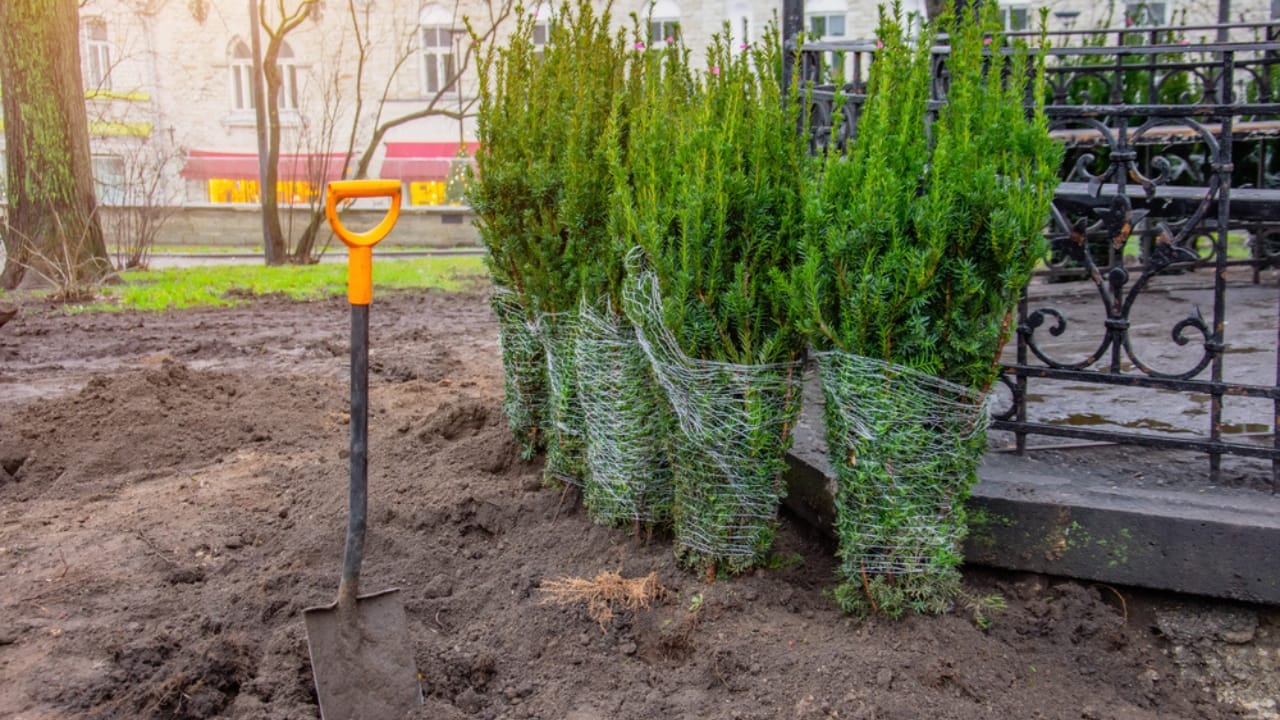
Now that you’ve chosen the perfect trees for your fence line, it’s time to ensure they thrive in their new home. Proper planting techniques can make all the difference in establishing a healthy, long-lasting privacy screen.
Here are some essential tips to keep in mind:
- Consider mature size: Plant trees far enough from the fence to accommodate their full-grown width.
- Space appropriately: Allow adequate distance between trees based on their expected spread at maturity.
- Check for utilities: Before digging, always call your local utility companies to mark underground lines.
- Prepare the soil: Amend poor soil with organic matter to promote healthy root growth.
- Water consistently: Newly planted trees need regular watering, especially during their first growing season.
- Mulch wisely: Apply a 2-3 inch layer of mulch around the base, keeping it away from the trunk to prevent rot.
While some trees grow quickly, it may take a few years for your living fence to reach its full potential. In the meantime, enjoy watching your privacy screen take shape and the new life it brings to your yard.
Source:
1. The Yale Ledger

Davin is a jack-of-all-trades but has professional training and experience in various home and garden subjects. He leans on other experts when needed and edits and fact-checks all articles. Also an aspiring cook we he researches and tries all kinds of different food recipes and shares what works best.