

Ever found yourself wondering about the differences between a stray cat and a feral cat? You’re not alone. These feline wanderers often cross our paths, each with a story etched in their cautious or curious eyes. Let’s see what sets these two apart and why it matters.
What Is a Stray Cat?
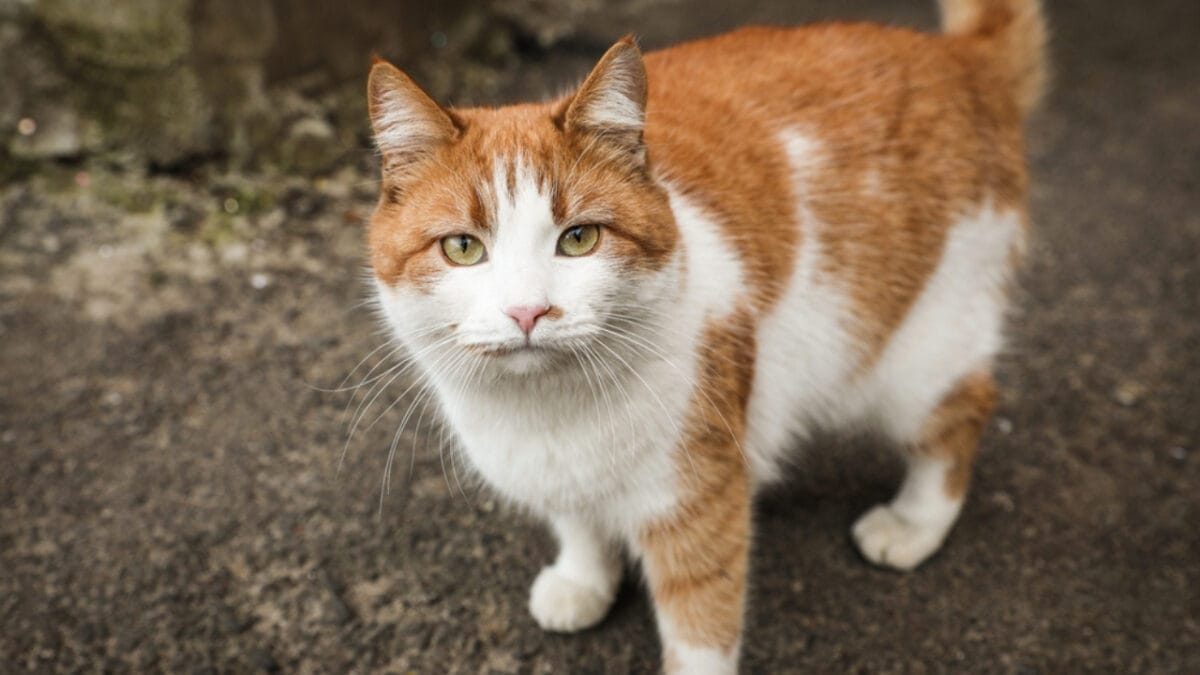
Stray cats are the ones you’re more likely to see lounging on your porch or following you home. These cats once had a home and were socialized to human contact.
Strays have either lost their home, were abandoned, or simply wandered off too far. Because they’ve lived with humans, they can become pets again if given the chance.
A stray cat typically displays more approachable behavior. They might come up to you, meow, or even rub against your legs.
Their body language often mimics that of a house cat—tail up, making eye contact, and showing affection through purring and head-butting. They’re also more likely to be visible during the day and might look a bit disheveled from their outdoor adventures (ref).
What Is a Feral Cat?
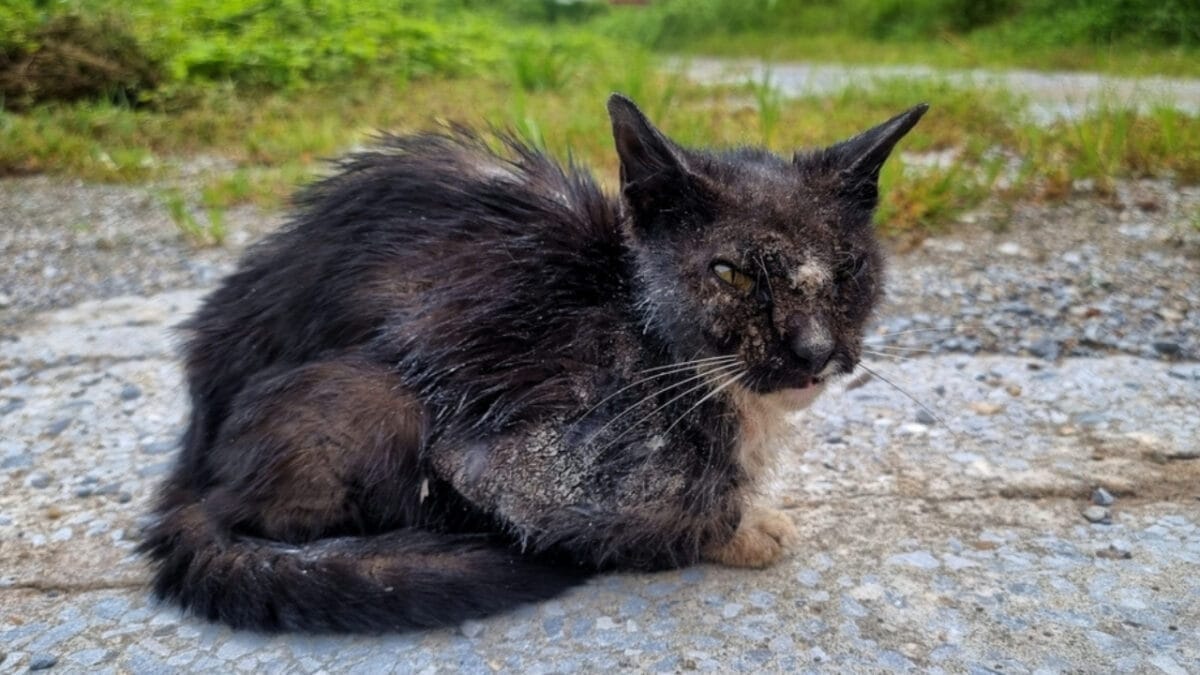
On the flip side, feral cats are the wild souls of the cat world. These cats either never had any interaction with humans or lost it at a very young age.
As a result, they are wary of people and are unlikely to be tamed. Feral cats are masters of survival, often living in colonies and avoiding human contact at all costs.
You can spot a feral cat by its behavior. They avoid humans, usually staying low to the ground and keeping their distance. Feral cats are nocturnal, and you might spot them hunting or scavenging at dusk.
Physically, they tend to be in better condition than strays because they’ve adapted to outdoor life, and you might notice an ear tip—a universal sign that they’ve been part of a trap-neuter-return (TNR) program (ref).
Socialization & Behavior
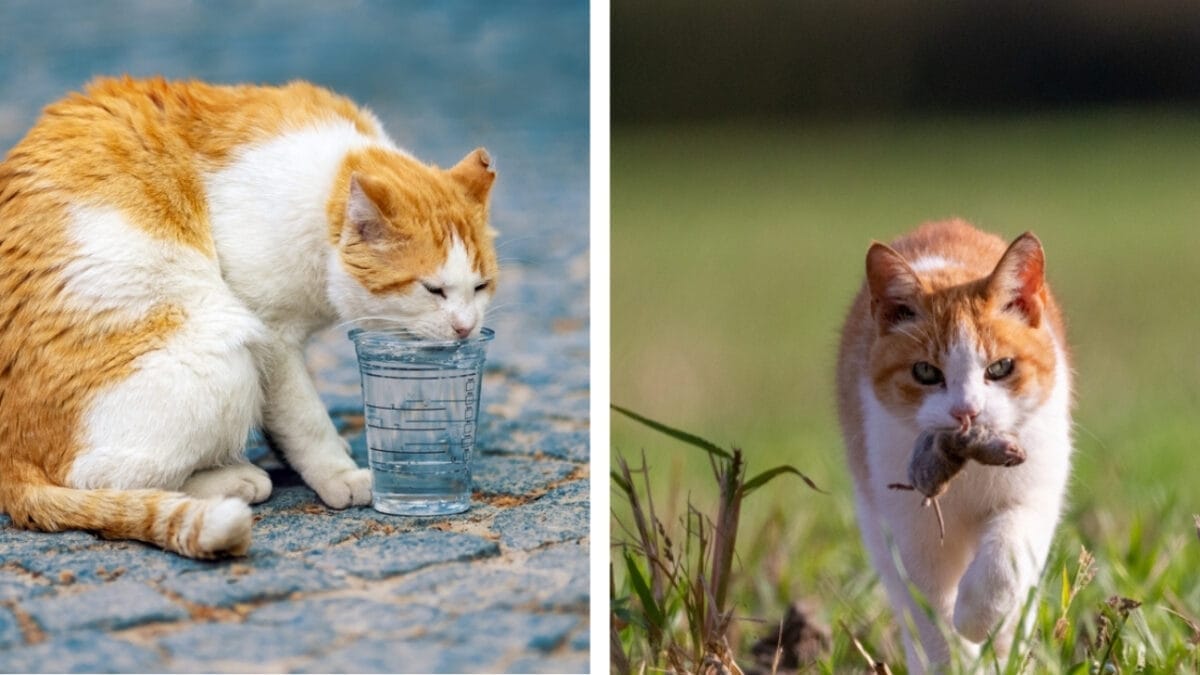
The key difference lies in their socialization and behavior towards humans. Stray cats might approach people, looking for food or a bit of attention, and could eventually be reintroduced to indoor life.
In contrast, feral cats are self-reliant and thrive without human interaction. Attempting to socialize an adult feral cat is often fruitless and stressful for the cat.
Feral cats are typically silent around humans—they don’t meow or purr as strays do. Their body language is defensive: crouching, hissing, or fleeing when approached. Stray cats, however, will show typical pet behaviors, such as vocalizing and seeking human company when they feel safe (ref).
Why It Matters
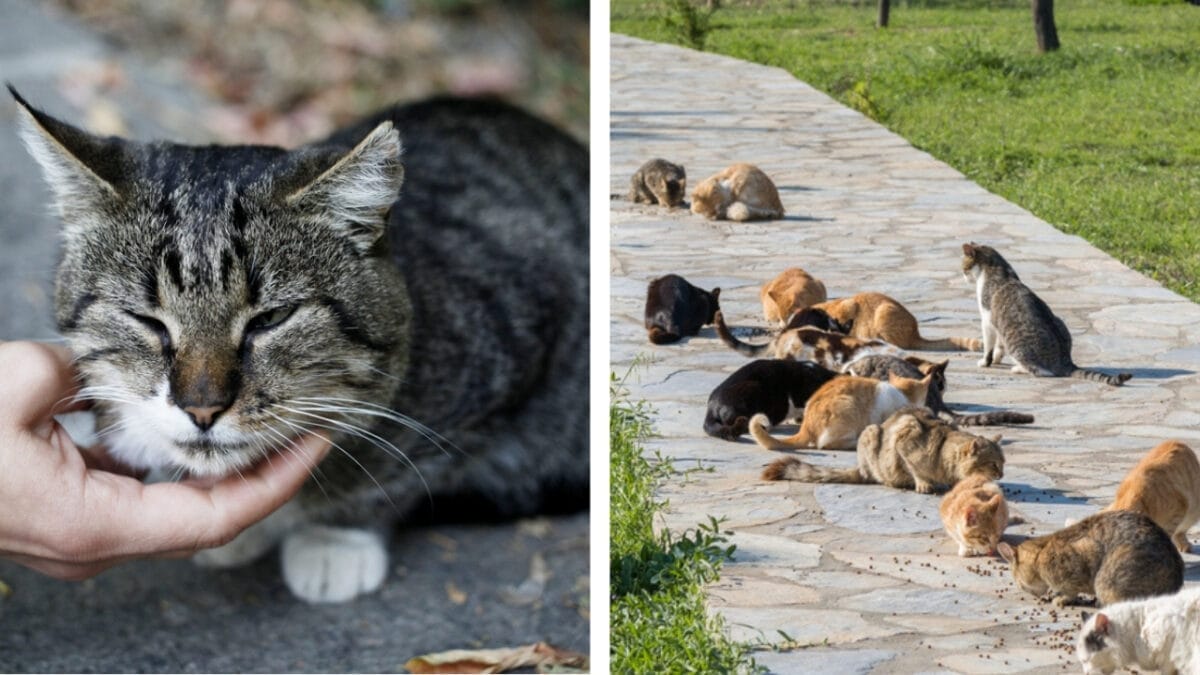
Understanding the distinction between stray and feral cats is crucial for their care. Stray cats, given time and patience, can often be rehabilitated and adopted into homes. Feral cats, however, are best supported through TNR programs, which help control the population without trying to force them into an unsuitable domestic life.
Next time you see a cat wandering around, take a moment to observe its behavior. Is it looking for a friendly handout or skittering away into the shadows? Recognizing these differences can help you decide the best way to offer help—whether it’s bringing a stray cat into your home or supporting local TNR efforts for feral cat colonies.

Davin is a jack-of-all-trades but has professional training and experience in various home and garden subjects. He leans on other experts when needed and edits and fact-checks all articles. Also an aspiring cook we he researches and tries all kinds of different food recipes and shares what works best.