
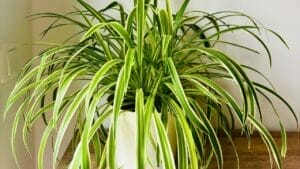
ever stare at a houseplant display and feel completely overwhelmed because you’ve killed every green thing you’ve ever owned?
spider plants are basically the opposite of that problem. these things are so hard to kill that they’ve become the official plant of “i have no idea what i’m doing but lets try anyway.”
native to south africas coastal areas, spider plants evolved to survive inconsistent watering because their thick roots store water like little plant camels. which means when you inevitably forget about them for two weeks, they’ll probably be fine.
why spider plants are actually perfect
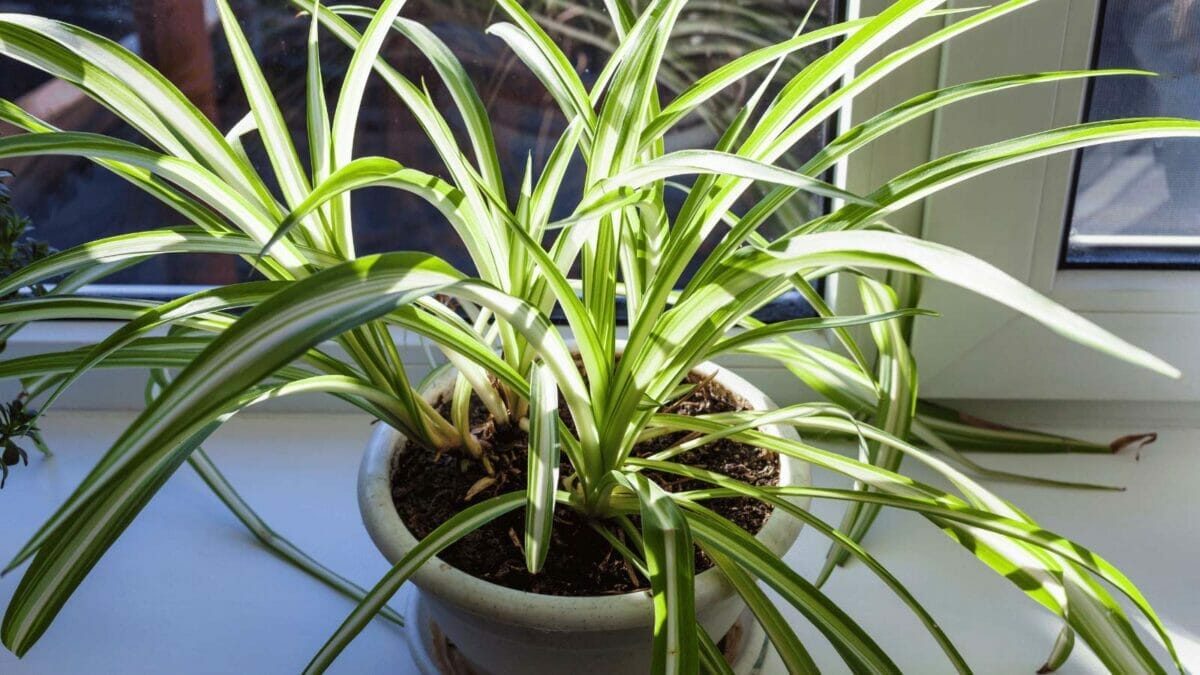
here’s whats great about them – they’re almost aggressively easy to keep alive. they adapt to whatever lighting situation you throw at them, though they prefer bright indirect light. got a dark corner? they’ll deal with it. sunny window? also fine as long as its not direct scorching sunlight.
but the really cool part is they actually clean your air. nasa did a whole study on this and found spider plants remove toxins like formaldehyde and xylene from indoor air. (ref) so they’re pretty and functional, which is rare.
and they grow insanely fast and produce these little baby plants called pups or spiderettes that you can just… make into more plants. free plants. as many as you want. its like they’re begging you to succeed.
how to not kill your spider plant
light: bright indirect light is ideal but honestly they’re flexible. just dont fry them in direct sun. if your place is dark get a cheap grow light and call it a day.
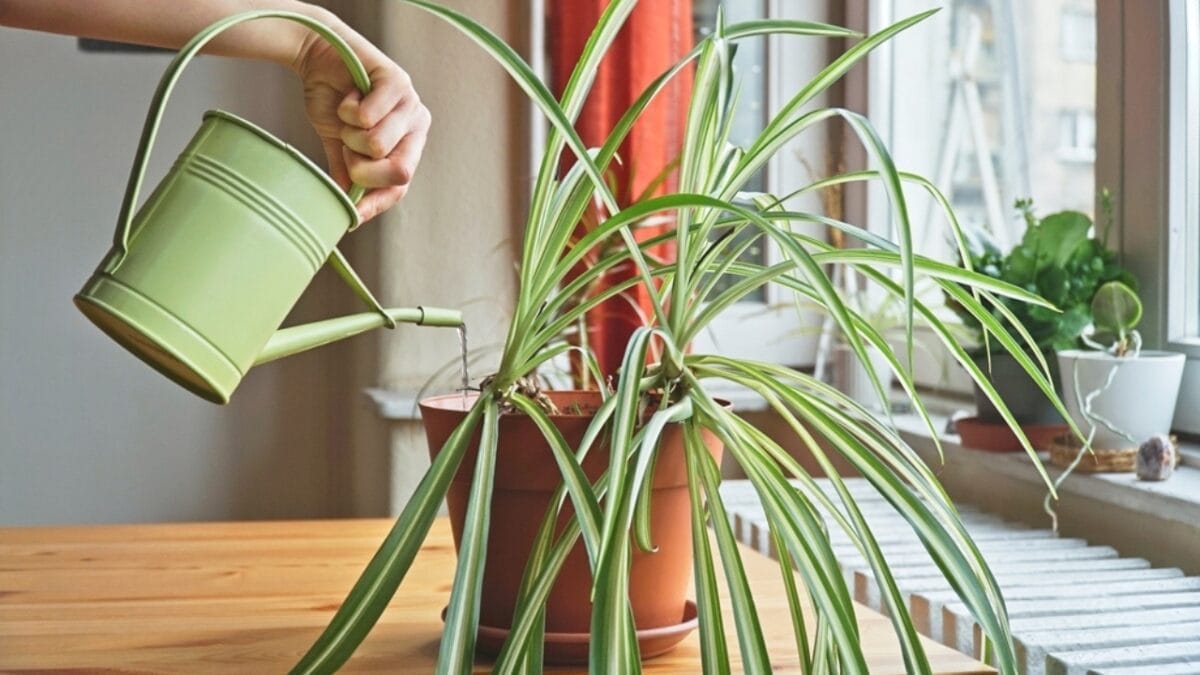
water: this is where people mess up. keep the soil lightly moist but not swampy. root rot is real and it sucks. let it dry out a bit between waterings – they’d rather be too dry than too wet.
also spider plants are weirdly sensitive to fluoride and chlorine in tap water which causes brown leaf tips. use distilled or rainwater if you can, or just let tap water sit out overnight before using it.
soil: they need well-draining mix. regular potting soil mixed with peat moss and perlite works great. make sure your pot has drainage holes because sitting in water is how they die.
temperature: they like 60-80°F which is basically normal house temperature. they’re fine with regular humidity but if your place is super dry mist them occasionally and they’ll appreciate it.
fertilizer: feed them every 4-6 weeks during spring and summer with balanced water-soluble fertilizer. don’t overdo it though – too much fertilizer burns the leaf tips and stops them from making those baby plants.
when things go wrong
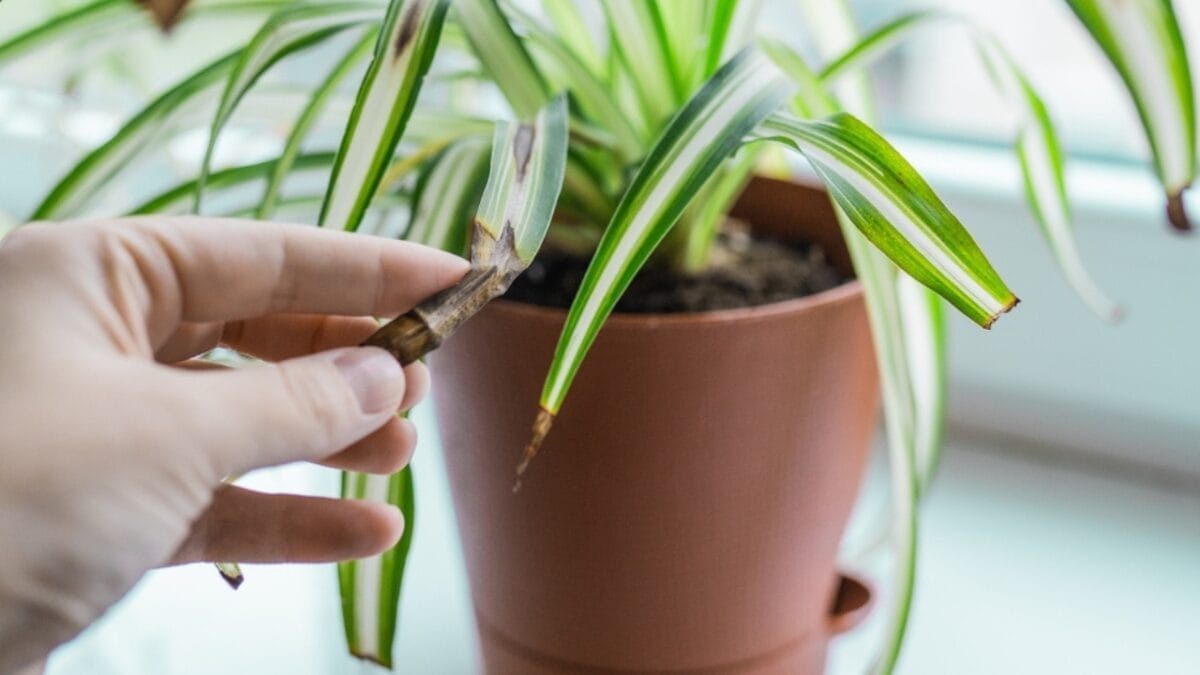
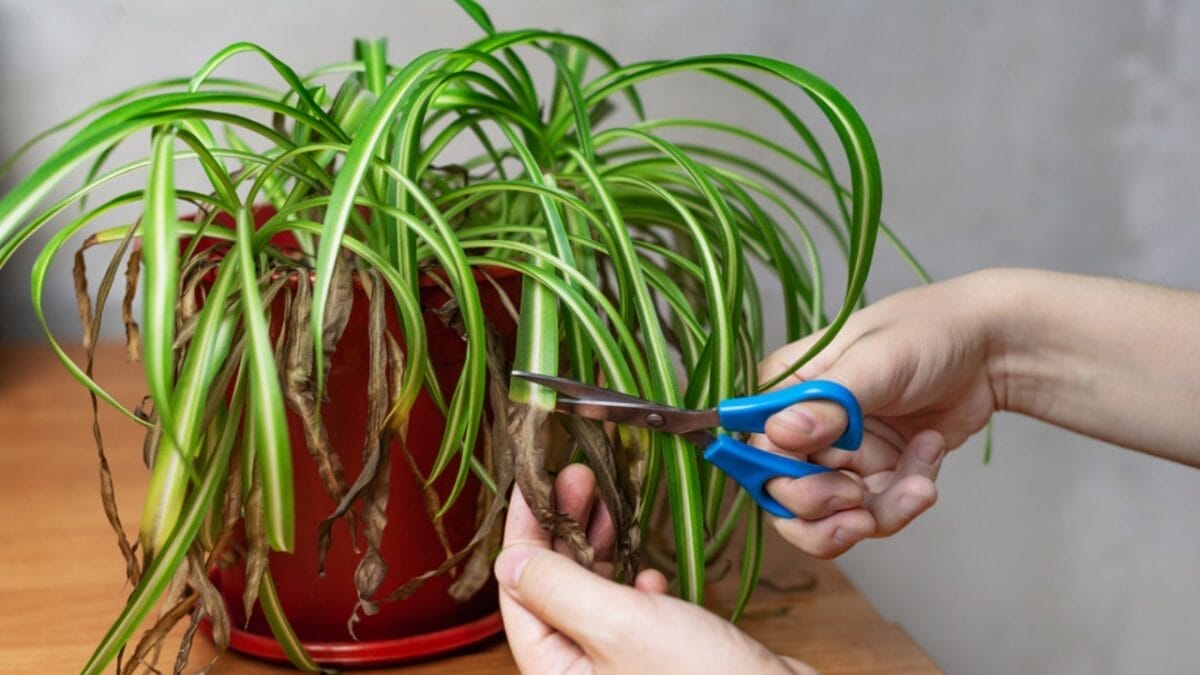
brown tips: usually from overwatering, low humidity, or fluoride in your water. back off on watering and switch to distilled water if you can.
bugs: spider mites and aphids sometimes show up. check your plant regularly and hit any infestations with insecticidal soap before they get out of control.
making more spider plants (the fun part)
propagation is stupidly easy. wait till the baby plants have a few roots, cut them off, and stick them in soil. or put them in water till roots develop then move to soil.
either way works and suddenly you have seventeen spider plants and you’re giving them away at parties like “please take one i’m running out of surfaces.”
start here
if you’ve never successfully kept a plant alive, start here. spider plants want to survive. they’re actively trying to make this work. they clean your air, they make babies, they tolerate your neglect.
this is the plant that forgives you.
Source:

Nancy has been a plant person from an early age. That interest blossomed into a bachelor’s in biology from Elmira College and a master’s degree in horticulture and communications from the University of Kentucky. Nancy worked in plant taxonomy at the University of Florida and the L. H. Bailey Hortorium at Cornell University, and wrote and edited gardening books at Rodale Press in Emmaus, PA. Her interests are plant identification, gardening, hiking, and reading.