
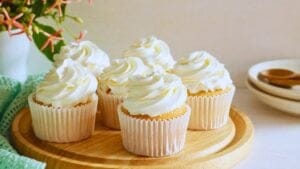
I made vanilla cupcakes seven times before I figured out why they never turned out right.
Sometimes they were oily at the bottom. Sometimes they tasted like cornbread instead of cake. Once they sank in the middle and I threw the whole batch away.
Then I read through what other people were doing wrong and realized I wasn’t alone. The problem wasn’t me. It was understanding what method works for what you want.
Two Ways to Make Them (And Why It Matters)
Most vanilla cupcake recipes fall into two camps. One uses melted butter and is faster. The other creams softened butter with sugar and takes longer.
I’ve tried both. They give you different results.
The melted butter method is simpler. Fewer steps, fewer dishes. You end up with cupcakes that are tender and moist but slightly denser.
More like a really good muffin texture. These are great if you want something quick that still tastes homemade.
The creaming method takes three extra minutes of beating butter and sugar together. But those three minutes trap air in the batter.
You get lighter, fluffier cupcakes with that bakery texture where the crumb breaks apart clean instead of compact.
Neither is wrong. It depends what you’re after.
The Quick Method (Melted Butter)
This is where I started. It’s straightforward and works well if you don’t mind a slightly denser cupcake.
Ingredients
Dry ingredients:
- 1 ½ cups all-purpose flour
- 1 ½ tsp baking powder
- ¼ tsp salt
Wet ingredients:
- 2 eggs, room temperature
- ⅔ cup granulated sugar
- ¾ cup unsalted butter, melted and cooled
- 2 tsp vanilla extract
- ½ cup milk
Instructions
Preheat oven to 350°F. Line a muffin tin with cupcake liners.
Sift the dry ingredients. Flour, baking powder, salt. Set aside.
Sifting breaks up lumps and makes the texture more delicate. You can skip it if you don’t have a sifter, but the cupcakes won’t be quite as light.
Beat eggs and sugar together. Use an electric mixer for one to two minutes until the eggs turn pale yellow and look frothy. This is your visual cue that enough air is incorporated.
Slowly add melted butter. Pour it in while the mixer is running. Add vanilla extract. The butter needs to be cooled to room temperature or it will scramble the eggs.
Alternate adding milk and dry ingredients. A little milk, a little flour mixture, back and forth. Scrape the sides as you go. Stop mixing as soon as everything is combined.
If your batter looks too thick or dry, add one tablespoon of water at a time until it’s smooth and pourable. Too little liquid makes dense, dry cupcakes.
Fill liners about two thirds full. I used to fill them halfway and ended up with sad little cupcakes. Two thirds gives you a nice dome.
You can use a piping bag or a ziplock bag with the corner cut off to fill them cleanly. Less mess than spooning.
Bake for 15 to 18 minutes. Here’s the important part: don’t open the oven door until at least 12 minutes have passed. Opening it early lets cold air in and can make them sink or come out uneven.
Check at 15 minutes. A toothpick should come out clean or with just a few moist crumbs.
Cool them on a wire rack immediately. Leaving them in the hot pan keeps cooking them and dries them out.
The Bakery Method (Creamed Butter)
This is what I switched to once I understood the difference. It takes a few more minutes but the texture is noticeably lighter.
Ingredients
Dry ingredients:
- 1 ½ cups cake flour (or all-purpose flour with 2 tablespoons swapped for cornstarch)
- 1 ½ tsp baking powder
- ¼ tsp salt
Wet ingredients:
- ½ cup unsalted butter, softened to room temperature
- ¾ cup granulated sugar
- 2 large eggs, room temperature
- 2 tsp pure vanilla extract
- ½ cup heavy whipping cream, room temperature
Instructions
Preheat oven to 350°F. Line a muffin tin.
Sift the dry ingredients. Flour, baking powder, salt. Set aside.
Cream the butter and sugar. This is the step that matters most. Beat softened butter and sugar together on medium high speed for three to four minutes.
At one minute it’s grainy. At three minutes it’s pale and fluffy. That fluffiness creates the air pockets that make these light instead of dense.
Add eggs one at a time. Beat well after each one. Scrape down the bowl. Mix in vanilla.
Alternate dry ingredients and cream. Turn mixer to low. Add half the flour mixture. Mix just until the streaks disappear. Pour in the heavy cream. Mix briefly. Add remaining flour.
Stop while you still see flour streaks. Finish mixing by hand with a spatula. Fold gently until just combined.
Overmixing develops gluten and makes cupcakes tough and cornbread-like. You want to stop as soon as you don’t see dry flour anymore.
Fill liners two thirds full. Bake for 16 to 18 minutes. Same rule applies: don’t open the oven early.
Remove from pan immediately. Cool on a wire rack.
The Frosting That Works for Both
Most vanilla buttercream is too sweet. This version balances it out.
Ingredients
- 1 cup salted butter, softened (or unsalted plus ¼ tsp salt)
- 3 cups powdered sugar, sifted
- 2 to 3 tablespoons heavy cream
- 1 tablespoon vanilla extract
Instructions
Beat the butter alone for five minutes until it’s nearly white and doubled in volume.
Add powdered sugar in two batches. Add vanilla and cream.
Whip on high for another three minutes until light and fluffy.
The long whipping time is what makes it smooth instead of grainy. At two minutes it still has grit. At five minutes it’s silky.
How to Frost Them Without Making a Mess
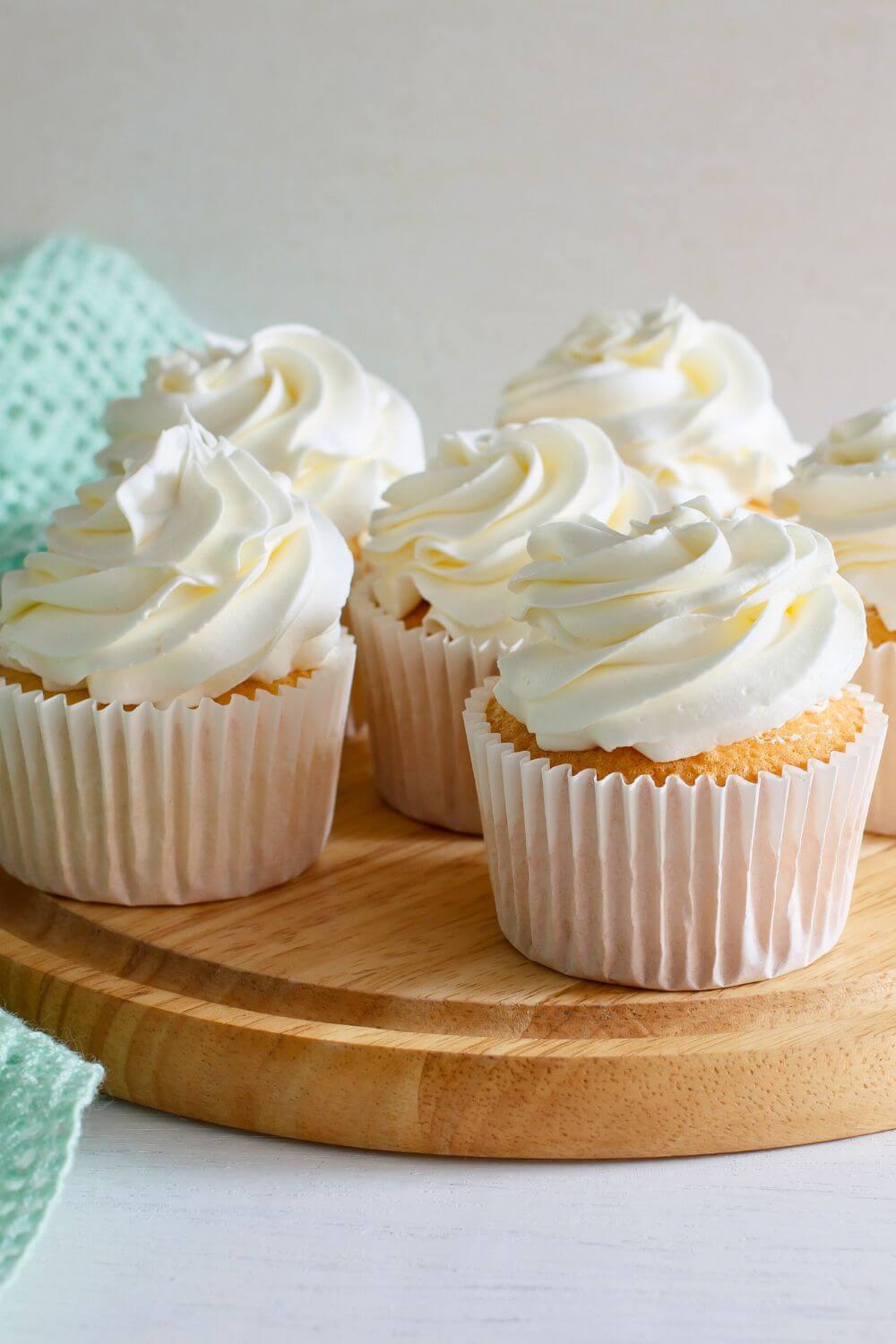
You can spread frosting with a knife, but a piping bag looks better and is actually easier once you get the hang of it.
If using a piping bag: Fill it with frosting and use a large star or round tip. Hold the bag perpendicular to the cupcake, about half an inch above the surface.
Start squeezing at the outer edge. Move in a circular motion toward the center while keeping steady pressure. When you reach the center, stop squeezing and twist your wrist slightly to cut off the frosting.
It takes practice. The first few won’t look perfect. By the fifth one you’ll have it.
If using a knife: Put a dollop of frosting in the center of the cupcake. Make two half circle motions with the knife to spread it evenly. A small offset spatula works even better than a regular knife.
What Makes the Biggest Difference
Room temperature ingredients matter more than you think.
Cold eggs don’t incorporate smoothly. Cold cream can make butter seize up. Cold butter won’t cream properly.
Take everything out of the fridge 30 minutes before you start. Or put eggs in a bowl of warm water for five minutes if you forget.
Accurate measurements matter too. A heaping cup of flour is too much flour. Use measuring cups properly or weigh your ingredients if you want consistent results.
And don’t overbake them. Every oven is different. Start checking a few minutes before the recipe says. Trust what you see more than the timer.
The Mistakes I Made
I used to think vanilla cupcakes were supposed to be plain. Just something to hold frosting.
Then I realized good vanilla cupcakes taste like vanilla. Rich, buttery, with actual flavor instead of just sweetness.
That comes from using real vanilla extract, not imitation. And from not skimping on the butter or cream.
The second mistake was opening the oven too early. I’d get impatient and check at 10 minutes. They’d deflate slightly and never quite recover.
Now I wait until at least three quarters of the baking time has passed before I even think about opening the door.
Which Method Should You Use
If you want something quick and don’t mind a slightly denser texture, use the melted butter method. It’s less fussy and still gives you moist, flavorful cupcakes.
If you want that light, fluffy, bakery-style texture, use the creaming method. The extra few minutes of beating butter and sugar makes a real difference.
I make both depending on the situation. Quick version for weeknight dessert. Bakery version for birthdays or when I want to impress someone.
Neither one is difficult. They just give you different results.
Small Things That Help
If you have farm fresh eggs with dark orange yolks, use them. They make the cupcakes brighter yellow and add richness.
Some people sprinkle a tiny bit of coarse sugar on top of the batter before baking. It creates a thin sweet crust that’s nice under frosting.
Store unfrosted cupcakes in an airtight container once they’re completely cool. Frost them right before serving if you can. The frosting stays prettier that way.
And if you’re not eating them the same day, they keep well for two days on the counter or up to a week in the fridge. They also freeze beautifully for up to a month.
What Actually Matters
The recipe isn’t complicated either way. But the small details add up.
Room temperature ingredients. Proper mixing without overdoing it. Not opening the oven early. Pulling them out as soon as they’re done instead of letting them sit.
Those things turn okay cupcakes into good ones.
And understanding which method gives you which texture means you can make exactly what you want instead of hoping it turns out right.

Davin is a jack-of-all-trades but has professional training and experience in various home and garden subjects. He leans on other experts when needed and edits and fact-checks all articles. Also an aspiring cook we he researches and tries all kinds of different food recipes and shares what works best.