
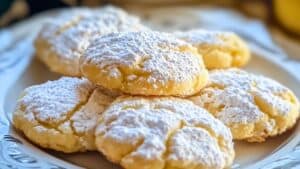
The world of cookies has evolved, but some traditional treats remain unchanged in their perfection. Ricciarelli, a delicate almond macaroon from Tuscany, is one such recipe.
While modern cookies often prioritize uniformity, ricciarelli stands out with its slightly crinkled texture and aromatic almond essence, making it a beloved choice for those who appreciate old recipes.
The History Behind Ricciarelli
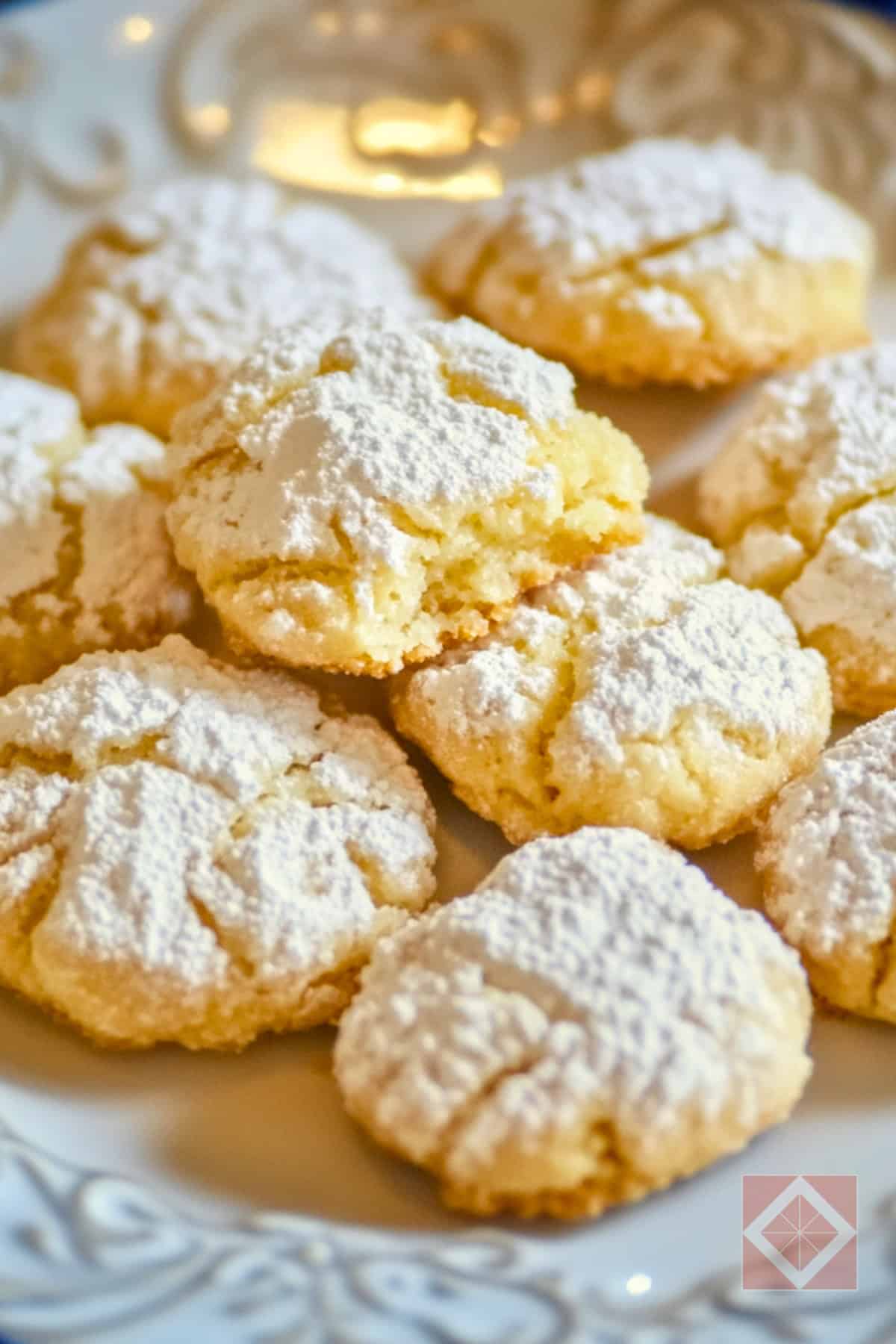
Ricciarelli originated in Siena, a historic city in the heart of Tuscany, where almonds have long been a staple ingredient in Italian baking. These cookies were initially reserved for special occasions, particularly during the holiday season.
Their delicate, chewy texture and dusting of powdered sugar made them a sought-after treat in European households.
Bakers experimented with variations of ricciarelli, incorporating different citrus notes and even maple flavors, but the classic combination of almonds, lemon, and vanilla remained unchanged.
What Makes Ricciarelli Unique?
Unlike many traditional cookies that rely on wheat flour, ricciarelli is crafted primarily from almond flour. This gives the cookie its distinct chewiness while keeping it naturally gluten-free.
The ingredients are simple, yet the method requires patience. The dough must rest before baking, allowing the flavors to meld together and develop the ideal texture.
Several characteristics set ricciarelli apart from other macaroons:
- Almond Flour Base – Provides a rich, nutty flavor and delicate texture.
- Citrus and Vanilla – Adds a refreshing brightness and balance.
- Powdered Sugar Coating – Creates the signature crinkled effect during baking.
- Minimal Ingredients, Maximum Flavor – A few quality ingredients yield a sophisticated cookie.
Perfecting the Texture & Flavor
One of the most important aspects of ricciarelli is achieving the perfect balance between softness and slight crispness on the edges. The secret lies in properly whipping the egg whites until they reach stiff peaks.
This process aerates the dough, giving the cookies their light and airy interior.
The addition of lemon zest and a touch of vanilla extract enhances the flavor, making each bite refreshing yet rich. Some variations include a splash of almond extract for a deeper, more intense nuttiness.
Properly rolling the dough in powdered sugar before baking is also crucial, as it not only adds sweetness but helps create the characteristic crackled surface.
Adapting Ricciarelli for Modern Tastes
Although ricciarelli has remained relatively unchanged for centuries, there are ways to adjust the recipe for different dietary needs and preferences:
- Vegan Alternative – Replace egg whites with aquafaba (chickpea brine) for a plant-based version.
- Maple-Infused Twist – Incorporate a small amount of maple syrup to add a subtle caramel-like sweetness.
- Chocolate Variation – Mix in finely chopped dark chocolate for a more decadent take.
- Orange Zest Instead of Lemon – For a warmer citrus note, swap lemon zest for orange.
Enjoying Ricciarelli with the Perfect Pairing
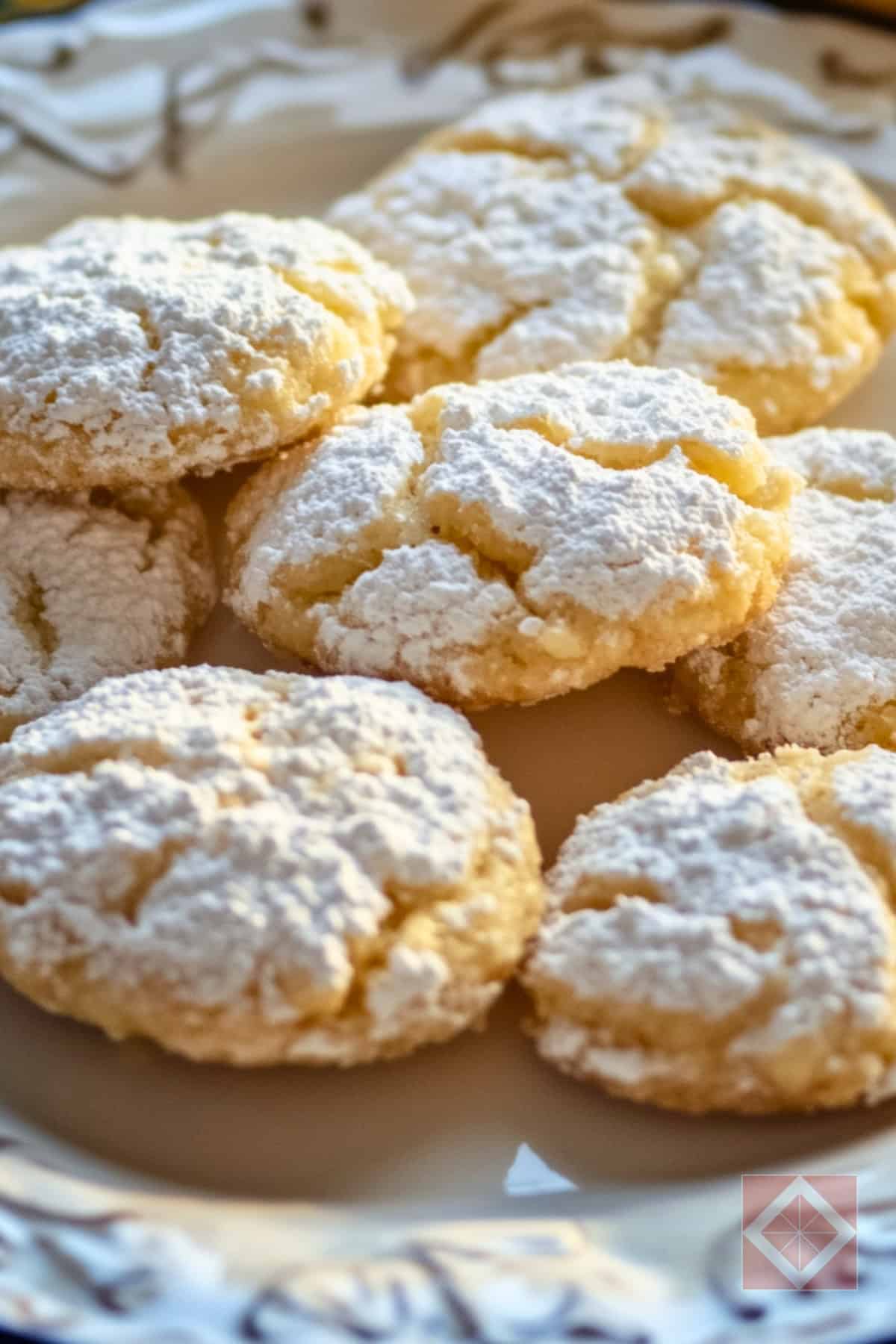
These delightful macaroons are best enjoyed with a warm beverage. In Tuscany, they are traditionally served with Vin Santo, a sweet Italian dessert wine.
However, they also pair beautifully with a morning coffee or afternoon tea. The combination of almond, citrus, and vanilla complements a variety of drinks, making them a versatile treat for any occasion.
For those who appreciate old recipes, ricciarelli is a beautiful reminder of how simple ingredients, when combined with time-honored techniques, can create something truly special.
Whether baked for a festive gathering or simply as a personal indulgence, these cookies remain a timeless favorite that continues to bring warmth and nostalgia to every bite.
Old-Fashioned Ricciarelli Recipe (1920s-Style Macaroons)
Ingredients
- 2 cups almond flour
- 1 ½ cups powdered sugar divided
- ¼ teaspoon baking powder
- 2 large egg whites
- ¾ teaspoon salt
- 1 teaspoon lemon juice
- Zest of 1 lemon
- 2 teaspoons vanilla extract
- 2 teaspoons almond extract
Instructions
- In a medium bowl, sift together the almond flour, 1 cup of the powdered sugar, and baking powder.
- Using a stand mixer with a whisk attachment or a hand mixer, beat the egg whites, salt, and lemon juice until stiff peaks form. Gently fold in the lemon zest.
- Gradually incorporate the dry ingredients into the beaten egg whites, folding carefully after each addition. The mixture will deflate slightly, which is expected. Midway through, stir in the vanilla and almond extracts.
- Take about 1 ½ tablespoons of dough per cookie, rolling each portion into a ball with your hands. Coat each ball thoroughly with the remaining powdered sugar and place them on a parchment-lined baking sheet.
- Let the dough balls rest on the baking sheet for about an hour. Before baking, gently press down on each one with two fingers, a cookie stamp, or the bottom of a glass to create a slight indentation.
- Preheat the oven to 325°F.
- Bake for 20 to 25 minutes until the cookies have a slightly crisp outer layer but remain soft inside.
- Allow the cookies to cool slightly on the baking sheet before transferring them to a wire rack to cool completely.
Notes

Davin is a jack-of-all-trades but has professional training and experience in various home and garden subjects. He leans on other experts when needed and edits and fact-checks all articles. Also an aspiring cook we he researches and tries all kinds of different food recipes and shares what works best.