
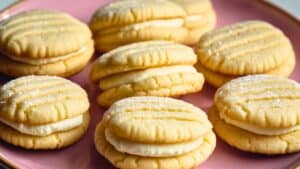
Melting Moments cookies are a nostalgic treat that captures the charm of old recipes passed down through generations.
These delicate, buttery cookies, often associated with classic baking from the 1950s, melt effortlessly in the mouth, living up to their name.
Their soft, crumbly texture combined with a sweet vanilla buttercream filling makes them an irresistible dessert for tea time, special occasions, or simply indulging in a taste of the past.
What Makes These Cookies Special?
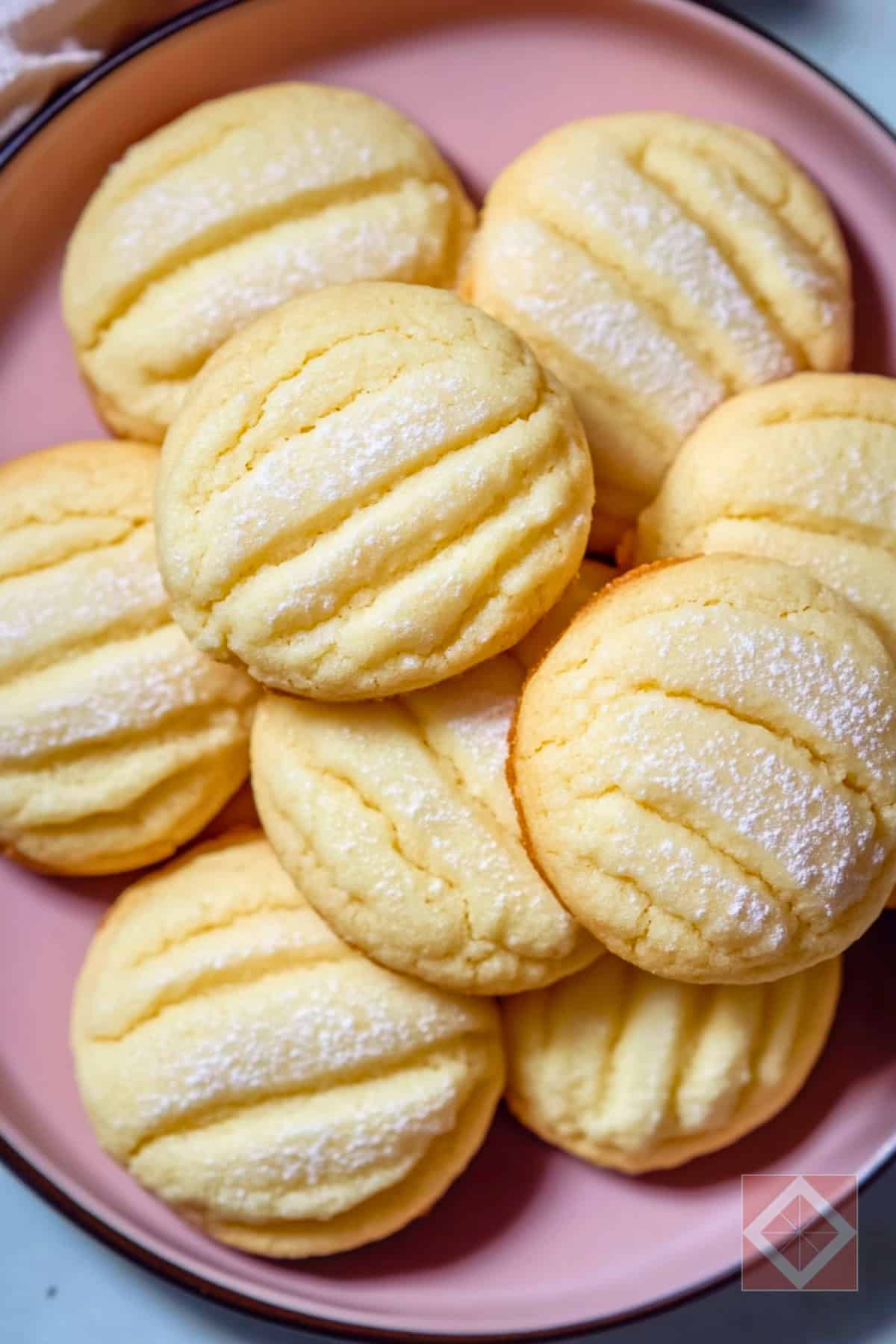
Melting Moments stand out due to their light, crumbly consistency. The secret lies in the high butter content, which creates a tender bite, and the cornstarch, which enhances the smooth, melt-in-your-mouth feel.
Unlike traditional shortbread, these cookies lack eggs, contributing to their unique texture.
The vanilla buttercream filling adds a layer of sweetness, complementing the delicate richness of the cookie. When sandwiched together, the contrast between the buttery shell and the creamy center creates a luscious harmony of flavors.
This combination is what makes them a beloved treat across generations.
Tips for Perfecting the Texture
Achieving the ideal consistency in Melting Moments requires attention to detail. Here are some tips for ensuring they turn out perfectly every time:
- Use soft but not melted butter: The butter should be at room temperature to properly aerate when beaten with sugar, helping create a light, delicate structure.
- Sift the dry ingredients: This ensures the flour and cornstarch are evenly distributed, preventing lumps and guaranteeing a smooth dough.
- Chill the dough before baking: Cooling the dough helps maintain the cookies’ shape and prevents excessive spreading in the oven.
- Be gentle when transferring: Since these cookies are extremely delicate, allow them to cool completely before handling to avoid breakage.
By following these techniques, Melting Moments achieve their signature texture—one that dissolves on the tongue, leaving a rich, buttery finish.
Variations to Suit Every Taste
While the classic vanilla buttercream filling remains a favorite, there are plenty of ways to customize these cookies to suit different flavor preferences. Here are a few ideas to experiment with:
- Citrus Zest: Adding lemon or orange zest to the dough or filling enhances the cookies with a fresh, vibrant taste.
- Chocolate Twist: A dusting of cocoa powder in the filling or dipping the cookies in melted chocolate introduces a decadent element.
- Spiced Version: A touch of cinnamon or nutmeg in the dough adds warmth, perfect for the colder months.
- Nutty Infusion: Finely ground almonds or pecans incorporated into the dough offer a subtle crunch and nutty depth.
These small adjustments can transform the traditional Melting Moments into a personalized treat while still retaining their nostalgic charm.
Storing & Serving Suggestions
Melting Moments are best enjoyed fresh, but they can be stored properly to extend their shelf life. Once assembled, they should be kept in an airtight container in a cool environment or refrigerated to maintain their texture.
If unfilled, the cookies can last longer and be filled just before serving for an extra touch of freshness.
These cookies pair beautifully with tea, coffee, or even a glass of milk. Their lightness makes them ideal for afternoon gatherings, holiday spreads, or as a thoughtful homemade gift.
Why Melting Moments Stand the Test of Time
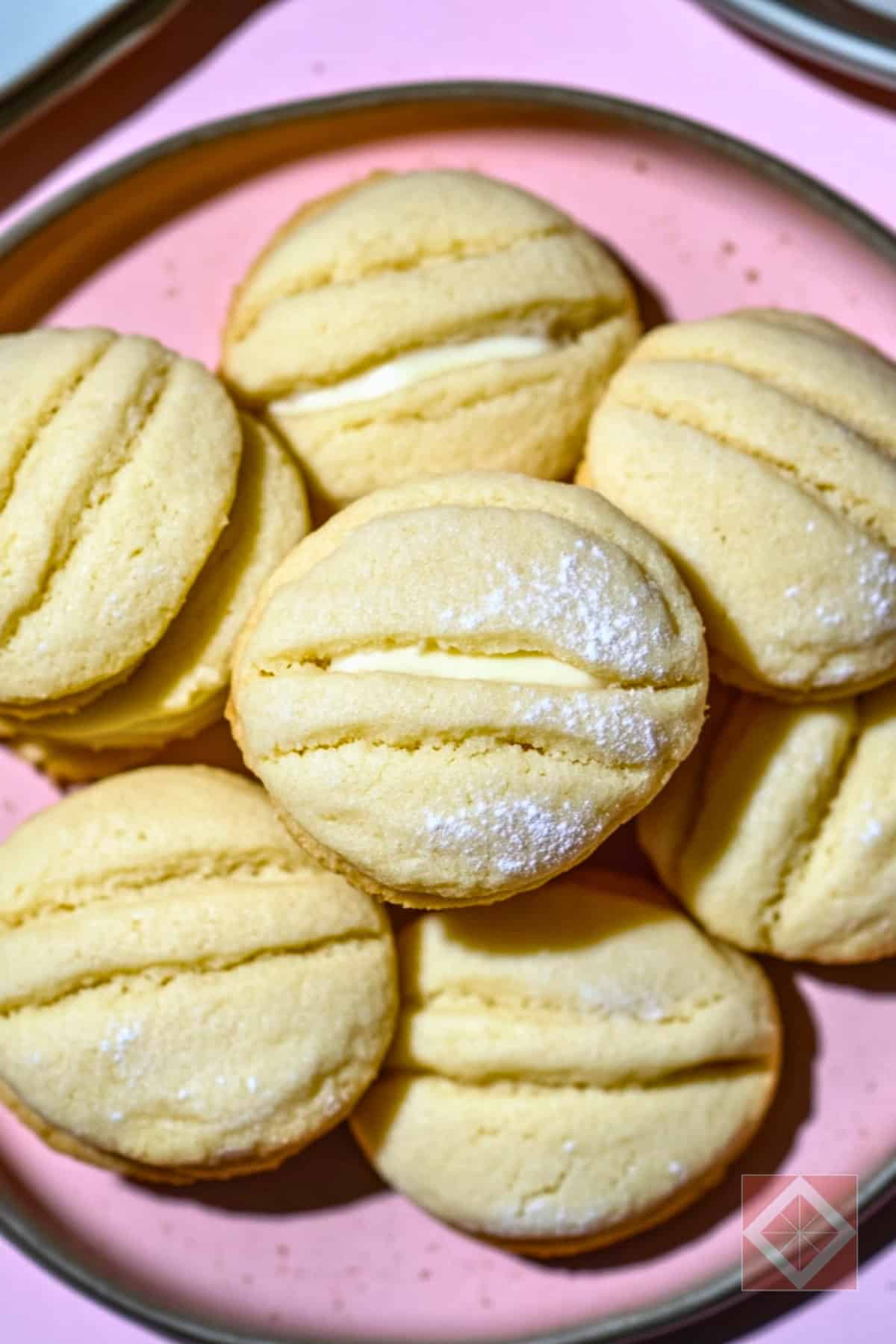
There’s a reason why Melting Moments remain a treasured part of old recipes and vintage baking traditions. They embody the simple pleasures of home-baked goods, offering a delicate balance of richness and lightness.
Their popularity from the 1950s to today speaks to their timeless appeal, proving that sometimes, the simplest ingredients create the most unforgettable treats.
For those who appreciate classic confections, Melting Moments deliver a taste of nostalgia with every bite.

Old-Fashioned Melting Moments Recipe (1950s)
Equipment
- Stand mixer or hand mixer
- Piping bag (optional)
- Baking sheet
- Parchment paper
- Wire cooling rack
Ingredients
For the Cookies:
- 2 cups butter softened
- 1 cup powdered sugar
- 1 ¾ cups all-purpose flour
- 1 ½ cups cornstarch
- ½ teaspoon baking powder
For the Filling:
- ½ cup unsalted butter softened
- 1 ¼ cups powdered sugar
- 1 ½ teaspoons vanilla extract
Instructions
Make the Cookies:
- Preheat the Oven – Set to 350°F and line a baking sheet with parchment paper.
- Cream the Butter – In a large bowl, beat the butter with a mixer for about 5 minutes, until it turns lighter in color and fluffy.
- Incorporate the Sugar – Gradually add powdered sugar, mixing until smooth.
- Combine Dry Ingredients – In a separate bowl, whisk together the flour, cornstarch, and baking powder.
- Mix Dough – Slowly blend the dry ingredients into the butter mixture, ensuring everything is well combined with no lumps.
- Chill the Dough – Refrigerate for at least 30 minutes to firm up.
- Shape the Cookies – Scoop small portions (about 1 ½-inch balls) and roll them between your hands. If the dough is sticky, dust your hands lightly with flour.
- Arrange on Baking Sheet – Place dough balls 2 inches apart on the lined sheet.
- Bake – Let them bake for 18 to 20 minutes, just until the edges show a hint of golden brown.
- Cool – Leave them on the baking sheet for 10 minutes before transferring to a wire rack, as they are very delicate when warm.
Make the Filling:
- Cream the Butter – In a mixing bowl, beat softened butter for 5 minutes until pale and fluffy.
- Add Sugar & Vanilla – Gradually mix in powdered sugar and vanilla extract, beating for another 3 minutes until the mixture is light and smooth.
Assemble the Cookies:
- Fill the Cookies – Once the cookies have completely cooled, spread a generous layer of filling on the flat side of half the cookies.
- Sandwich Them – Place another cookie on top, gently pressing together to create a sandwich.
- Store – Keep in an airtight container at room temperature or in the fridge for extra freshness.
Notes
- These cookies have a delicate, melt-in-your-mouth texture, so handle them gently when assembling.
- Chilling the dough helps prevent excessive spreading during baking.
- For a neater presentation, pipe the filling using a piping bag instead of spreading with a knife.
- If you want a more authentic 1950s touch, try dusting the finished cookies with a light sprinkle of powdered sugar before serving.

Davin is a jack-of-all-trades but has professional training and experience in various home and garden subjects. He leans on other experts when needed and edits and fact-checks all articles. Also an aspiring cook we he researches and tries all kinds of different food recipes and shares what works best.