
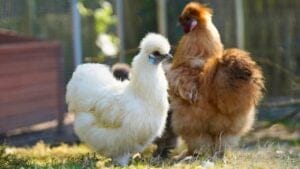
The first time I saw a Silkie, I thought someone had glued cotton balls to a chicken.
Then I picked it up. The feathers felt like rabbit fur. The bird sat in my hands like it had been waiting there its whole life. I looked at my husband and said, “We’re getting these.”
Silkie chickens are the reason people who swore they’d never keep birds end up with a backyard flock. They don’t look real.
They act more like cats than poultry. And once you own one, you understand why people collect them in every color.
But they’re also high maintenance in ways nobody mentions until you’ve already fallen in love.
If you’re new to chickens entirely, start with our Beginner’s Guide to Raising Chickens first. Silkies need everything regular chickens need, plus a few things that are specific to being essentially a chicken in a fur coat.
What Makes Silkies Biologically Weird
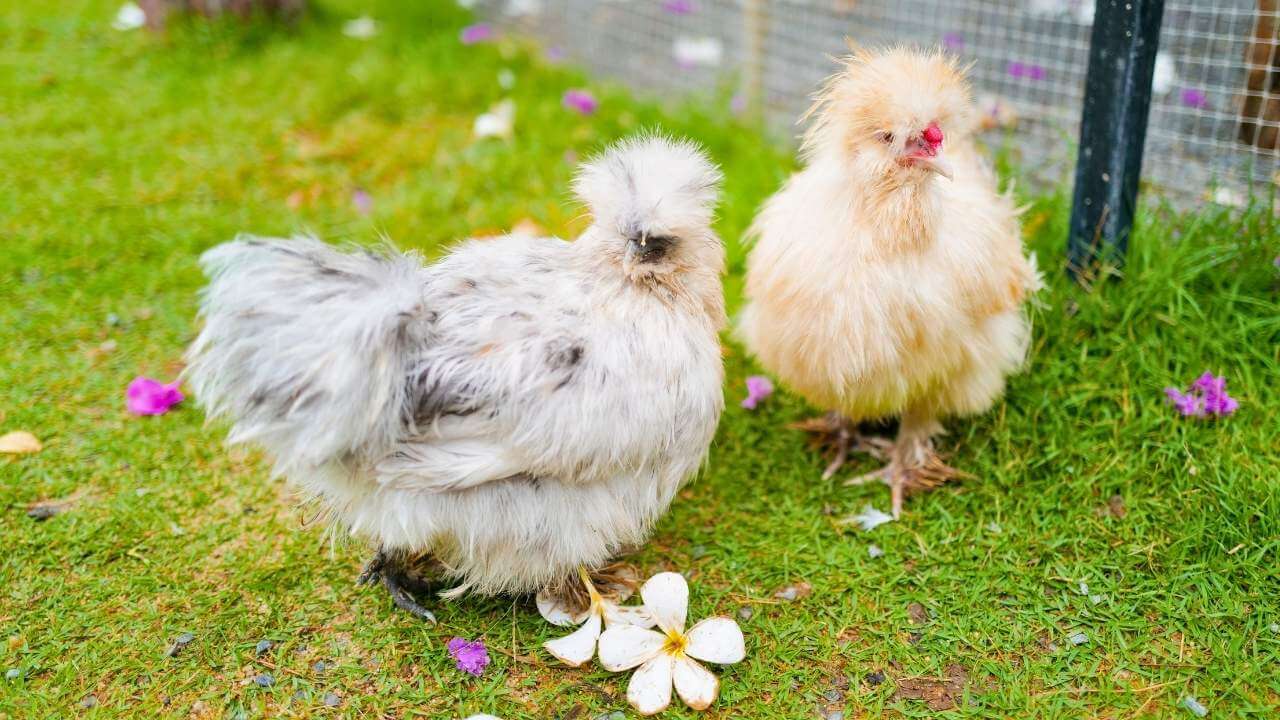
Silkies aren’t just fluffy. They’re anatomically different from other chickens in ways that matter.
Black skin and bones: Cut into a Silkie and everything is black. The skin, the meat, the bones. It’s called fibromelanosis. In some cultures this is prized. In Western cooking it looks unsettling.
Five toes instead of four: Most chickens have four toes. Silkies have five. The extra toe sticks out the back and serves no purpose I’ve ever noticed except making them easier to identify.
Feathers that aren’t really feathers: Normal feathers have tiny hooks called barbicels that zip the feather together into a smooth surface.
Silkies don’t have these hooks. Their feathers fall apart into individual strands, which makes them look and feel like fur.
This also means they cannot fly. Not even a little. A Silkie can’t flutter up to a roosting bar the way other chickens can. They just stand there looking at it.
Temperament (Why People Get Addicted to Silkies)
Silkies are the lap dogs of the chicken world.
They don’t run from you. They walk up to you. Kids can carry them around like stuffed animals and the birds just tolerate it. I’ve never seen a Silkie peck anyone.
If you want a chicken that your children can hold without getting scratched or scared, this is the breed.
The broody problem: Silkies go broody constantly. Broody means the hen wants to sit on eggs and hatch them. She’ll sit in the nest box for weeks, refusing to move, getting skinny and angry.
The upside is that Silkies are the best mothers in the poultry world. People use them to hatch duck eggs, turkey eggs, quail eggs. They’ll sit on anything.
The downside is that while a hen is broody, she stops laying. And Silkies already don’t lay many eggs.
You can break broodiness by moving the hen to a wire-bottom cage for a few days, but it feels mean. Most Silkie owners just accept that their birds will spend half the year trying to be mothers.
Silkie Chicken Colors (The Part Everyone Saves to Pinterest)
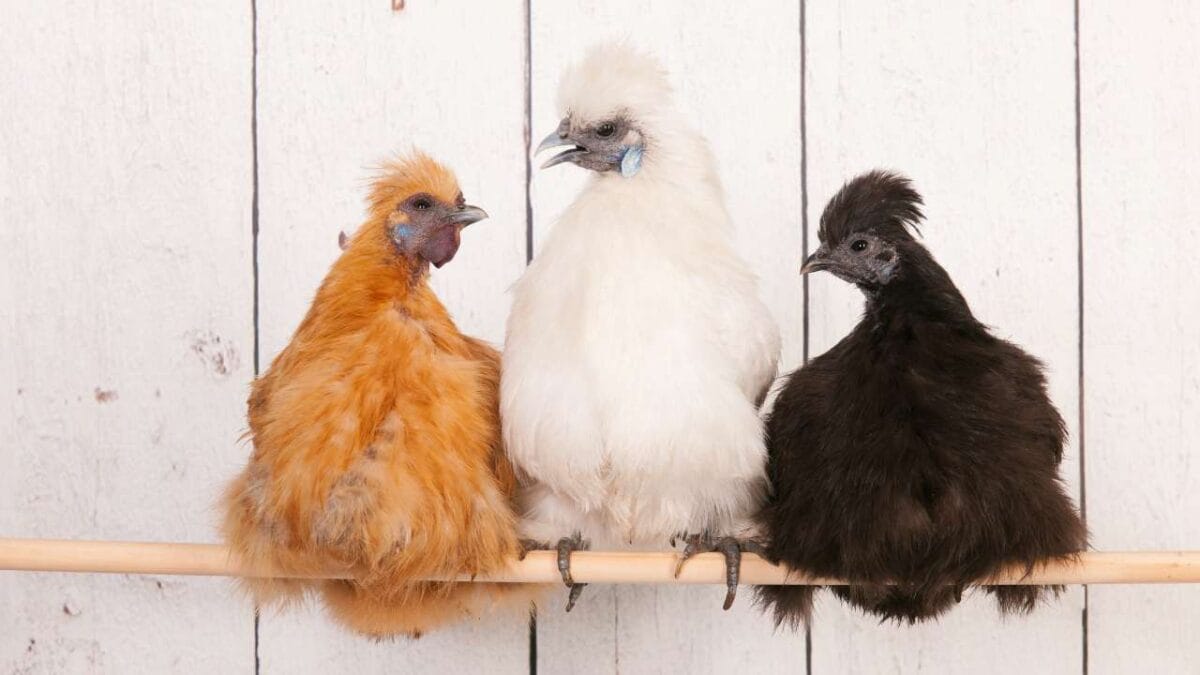
Silkies come in colors that make you want to collect all of them like trading cards.
White: The classic. Looks like a cotton ball with legs. This is the color most people picture when they think of Silkies.
Paint: White with random black spots. Every bird is different. Some have one spot, some look like they rolled in ink. These are trendy right now and hard to find.
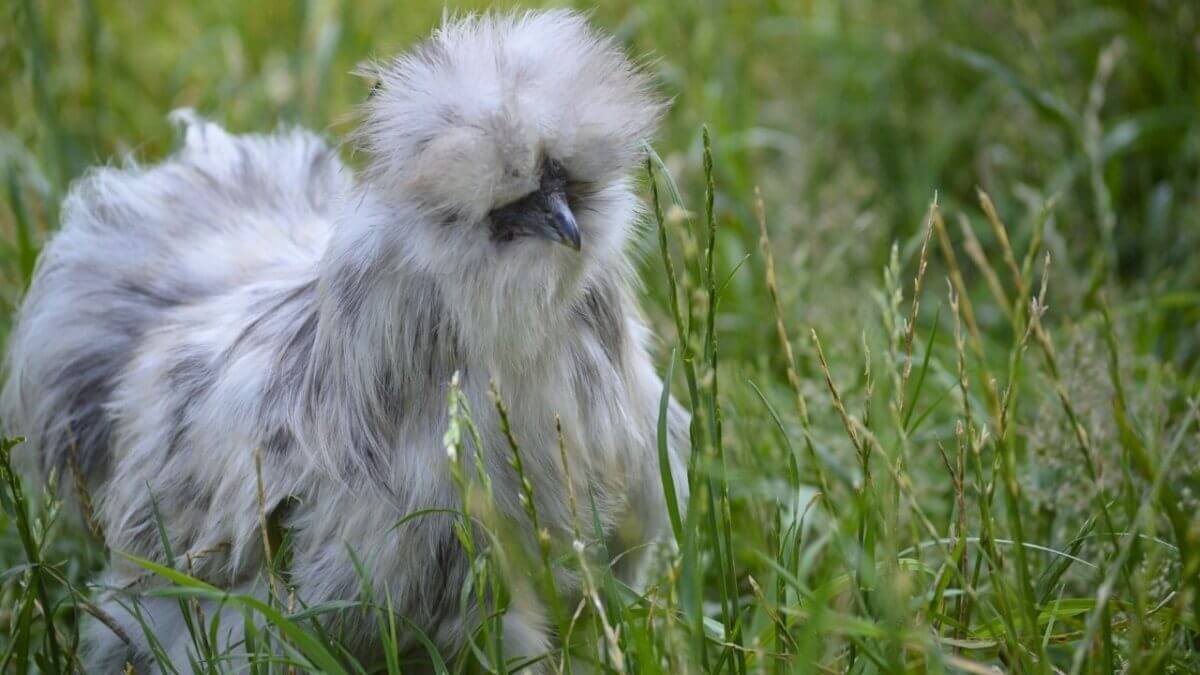
Splash: A messy watercolor mix of white, blue, and gray. No two birds look the same. Splash Silkies always look a little dirty even when they’re clean.
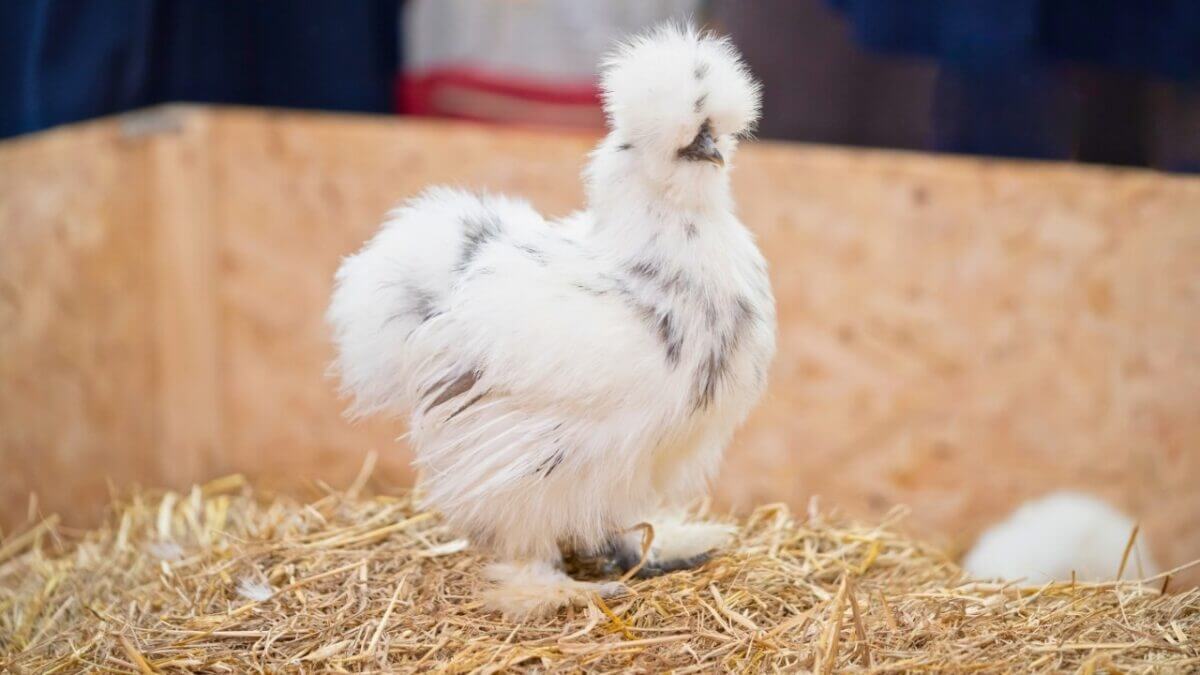
Blue: More of a slate gray than actual blue. These look elegant in a way the white ones don’t.
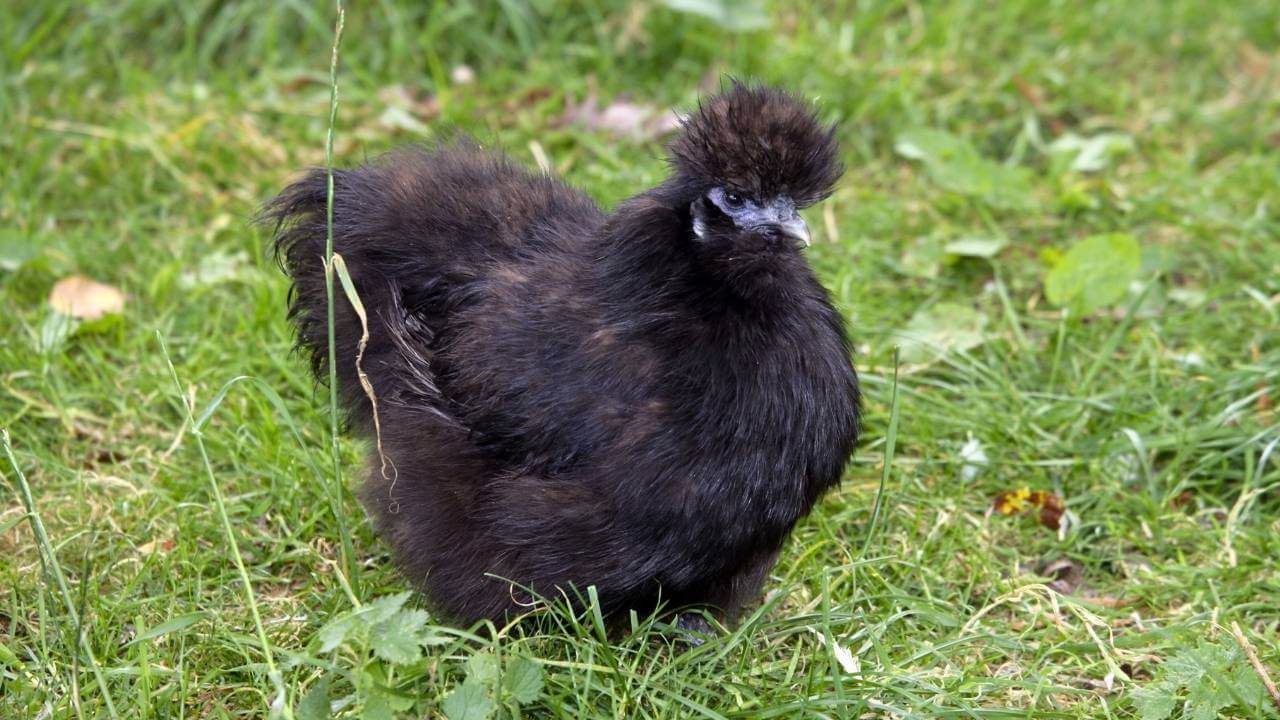
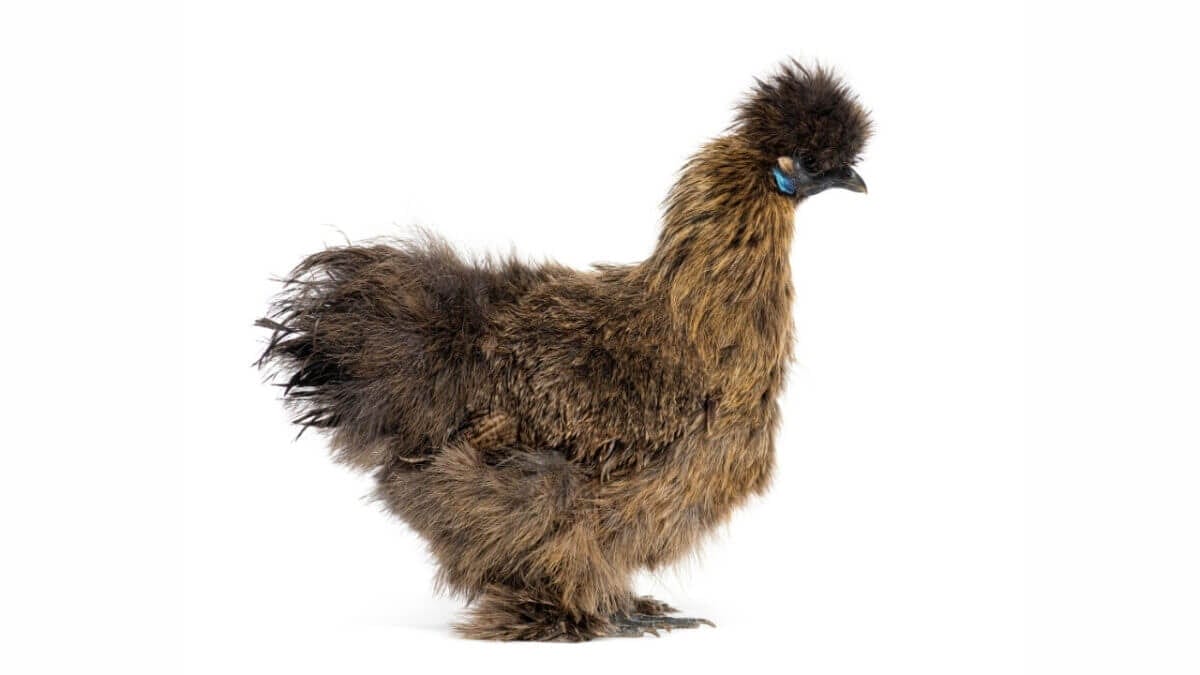
Partridge: Brown and gold striping that looks like chipmunk fur. Good camouflage if you have hawks. The roosters are especially pretty with dark heads and gold hackles.
There are other colors, buff and black and lavender, but these five are the ones you’ll see most often.
Egg Production (Lower Your Expectations Now)
Silkies lay about 100 to 120 small cream-colored eggs per year. A good layer breed like a Leghorn lays 300.
Silkie eggs are small. Three Silkie eggs equal about two regular chicken eggs in volume.
You don’t get Silkies for eggs. You get them because they look absurd and feel wonderful and sit in your lap while you drink coffee.
If you want eggs, get a different breed. If you want a pet that happens to occasionally lay eggs, get a Silkie.
The High Maintenance Parts Nobody Mentions
This is where most Silkie guides stop being honest.
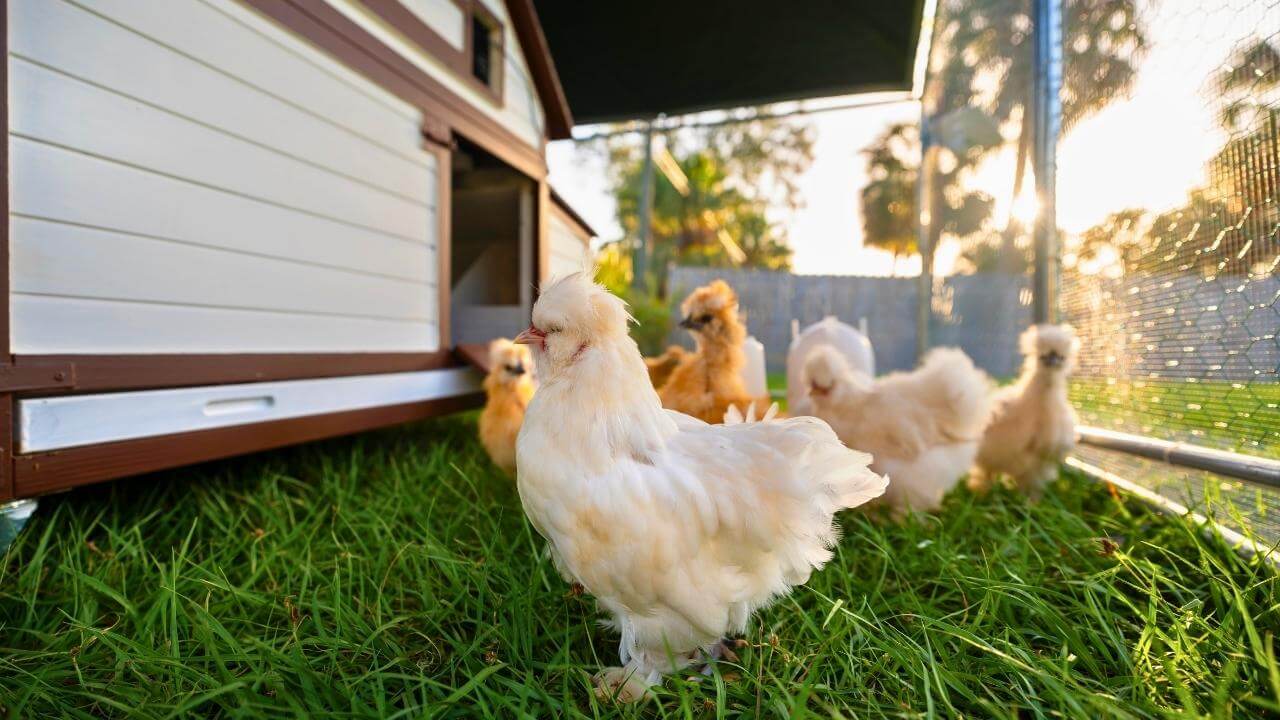
They soak up water like sponges: Because their feathers don’t zip together, Silkies have no waterproofing. A Silkie in the rain is a soaking wet Silkie. A soaking wet Silkie in winter is a dead Silkie.
They must have a covered run. Not optional. If your run is open to sky, you’ll lose birds.
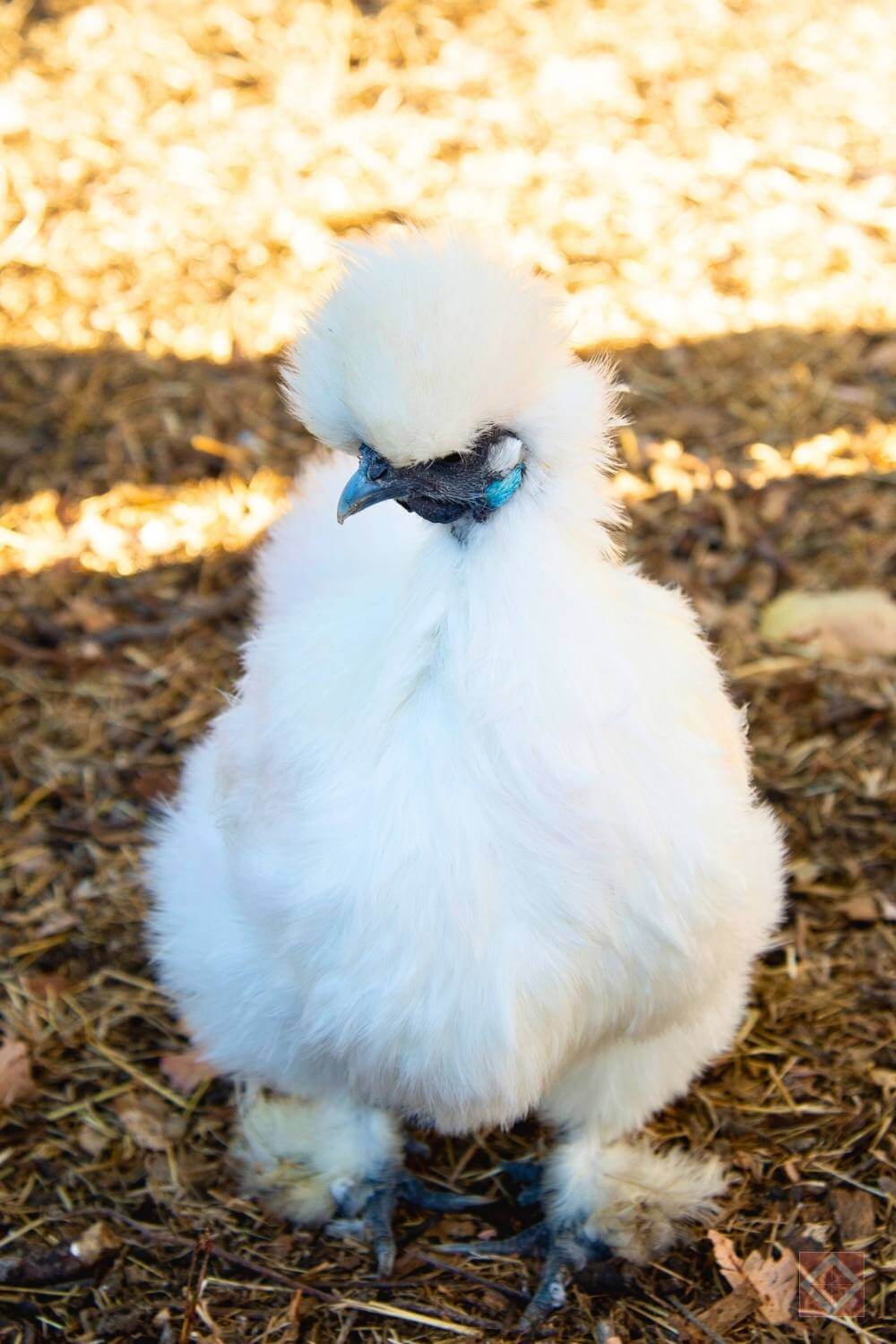
They can’t see: That fluffy poof on their head covers their eyes. They walk into things. They can’t spot predators coming. They miss food on the ground right in front of them.
You have two choices. Trim the feathers around their face every few weeks so they can see. Or use a tiny hair tie to pull the crest feathers back into a topknot.
I trim. It takes two minutes with scissors. The birds look goofy for a week then the feathers grow back.
Low roosts or floor sleeping: Silkies can’t fly up to a roosting bar. If your roost is higher than twelve inches, they’ll sleep on the floor.
Chickens sleeping on the floor pile on top of each other. The ones on bottom get crushed or suffocated. This happens more than people admit.
Either build roosts at ground level or accept that Silkies will use nest boxes as beds.
Foot feathers tangle: Silkies have feathers on their feet. These feathers collect mud, poop, straw. The feathers matt together and sometimes the bird can’t walk properly.
Use sand or fine pine shavings for bedding. Never straw. Check their feet weekly and trim any matted feathers.
Housing a Silkie Safely
Everything about Silkie housing comes back to the fact that these birds are slow, blind, and can’t escape anything.
Gentle ramps: If your coop is raised, the ramp needs to be nearly flat. Silkies don’t jump. A ramp that works for regular chickens is too steep for a Silkie.
Fine bedding: Sand is best. Pine shavings work. Straw tangles in their foot and body feathers and turns into a mess.
Predator proofing: Silkies are sitting ducks. They can’t see hawks coming. They can’t outrun dogs. They can’t flutter over a fence to escape.
Use hardware cloth, not chicken wire. Cover the run. Check for gaps a weasel could squeeze through. Silkies don’t survive mistakes.
For more details on building predator-proof housing, see the housing section in our beginner’s guide.
Questions Everyone Asks About Silkie Chickens
Are Silkie chickens friendly? Yes. The friendliest chicken breed that exists. They’re docile, calm, and tolerate handling better than any other bird.
How long do Silkies live? Seven to nine years, which is longer than high-production layer breeds. Birds that lay fewer eggs tend to live longer.
Can you eat Silkie chickens? Technically yes. The black meat is prized in Asian cuisines. To most Western cooks it looks wrong. And most people who own Silkies consider them pets, not food.
Are Silkies good with kids? The best. They don’t peck, they don’t run, they sit still when held. Perfect first chicken for children.
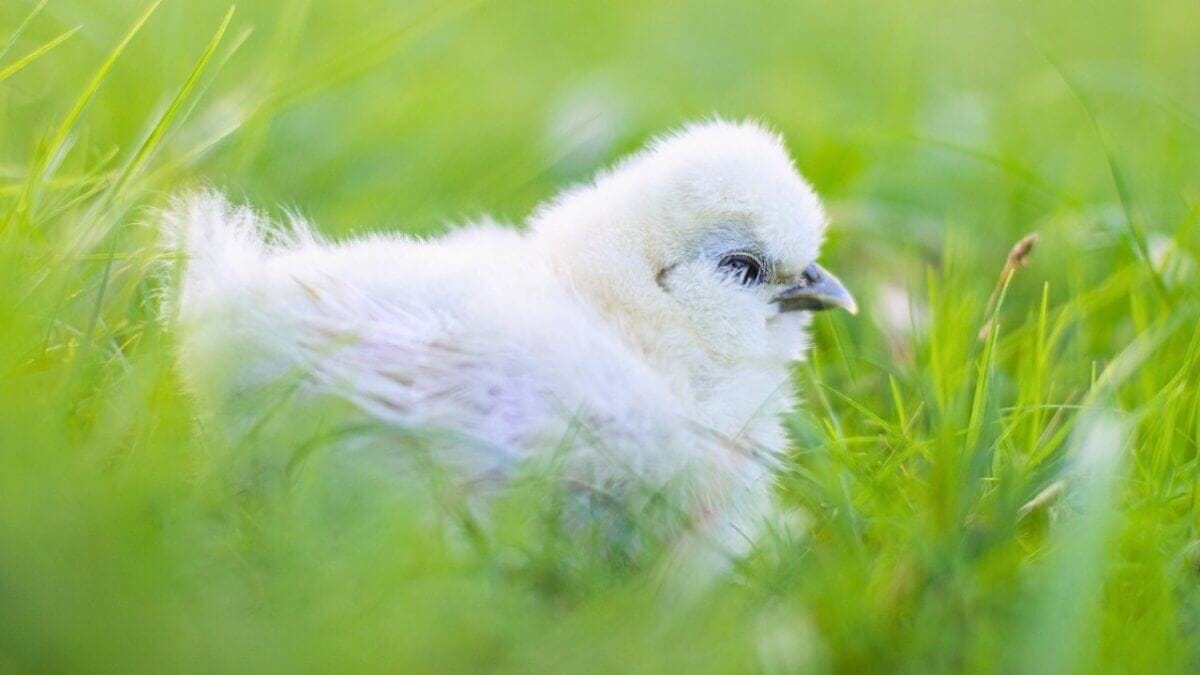
Do baby silkie chicks look fluffy right away? Yes. Silkie chicks hatch looking like tiny puffballs. The fur texture is there from day one. This is why photos of baby silkie chicks go viral on Pinterest.
Why People Keep Silkies Despite the Extra Work
Silkies require more attention than regular chickens. More grooming, more protection, more covered space.
But when you sit outside and a Silkie walks over and settles into your lap like it’s the most natural thing in the world, the extra work stops mattering.
They’re not efficient. They’re not practical. They won’t lower your grocery bill.
They’re the chickens you keep because some things are worth doing even when they don’t make sense on paper.
If you’re still deciding whether Silkies are right for you, compare them to other [small and fluffy chicken breeds] to see what else is out there. But chances are, if you’ve gotten this far, you’ve already made up your mind.

Davin is a jack-of-all-trades but has professional training and experience in various home and garden subjects. He leans on other experts when needed and edits and fact-checks all articles. Also an aspiring cook we he researches and tries all kinds of different food recipes and shares what works best.