
Saying goodbye to a beloved pet is one of life’s most heart-wrenching experiences. As our loyal companions age, it’s natural to worry about their health and well-being.
Recent studies have shown that the loss of a dog can have a profound impact on owners, often leading to grief similar to that experienced after the loss of a human family member. This deep sense of loss can affect an owner’s outlook on life.1
Recognizing the signs that your dog may be nearing the end of their journey can help you prepare emotionally and provide them with the comfort and care they deserve in their final days.
1. Significant Loss of Appetite & Weight
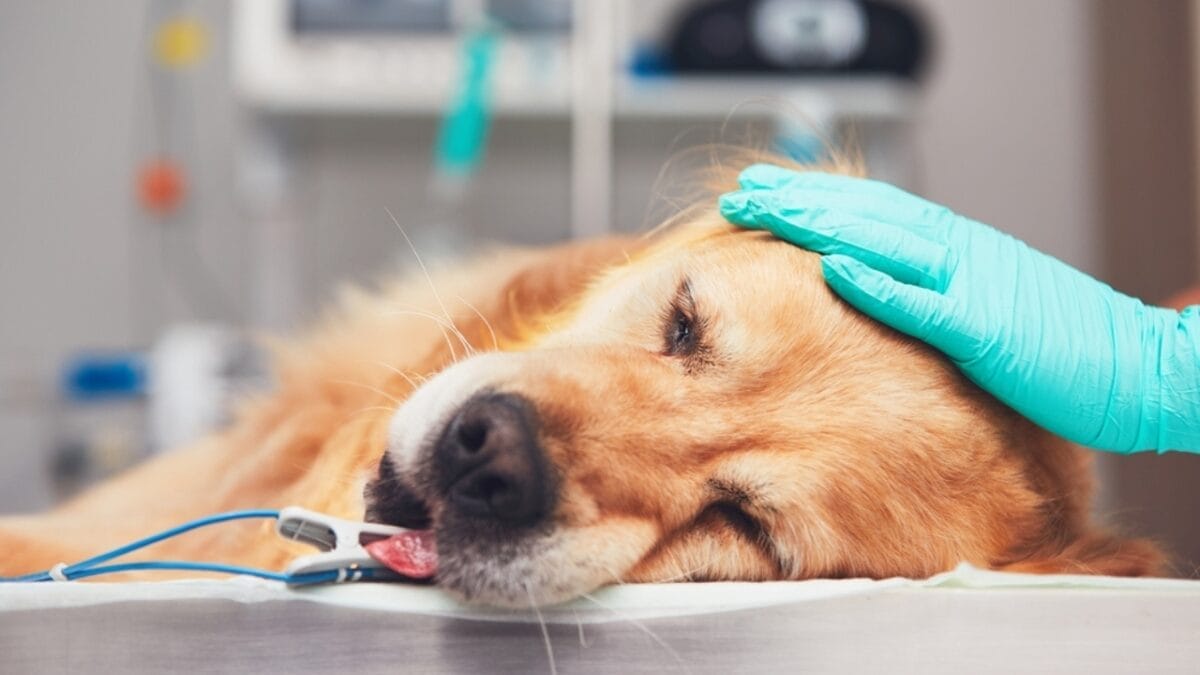
A dog nearing the end of its life will often lose interest in food and water, resulting in rapid weight loss and dehydration. This is often due to a combination of factors, including organ failure and decreased metabolism.
2. Extreme Lethargy & Weakness

A once energetic dog may become increasingly lethargic and weak, struggling to get up, walk, or engage in activities they once enjoyed. This can be a sign of pain, exhaustion, or a decline in organ function.
3. Changes in Breathing Patterns
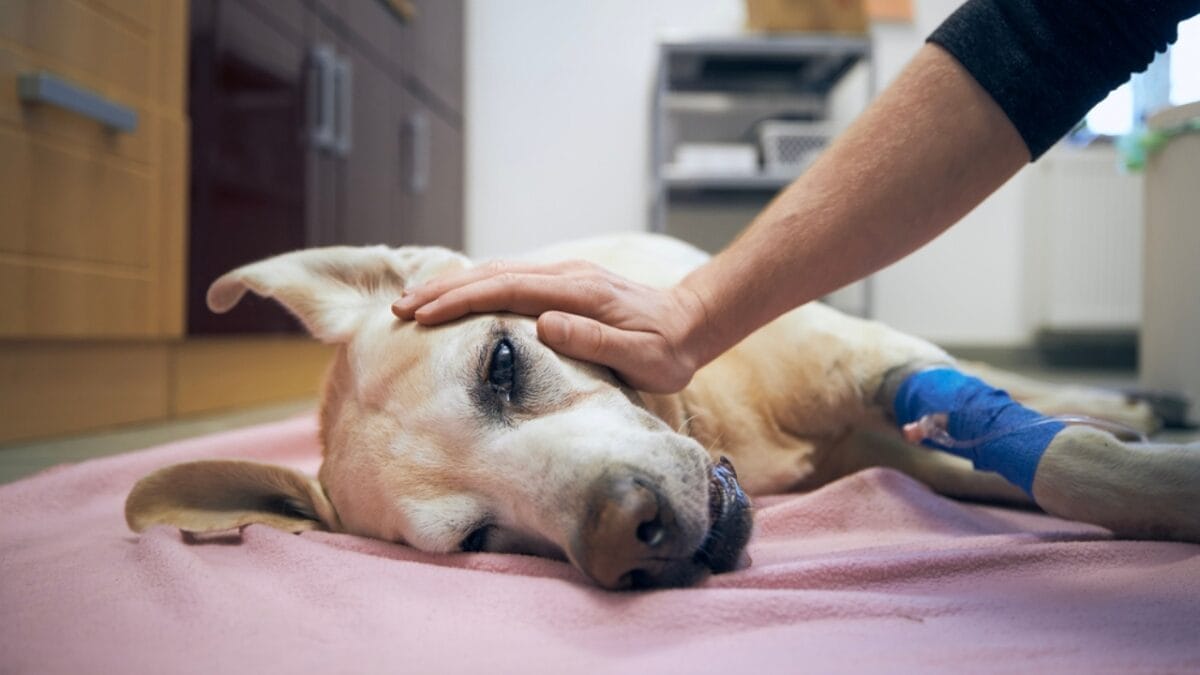
As organs begin to fail, a dog’s breathing may become labored, shallow, or irregular. They might pant excessively even when not hot or active, and you might notice their gums turning pale or blue due to lack of oxygen.
4. Loss of Bladder or Bowel Control
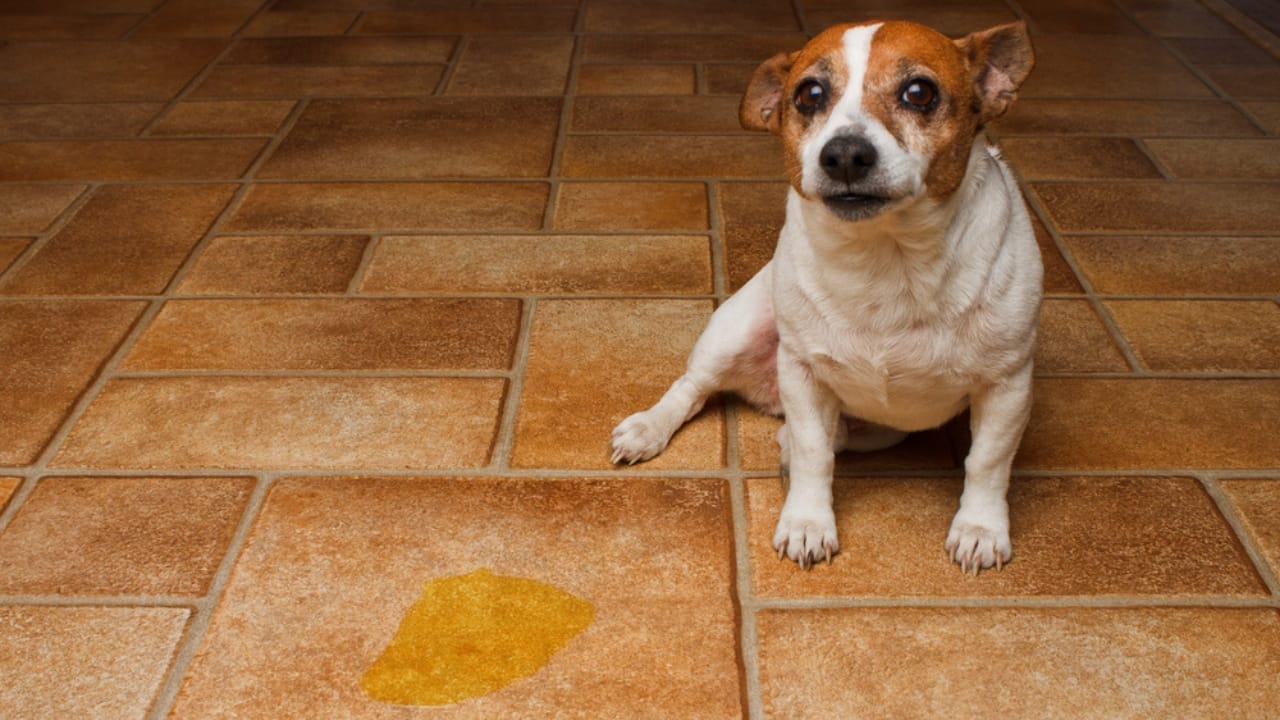
Incontinence can occur as muscles weaken and bodily functions decline. This may result in accidents in the house or a loss of awareness of the need to go outside.
5. Withdrawal & Disinterest

A dog approaching the end of life might withdraw from social interaction, seeking solitude and becoming less responsive to familiar sights, sounds, and smells. This can be a sign of pain, depression, or a general sense of disengagement as the body shuts down.
6. Extreme Coldness or Low Body Temperature

A dog’s body temperature may drop significantly as their circulation slows down and organs start to shut down. Their ears, paws, and nose might feel unusually cold to the touch.
7. Changes in Gum Color & Capillary Refill Time
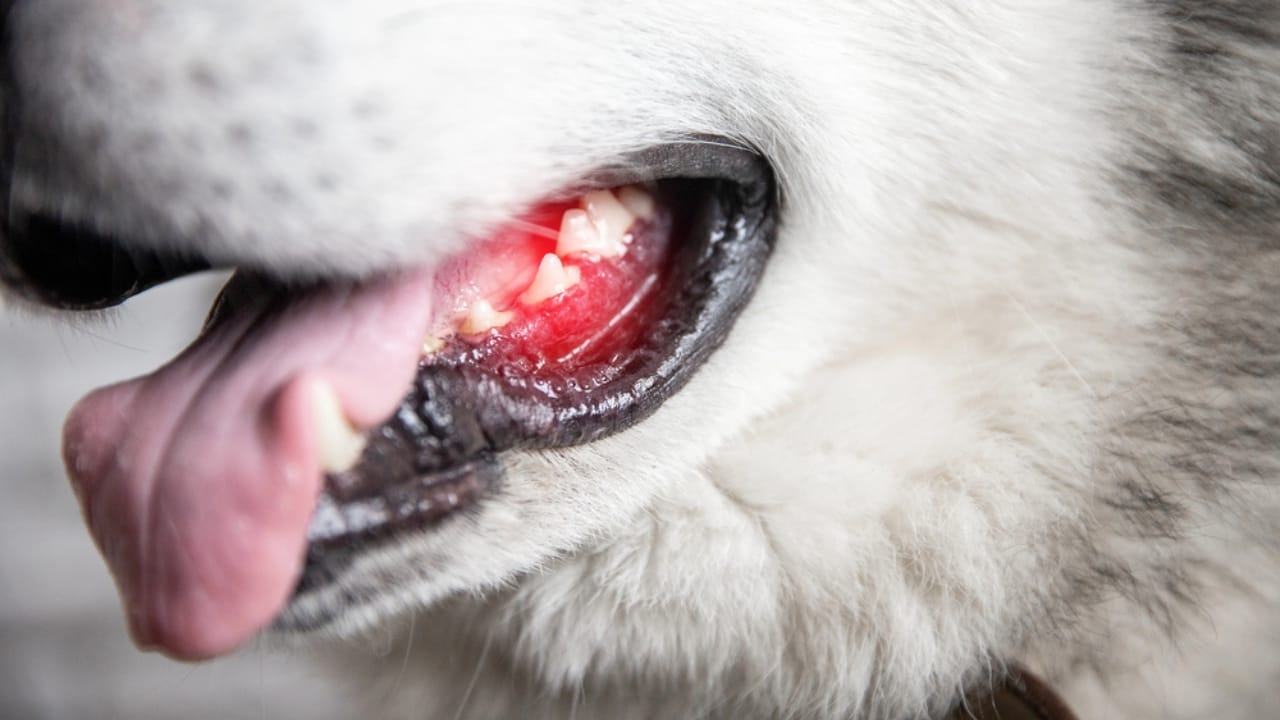
Healthy gums are typically pink and when pressed, they return to their normal color quickly (within 2 seconds).
In a dying dog, the gums might become pale, gray, blue, or even purple, and the capillary refill time (CRT) might be prolonged. This indicates poor circulation and lack of oxygen.
8. Hiding or Seeking Solitude

As dogs instinctively sense their decline, they may seek out quiet, secluded places to hide. This could be under furniture, in a closet, or somewhere else they feel safe and undisturbed.
9. Mental Confusion or Disorientation

Some dogs might exhibit signs of confusion, disorientation, or even dementia as their brain function deteriorates. They might wander aimlessly, forget learned commands, or fail to recognize familiar people or places.
10. Unpleasant Odor

Due to a buildup of toxins and organ failure, a dying dog might develop a strong, unpleasant odor. This could be a result of poor hygiene, infections, or internal issues.
Witnessing the decline of our beloved pets is a deeply emotional experience. While the signs discussed in this article may indicate your dog is nearing the end of their life, it’s important to remember that every dog is unique and may experience their final journey differently.
Source:

Davin is a jack-of-all-trades but has professional training and experience in various home and garden subjects. He leans on other experts when needed and edits and fact-checks all articles. Also an aspiring cook we he researches and tries all kinds of different food recipes and shares what works best.