
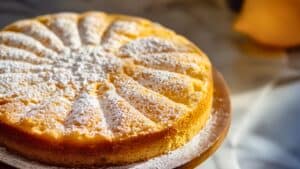
If you’ve never had sandtorte before, you’re in for something pretty special. It’s kind of like pound cake, but way lighter—almost melt-in-your-mouth soft.
It’s got that old-world charm, the kind of cake you’d imagine someone’s great-grandmother baking in a tiny kitchen with lace curtains and strong coffee brewing nearby.
Not Just a Cake—It’s a Whole Tradition
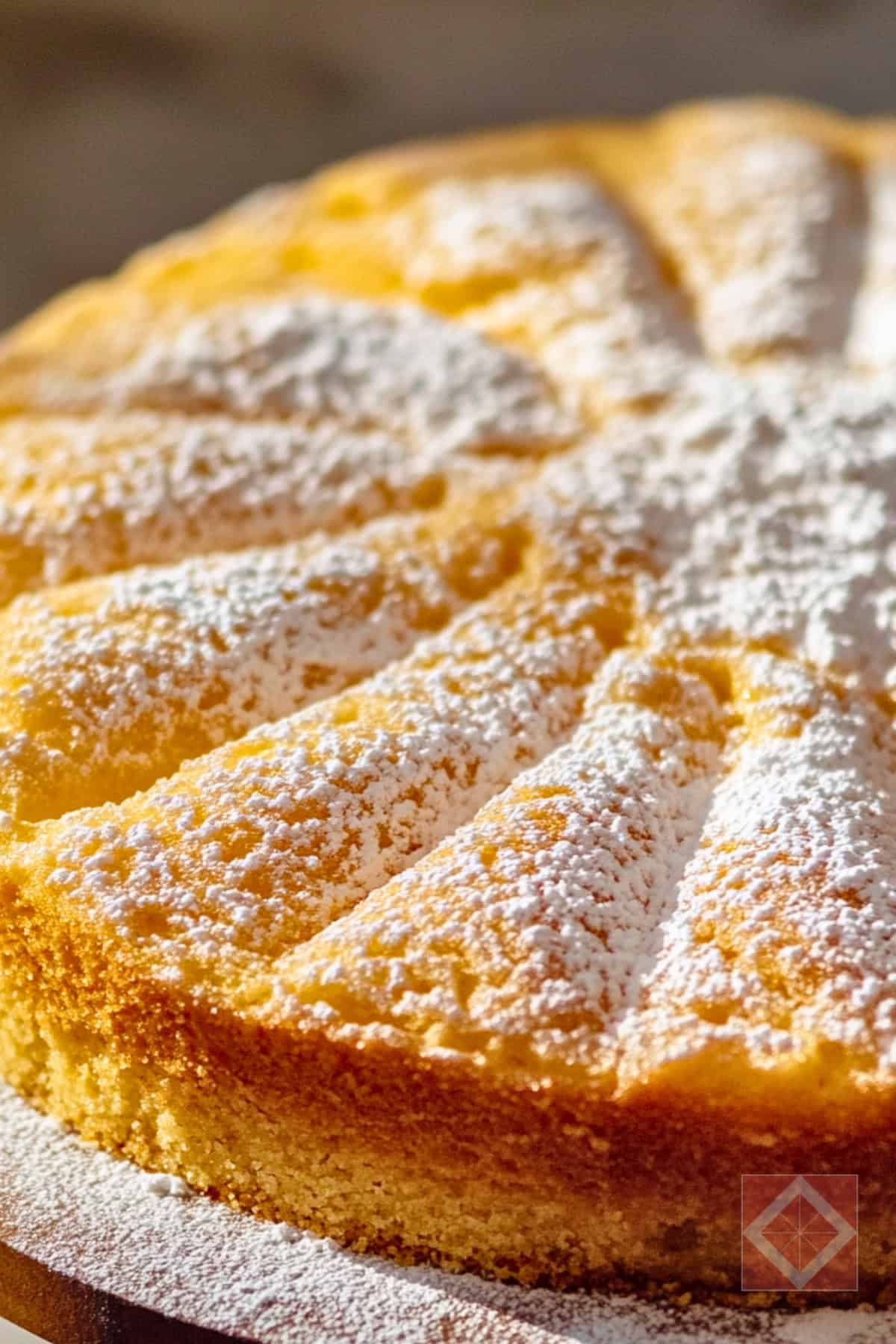
This cake’s been around for ages. Like, over a hundred years easy. It’s rooted in European baking traditions—Germany, Austria, those parts—and it was a favorite for celebrations and tea time long before grocery store cakes were even a thing.
Back then, baking was serious business. People took pride in it. And sandtorte? It was one of those cakes you’d make when you wanted to impress someone.
Light, fine-crumbed, but still buttery and rich in a quiet kind of way. Nothing flashy—just really, really good.
The trick was in the ingredients. Bakers used a mix of flour and cornstarch (sometimes even equal parts), which gave it that soft, almost sandy texture.
That’s actually where the name comes from. “Sand” doesn’t sound super appealing in a cake, but trust—it works.
What Makes It So Dang Good?
It’s all about the texture, really. Most cakes rely just on flour, but sandtorte pulls in cornstarch to keep things airy.
Less gluten = lighter cake. It also helps that the eggs are separated and the whites whipped into soft peaks before getting folded back into the batter.
It’s an extra step, yeah, but it makes the cake feel like it’s got a little lift without losing that buttery bite.
Plus, it’s not overly sweet. That means you can dress it up or down depending on your mood.
Powdered sugar on top, maybe with a fancy doily pattern if you’re feeling extra. Or slice it and serve it with jam, cream, fresh fruit… whatever works.
Still Holds Up in Today’s Kitchen
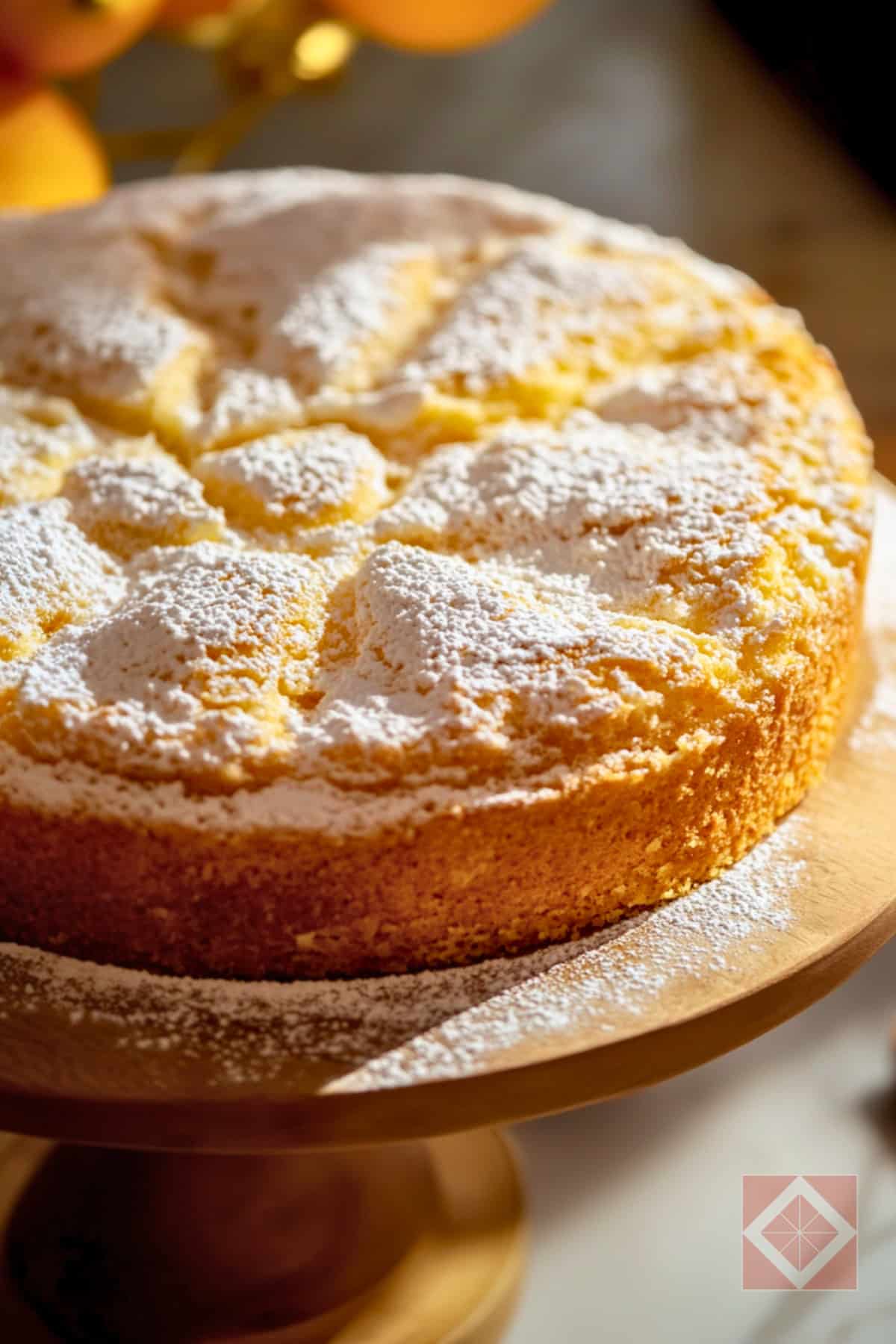
Even though it’s a total vintage recipe, sandtorte doesn’t feel outdated. It’s simple, elegant, and works for everything from brunch to dessert after dinner.
It’s one of those cakes that just looks nice on a table, even without a bunch of decorations or frosting piled on.
It’s especially nice with coffee or tea (like most old European cakes), but honestly? It holds its own with a bit of citrus glaze or even just a dollop of yogurt on the side.
And the crumb stays tender for days if you keep it wrapped right.
Easy Tweaks for Modern Bakers
You can totally mess around with the recipe a bit without losing the magic. Here’s a few ideas:
- Gluten-free? Swap the flour for your fave GF mix. The cornstarch already helps lighten things up, so it works surprisingly well.
- No rum? No problem. Just use vanilla or almond extract if you’re skipping alcohol.
- Feeling creative? Add a little citrus zest—lemon or orange work great. Or sneak in a bit of cardamom or nutmeg to warm things up. It gives the cake a whole new vibe without messing with the basics.
A Cake That Connects the Past and Present
There’s something nice about baking a cake that people were making a hundred years ago and realizing it still tastes amazing. That’s sandtorte.
It’s not trendy or flashy, but it’s got history and heart. And honestly, it’s just good.
So if you’ve been looking for a simple cake that feels kind of special (without being a pain to make), give this one a try. It’s one of those old recipes that still deserves a spot in your kitchen.
Old Sandtorte Recipe (1900s Cake)
Equipment
- 9-inch springform pan
- Stand mixer or electric hand mixer
- Wire cooling rack
Ingredients
- 1 cup butter softened
- 1 cup granulated sugar
- Yolks of 6 large eggs whites reserved
- Zest of 1 lemon grated
- 3 tbsp black or gold rum
- 1 cup cornstarch
- 1 cup all-purpose flour
- 2 tsp baking powder
- ¼ tsp salt
- Powdered sugar for decorating
Instructions
- Preheat the Oven: Set your oven to 350°F and grease a 9-inch springform pan.
- Cream Butter and Sugar: Using a stand mixer with a paddle attachment or a hand mixer, beat the softened butter and sugar together until the mixture is light and fluffy.
- Incorporate Egg Yolks: One at a time, add the egg yolks, mixing thoroughly after each addition. Stir in the lemon zest and rum.
- Mix Dry Ingredients: Gradually add the cornstarch, a couple of tablespoons at a time, while continuing to mix. Slowly incorporate the flour, baking powder, and salt. Beat for at least five minutes until well combined.
- Whip Egg Whites: In a separate clean bowl, whip the reserved egg whites until stiff peaks form.
- Fold in Egg Whites: Gently fold the whipped egg whites into the batter in three separate additions. Be careful to maintain the airy texture and mix until no streaks remain.
- Bake: Pour the batter into the prepared pan and bake for 45 to 50 minutes, or until a toothpick inserted in the center comes out with only a few small crumbs. The cake should begin to pull away from the pan's edges when done.
- Cool: Let the cake cool in the pan for 10 minutes, then transfer to a wire rack to cool completely for about an hour.
- Decorate: Once cooled, place a doily over the cake and dust it generously with powdered sugar. Carefully remove the doily to reveal a beautiful lace pattern.

Davin is a jack-of-all-trades but has professional training and experience in various home and garden subjects. He leans on other experts when needed and edits and fact-checks all articles. Also an aspiring cook we he researches and tries all kinds of different food recipes and shares what works best.