
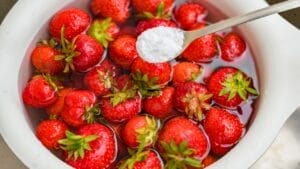
A recent TikTok trend revealed a shocking truth – tiny bugs may be lurking in your strawberries. Videos showed small worms crawling out of berries after being soaked in salt water,1
But don’t panic just yet. While finding creepy crawlies in your fruit is unappetizing, experts say they’re harmless and won’t make you sick.2 Still, if you want to keep your strawberries bug-free, try these 7 simple strategies to protect your precious berry patch.
1. Create a Salty Soak
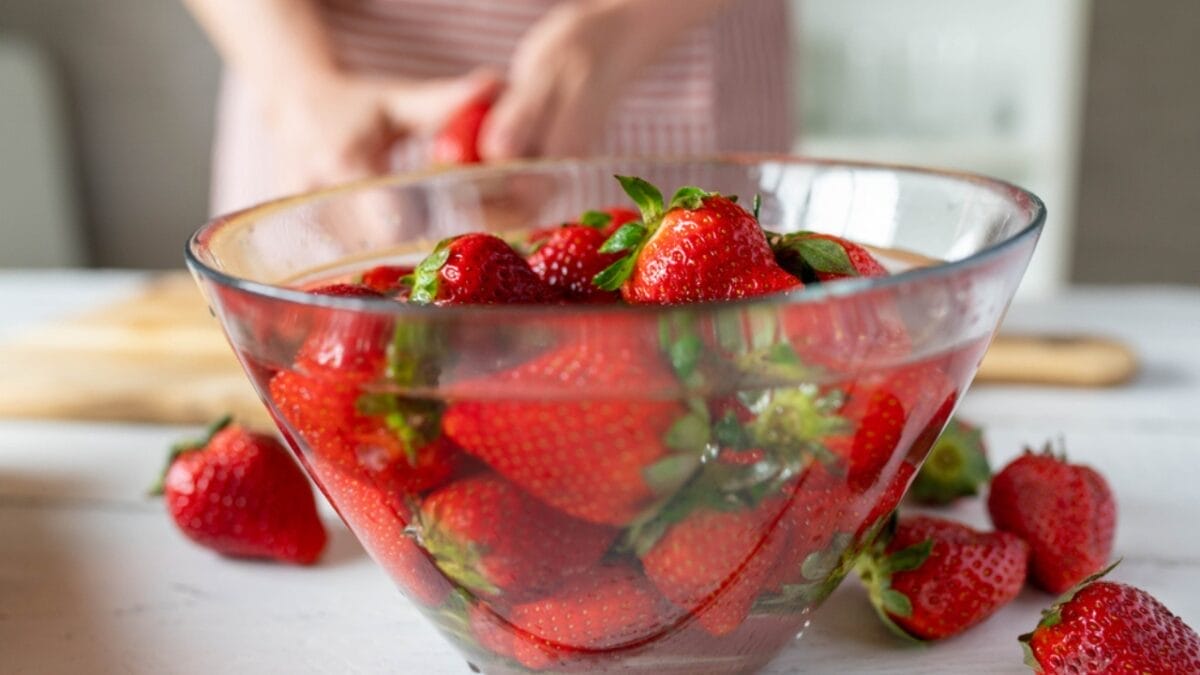
One popular method to draw out hidden pests is to submerge your strawberries in salt water for about 30 minutes. The salty solution will cause any bugs to dislodge from the fruit and float to the surface.
After soaking, rinse the berries thoroughly under cool running water. This will wash away the salt and any expelled bugs. Pat the strawberries dry with a clean towel before storing or eating.
2. Wash with Vinegar
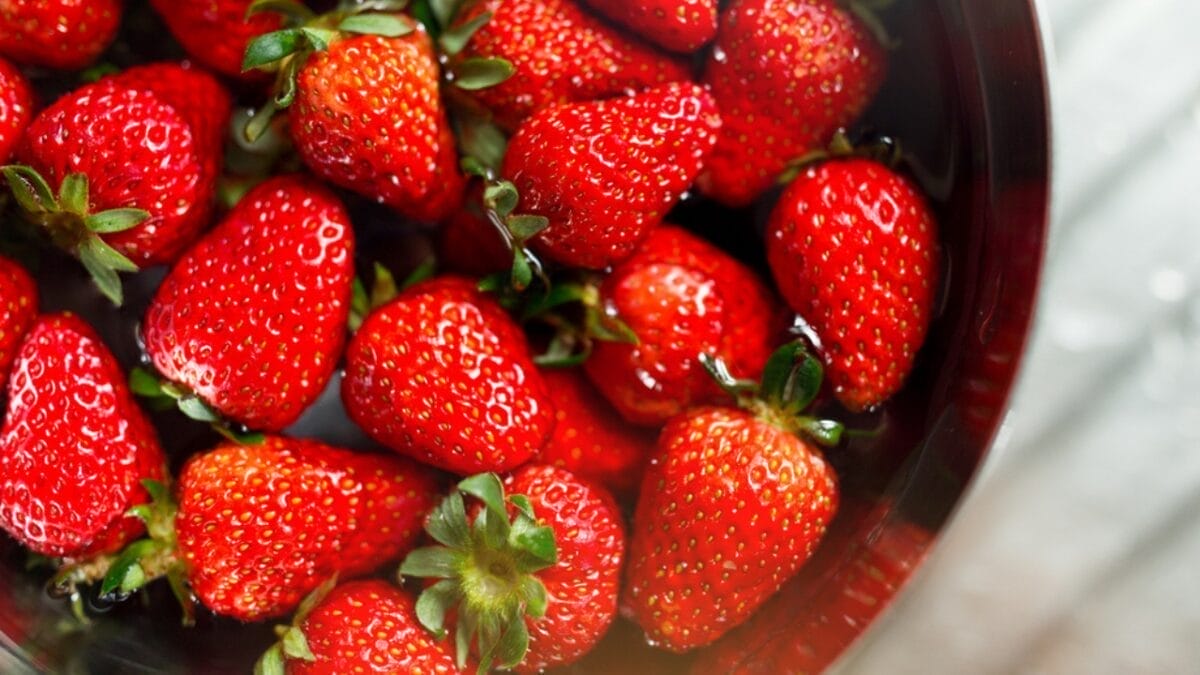
For an even deeper clean, try washing your strawberries in a mixture of water and white vinegar. Combine 2 cups water with 1/2 cup vinegar in a bowl. Let the berries soak for about 10 minutes, then drain and rinse well.
The acidity of the vinegar helps remove bacteria, mold spores, and of course, any clinging insects. It’s an especially good choice for non-organic berries that may have pesticide residue on the surface. Just be sure to rinse thoroughly so your strawberries don’t taste pickled.
3. Soak in Baking Soda
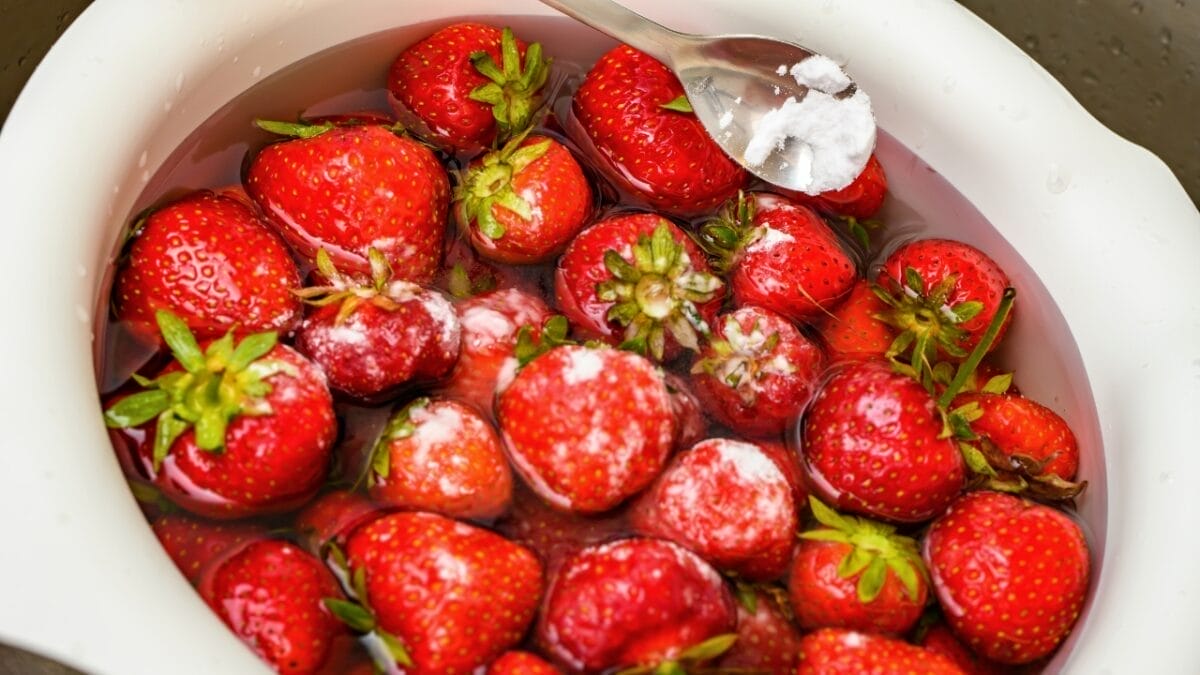
To try this method, mix about 1 teaspoon of baking soda into 2 cups of water. Fully submerge the strawberries in the solution and let them soak for 15-20 minutes. The alkalinity of the baking soda helps to break down and remove contaminants.
After soaking, rinse the berries thoroughly under cool running water to wash away the baking soda along with any dislodged dirt or bugs. Gently pat the strawberries dry before storing or consuming them.
Just don’t soak them for too long, as the alkaline solution can start to break down the fruit itself, causing berries to soften and discolor.
4. Deploy Diatomaceous Earth
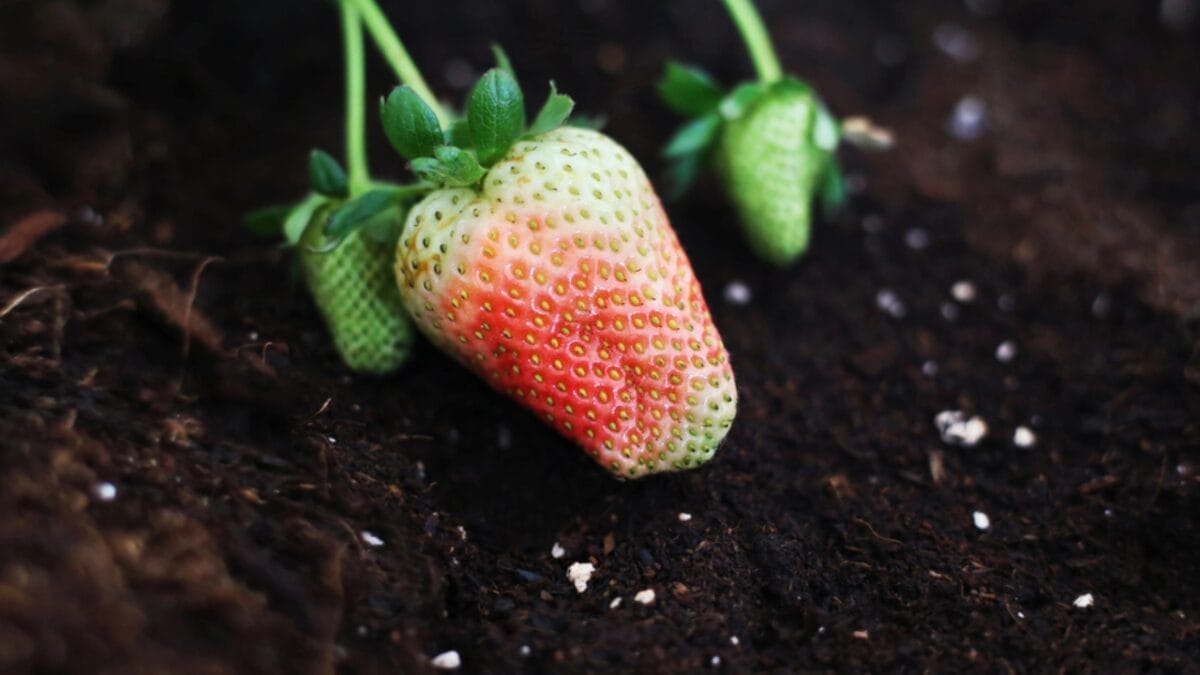
Food-grade diatomaceous earth is a natural powder that can help control many common garden pests, including slugs, ants, and beetles. Made from fossilized remains of microalgae, DE has microscopic sharp edges that damage insects’ exoskeletons, causing them to dehydrate.
Sprinkle a thin layer of DE around the base of your strawberry plants. Avoid getting it directly on the leaves or fruit. Reapply after rain or watering, since moisture reduces its effectiveness. Use DE sparingly, as it can also harm beneficial insects.
5. Surround with Savory Herbs
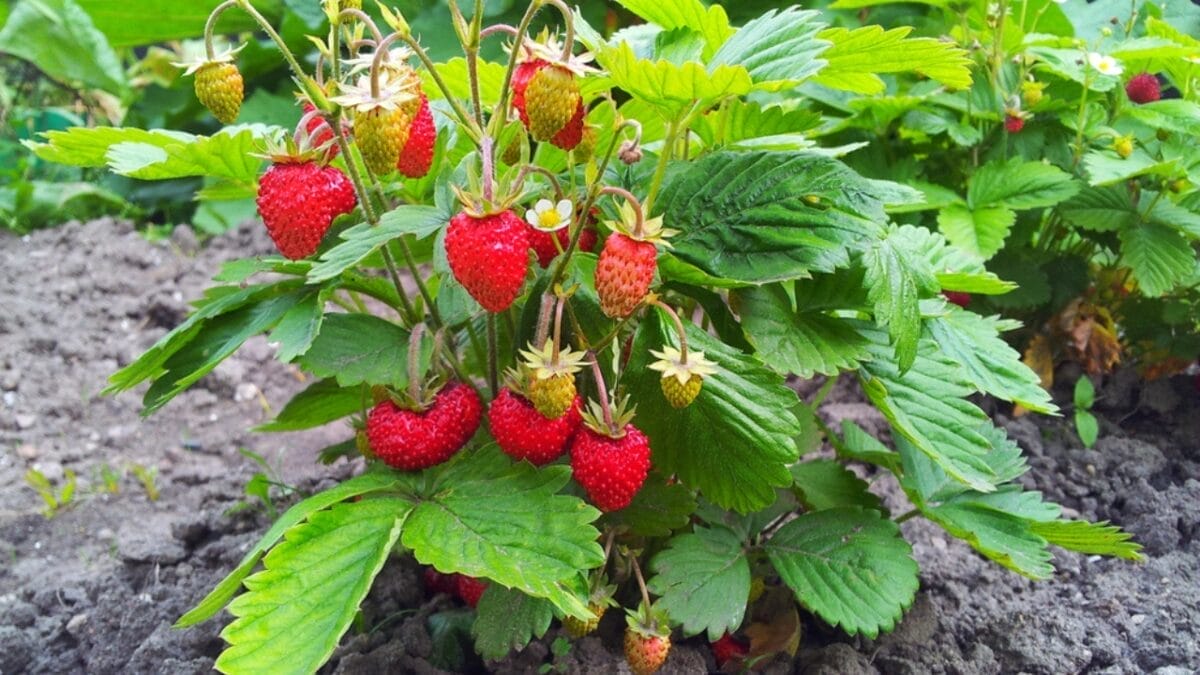
Certain strong-smelling herbs can help repel insect pests from your strawberry patch. Try interplanting chives, garlic, or onions between your strawberry plants.
These savory alliums contain sulfur compounds that many bugs find unappetizing. As an added bonus, they’re also said to improve the flavor of the berries! Other aromatic herbs like basil, mint, and lavender may have a similar effect.
6. Cover with Row Covers
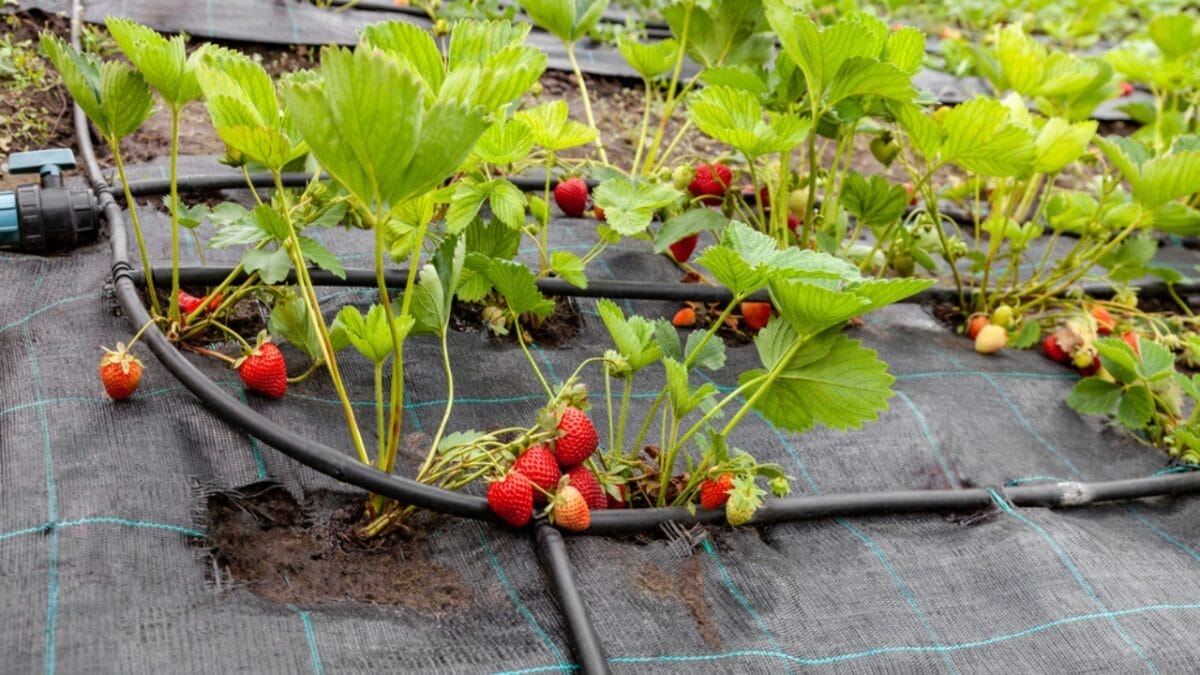
Placing a physical barrier over your strawberry plants is one of the best ways to keep them pest-free. Lightweight row covers, made of translucent fabric, allow air, light and water to reach the plants while keeping bugs out.
Install the covers over hoops or frames just before the berries start to ripen.16 Secure the edges with pins, rocks, or soil to prevent insects from crawling under. Remove covers to harvest ripe berries, then replace until the next picking.
7. Invite Beneficial Predators
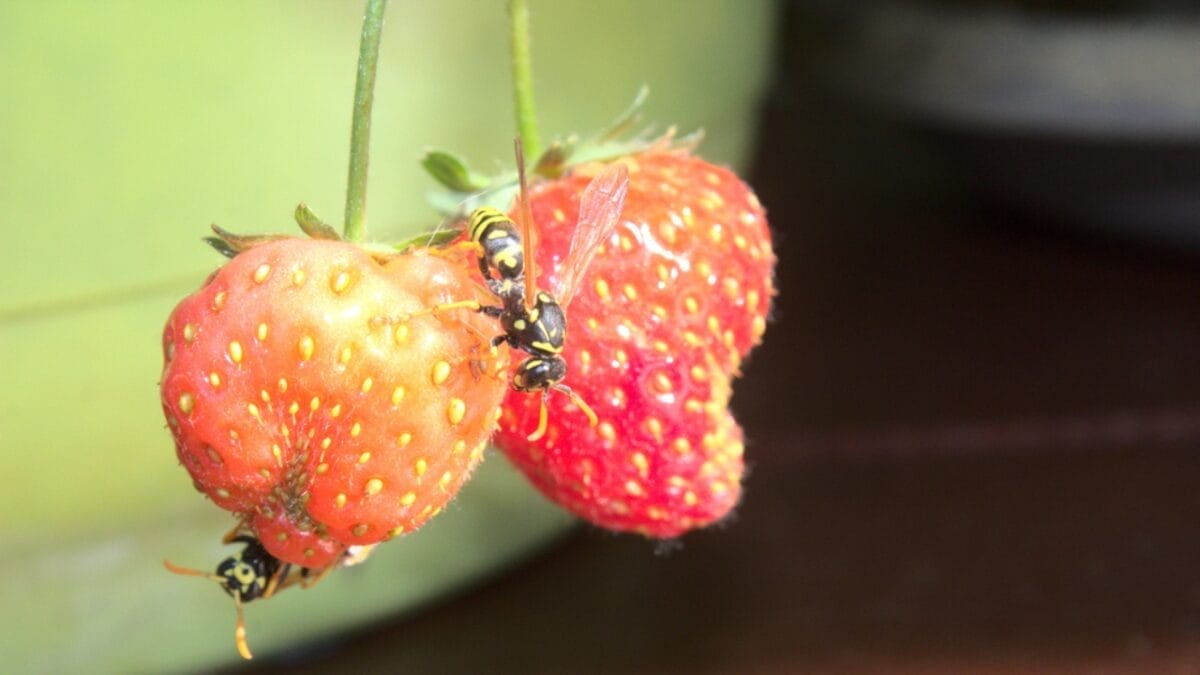
Not all bugs in the garden are bad! Many insects actually help control strawberry pests by preying on them. Ladybugs, lacewings, and minute pirate bugs all feast on aphids, thrips, and mites.
To attract these helpful predators, plant a diverse array of flowering plants near your strawberries. Herbs like dill, fennel, and yarrow provide pollen and nectar for the adult beneficials. Avoid using broad-spectrum insecticides that may harm these garden allies.
Source:
1. thecut.com
2. CNN Article

Davin is a jack-of-all-trades but has professional training and experience in various home and garden subjects. He leans on other experts when needed and edits and fact-checks all articles. Also an aspiring cook we he researches and tries all kinds of different food recipes and shares what works best.