

Pet owners take note: cleaning products are a hidden danger, responsible for 8.3% of all calls to the ASPCA Animal Poison Control Center about pet poisoning.
Many common household cleaners contain chemicals that can cause burns, respiratory distress, or even life-threatening injuries to your pets. Even seemingly harmless products can leave residues or fumes that put sensitive animals at risk.
Here are 18 products you should use with extreme caution—your pet’s safety could depend on it.
1. Bleach-Based Bathroom Cleaners
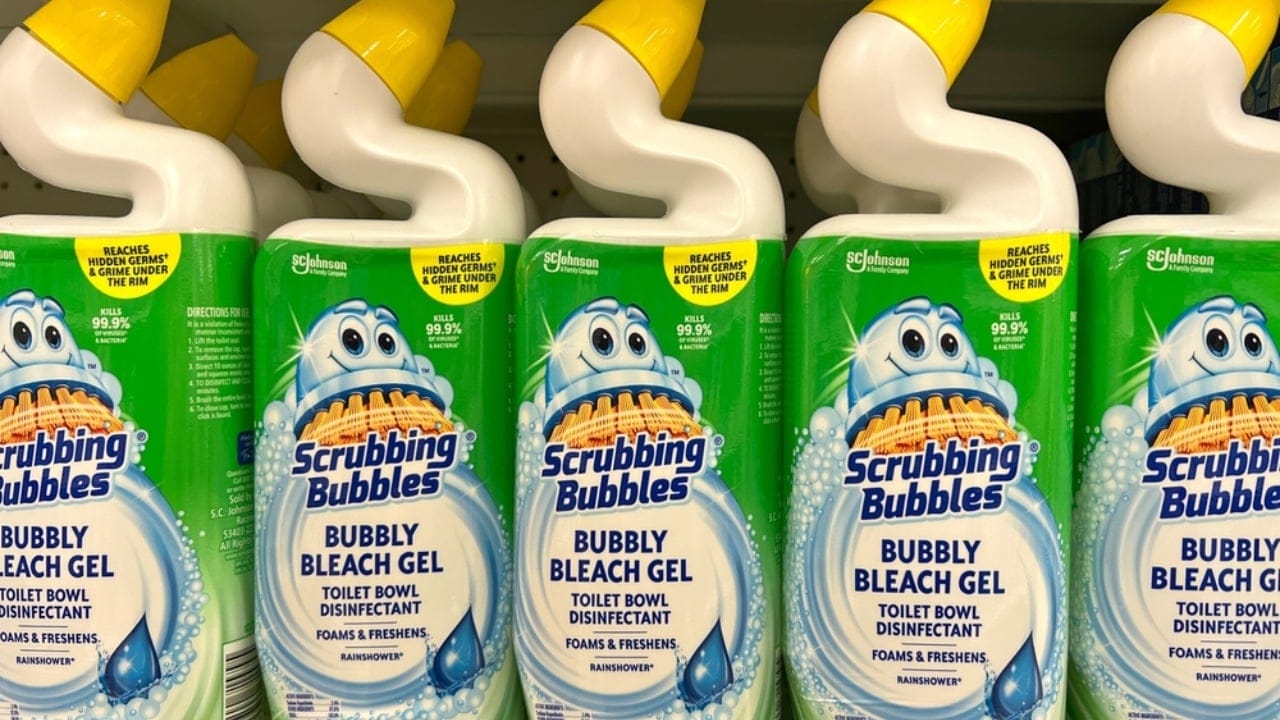
Products like Scrubbing Bubbles Foaming Bleach can cause severe respiratory distress, skin burns, and gastrointestinal issues if pets come into contact with these cleaners. Even the fumes alone can trigger dangerous reactions in sensitive animals.
2. Drain Cleaners
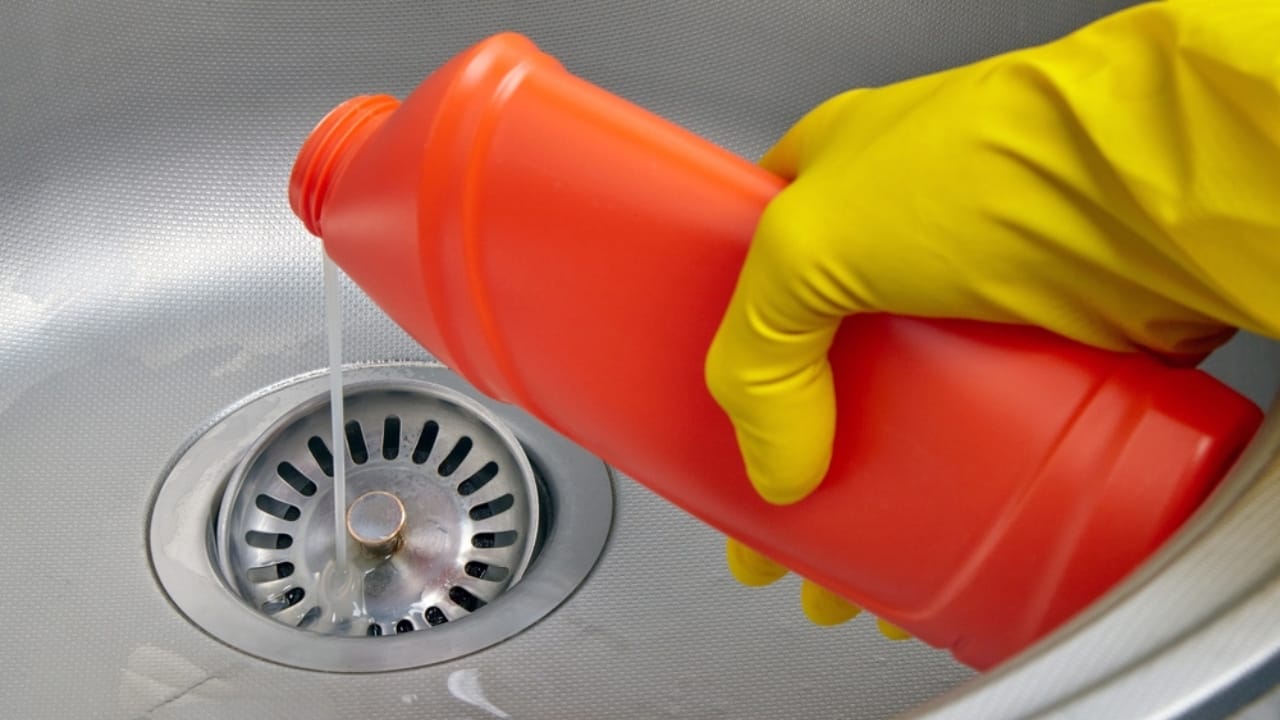
The high pH levels in these products can cause corrosive burns in your pet’s mouth and esophagus. Their caustic nature makes them particularly dangerous, potentially leading to serious internal damage if ingested.
3. Oven Cleaners
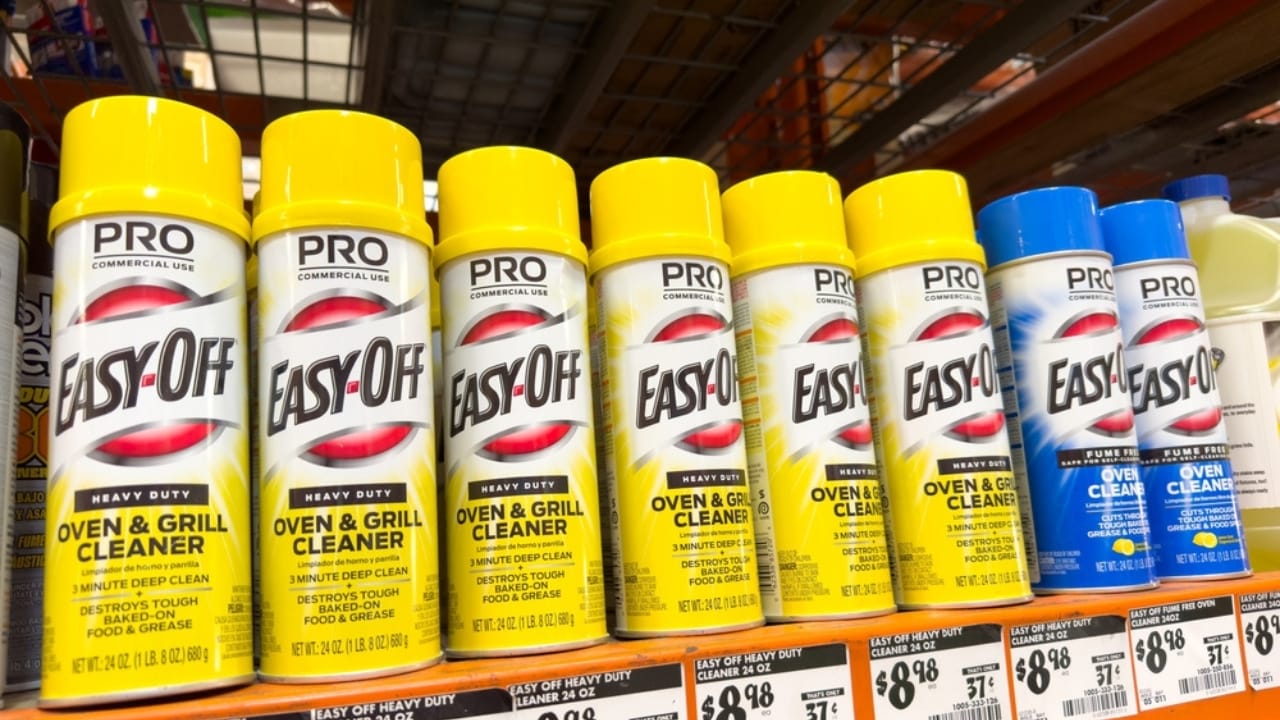
These highly caustic cleaners pose severe risks to pets, potentially causing serious damage to skin, eyes, mucous membranes, and the gastrointestinal tract.
4. Ammonia–Based Window Cleaners
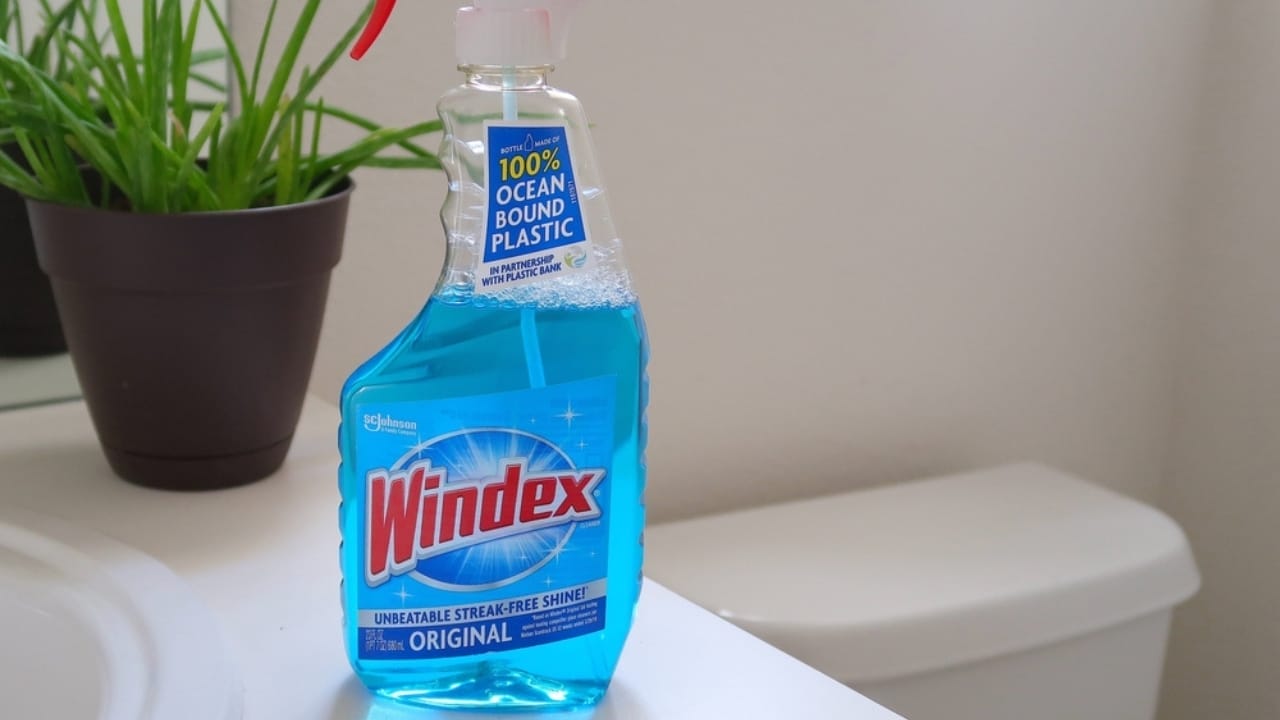
Products containing ammonia can trigger skin irritation, burns, and serious respiratory and neurological issues in pets. The strong fumes coming from these products are particularly problematic given animals’ sensitive respiratory systems.
5. Carpet Cleaners
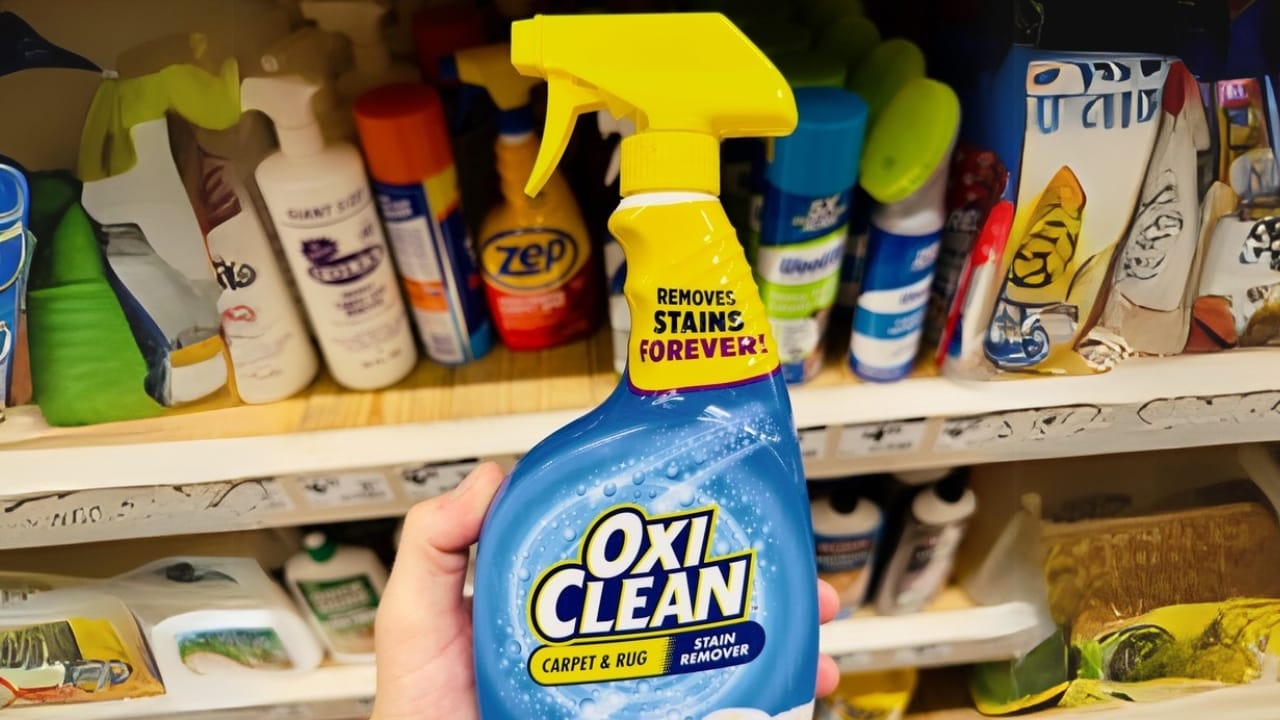
Many carpet cleaning solutions contain glycol ethers that can cause kidney damage, lung problems, or even leukemia with prolonged exposure. Their residue remains on surfaces where pets frequently walk and rest.
6. Fabric Softeners
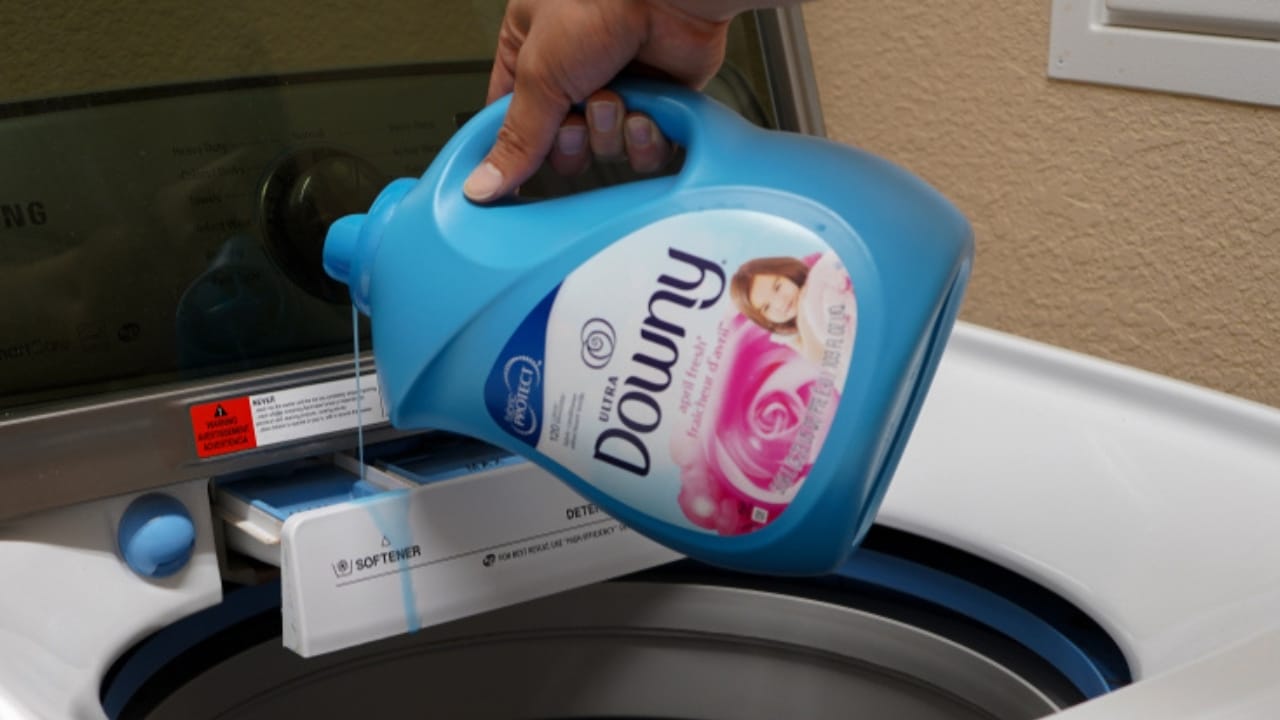
These products contain cationic detergents like benzalkonium chloride that can cause ulcers, lung damage, and acute kidney disease in pets. Even dryer sheets pose risks of blockages if ingested.
7. Counter Cleaners
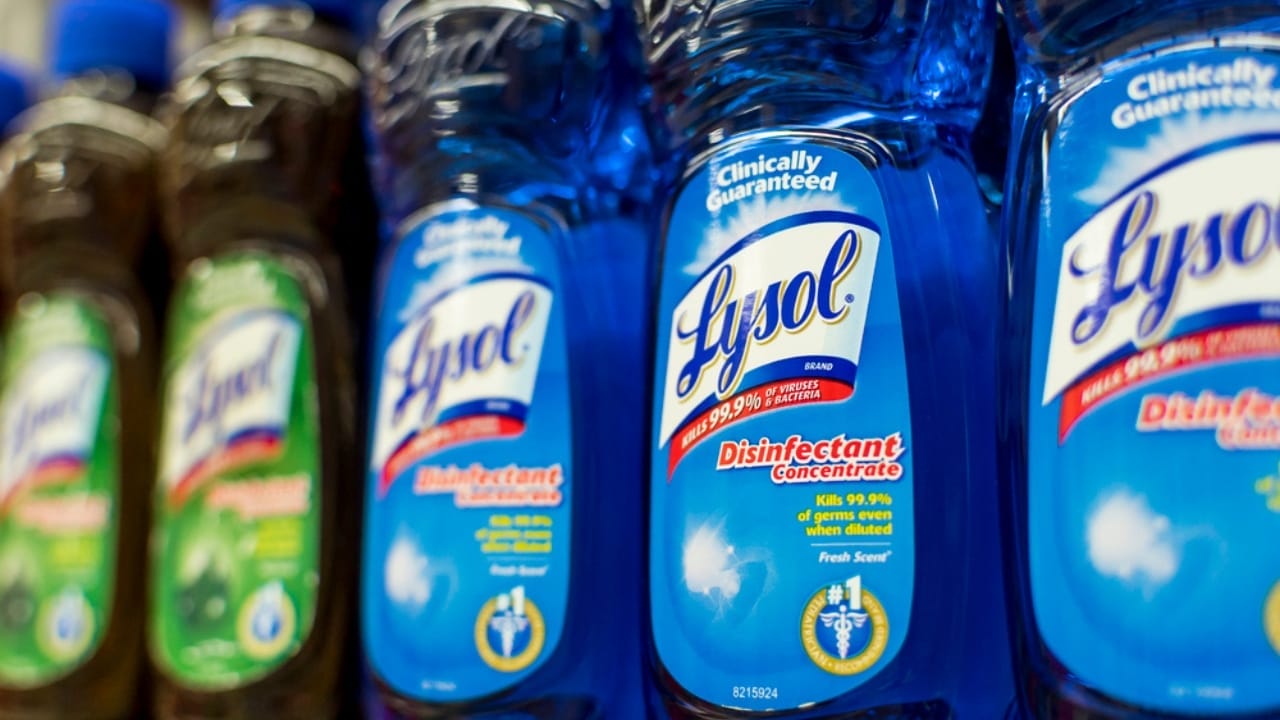
Spray-based counter cleaners pose particular risks as the airborne particles can contaminate pet water bowls and food dishes. Counter-surfing pets face additional exposure risks.
8. Toilet Bowl Cleaners
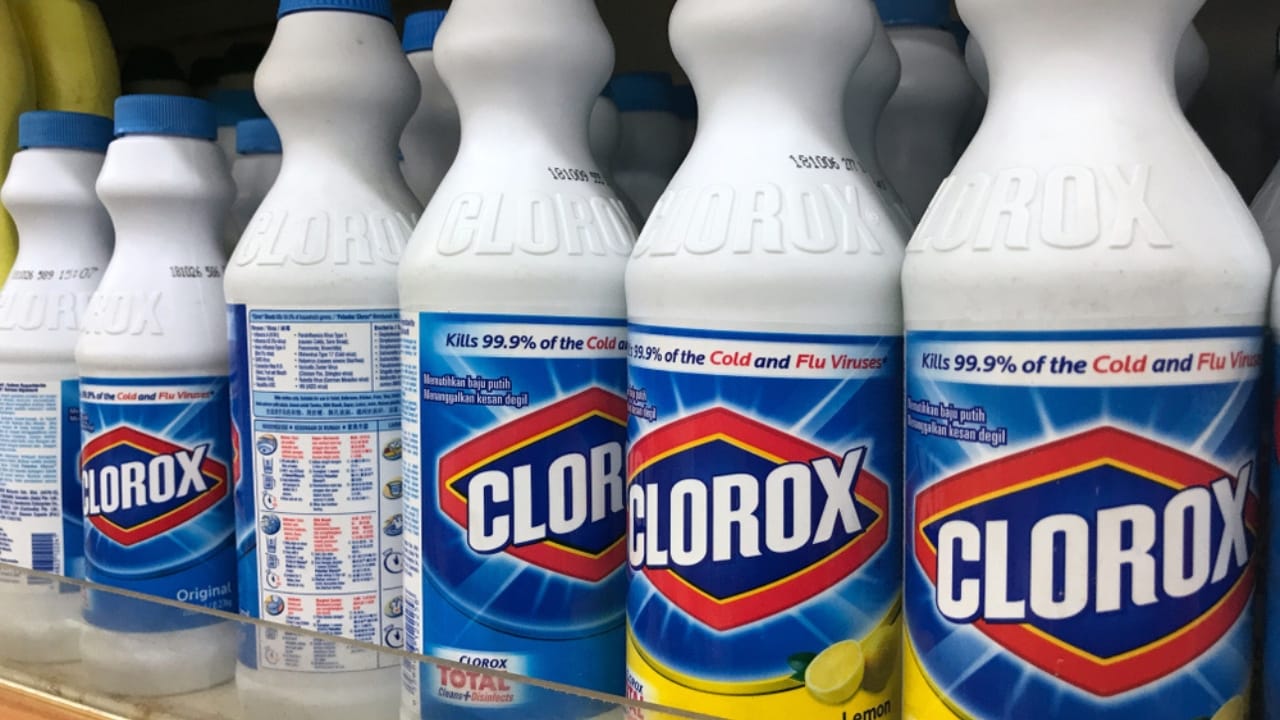
Most toilet cleaners contain harsh bleach compounds that can cause vomiting, dizziness, and even laryngeal edema in pets. Their placement makes them dangerously accessible to curious animals.
9. Phenol–Based Disinfectants
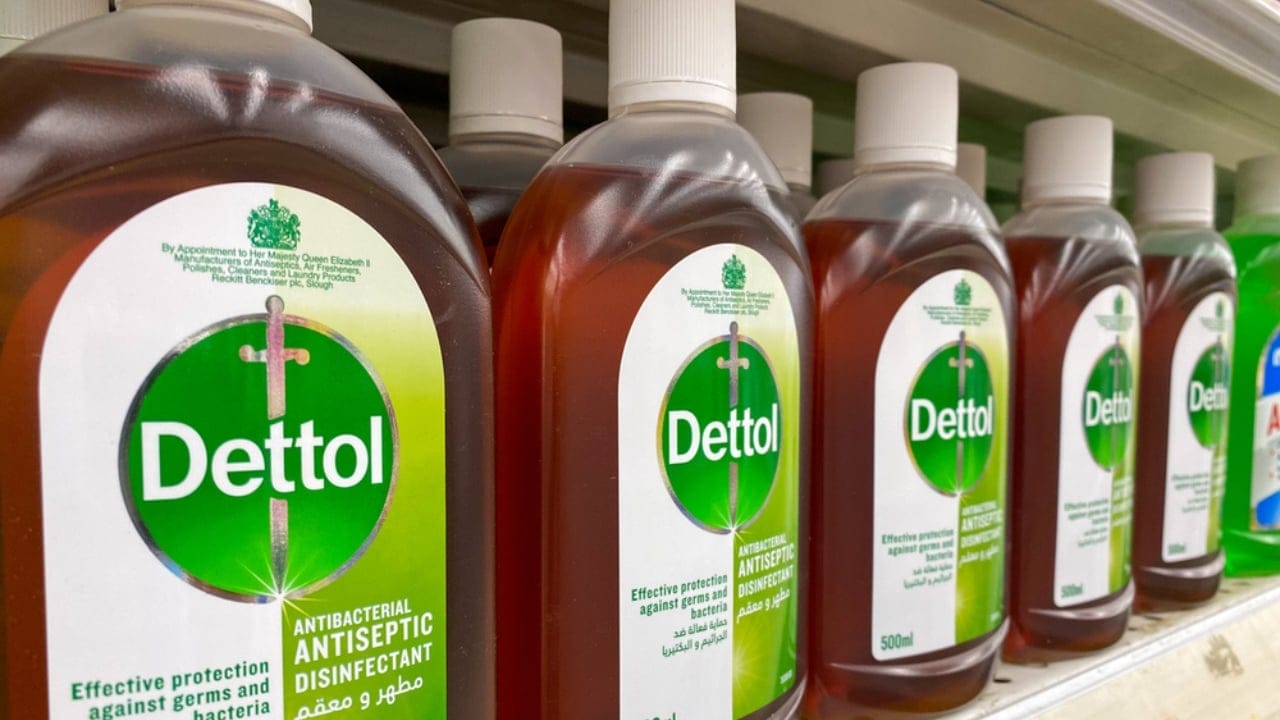
Products containing phenols can trigger severe reactions including drooling, breathing difficulties, and shaking – with cats being particularly sensitive. Small exposures to these phenols can lead to serious complications.
10. Formaldehyde Cleaners
Often listed under names like formalin or methylene glycol, formaldehyde-containing products can cause cancer and trigger symptoms like watery eyes, coughing, and skin irritation.
11. Pool Cleaners
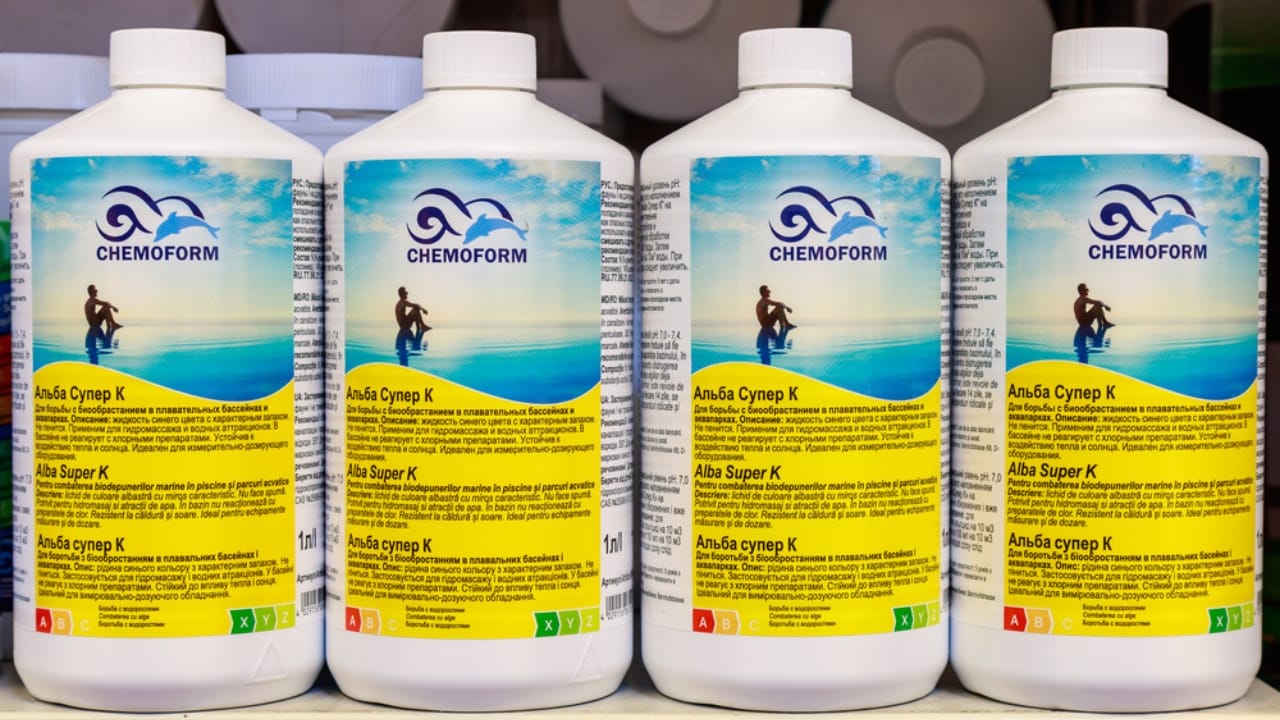
The high concentration of chemicals in pool cleaners makes them especially dangerous, capable of causing corrosive burns and severe internal damage if ingested.
12. Air Fresheners
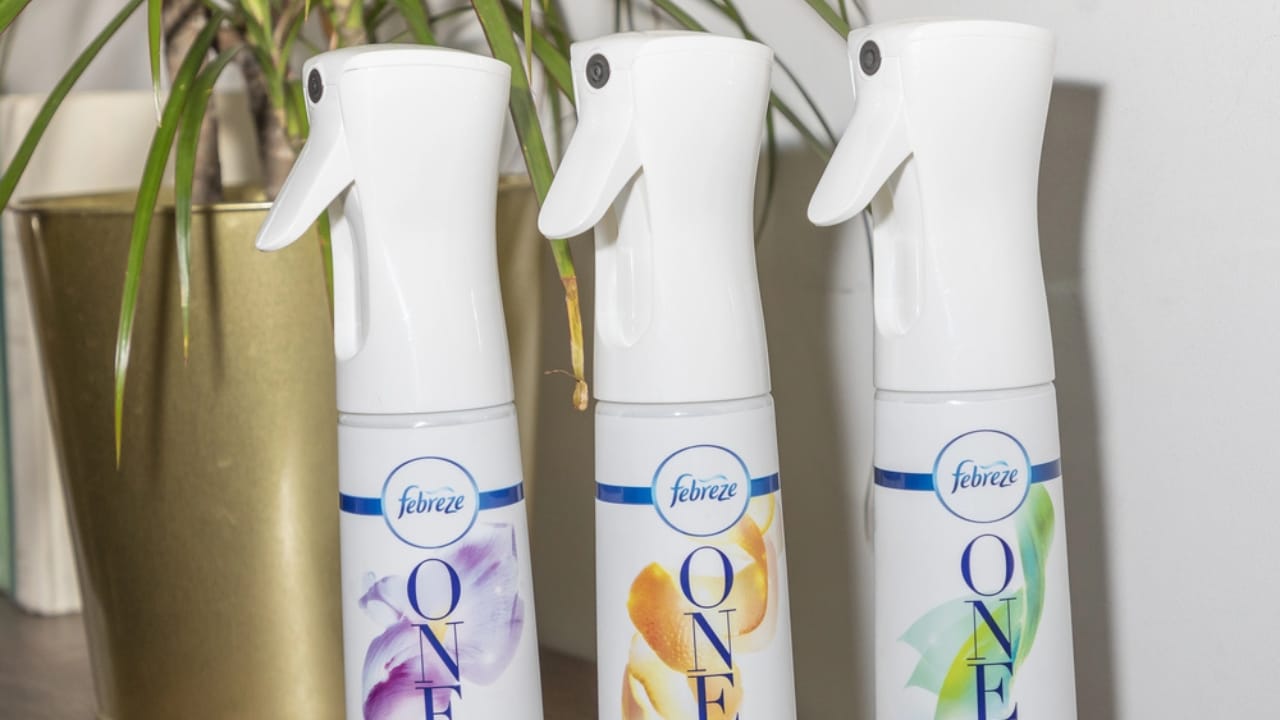
These products release volatile organic compounds that can overwhelm pets’ sensitive respiratory systems and cause symptoms like coughing, sneezing, and nasal discharge.
13. Insecticides
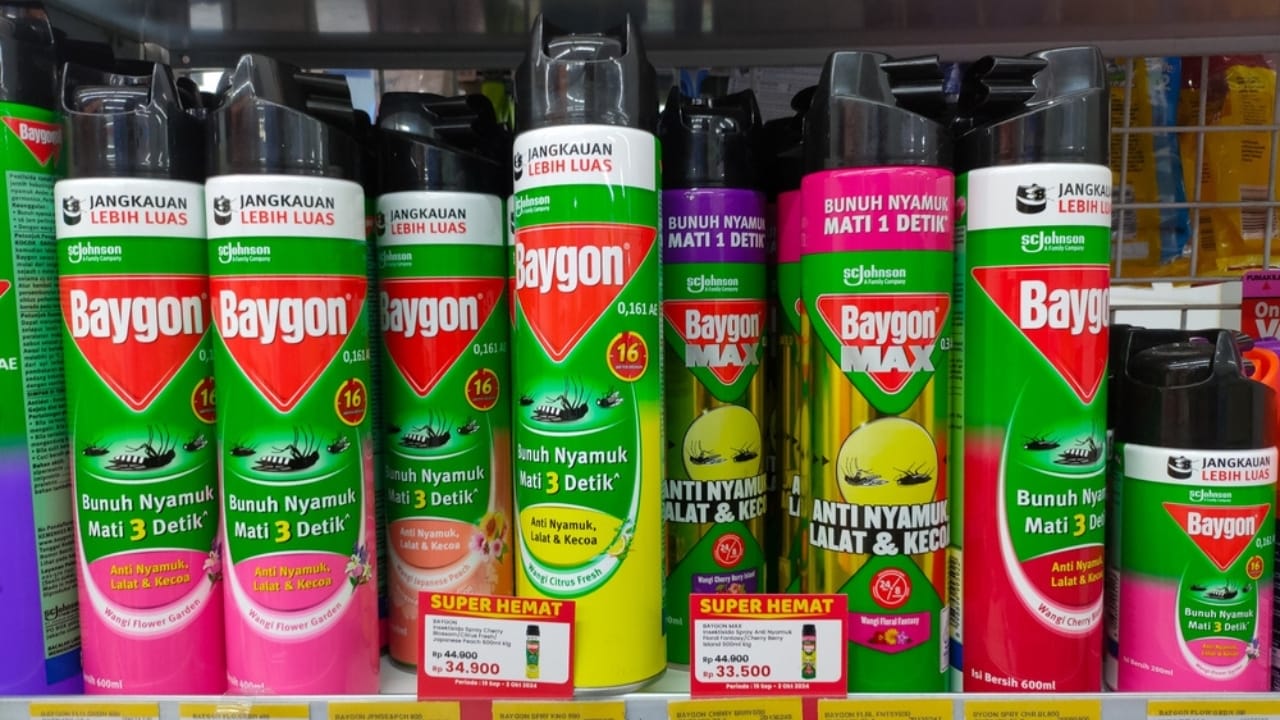
Common household insecticides can be toxic when pets inhale or ingest them. Effects range from mild irritation to severe poisoning.
14. Metal Cleaners
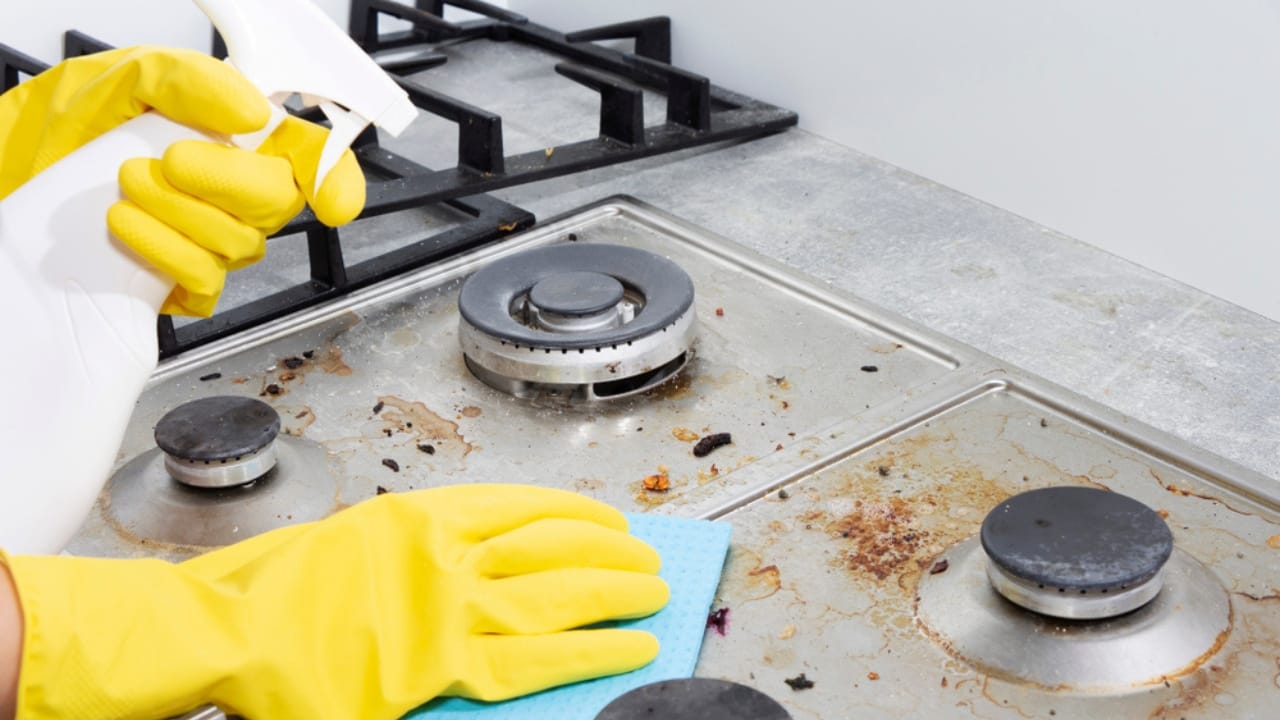
Products containing acids used in metal cleaners can cause severe burns to the stomach, esophagus, and mouth if ingested. Just small amounts can trigger serious reactions.
15. Floor Waxes
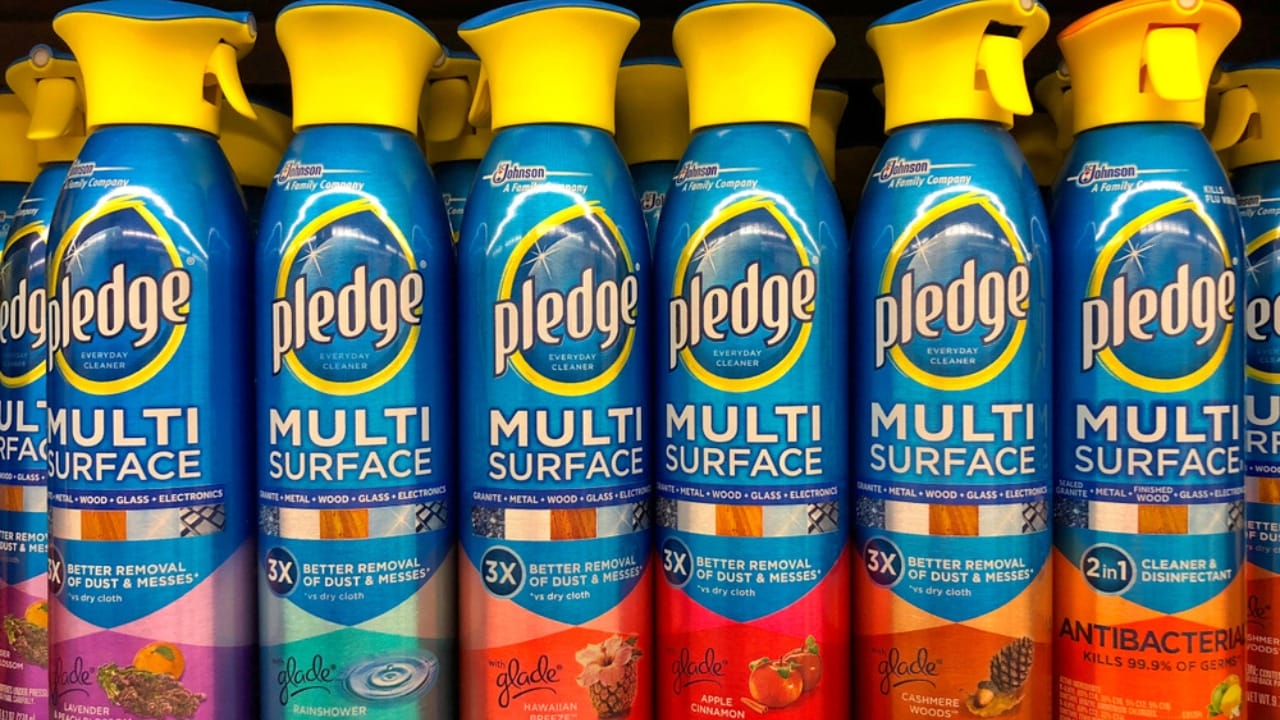
Many floor waxes contain ammonia and other harsh chemicals that can irritate paws and cause respiratory distress when pets walk on treated surfaces.
16. Wood Cleaners
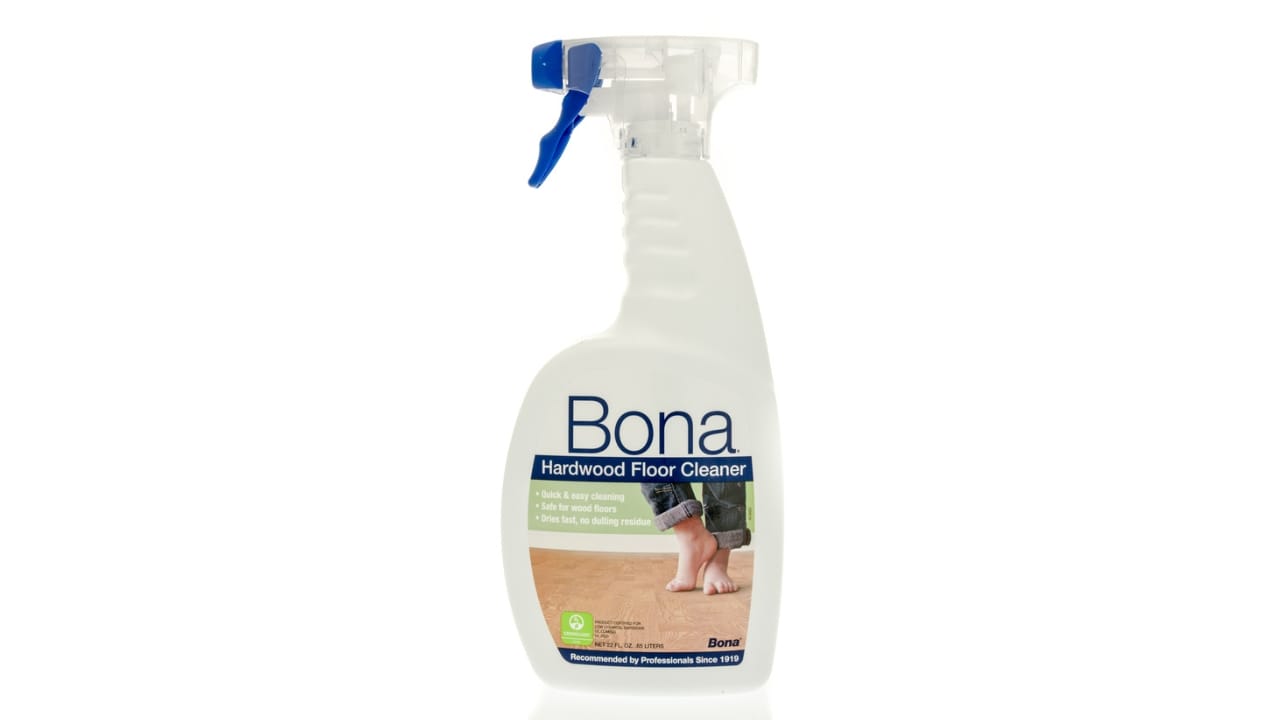
Wood cleaning products often contain solvents that can cause gastrointestinal upset and more severe reactions if ingested in large quantities.
17. Glass Cleaners
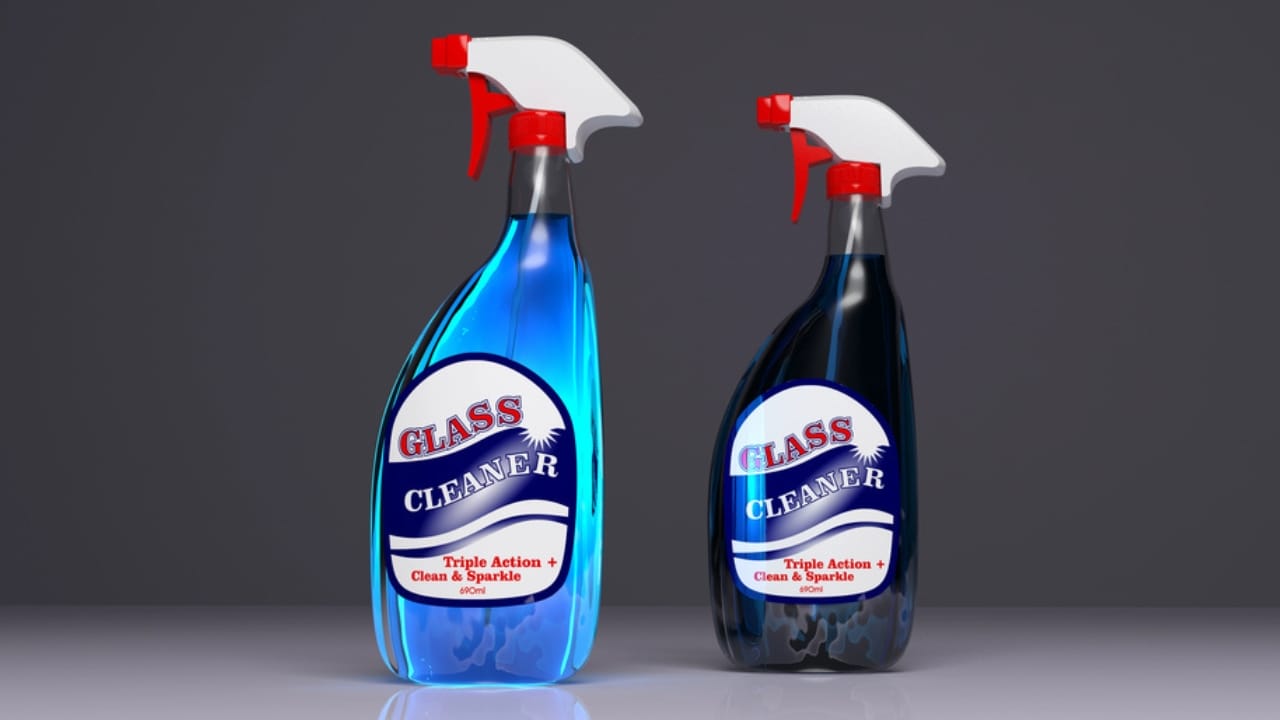
Many glass cleaners contain ammonia or alcohol-based compounds that can cause respiratory issues and skin irritation in pets. The spray application makes them particularly risky.
18. Sanitizers
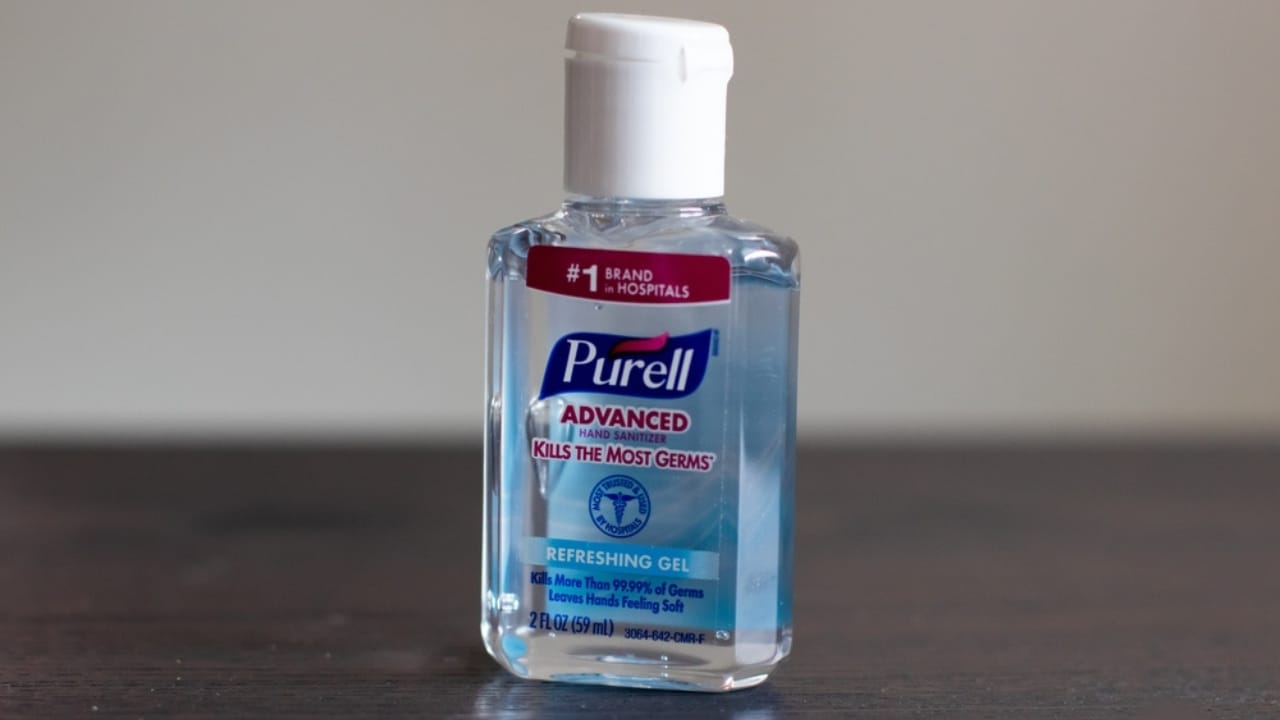
Products containing cationic surfactants used in sanitizers can cause severe reactions, especially in cats, including central nervous system depression and acute lung injury.
Source:
1. ASPCA

Nancy has been a plant person from an early age. That interest blossomed into a bachelor’s in biology from Elmira College and a master’s degree in horticulture and communications from the University of Kentucky. Nancy worked in plant taxonomy at the University of Florida and the L. H. Bailey Hortorium at Cornell University, and wrote and edited gardening books at Rodale Press in Emmaus, PA. Her interests are plant identification, gardening, hiking, and reading.