
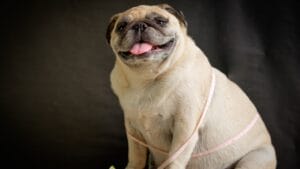
more than half of all pets are overweight and nobody’s talking about it
a 2022 study 1 dropped some genuinely concerning numbers – 59% of dogs and 61% of cats are overweight or obese. thats not a typo. more than half of our pets are carrying too much weight, and the numbers keep creeping up every year.
so whats causing this and what can you actually do about it?
the “fat pet gap” explained
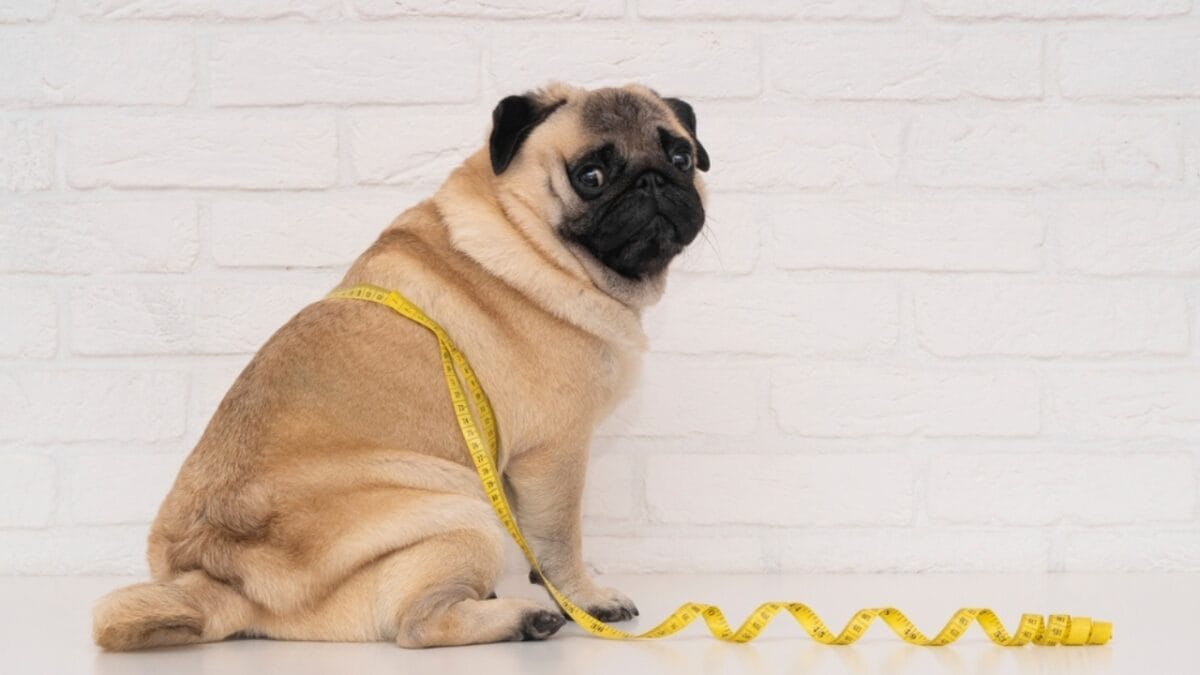
the fat pet gap is basically the growing difference between what pets should weigh and what they actually weigh. its a global problem and its wreaking havoc on pet health just like obesity does in humans.
excess weight leads to diabetes, heart disease, joint problems, shorter lifespans – all the same stuff we deal with. and its caused by overfeeding, lack of exercise, and pet owners genuinely not understanding what a healthy weight looks like on their animal.
why pets get fat
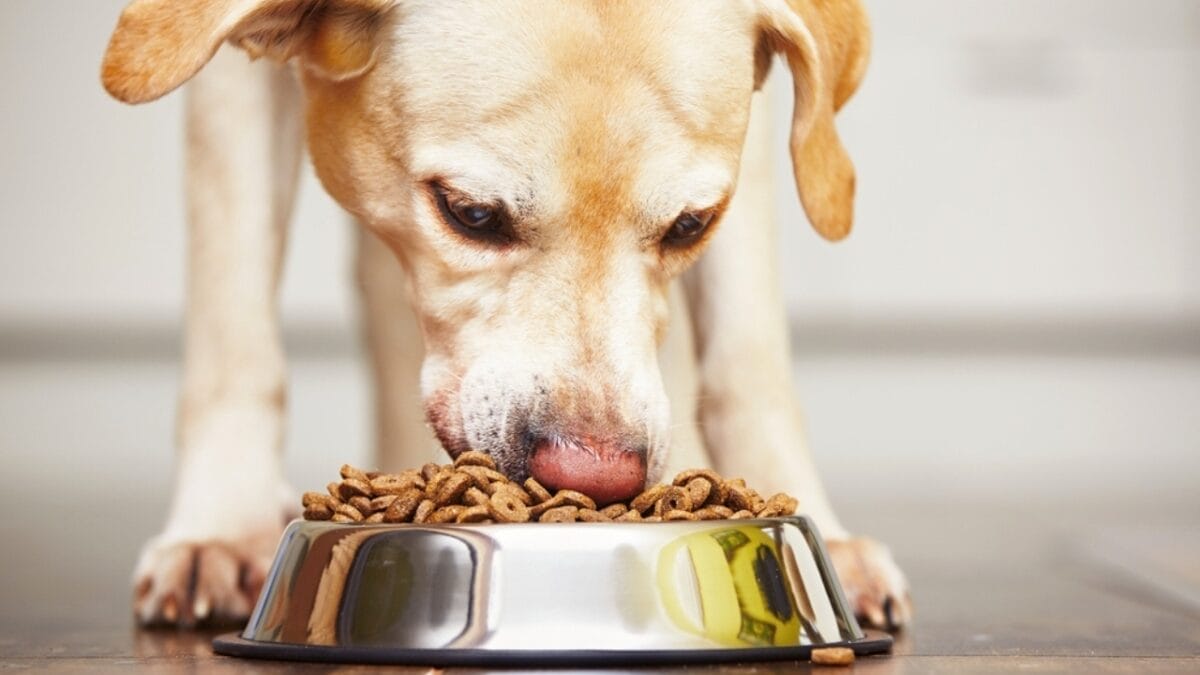
overfeeding: most pet owners either dont know how much food their pet actually needs or they cant resist those pleading eyes. treats add up fast. suddenly your dog is consuming way more calories than they’re burning.
no exercise: sedentary pets lose muscle and gain fat. if your dog’s idea of exercise is walking to their food bowl, thats a problem.
breed genetics: some breeds are just predisposed to gaining weight. even with proper diet and exercise they’ll pack on pounds easier than others.
medical issues: conditions like hypothyroidism slow down metabolism. your pet could be eating the right amount and still gaining weight because their body isnt processing it correctly.
age: older pets move less and need fewer calories. if you’re feeding your 10-year-old dog the same amount you fed them at 2, they’re probably overweight.
what obesity actually does to pets
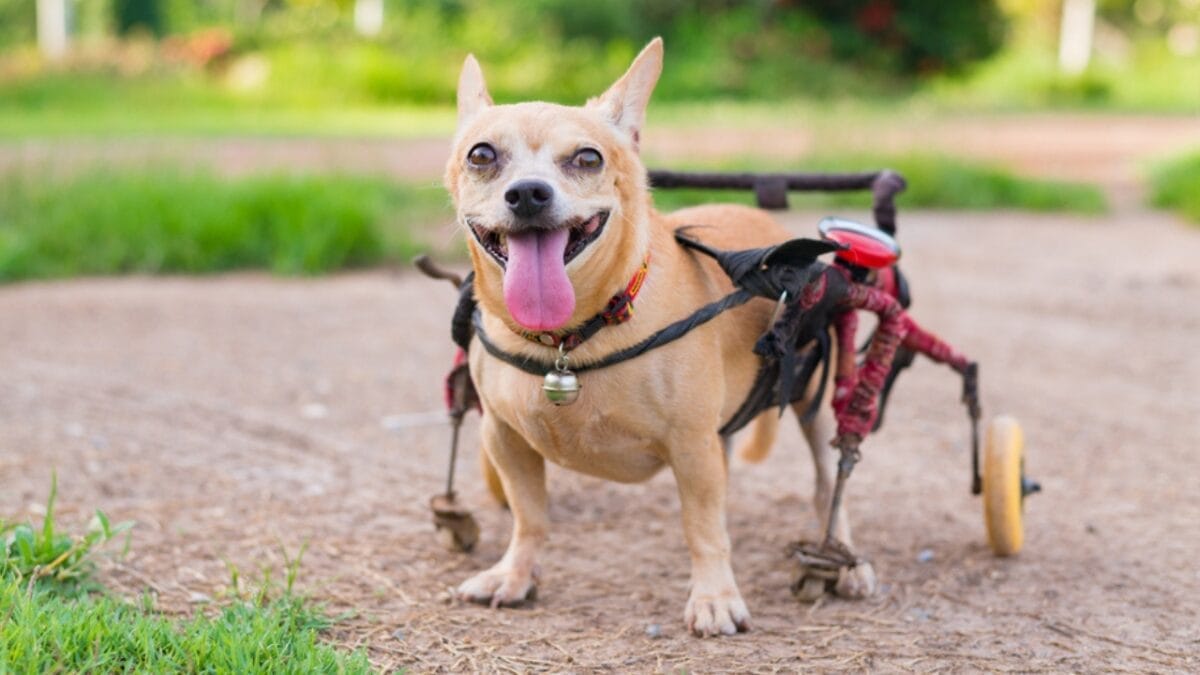
this isnt just about aesthetics. overweight pets develop serious health problems:
diabetes: excess weight messes with insulin production. now you’re managing a chronic condition for the rest of their life.
heart disease: extra weight strains the cardiovascular system. hearts aren’t designed to pump blood through that much extra tissue.
joint problems: more weight means more stress on joints. arthritis and joint disease become inevitable.
breathing issues: fat deposits make it harder for pets to breathe normally. ever seen an obese dog panting after walking ten feet? thats why.
shorter lifespan: studies show obese pets die younger than healthy-weight pets. you’re literally shortening their life by overfeeding them.
reduced quality of life: they cant play, they cant move well, they’re tired all the time. thats not a life.
how to tell if your pet is too heavy
physical signs are pretty obvious once you know what to look for:
- excess weight around belly, chest, neck
- difficulty breathing even without exertion
- low energy and lethargy
- joint pain when moving
- cant groom themselves properly
- skin problems from inability to clean themselves
behavioral stuff matters too:
- constantly begging for food
- increased appetite that never gets satisfied
- trouble getting up or laying down
- refusing to exercise or play
- mood changes and irritability
if any of this sounds familiar, talk to your vet. they can confirm whether your pet needs to lose weight and help you figure out how much.
actually helping your pet lose weight
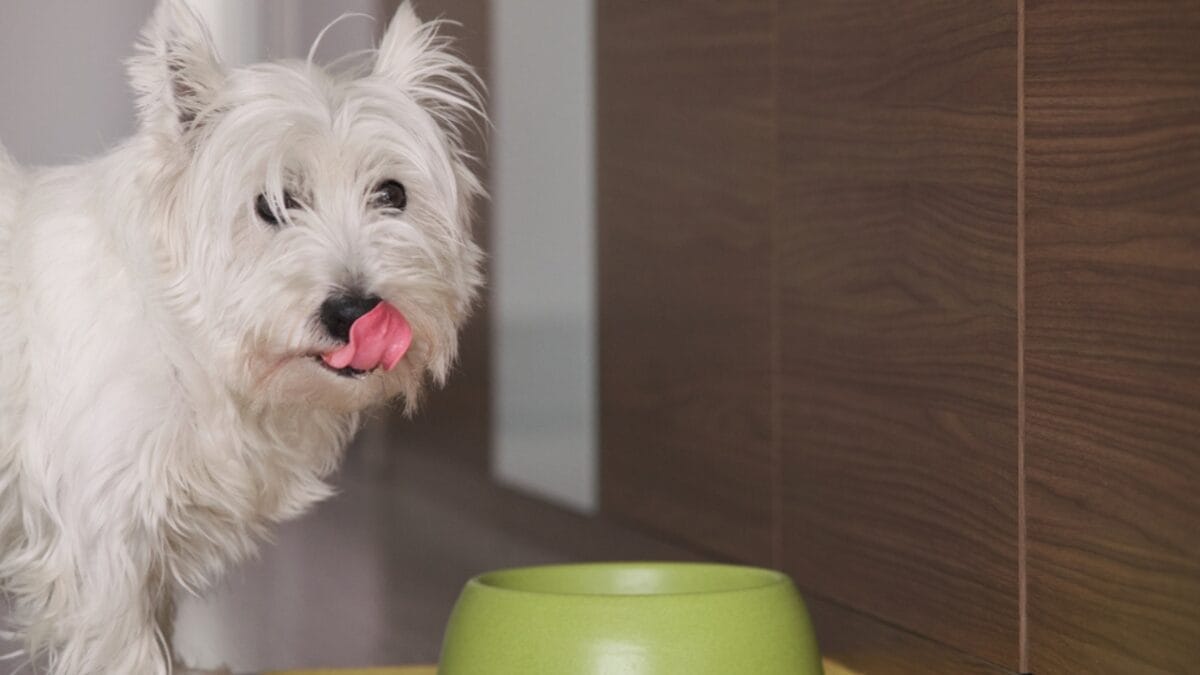
fix their diet: feed food appropriate for their age, breed, and activity level. measure portions. stop guessing. treats count as calories – if you’re giving lots of treats, reduce their regular food accordingly.
exercise them: at least 30 minutes daily. walks, play, whatever gets them moving. start slow if they’re really out of shape and build up gradually.
track their weight: weigh them regularly. you need data to know if what you’re doing is working.
work with your vet: they can create a proper weight loss plan and monitor progress to make sure its happening safely.
some realistic expectations:
go slow: aim for 1-2 pounds per week maximum. crash diets dont work for pets either.
be patient: weight loss takes time. if you get frustrated and give up after two weeks you’ve accomplished nothing.
start small: dont overhaul everything at once. reduce portions slightly. add one short walk. small changes compound over time.
stay consistent: this is the hardest part. you have to stick with it. one week of healthy eating followed by a month of treats and overfeeding undoes everything.
the fix is you
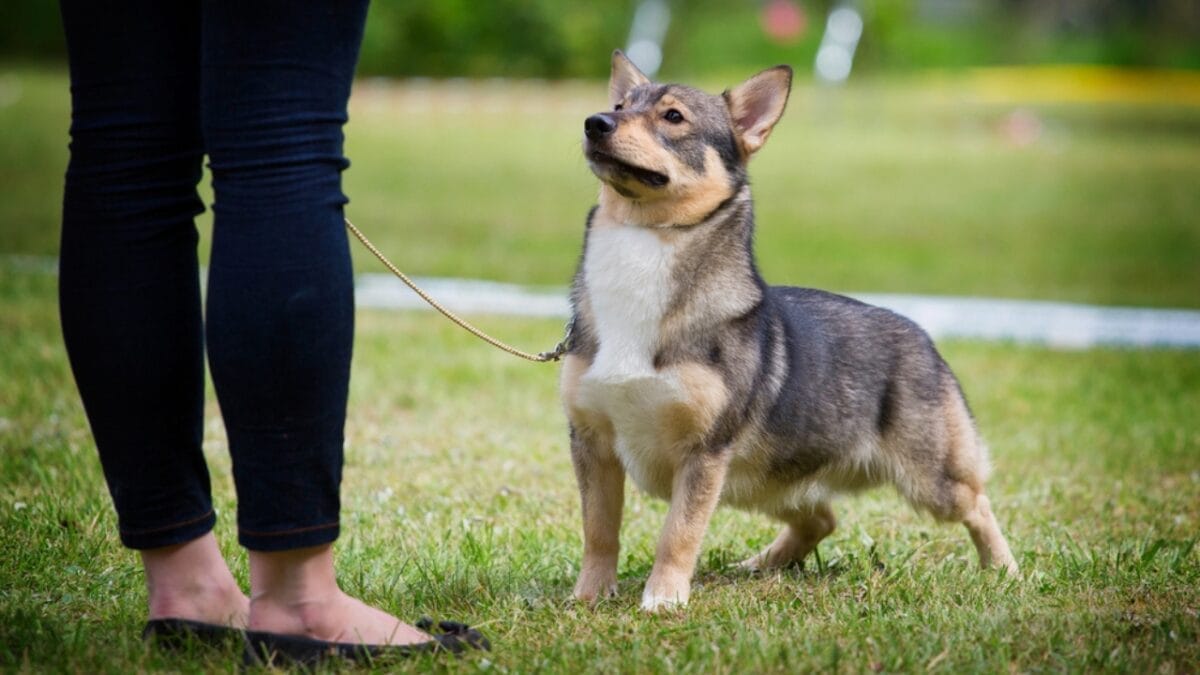
over half of all pets are overweight because we’re loving them to death. literally. we’re killing them with kindness by overfeeding and under-exercising them.
fixing it takes effort but its not complicated. measure food, increase exercise, track progress, be consistent. your pet will live longer and actually enjoy their life instead of struggling to breathe after walking across the room.
they cant fix this themselves. you have to do it for them.
Source:

Davin is a jack-of-all-trades but has professional training and experience in various home and garden subjects. He leans on other experts when needed and edits and fact-checks all articles. Also an aspiring cook we he researches and tries all kinds of different food recipes and shares what works best.