
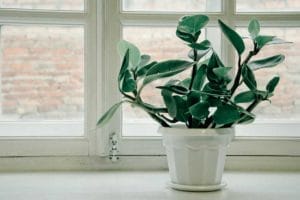
i’ve killed a lot of houseplants. like, an embarrassing amount. but peperomia? these things have survived my worst neglect and somehow still look decent.
theres over 1000 different species with wildly different appearances – colors, textures, sizes that genuinely make you think they’re completely unrelated plants. but what actually matters is they’re small (max 12 inches), slow growing, rarely need repotting, and dont attract bugs unless you’re really screwing up their care.
they work indoors or outdoors and stay compact enough that you can stick them anywhere without them taking over. if you need a houseplant that won’t immediately punish you for being forgetful, start here.
where peperomia comes from
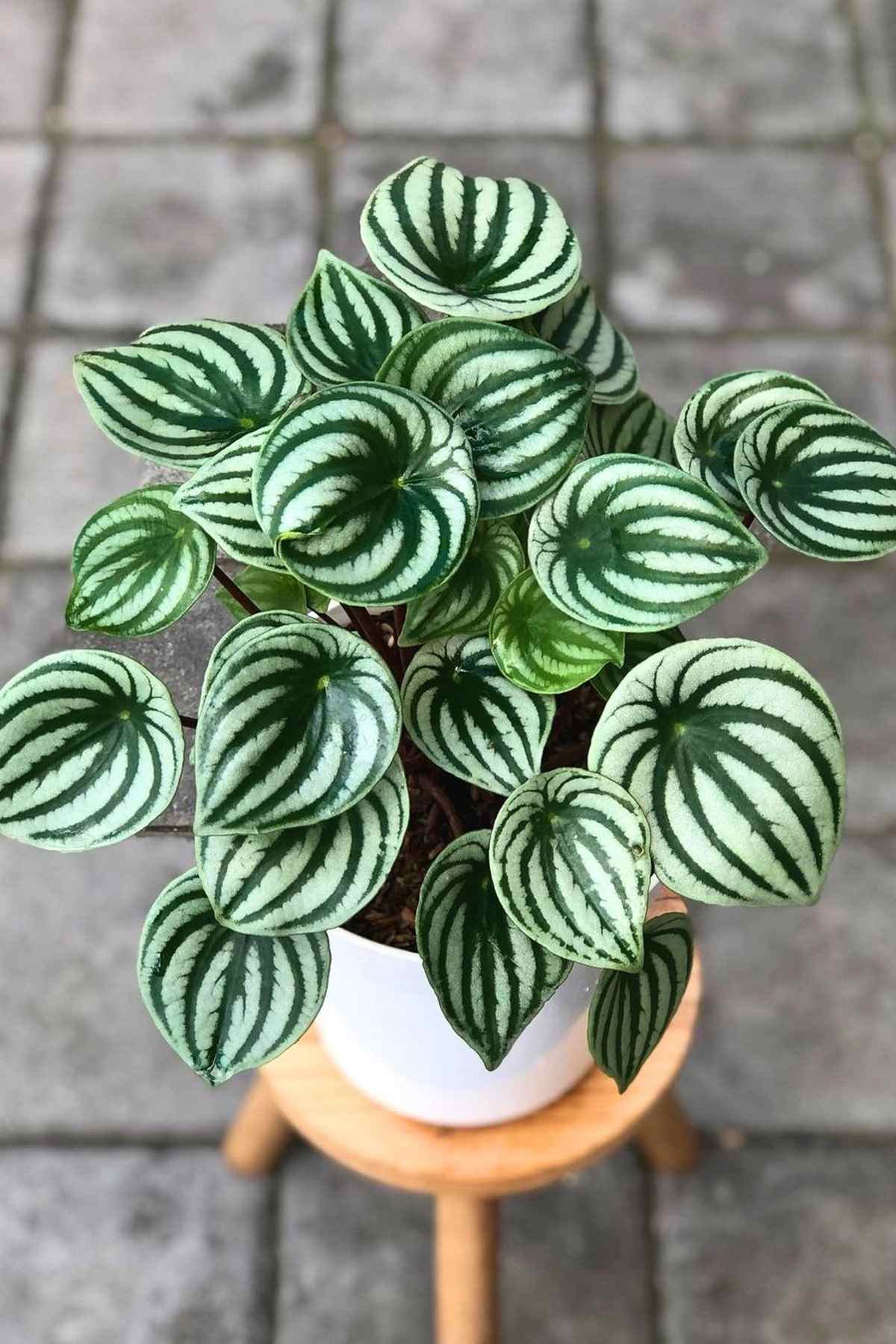
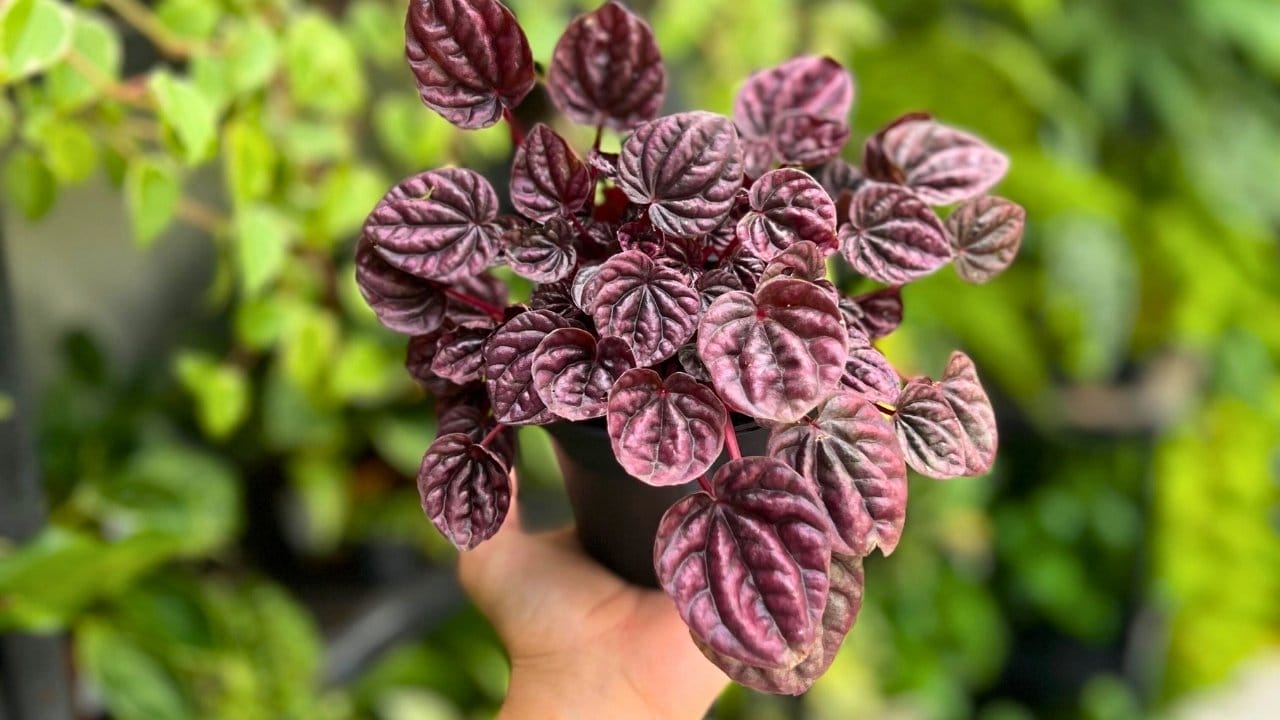
these are tropical plants found mostly in central, northern, and southern america. the sheer variety is kind of insane – you could have five different peperomias and people would assume they’re five different species entirely.
this makes them perfect for houseplant collections because you get gorgeous plants with totally different features that all have basically the same care requirements.
light: bright indirect or it gets weird
peperomia prefers bright indirect sunlight. they can survive other conditions but you’ll pay for it eventually.
too much direct sun? scorched leaves. too little light? the stems stretch out desperately searching for light and you end up with this leggy sad looking thing instead of a compact plant.
find a spot with good ambient light but not direct beams and they’ll be fine.
three ways to grow more peperomia
from seed:
get seeds from reputable sources because quality matters here. use seed starting containers with soilless seed starting mix – it’s gentler on delicate seedlings than regular soil.
sow seeds, water, put in a warm spot. keep soil moist until germination. once seedlings appear, transplant to containers with soil ph 6.0-6.5 and position where they get bright indirect light.
done. you have a peperomia.
stem cutting:
this method guarantees the new plant is genetically identical to the parent, which matters if you have a specific variety you love.
you need: small container, soilless potting mix, parent plant, scissors or razor, bright work area.
cut a decent chunk of stem with leaves attached. stick it in pot with potting soil. put in bright indirect light. water the soil and cover with plastic wrap.
water consistently over the next few days but remove the cover periodically so humidity doesn’t get excessive. when roots form in a few weeks and outgrow the container, transplant to something bigger.
leaf cutting:
basically identical to stem cutting except you’re cutting parts of leaves with tiny stems attached instead of full stems.
works best with non-variegated varieties. if your peperomia has fancy coloring or patterns, use stem cutting instead.
how to not kill your peperomia
watering: less is more
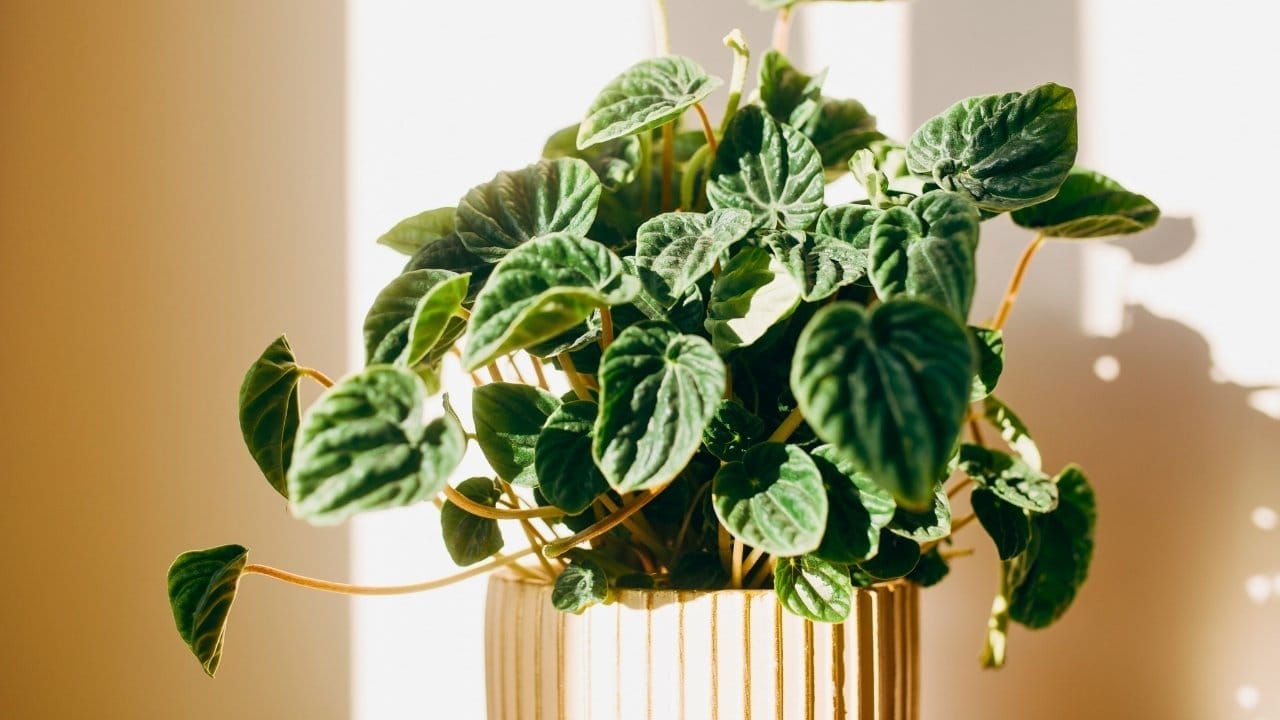
peperomias have succulent leaves and shallow roots. overwatering kills them. water only when the soil surface is noticeably dry.
this is the number one way people destroy these plants – they think more water equals more care and it doesnt.
fertilizer: barely necessary
your peperomia genuinely wouldnt care if you never fertilized it. if you do fertilize, do it sparingly – once every few weeks during growing season, never during winter.
too much fertilizer causes more problems than no fertilizer.
temperature and humidity: think tropical
these are tropical plants so they want warmth. aim for 65-80°F. boost humidity with a humidifier, take them outside in summer, or put them on a tray with pebbles and water.
they’ll tolerate lower humidity but wont be as happy about it.
soil: drainage is everything
use pots with drainage holes and well-draining potting mix. peperomias are prone to root rot so sitting in water is basically a death sentence.
pruning: use your fingers
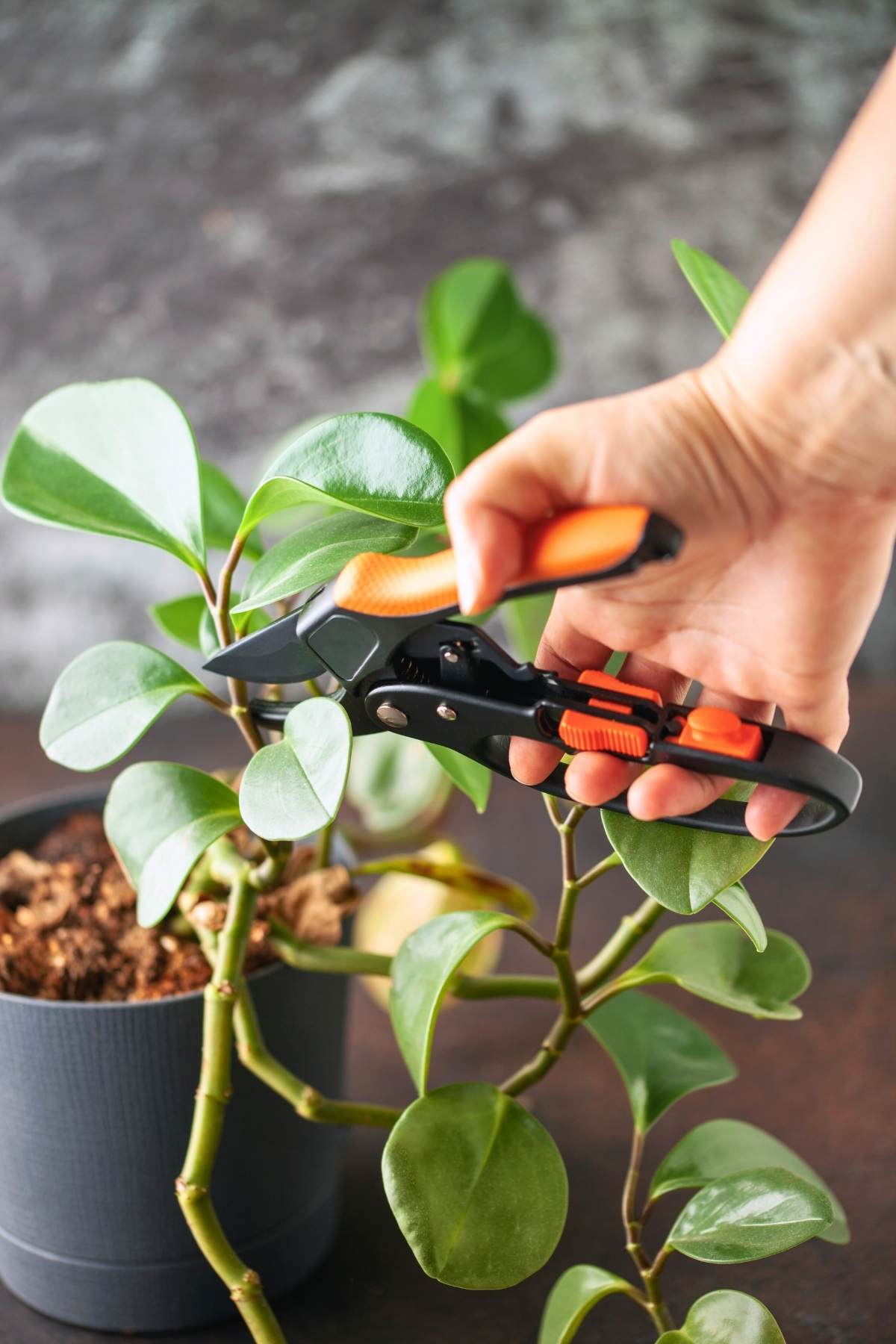
pluck off dead or overgrown leaves and stems that look bad or impede growth. you dont need tools – just pinch them off with your fingers.
peperomias dont mind aggressive pruning so dont be delicate about it.
when things go wrong
deformed leaves
usually caused by cucumber mosaic virus which shows up when you overwater. prevent it by watering only when soil is dry, not on a schedule.
yellowing leaves
could be direct sunlight burning them, overwatering, or wrong temperature. check that you’re meeting basic care requirements.
dropping leaves
peperomias naturally shed old leaves as new ones grow. but if leaves are falling from all over the plant randomly, something’s wrong with care conditions.
moldy soil
appears on topsoil when you overwater. if its just surface mold, replace the top layer with sterile mix. if mold penetrated deeper, dump the soil, wash the pot, start over with fresh mix.
pests that might show up
mealybugs, whiteflies, mites, caterpillars, fungus gnats. use insecticidal soap if you spot them. peperomias dont typically attract bugs unless conditions are bad, so pests usually mean you’re doing something wrong with care.
questions people actually ask
is this plant toxic?
no. safe for people and pets, unlike dragon trees or umbrella trees that make animals sick. but look up your specific variety on aspca’s website to confirm since theres over 1000 species.
what soil works best?
well-draining potting mix. thats it.
how often should i water?
once every two weeks-ish. only water when soil is dry. overwatering causes most peperomia problems.
does it purify air?
technically yes, like most houseplants. nasa did a study on this. but dont expect dramatic results unless you have a lot of plants.
why peperomia works
its a low maintenance tropical plant that looks good, stays small, and forgives mistakes better than most houseplants. as long as you dont drown it or fry it in direct sun, it’ll probably survive your learning curve.
which is exactly what you want from a houseplant.
References
Peperomia plant types: http://peperomia.net

Davin is a jack-of-all-trades but has professional training and experience in various home and garden subjects. He leans on other experts when needed and edits and fact-checks all articles. Also an aspiring cook we he researches and tries all kinds of different food recipes and shares what works best.