
Crispy, paper-thin, and slightly blistered, lavash is the kind of bread that instantly transforms a simple meal into something memorable.
Unlike more common flatbreads, this one bakes in mere minutes, delivering a crackly texture that’’s perfect for wrapping grilled kebabs or breaking into shards for dips.
But mastering lavash at home doesn’t require a clay-tonir oven or years of practice, just the right method and a few helpful tips.
Why Lavash Is Worth the Effort
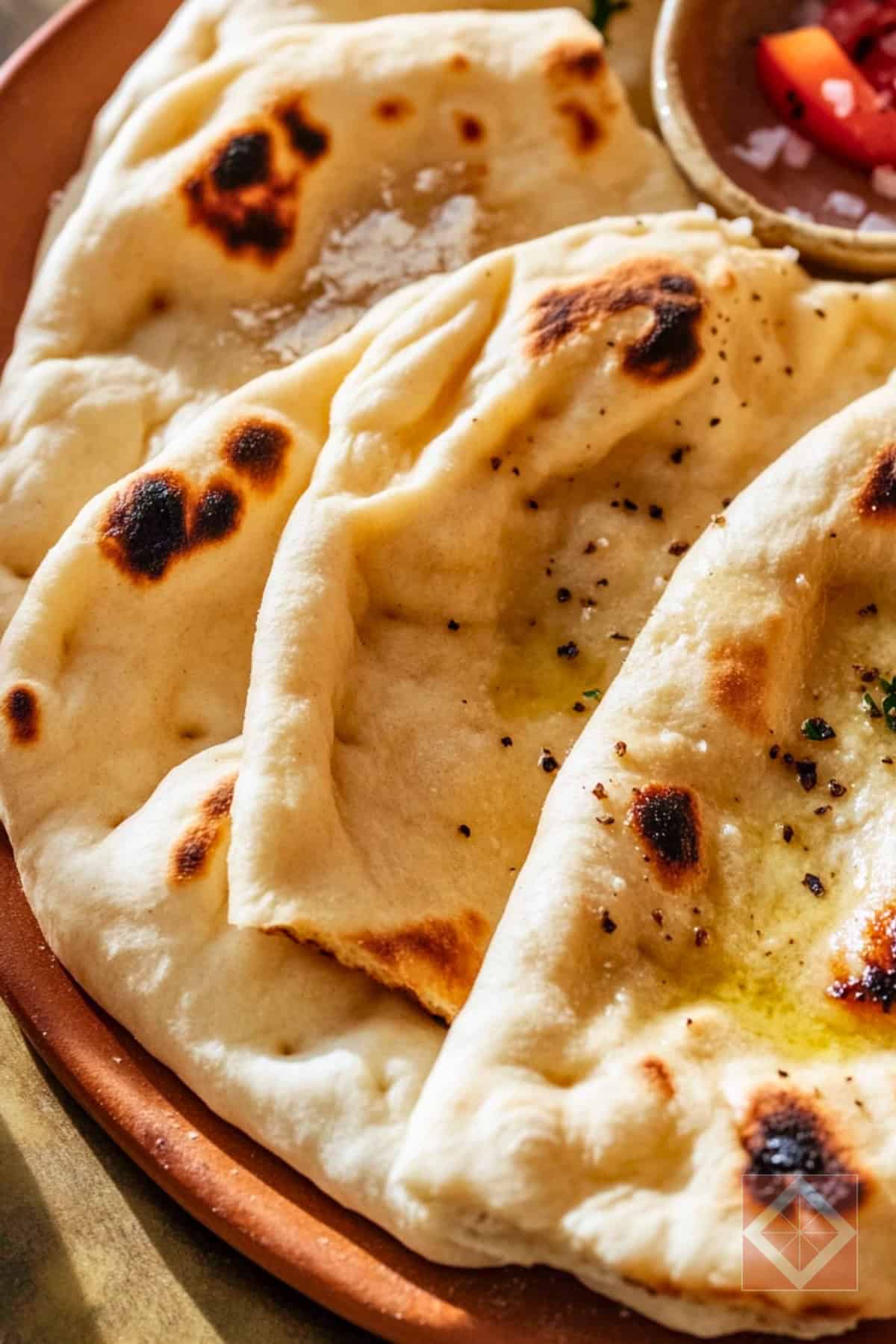
Lavash may seem simple at first glance, but there’s something quietly impressive about pulling these thin, beautifully blistered flatbreads from a screaming-hot oven.
The dough is soft and pliable, yet strong enough to stretch into wide ovals without tearing. It bakes fast, crisps beautifully, and lends itself to endless serving possibilities—wraps, snacks, or even elegant dinner sides.
When baked correctly, the surface develops light brown spots, giving it that signature look. These aren’t just aesthetic; they’re a sign the bread has been baked at a high temperature, just like traditional versions.
If the goal is a crisp, cracker-like texture, just a few extra minutes under the broiler will do the trick. For softer, foldable lavash, remove it as soon as puffing begins.
Smart Techniques That Make a Difference
Several key steps in this recipe elevate it from a basic flatbread to something restaurant-worthy.
First is the preferment—a one-hour rest of flour, water, and yeast. It’s a small detail, but it gives the dough a subtle tang and helps it stretch without tearing.
Next is the shaping technique. Rolling each piece of dough into a 13 × 9-inch oval ensures an even bake and a great texture contrast between the edges and center.
As the dough rests, the gluten relaxes, making it easier to roll out very thinly. This is essential for the iconic lavash texture—flat, crisp, and delicately blistered.
Finally, the baking method is a clever workaround for home ovens. Using a baking stone or steel and switching to broil mimics the intense heat of a traditional tonir oven.
The result is bread that puffs quickly and browns in all the right places.
Ideas for Serving & Storage
Lavash isn’t just a bread—it’s a canvas for creativity. Serve it warm with grilled vegetables or lamb, or use it to scoop up hummus, labneh, or roasted eggplant dips. It also works beautifully as a wrap for shawarma or falafel.
For a more casual take, consider turning the lavash into crispbread crackers. After baking, let them cool uncovered so they become even crisper, then break them into rustic shards.
These are ideal for cheese boards or mezze platters.
Storage is refreshingly low-maintenance. Once baked, the lavash keeps well for a couple of days at room temperature.
If it begins to dry out, a quick mist of water followed by a rest under a towel will make it pliable again.
An Uncomplicated Recipe Idea With High Impact
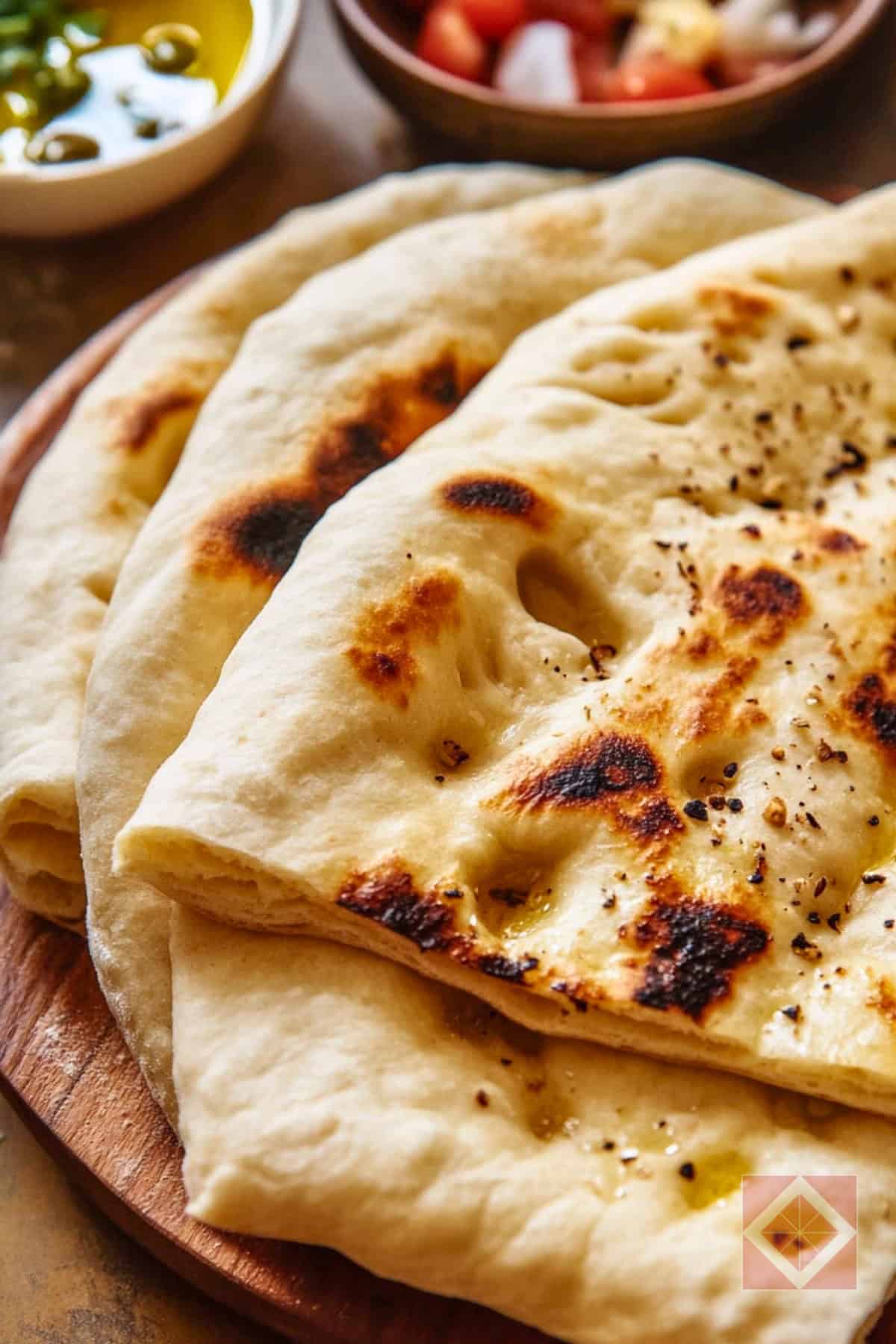
There’s no need for obscure ingredients or fancy equipment—this bread recipe works with what’s already in most kitchens. It’s the kind of project that rewards attention to detail without punishing mistakes.
Even if the first few rounds are a bit misshapen or uneven, the flavor and texture still deliver.
Among flatbread recipes, lavash stands out for its versatility and visual appeal. It’s equally at home in casual family dinners and more polished presentations.
For those searching for new bread recipe ideas to add to the rotation, this one’s an easy favorite that looks far more complicated than it really is.
Tear it, wrap it, or crisp it—lavash proves that sometimes, the simplest recipes make the biggest impression.
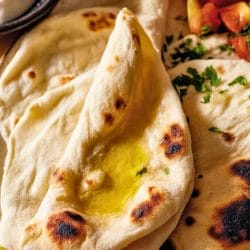
Lavash Bread Recipe
Equipment
- Baking stone or steel
- Broiler
- Rolling Pin
- Baking peel or inverted baking sheet
- Bench knife (optional)
- Clean towel for covering baked lavash
Ingredients
Preferment:
- 1¼ cups unbleached all-purpose flour
- ½ cup plus 3 tablespoons warm water
- ½ teaspoon instant yeast
Dough:
- 1½ cups ‘00’ flour
- 1½ cups unbleached all-purpose flour
- 1 tablespoon plus 1 teaspoon olive oil
- 1 teaspoon fine salt
- ½ teaspoon instant yeast
- ¾ cup warm water
Instructions
- Make the Preferment: In a medium bowl, mix together the flour, warm water, and yeast until a sticky dough comes together. Stir until no dry spots remain. Cover the bowl and leave it at room temperature for 1 hour. It will become smoother with a few small bubbles on the surface.
- Prepare the Dough: In a large bowl, combine the '00' flour, all-purpose flour, olive oil, salt, yeast, and the prepared preferment. Pour in the warm water and mix until the dough comes together, though some dry bits may remain. Move the dough to a lightly floured work surface and knead until it becomes soft and elastic, about 5 to 8 minutes. The dough may feel tacky initially but will smooth out. If needed, use additional flour to prevent sticking.
- First Rise: Place the dough back in the bowl, cover it, and allow it to rest for another hour at room temperature. It will become more relaxed and pliable but won’t expand much.
- Divide and Preshape: Transfer the dough to a floured surface and divide it into 8 equal parts, each weighing around 3¾ ounces. Lightly shape each into a ball, cover, and rest for 1 hour on a floured surface or parchment-lined sheet pan. This makes the dough easier to roll thinly.
- Preheat Oven: While the dough is resting, preheat the oven to 500°F with a baking stone or steel placed on the bottom rack.
- Roll and Bake the Lavash: Working with one ball at a time, roll it into a 13×9-inch oval on a lightly floured surface. As the dough thins, stretch gently by pulling one side away from you while drawing the opposite side toward you. Aim for an even thickness with edges slightly thicker than the center. Dust off any excess flour.
- Broil: Transfer the rolled dough to a peel or inverted baking sheet. Slide it onto the hot stone or steel and broil for 1 to 2 minutes until bubbly and spotted with brown. Do not flip. Remove carefully and stack on a clean towel to cover. Repeat with remaining pieces, keeping the oven on broil.
Variation
- Crisp Lavash Crackers: Roll and stretch the dough as directed, then broil each piece until golden and dry, about 2 to 3 minutes. Let the flatbreads cool uncovered on a rack to crisp further. Break into crackers when fully cooled.
Notes
- Lavash is best fresh, but to soften any crispy areas, mist with water, cover with a towel, and rest 30 minutes.
- Store leftovers in a plastic bag at room temperature for up to 2 days. Refresh with a light spritz of water if they dry out.
- A broiler and baking stone mimic the intense heat of a traditional tonir oven.

Davin is a jack-of-all-trades but has professional training and experience in various home and garden subjects. He leans on other experts when needed and edits and fact-checks all articles. Also an aspiring cook we he researches and tries all kinds of different food recipes and shares what works best.