
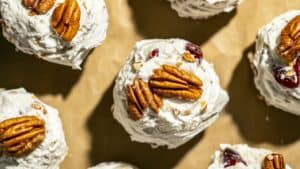
divinity. sugar’s old religion. that pale, cloud-like candy that’s half science experiment, half southern sermon.
it’s what happens when heat, timing, and nerve line up just right — the original “hardball stage meets stiff peak” love story.
the origins of divinity
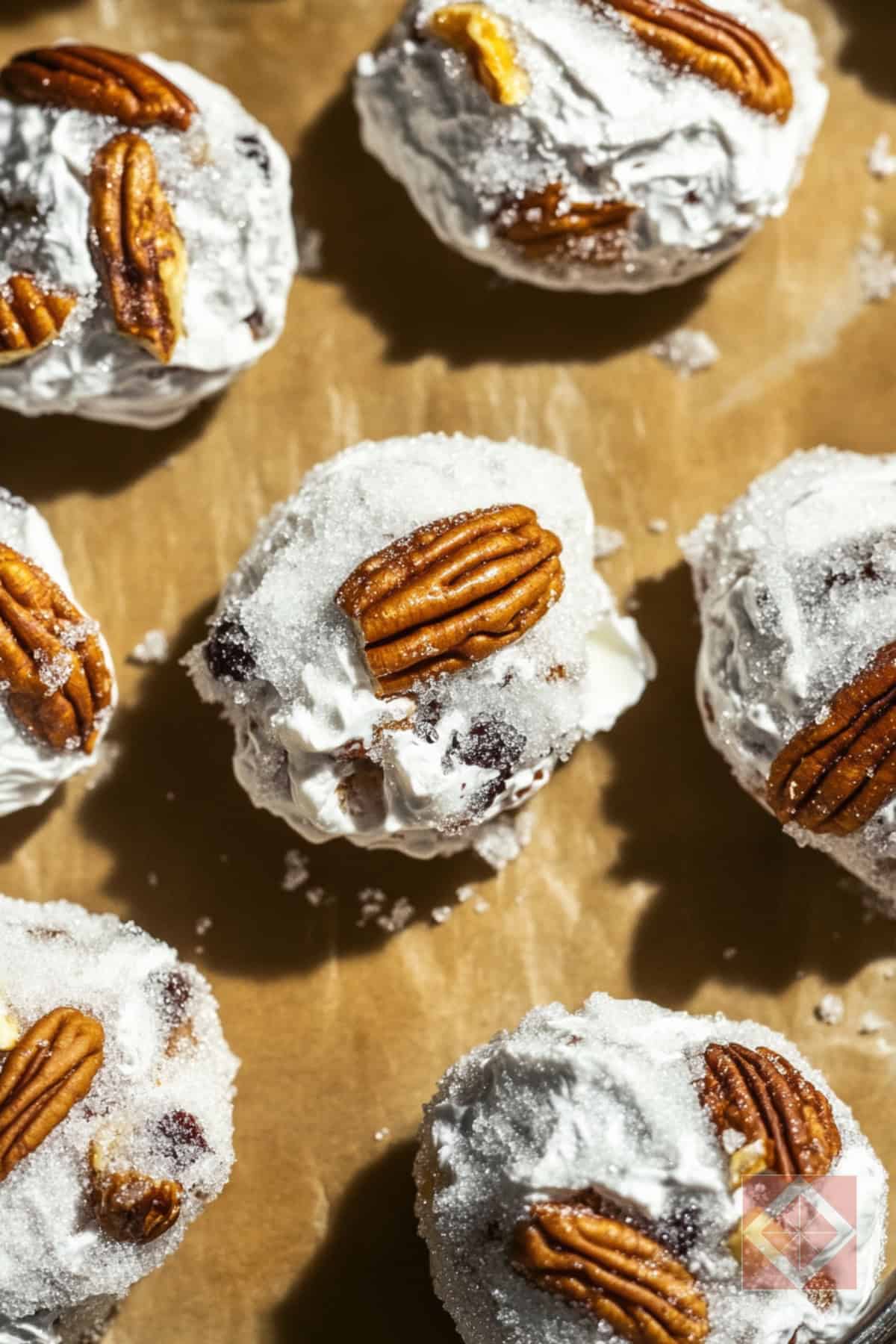
1910, america was changing — cars were loud, jazz was new, and sugar was still a luxury worth working for. divinity showed up right in that mix: the handmade candy that tasted like patience and looked like a small miracle.
its exact birthplace is foggy, but the south claims it hard. church socials, christmas tables, sunday kitchens — pecans, vanilla, and pride in every bite. divinity fit right in with the ritual of homemade fudge and pralines.
it was more than candy. it was a show of skill. no shortcuts, no store-bought gloss.
by the 1920s, cookbooks from georgia to kansas listed “divinity candy” as the kind of treat every respectable homemaker should master. it was the sweet that proved you could control sugar — the most volatile ingredient in the kitchen.
the science of sugar and air
divinity is chemistry dressed up like dessert. sugar, egg whites, and corn syrup sound simple, but they’re a study in heat, protein structure, and timing.
you start with sugar syrup — boiled to 260°F, the “hard-ball stage.” this is where water’s mostly gone and sugar molecules start tightening into something that can hold shape. pour it into stiff egg whites, and the magic happens.
those whites? they’re a protein network filled with trapped air. the hot syrup hits them, denatures the proteins, and locks that air in place — a cross-linking process not far off from what molecular gastronomists now call foam stabilization.
stir too little, and it’s soft. too much, and it turns grainy. this is what behavioral scientists call a narrow optimal zone — the sweet spot of precision where muscle memory meets intuition.
the psychology of sweetness
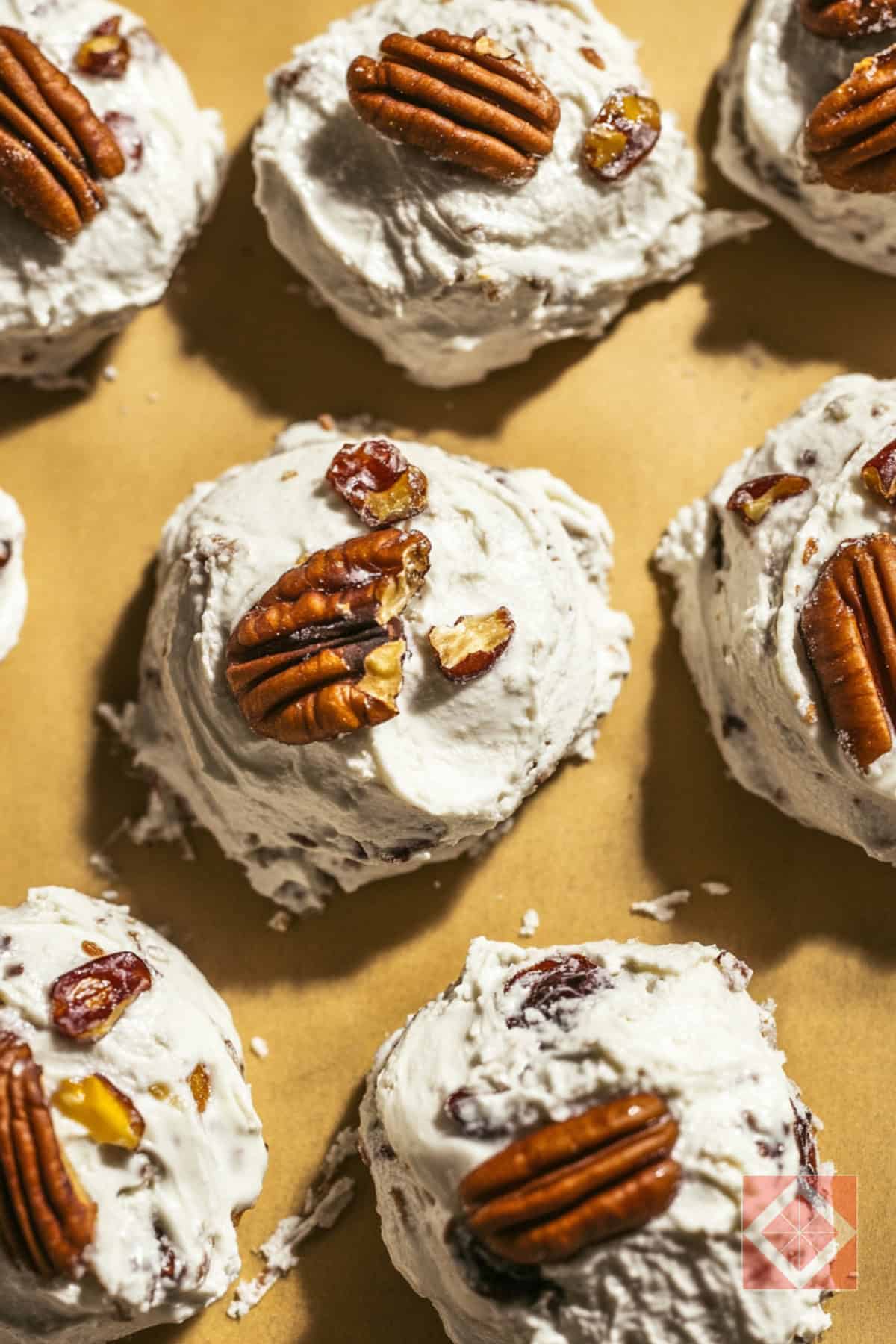
ever wonder why divinity feels more nostalgic than fudge or caramel? it’s about sensory memory. neuroscience calls it associative encoding. the smell of caramelized sugar and vanilla lights up the hippocampus, dragging old memories into focus.
texture matters too — the contrast of crisp shell and airy interior plays on tactile reward prediction. your brain expects dense sweetness but gets lift and melt instead. that surprise is part of what makes old-fashioned candies addictive.
the environmental enemy
humidity. the silent killer. sugar is hygroscopic — it steals moisture from the air. a damp kitchen turns divinity into sticky defeat. that’s why every southern grandmother swore by a cold, dry day for candy-making.
if the syrup absorbs too much water, it won’t set right. you’ll get puddles instead of peaks. in modern kitchens, a dehumidifier or air-conditioned workspace solves the problem, but in 1910, you just waited on the weather.
customizing the classic
the original formula was strict: sugar, corn syrup, egg whites, vanilla, and pecans. but candy evolves. some swapped nuts for walnuts or almonds. others folded in dried cherries, candied fruit, or even a drizzle of chocolate once the pieces cooled.
each variation shifts the sensory profile — adding contrastive flavors (sweet vs. bitter, soft vs. crunchy). it’s a primitive form of multisensory design, the same principle used in modern food R&D.
color was another game. pink divinity — tinted with cherry juice or beet powder — signaled celebration. cocoa versions leaned indulgent. still, the defining feature stayed: that light, almost meringue-like structure.
the technique
- temperature: 260°F is non-negotiable. underheat it, and it won’t hold. overheat it, and it scorches.
- timing: pour syrup slowly into moving beaters. too fast, you cook the whites; too slow, you lose volume.
- speed: shape it quick. once the mixture starts to set, you’re done. no reheat, no rescue.
- storage: airtight containers, room temp, a few days of bliss before it turns brittle.
why it endures
divinity isn’t just sugar and nostalgia — it’s ritual. it teaches attention, restraint, and respect for process. it’s an edible lesson in how old techniques still outlast trends.
in a world obsessed with hacks, divinity stands as proof that some things shouldn’t be rushed. it’s the candy version of mindfulness — controlled heat, focused motion, precise timing.
the same way cooks in 1910 stood over wood stoves, waiting for sugar to reach that perfect shimmer, modern makers stand over induction burners with thermometers — different tools, same reverence.
the name wasn’t exaggeration. it really is divine — not because of what’s in it, but because of what it demands: attention, patience, and a little bit of faith.
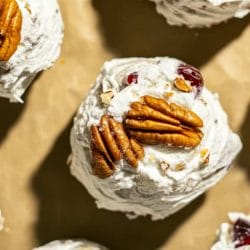
Old-Fashioned Divinity Recipe (1910s Classic)
Ingredients
- 2 cups granulated sugar
- ½ cup corn syrup
- ½ cup water
- 2 large egg whites
- 1 teaspoon vanilla extract
- 1 cup chopped pecans or any chopped nuts
- ½ cup chopped candied cherries or any dried/candied fruit, optional
Instructions
- In a heavy-bottomed saucepan, mix together sugar, corn syrup, and water.
- Place over high heat and bring the mixture to a boil, cooking until it reaches the hard-ball stage (260°F).
- While the syrup is heating, beat the egg whites in a heatproof bowl using an electric hand mixer or stand mixer until stiff peaks form.
- Once the syrup reaches 260°F, remove from heat and gradually pour it in a slow, steady stream along the side of the bowl containing the beaten egg whites. Keep mixing as you pour.
- Continue whipping the mixture until it thickens significantly and holds its shape. This process typically takes 8 to 10 minutes.
- Quickly fold in the vanilla extract, followed by the chopped nuts and optional candied fruit.
- Drop spoonfuls of the mixture onto wax paper or, alternatively, spread it into a greased 9×9-inch parchment-lined pan for later cutting into squares.
- Leave the divinity to dry uncovered at room temperature for at least 12 hours or overnight.
Notes

Davin is a jack-of-all-trades but has professional training and experience in various home and garden subjects. He leans on other experts when needed and edits and fact-checks all articles. Also an aspiring cook we he researches and tries all kinds of different food recipes and shares what works best.