
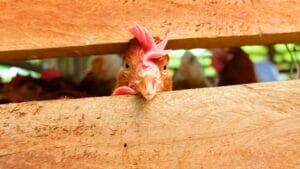
I planted a border of wormwood around the chicken run because the internet said it would deworm my flock naturally.
Three weeks later, one of my hens had tremors.
That’s when I learned the difference between a remedy and a poison is usually just the dose. And that chickens, despite their reputation for knowing what’s good for them, will sometimes eat things that hurt them if that’s all you give them access to.
What Nobody Tells You About Chicken Herbs
Most herb lists for chickens read like a Pinterest board: lavender for calm, mint for cooling, oregano for health. All true. Also incomplete.
The part they leave out is that some of these plants contain compounds strong enough to kill parasites, which means they’re also strong enough to harm the bird if you get it wrong.
Thujone in wormwood can cause convulsions. Allicin in garlic can destroy red blood cells. Even oregano oil, if you dump too much in the waterer, can irritate their crops.
I’ve used herbs with my flock for three years now. Some work quietly and well. Others I’ve stopped using entirely.
What I’ve learned mostly comes from watching what happens when I get the ratio wrong.
Oregano: The One That Actually Works
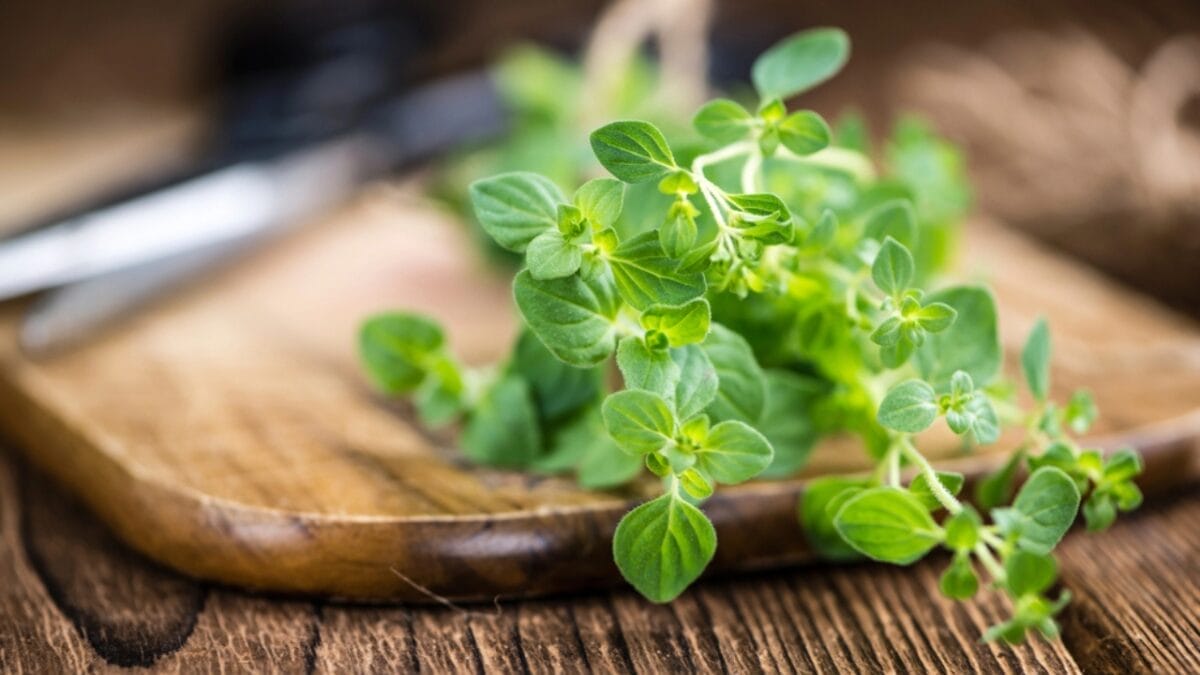
If I could only grow one herb for chickens, it would be oregano.
The active compounds are carvacrol and thymol. These are phenols, which means they punch holes in cell membranes of bacteria and parasites.
Specifically, they disrupt the membranes of coccidia, the protozoan parasites that cause bloody diarrhea and kill young birds.
I had a coccidiosis outbreak two summers ago. The birds were lethargic, their droppings were rust-colored, and I caught it early because I check for this stuff obsessively now.
I started adding fresh oregano to their feed daily, big handfuls of it, while I waited to see if they’d need medication.
Within a week, the symptoms stopped progressing. The sick birds recovered. I can’t prove the oregano did it, but research suggests it wasn’t coincidence.
Studies show oregano essential oil reduces oocyst counts in feces and lowers intestinal lesions in infected birds to levels comparable to chemical treatments.
Fresh oregano goes in their feed twice a week now, more during wet seasons when coccidia thrives. I grow Greek oregano because it has higher oil content than the ornamental stuff.
In winter, I use dried leaves I harvested in August, crumbled right before feeding so the oils don’t evaporate in storage.
The Oil vs. the Plant
Oregano essential oil is different from the plant. The oil is concentrated enough that you measure it in parts per million.
Too much burns their crops. The standard therapeutic dose is around 500 ppm mixed into feed, which requires math and a scale I don’t own.
I stick with the whole plant. They can regulate intake themselves, and I don’t risk chemical burns.
Garlic: Useful Until It’s Dangerous
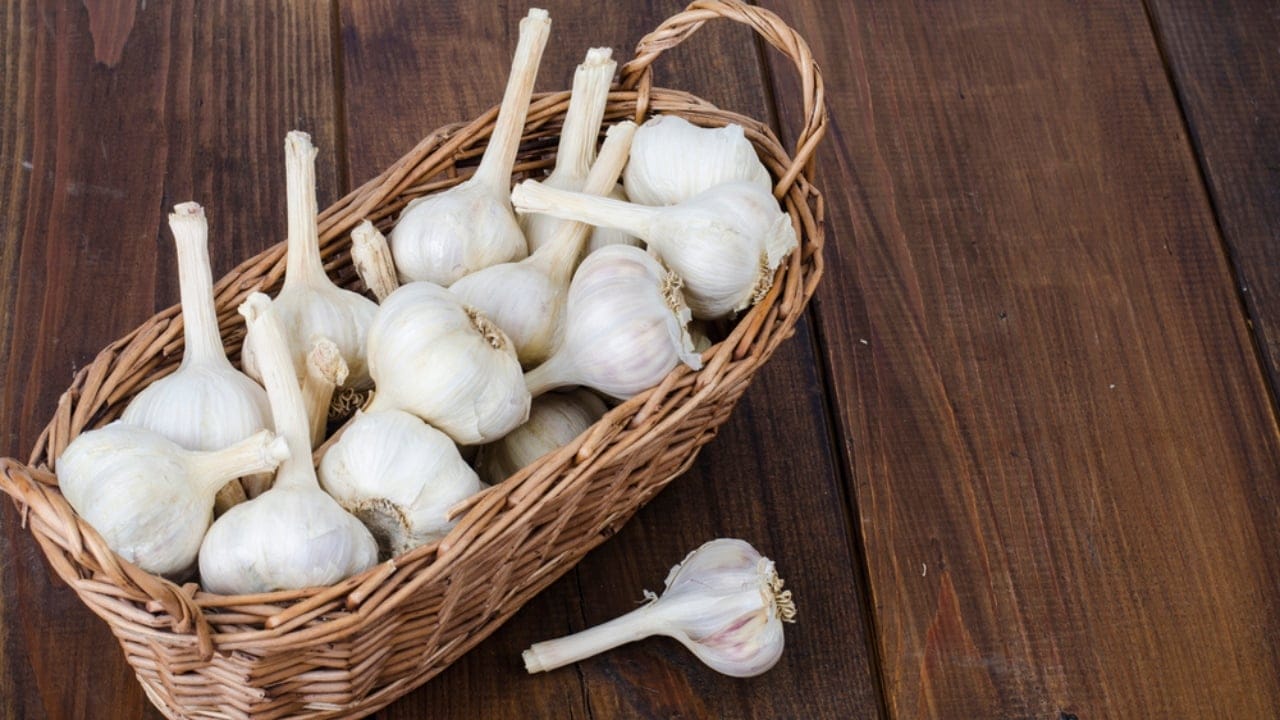
Garlic boosts immunity. It also causes anemia if you feed too much.
The compound responsible for both effects is allicin, a sulfur molecule that forms when you crush raw garlic. Allicin kills bacteria by interfering with their enzymes.
It also oxidizes hemoglobin in red blood cells, which is fine in small amounts and toxic in large ones.
I learned this the stupid way. I read that garlic prevents worms, so I started adding a crushed clove to their water every other day. Within two weeks, I noticed one hen’s comb was pale. Then another. Pale combs mean anemia.
I stopped the garlic. The color came back.
Now I use garlic strategically: one clove, crushed, divided among the whole flock, once a week during parasite season. That’s it. Some sources say even that’s too much.
The safe dose seems to be somewhere around a quarter clove per five birds, weekly, no more.
The Egg Flavor Problem
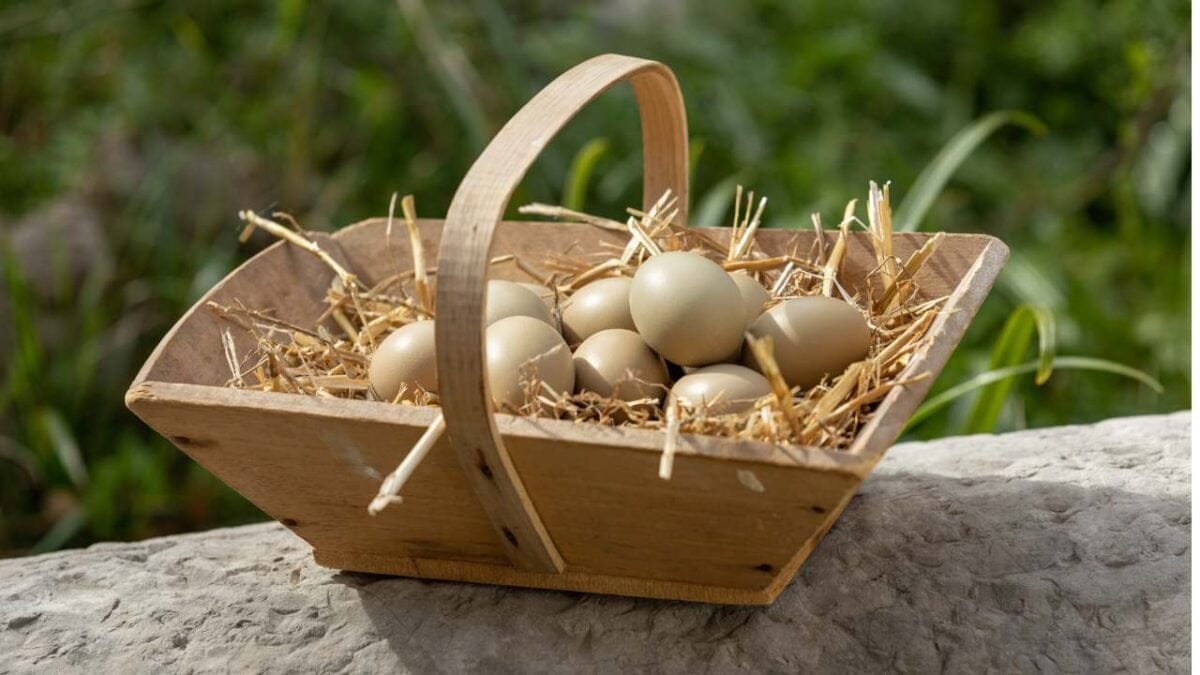
High garlic intake also makes eggs taste like garlic. Not faintly. Strongly.
If you’re feeding garlic powder at 5% of their diet, which some studies use, your eggs will taste like you’re running an Italian restaurant. At lower doses, below 3%, the flavor is mild or absent. I keep it minimal for that reason alone.
Garlic works. It’s just not a free-for-all herb. It has a ceiling, and you’ll know when you hit it because your chickens will look tired and your eggs will taste wrong.
Thyme and Rosemary: The Respiratory Pair
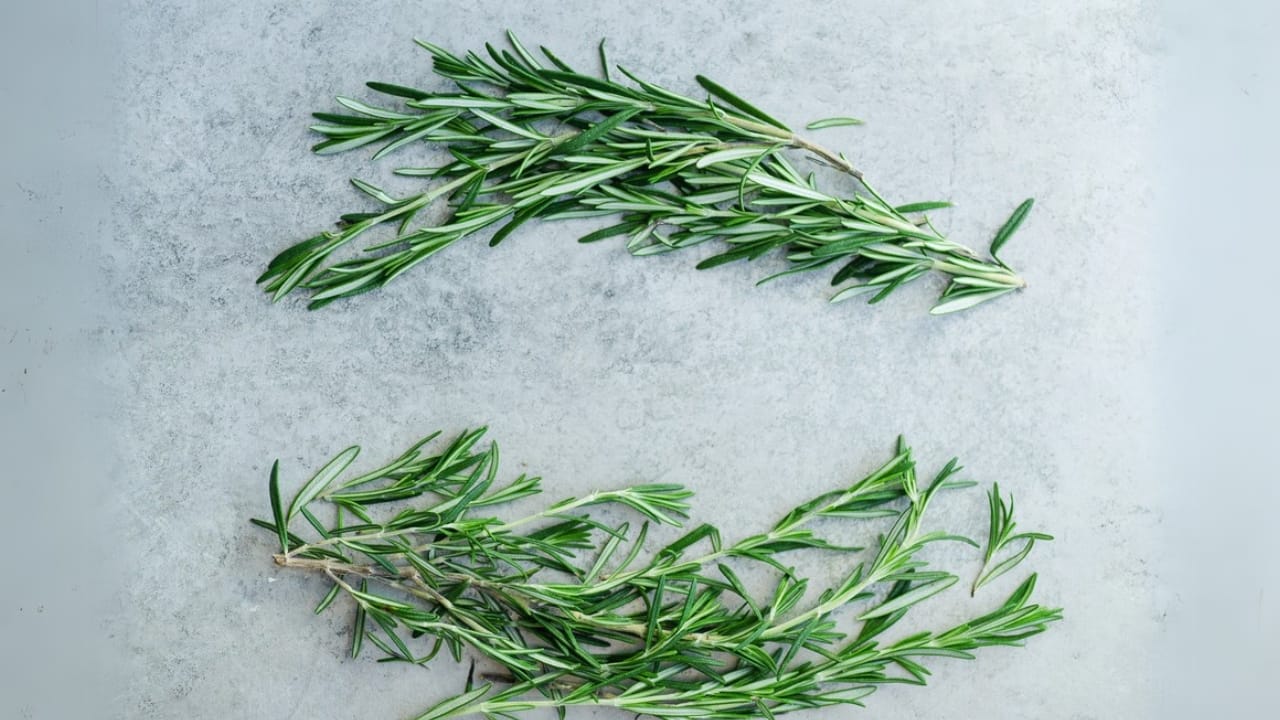
These two grow together in my garden and get used together for the same reason: they clear lungs.
Thyme contains thymol, the same compound in oregano but in higher concentrations. It’s an expectorant, meaning it loosens mucus. Rosemary has camphor and cineole, which open airways.
I use them as a tea when I hear wheezing or see nasal discharge. The recipe is simple: a handful of fresh thyme and rosemary, steeped in boiling water for 15 minutes, cooled completely, then diluted into their drinking water at about one cup of tea per gallon of fresh water.
The tea gets replaced every 12 hours because standing herbal water grows bacteria faster than plain water. I’ve made the mistake of leaving it overnight in summer.
By morning it smelled sour.
Both herbs also go into the coop bedding. The volatile oils reduce ammonia smell and seem to keep the air cleaner.
I can’t measure bacterial load in the air, but I can tell you the coop smells better and the respiratory issues I used to see in winter happen less often now.
A Note on Essential Oils
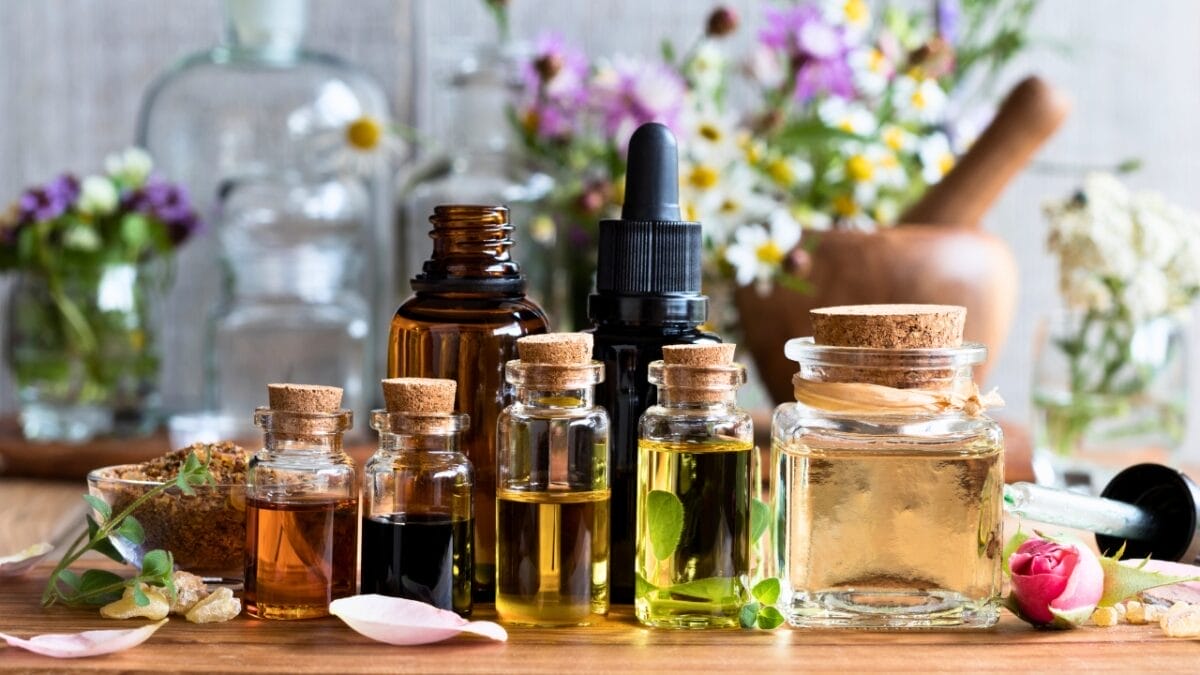
Do not put essential oils directly in their water unless you know exactly what you’re doing.
Undiluted rosemary or thyme oil can burn their throats. The concentration in a single drop is far higher than what you’d get from steeping the whole plant. I use fresh or dried herbs only.
It’s safer, cheaper, and I don’t have to do math.
Wormwood: The Herb I Don’t Use Anymore
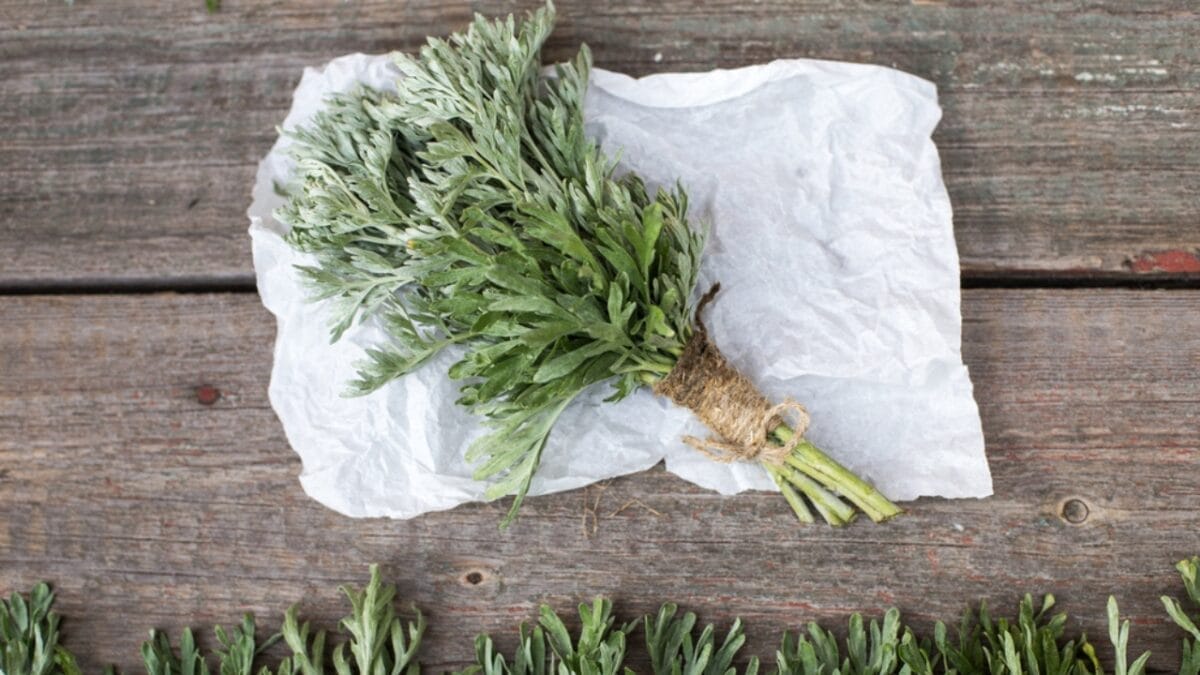
Wormwood contains thujone, a compound that paralyzes intestinal worms by causing muscle spasms. It also paralyzes chickens if they eat too much.
I planted it thinking the birds would nibble it occasionally and self-regulate. One of my hens didn’t self-regulate. She ate a lot of it over several days, probably because she had worms and instinct told her to seek it out.
Then she started having tremors.
Thujone is a neurotoxin. In high doses, it causes convulsions and central nervous system failure. My hen recovered after I pulled out the wormwood and she stopped eating it, but it scared me enough that I won’t plant it again.
If you use wormwood, plant it outside the run where they can’t access it freely, and offer it only as occasional small cuttings.
Never mix dried wormwood into feed where they can’t choose to avoid it. The line between therapeutic and toxic is too thin.
Nettles: The Calcium Powerhouse You Have to Prepare Right
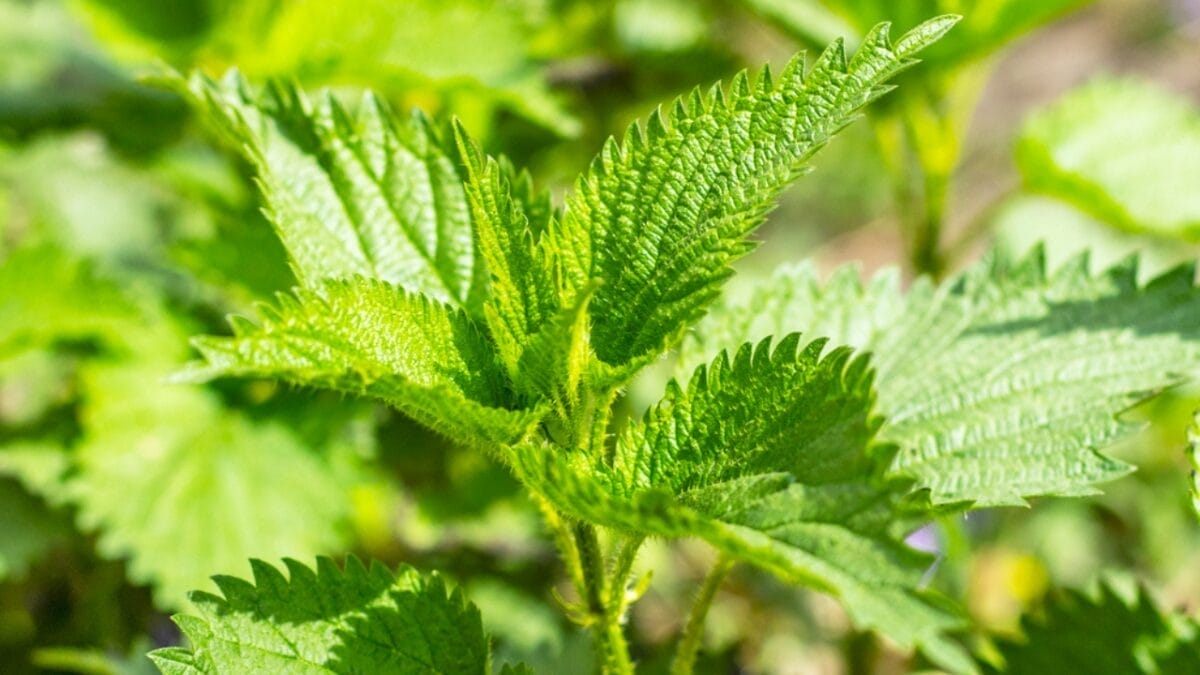
Stinging nettle is one of the best calcium sources you can grow. One cup of cooked nettle has more calcium than most greens, plus magnesium and protein.
But you can’t just toss fresh nettles into the run. The stinging hairs hurt. I learned this by grabbing a handful barehanded while weeding. It felt like touching a hot pan.
The fix is simple: dry them or blanch them. Heat destroys the formic acid in the hairs. Once dried or cooked, nettles are completely safe. My hens love them.
I harvest nettles in late spring, hang them in the garage to dry, then crumble them into feed during winter when egg production is high and shell quality sometimes suffers.
Nettle also helps with feather regrowth during molt. I don’t have data on this, just the observation that molting birds who get nettle seem to feather back in faster.
Calendula and Marigold: The Yolk Color Trick
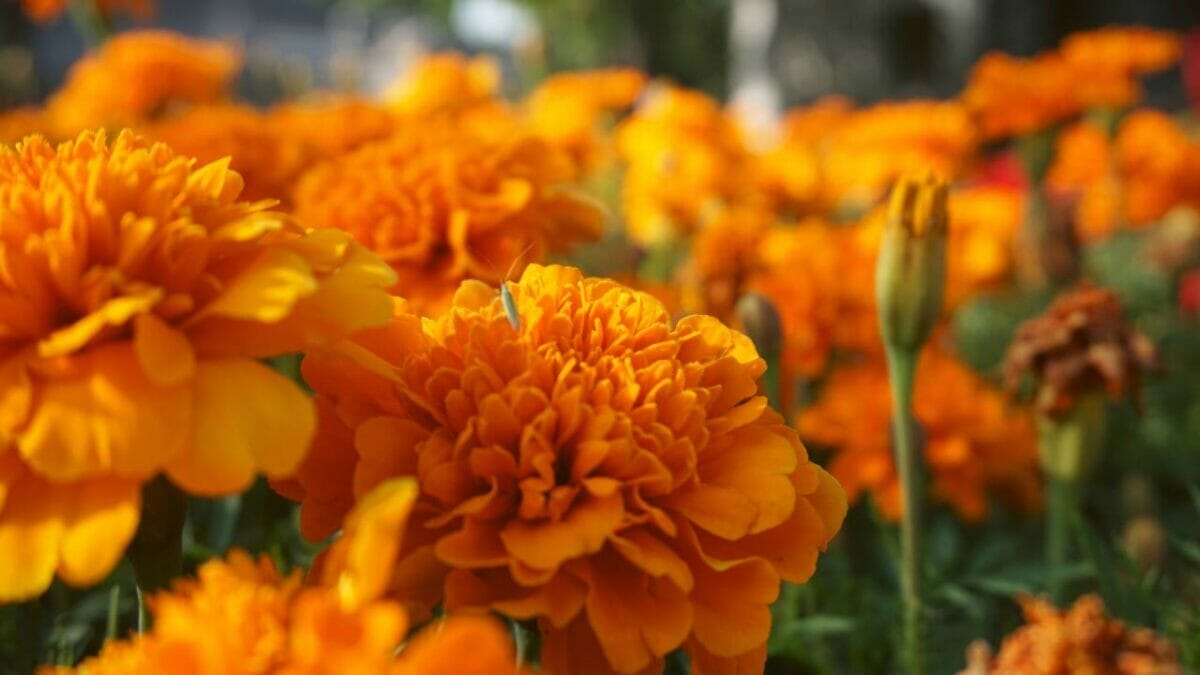
These flowers don’t fix health problems. They just make egg yolks orange.
The pigments are xanthophylls, oxygenated carotenoids that chickens can’t make themselves. They have to eat them. If you want deep orange yolks, you feed calendula or marigold petals.
I grow calendula because it reseeds itself and I don’t have to think about it. I deadhead the flowers, dry the petals, and add them to feed a few times a week. The yolks go from pale yellow to almost red-orange.
People assume orange yolks are healthier. Maybe they are, maybe they’re just prettier. Either way, customers at the farmers market pay more for them, so I keep growing calendula.
It also promotes feather regrowth and has mild antibacterial properties, but mostly I use it for yolk color.
Mint: Overrated for Rodents, Good for Heat
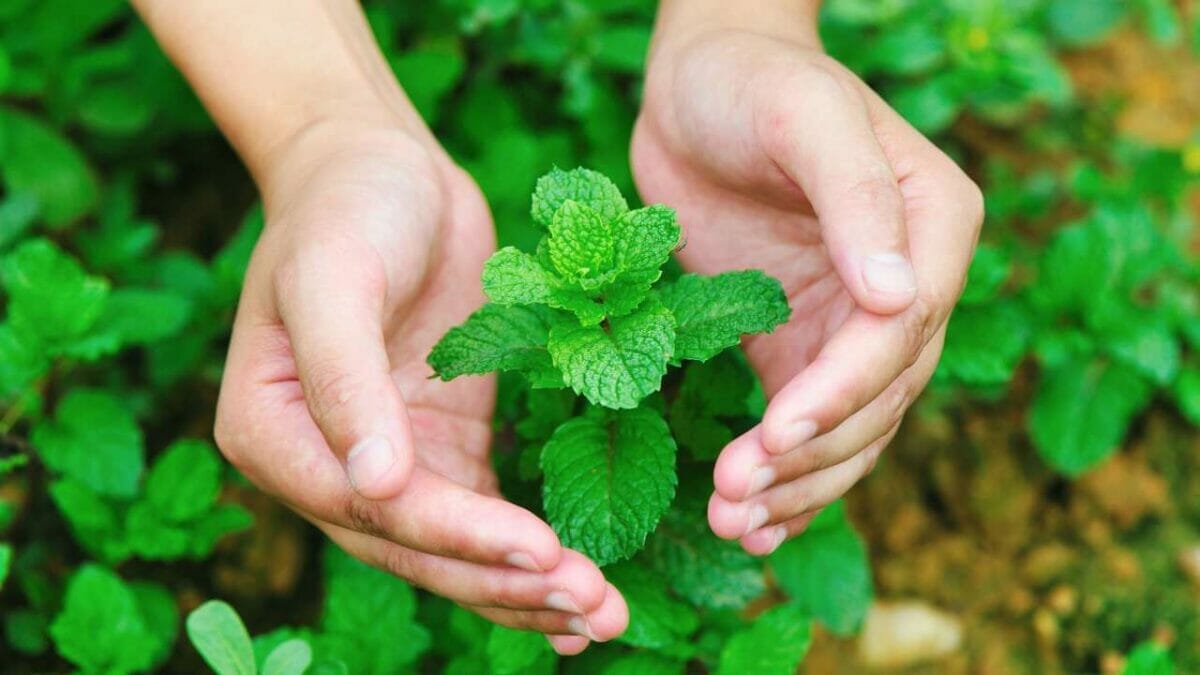
Mint is supposed to repel rodents. It does not.
I planted spearmint and peppermint all around the coop perimeter after reading it would keep rats away. The rats did not care. They nested in the mint. It smelled nice, but it didn’t work.
What mint does do: it helps chickens tolerate heat. The menthol triggers cold receptors, which doesn’t actually cool them down but makes them feel cooler. On 95-degree days, I freeze mint leaves in ice cubes and toss them in the run. The chickens peck at them and seem less stressed.
Mint is also antibacterial and safe to eat in any quantity. I dry it for winter and use it in nesting boxes because it smells good and doesn’t hurt anything. Just don’t expect it to solve your rodent problem.
Lavender: Calm Is Real, But Subtle
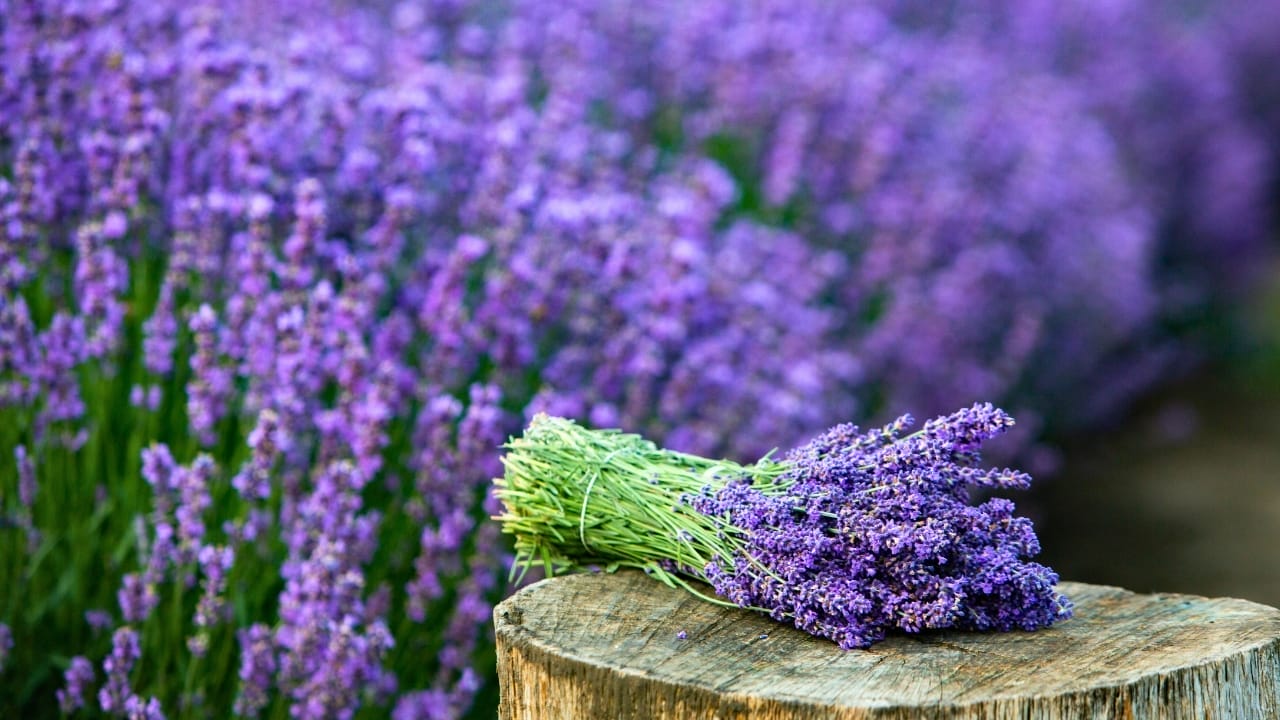
Lavender in nesting boxes reduces stress. I think.
It’s hard to measure stress in chickens, but hens that are about to go broody or are laying in new boxes seem calmer when there’s dried lavender around.
The compound is linalool, which affects the nervous system in ways that promote relaxation.
I also use lavender as a mild insect repellent. It doesn’t kill mites, but it might discourage them. Mostly I use it because it makes the coop smell like something other than chickens.
Fresh lavender rots quickly in a nesting box, so I only use dried. I replace it every few weeks before it gets dusty or moldy.
What About the Dust Bath
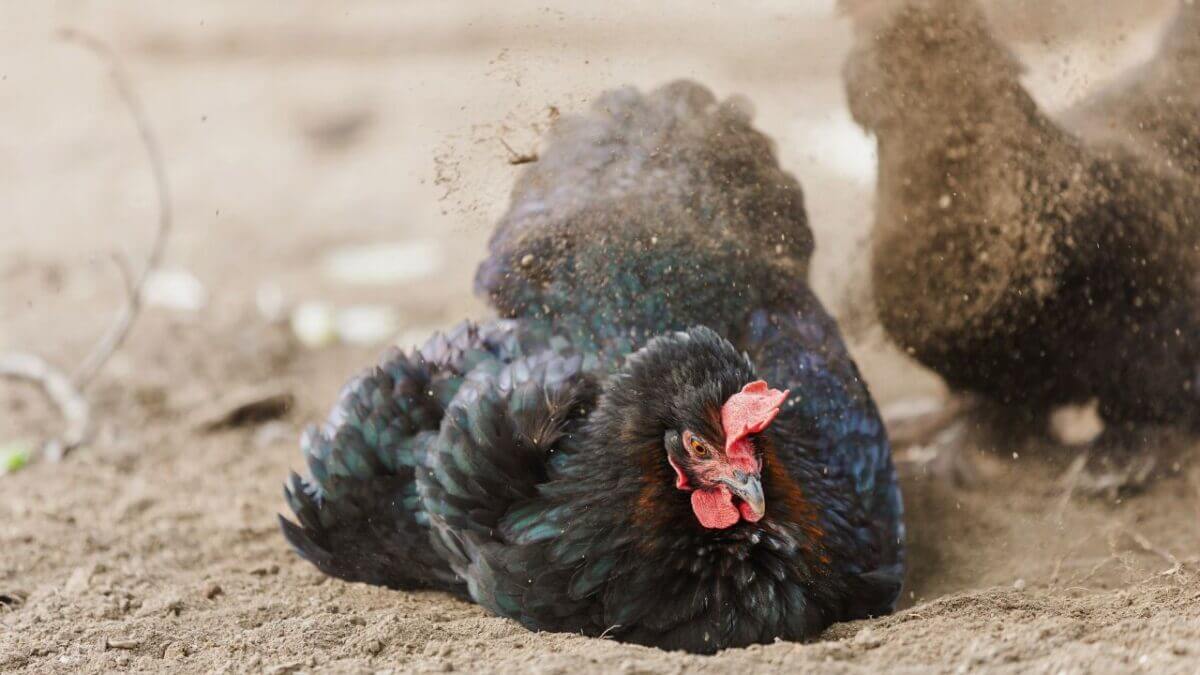
The dust bath is where I use dried herbs most consistently.
I add dried rosemary, lavender, mint, and sometimes thyme to the sand and wood ash mix. The oils coat the chickens’ feathers when they bathe, and the scent seems to repel lice and mites.
I can’t prove causation, but I haven’t had a lice problem since I started doing this.
The herbs break down over time, so I add a handful every week or two. It’s cheap insurance and makes the whole setup smell better.
The Toxicity Line Nobody Talks About
Some plants will kill chickens outright, and they’re often growing in the same garden.
Rhubarb leaves contain oxalic acid, which binds calcium and causes kidney failure. I grow rhubarb for pie. The leaves go in the compost, never the coop.
Potato and tomato leaves contain solanine, a nerve toxin. The fruit is fine. The green parts are not.
Raw dried beans, especially kidney beans, contain lectins that clump red blood cells. Three raw kidney beans can kill a chicken. Cooked beans are safe.
I don’t plant nightshades or beans near the run. I don’t feed kitchen scraps with potato peels or tomato stems. It’s not paranoia if it’s based on watching a neighbor’s hen die from eating green potato skins.
Growing Herbs in Cold Climates Without Losing Your Mind
I’m in Zone 5. Most Mediterranean herbs die here in winter.
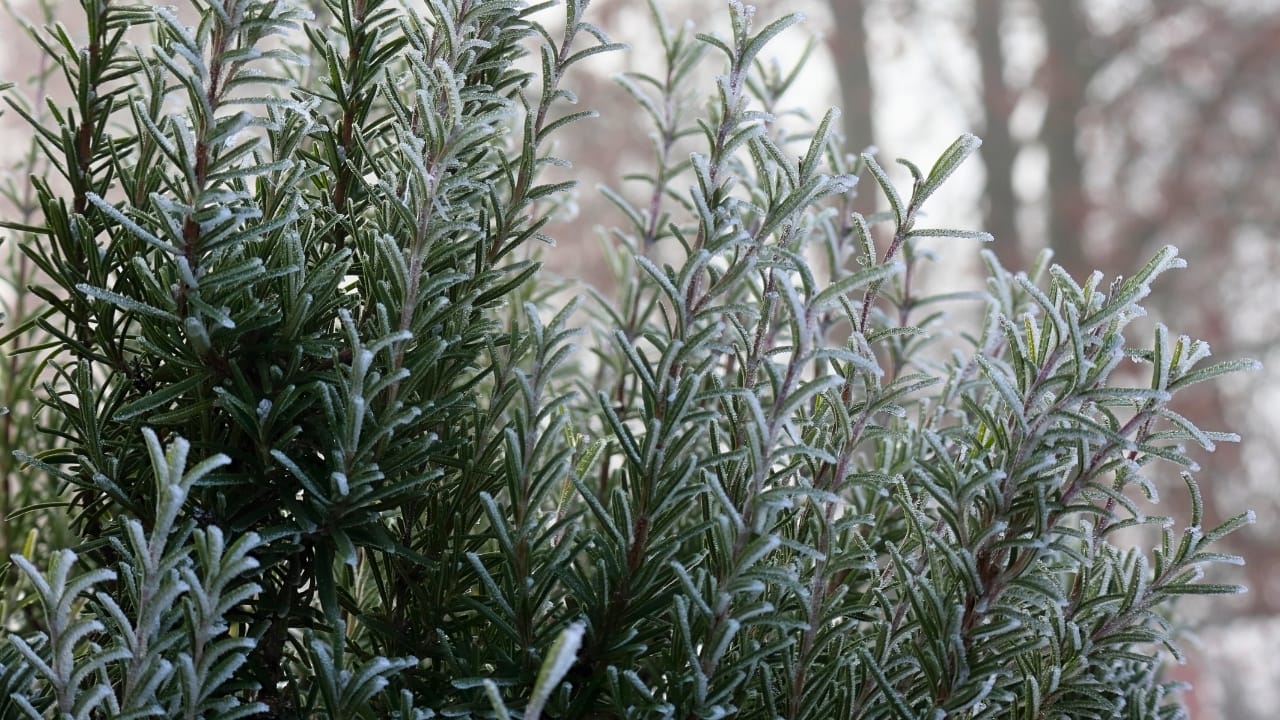
Standard rosemary doesn’t survive. I grow ‘Arp’ rosemary, which is cold-hardy to minus ten degrees, and I still mulch it heavily. Even then, some winters kill it.
Lavender works if you choose the right variety. ‘Munstead’ and ‘Hidcote’ survive here. ‘Phenomenal’ is newer and handles humidity better, which matters in Illinois where we get wet springs that rot lavender roots.
Oregano, thyme, and mint are foolproof. They die back in winter and come back from the roots. I cut them back hard in fall, mulch the crowns, and forget about them until April.
For everything else, I dry what I can in August and store it in glass jars in the dark. Dried herbs lose potency after about six months, so by March I’m running low and waiting for the garden to wake up.
The Method That Works
I don’t put herbs in the feed every day. I use them as needed and let the chickens have access to fresh plants when they want them.
Oregano goes in during wet weather or after I see signs of intestinal upset. Garlic goes in sparingly, only during parasite season. Thyme and rosemary become a tea during respiratory issues. Nettles and calendula go in regularly for nutrition and yolk color.
The rest—lavender, mint, lemon balm—I plant around the run and in the coop for environmental benefits. The chickens nibble what they want. I don’t force it.
What I’d Tell Someone Starting Out
Start with oregano, thyme, and calendula. Those three cover most of what you’ll actually need: parasite control, respiratory support, and egg quality.
Skip wormwood unless you’re experienced and understand the risks. Don’t overdo garlic. Don’t assume mint will keep rats away.
Learn the difference between fresh herbs and essential oils, and default to fresh whenever possible. Grow cold-hardy varieties if you’re in the North, or plan to replant every spring.
And watch your chickens. They’ll tell you if something’s working or if you’ve given them too much. The tremors taught me that.

Davin is a jack-of-all-trades but has professional training and experience in various home and garden subjects. He leans on other experts when needed and edits and fact-checks all articles. Also an aspiring cook we he researches and tries all kinds of different food recipes and shares what works best.