
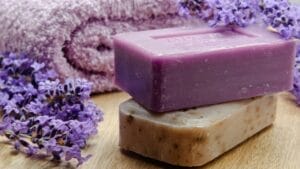
i’ve watched a lot of people get excited about making soap, spend a fortune on supplies and molds, make like three batches, then give up when they realize selling soap is harder than making it.
turning this into a real business isn’t just about mastering recipes. it’s about building a brand people actually want to buy from. here’s how to move past the hobby phase and scale this thing into something profitable.
people who actually did this
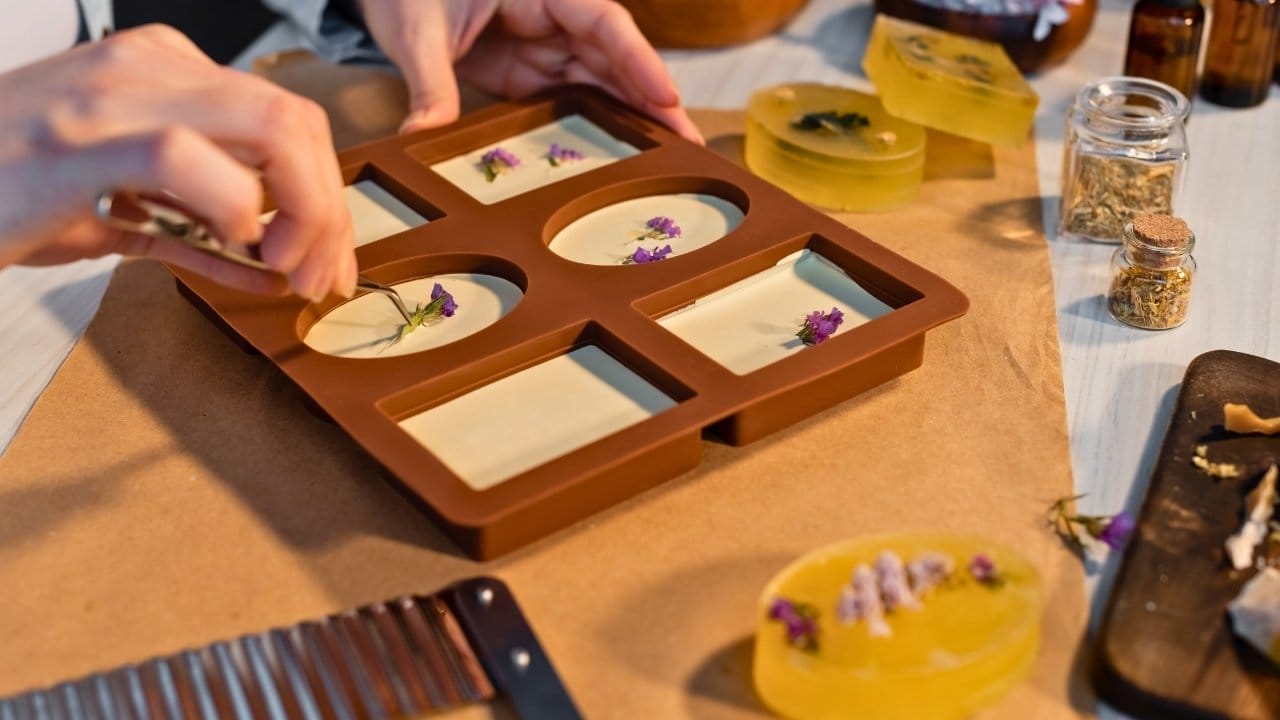
let me start by showing you what is possible.
outlaw soaps: danielle vincent started in 2013 with $17 worth of supplies after getting inspired by soap from her honeymoon.
learned soap making from youtube. now generates $23,000 monthly revenue, hit $1.26 million in 2019, $15 million total revenue. they went from making campfire-scented soap in their kitchen to employing seven staff in nevada. full story
the little soap company: emma heathcote-james started in 2008 from her kitchen table selling at farmers markets. someone told her “you’ll never make a living out of soap.”
now it’s a multi-million pound business with 15 staff, products in waitrose, sainsbury’s, tesco, boots. their eco warrior range sells one bar every 90 seconds and has saved over 2 million plastic bottles. full story
storefront success: one soap maker hit $30,000 revenue in their first three months after opening a physical store, during summer which is supposedly the slowest season. used local seo, google business, facebook groups, and tourism partnerships. full story
industry data shows handmade soap business owners typically earn $20,000-$100,000 annually. small to medium businesses range $50,000-$200,000 in annual revenue. established businesses with proper scaling could potentially hit $200,000 per year. profit margins typically run 25-50%.
these aren’t lottery winners. they just treated it like a business instead of a hobby.
master the basics first
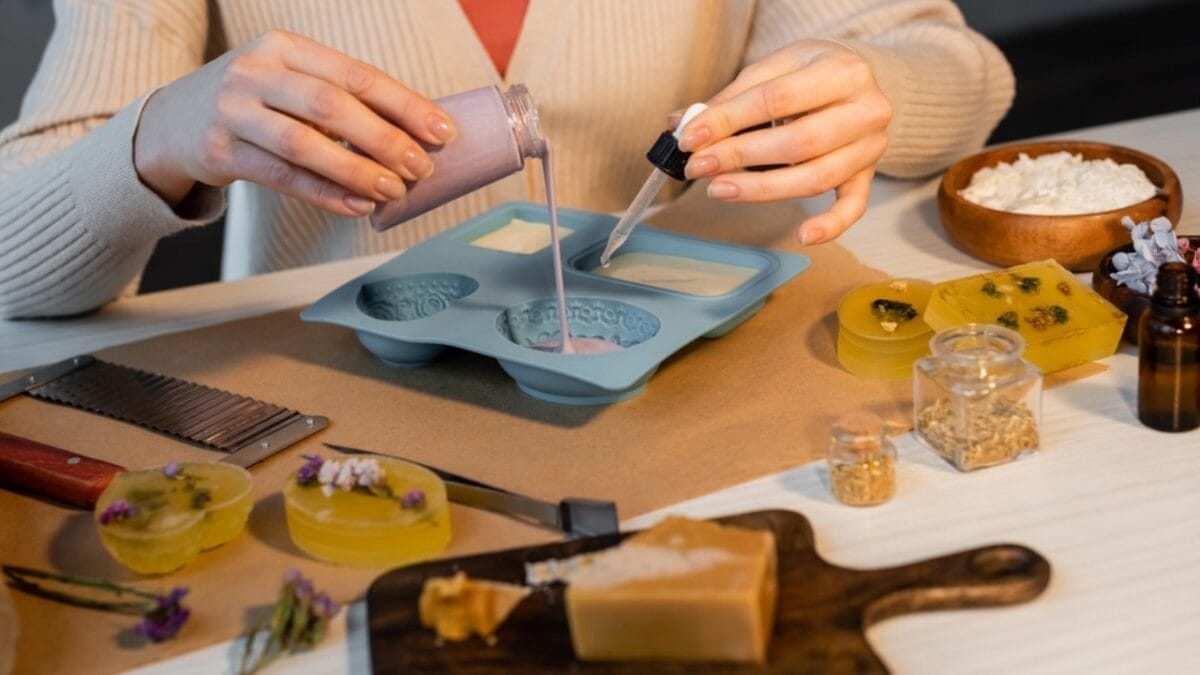
cold-process soap making starts simple: coconut oil, olive oil, palm oil, lye, and water. you carefully measure ingredients, mix lye with water, combine with oils, and let it cure for several weeks.
safety matters here. get proper equipment – digital scales, stick blenders, protective gear. lye burns are no joke and eyeballing measurements will ruin your batches.
but here’s where most people stay stuck – they make basic soap forever. successful soap makers develop signature blends with natural additives, essential oils, and creative molding techniques that actually differentiate them from everyone else making the same recipes off pinterest.
start small or you’ll drown
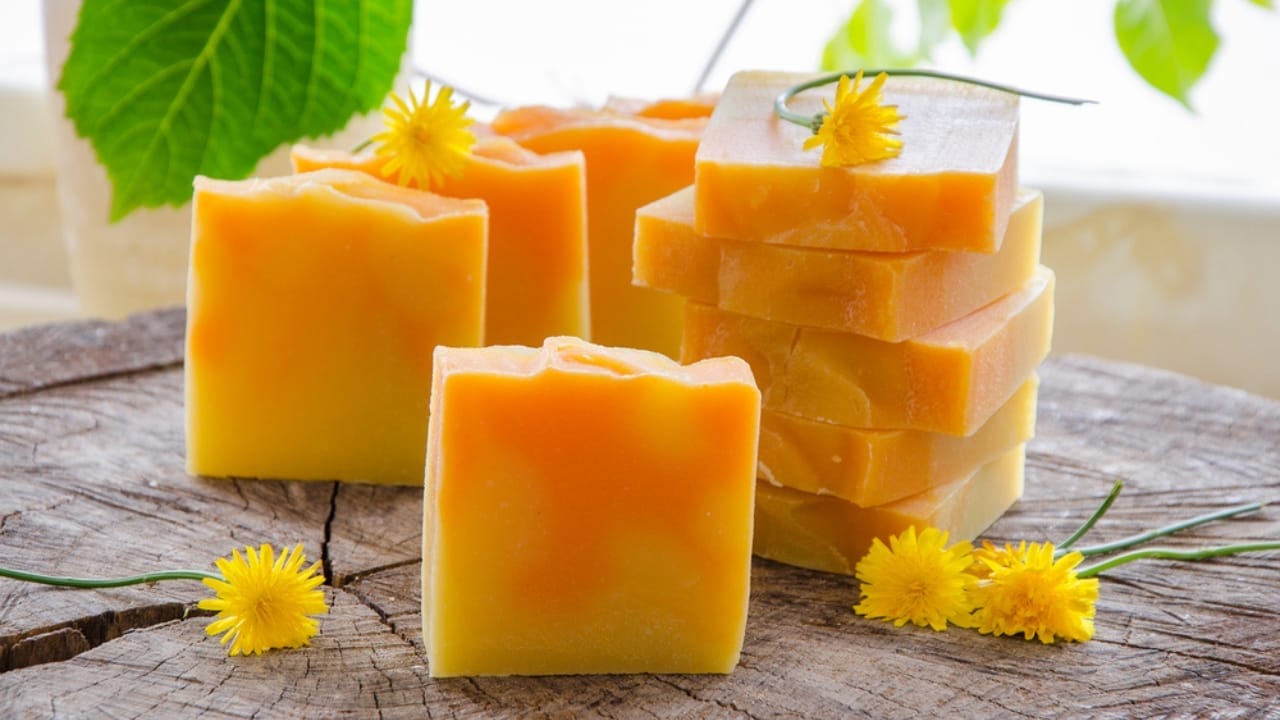
launching with fifty different soap varieties sounds impressive until you’re managing inventory for fifty products while trying to actually sell them.
start with ten items max. perfect those. production should take less than 20% of your time – the other 80% needs to go toward marketing and sales because the best soap in the world doesn’t matter if nobody knows it exists.
pricing determines whether this stays a hobby or becomes a business. don’t compete on price – compete on value and quality. premium handmade soaps can sell for $7-$12 per bar. some luxury brands charge way more. cheap soap exists at walmart. you’re not walmart.
build a brand that doesn’t look homemade
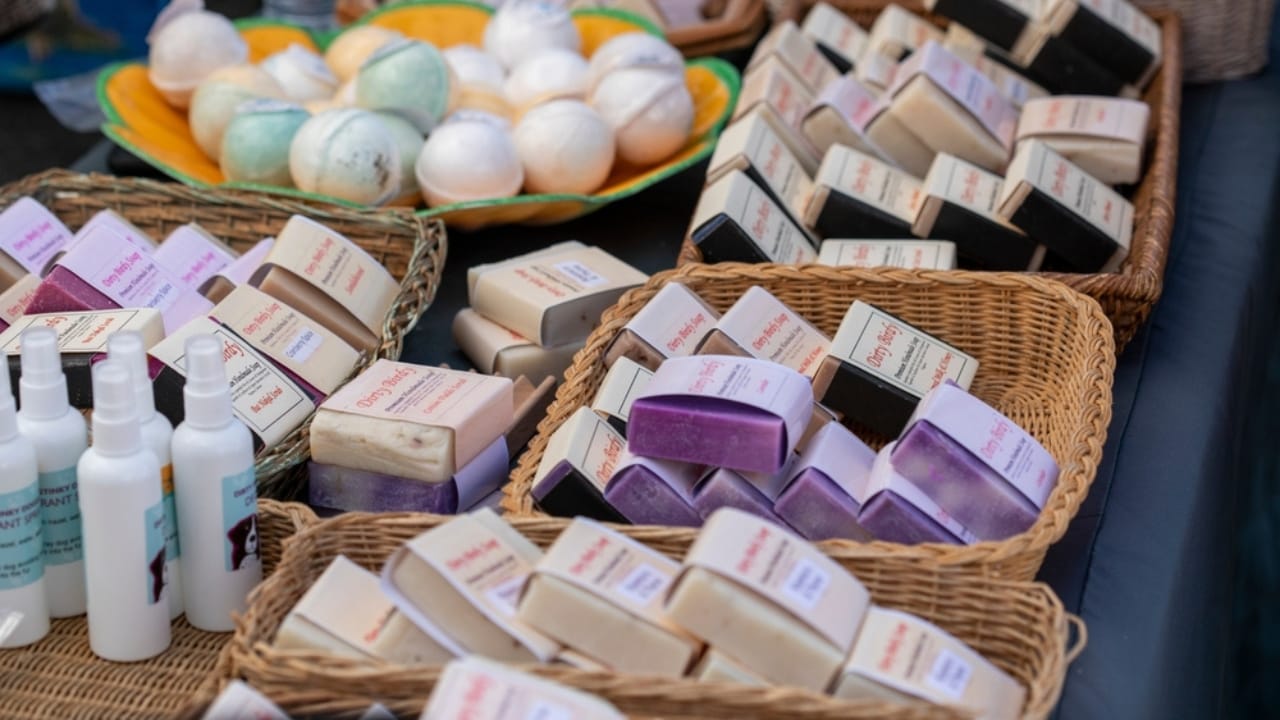
there’s a difference between handmade and homemade-looking. successful soap businesses have consistent visual identities, professional packaging, and marketing messages that resonate with specific customers.
instagram and pinterest are crucial for this. high-quality photos of your products matter more than you think. people buy with their eyes first.
start selling on etsy while building your own website. partner with local spas and boutique hotels who need luxury amenities. these distribution channels compound – one leads to another if you’re strategic about it.
the actual scaling strategy
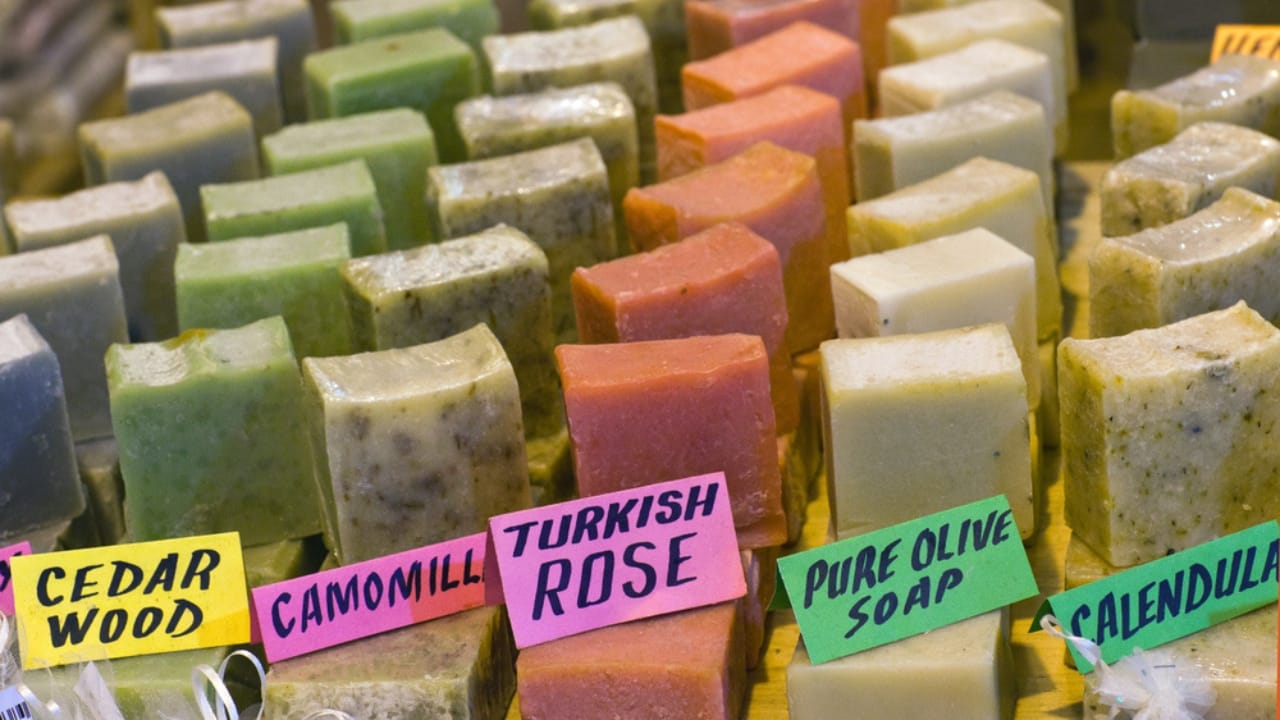
growing requires systems, not just hustle. you need:
- thorough market research on who actually buys premium soap
- unique selling propositions that aren’t just “handmade with love”
- consistent branding across every touchpoint
- efficient production that maintains quality
- reliable supplier relationships so you don’t run out of materials
- strategic pricing that protects your margins
the key is maintaining profitability while expanding. carefully manage costs, keep margins healthy, adapt to what the market actually wants instead of what you want to make.
many successful soap makers find their niche in premium markets where quality and uniqueness justify higher prices. mass market soap is a race to the bottom. don’t enter that race.
sustainability sells (and it should)
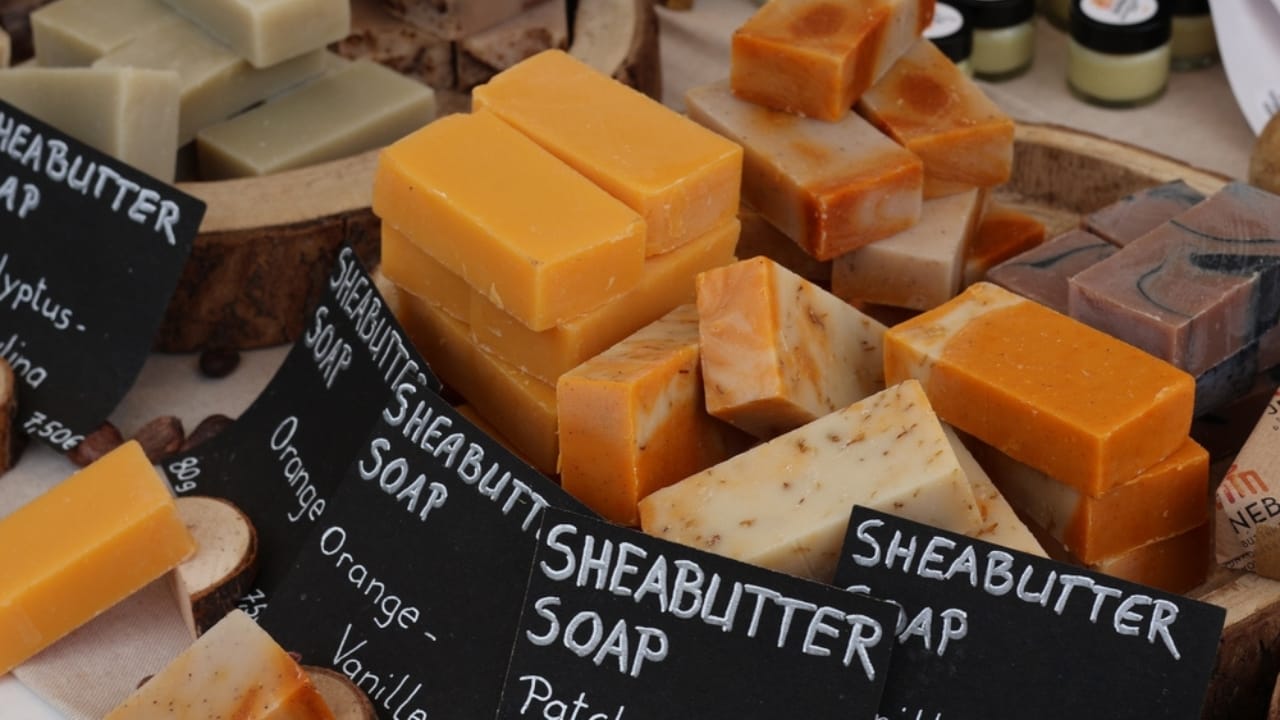
consumers increasingly pay more for sustainable products. this isn’t just marketing fluff – it’s a real shift in buying behavior. (ref)
successful soap businesses integrate sustainability throughout production. natural and sustainable ingredients, recyclable and biodegradable packaging, transparent sourcing practices.
this appeals to environmentally conscious buyers who will pay premium prices for products aligned with their values. it also differentiates your brand in a crowded market where everyone claims to be “natural.”
when you’re ready to go bigger
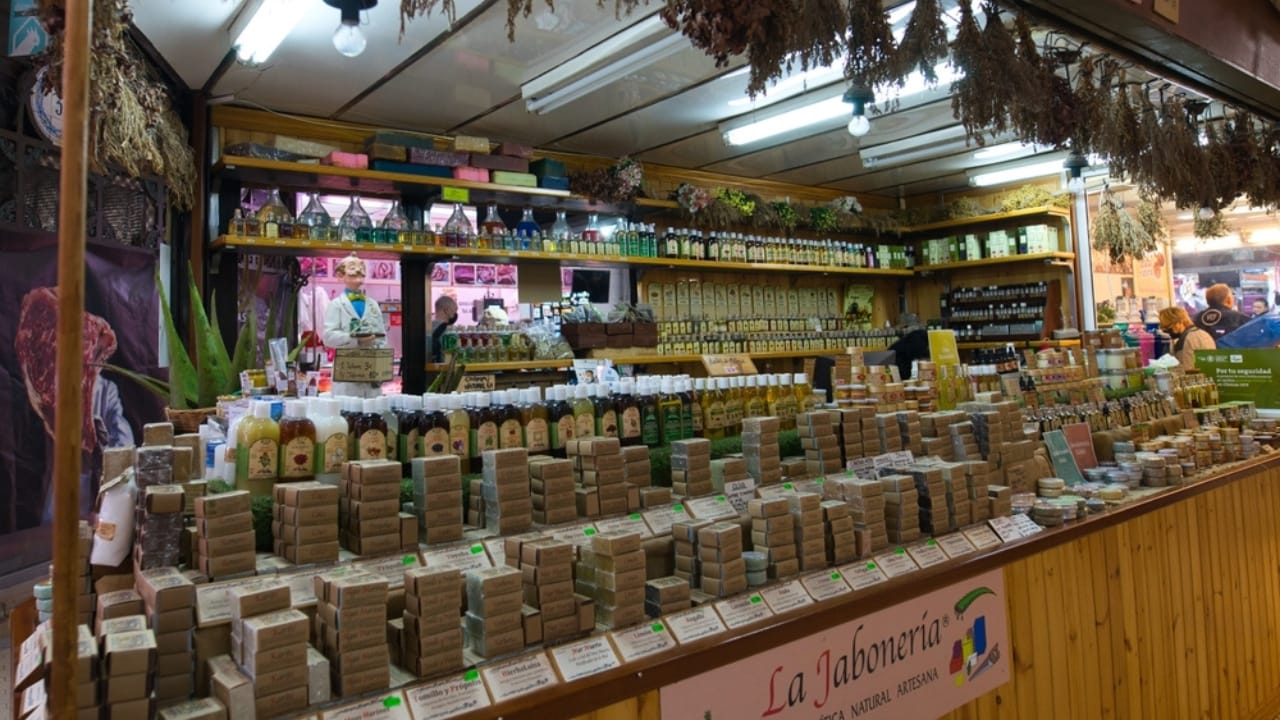
the soap industry has serious growth opportunities in emerging markets. india, china, brazil are seeing rising demand for personal care products driven by urbanization and population growth.
expanding internationally requires understanding local preferences and regulations while maintaining quality. strategic partnerships with local distributors help navigate new markets without destroying yourself trying to figure out foreign business practices.
most successful makers start domestic, build a solid foundation, then expand through online platforms and international partnerships once they’ve proven the model works.
why most soap businesses fail
they stay in hobby mode. they make soap they like instead of soap the market wants. they price too low to be sustainable. they don’t invest in marketing and branding. they scale too fast before perfecting systems.
success comes from treating this like an actual business – understanding margins, developing efficient processes, building a real brand, and focusing relentlessly on what customers want to buy.
the soap making part is the easy part. everything else is the business.

Davin is a jack-of-all-trades but has professional training and experience in various home and garden subjects. He leans on other experts when needed and edits and fact-checks all articles. Also an aspiring cook we he researches and tries all kinds of different food recipes and shares what works best.