

Imagine a dessert so bright and zesty that it instantly transports you to a sunlit afternoon, a glass of lemonade in hand. Lemon Meringue Pie with Marshmallow Meringue is that quintessential dessert, blending tangy lemon custard with a light, fluffy topping to create a recipe that’s equal parts indulgent and refreshing.
This dessert isn’t just about flavor—it’s about celebrating the artistry of baking with textures, flavors, and aromas that come together in perfect harmony.
The Art of Lemon Meringue
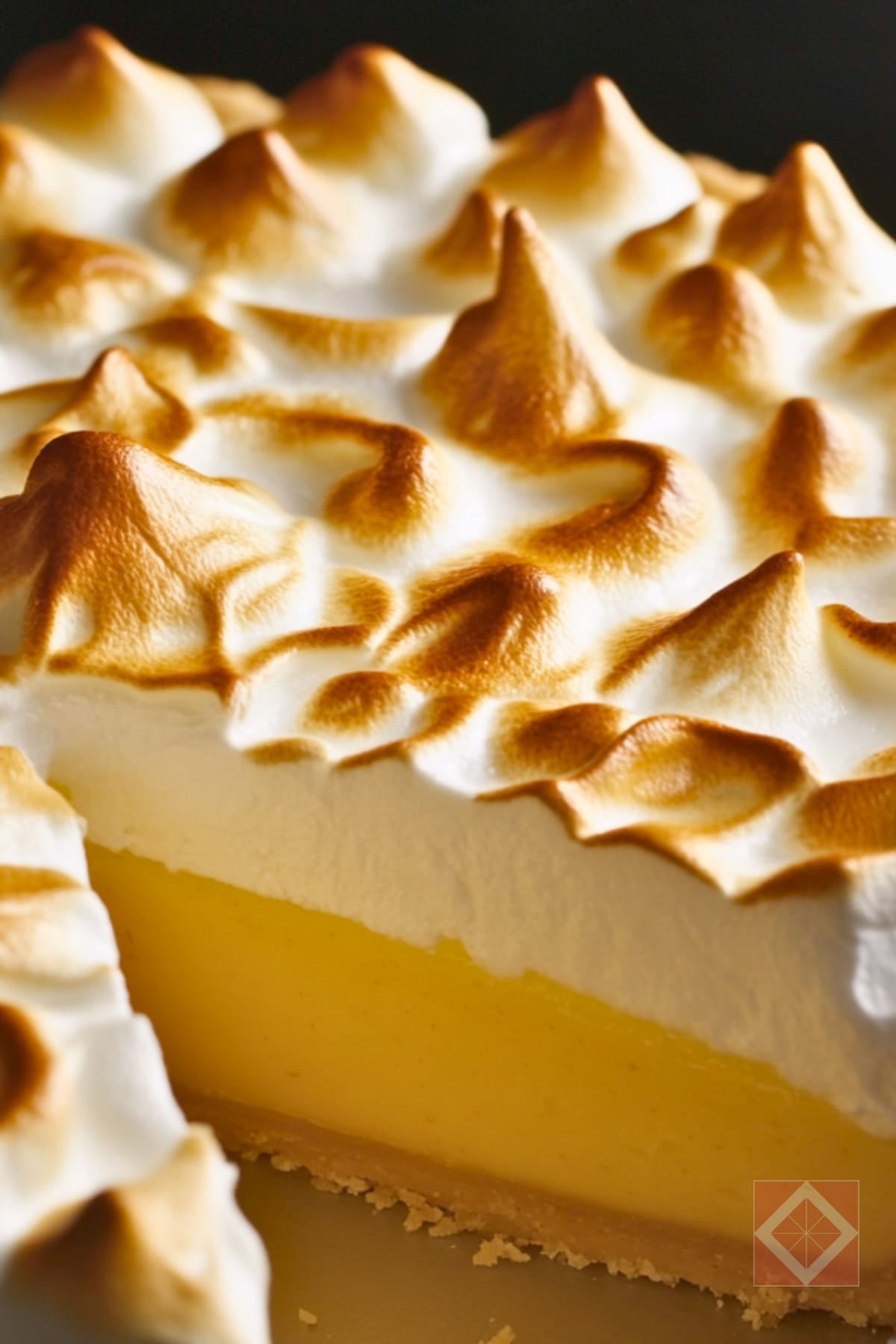
What sets this lemon meringue pie apart from other recipes is its stunning balance of flavors and textures. The lemon custard is silky and packed with bright citrus notes, while the marshmallow meringue topping is airy, slightly toasted, and irresistibly sweet.
Together, they create a dessert that’s as visually striking as it is delicious.
This pie is perfect for any occasion—from a casual family dinner to an elegant gathering. Plus, it’s a dessert that keeps well in the fridge, making it ideal for meal prep or enjoying throughout the week.
Tips for Perfecting This Recipe
Making a lemon meringue pie from scratch might feel daunting, but a few pro tips will ensure you achieve bakery-level results.
- Use Fresh Lemons: The zest and juice of fresh lemons are the star ingredients in this recipe. They provide the vibrant flavor that makes the custard sing. Bottled juice simply won’t deliver the same brightness.
- Nonreactive Equipment: When working with acidic ingredients like lemon juice, always use stainless steel or glass bowls and utensils. Avoid materials that could impart a metallic taste to your dessert.
- Patience with the Meringue: Spread the marshmallow meringue while the custard is still warm. This helps the layers bond and prevents separation. Use a fork or spoon to sculpt swoops and swirls for a dramatic finish.
Customizing the Recipe to Your Needs
This lemon meringue pie recipe is versatile enough to adapt to various preferences or dietary needs.
- Dairy-Free: Replace the butter in the crust with a dairy-free alternative, and use coconut milk in place of water in the custard for a tropical twist.
- Gluten-Free: Use a gluten-free pastry crust to make this dessert accessible to everyone.
- Flavored Variations: Add a floral twist by infusing elderflower liquor into the custard, or experiment with lemongrass for a citrusy, herbaceous note.
Troubleshooting Common Issues
This dessert requires precision to achieve the perfect consistency and flavor. Here are solutions to some common challenges:
- Weeping Meringue: Ensure your meringue topping fully covers the custard to seal in moisture. Baking until slightly golden also helps stabilize the topping.
- Runny Custard: Cook the custard until it thickens enough to coat the back of a spoon. If you’re uncertain, a digital thermometer is your best friend—aim for 135°F while whisking.
- Crust Shrinking: Prevent this by chilling your crust before baking and ensuring your dough isn’t overworked.
A Dessert That’s Worth the Wait

With a little planning and patience, this lemon meringue pie recipe can become a standout addition to your dessert repertoire. While the active preparation time is minimal, allowing time for chilling and setting is key to achieving the best results.
The crisp crust, velvety custard, and marshmallow-like meringue come together in a way that feels effortlessly elegant, making every slice a celebration of flavor.

Lemon Meringue Pie with Marshmallow Meringue Recipe
Ingredients
Lemon Custard
- 1 ¾ cups sugar
- ¼ teaspoon kosher salt
- ½ cup cornstarch
- ½ cup egg yolks from 8 large eggs
- 3 tablespoons lemon zest from 3 large lemons
- 1 cup freshly squeezed lemon juice from 4 medium lemons
- 2 ¼ cups water
- ¼ teaspoon orange flower water optional
For Assembly
- 1 fully baked No-Stress All-Butter Pastry Crust
- 1 batch Marshmallow Meringue
Instructions
Prepare the Custard
- In a nonreactive saucier, whisk together sugar, salt, and cornstarch. Gradually whisk in egg yolks, lemon zest, lemon juice, and water until smooth.
- Cook over medium-low heat, whisking constantly, until the mixture steams (around 5 minutes). Increase heat to medium, cooking until thickened (about 3 more minutes), whisking gently. Once bubbling sluggishly, continue whisking for 2 minutes to neutralize starch in the egg yolks.
- Strain the custard through a fine-mesh sieve into a bowl, pressing with a spatula to extract all liquid. Stir in orange flower water if desired.
- Spread the custard evenly into the prepared crust and let it cool at room temperature until a skin forms (approximately 30 minutes). Cover with plastic wrap and refrigerate for up to 24 hours.
Assemble the Pie
- Preheat the oven to 375°F and adjust the rack to the lower-middle position.
- Gently spread Marshmallow Meringue over the chilled custard, ensuring it touches the crust all around. Use a fork to create swoops and swirls in the meringue.
- Place the pie on a baking sheet and bake for about 20 minutes, or until the meringue peaks are lightly golden.
- Cool the pie at room temperature for 1 hour. Wrap it loosely in plastic and refrigerate until completely chilled, about 4 hours if warm, or 1 hour if cold when starting.
Serve
- Slice the pie using a chef’s knife dipped in hot water, wiping clean between cuts. Use an angled pie server to lift out slices.
- Loosely cover leftovers with plastic wrap, storing in the refrigerator for up to 1 week.
Notes
- Coconut Lemongrass: Replace water in custard with 4 oz coconut water and 1 ½ cups unsweetened coconut milk. Infuse with 2 chopped lemongrass stalks.
- Elderflower: Add ¼ cup elderflower liqueur to the custard. Reduce water to 2 cups for a floral twist.
- Lemon Mousse: Chill custard and fold in whipped cream. Serve as parfaits with fruit and cookies.

Davin is a jack-of-all-trades but has professional training and experience in various home and garden subjects. He leans on other experts when needed and edits and fact-checks all articles. Also an aspiring cook we he researches and tries all kinds of different food recipes and shares what works best.