
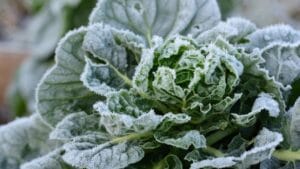
i thought gardening ended with the first frost until i realized i was doing it completely wrong. turns out some vegetables dont just survive cold weather they actually get better after it.
frost triggers them to convert starches into sugar so they dont freeze solid,which means sweeter carrots, better tasting kale and parsnips that taste like candy. now i garden year round and honestly prefer my winter harvests to summer ones.
these 15 vegetables will keep your garden alive through freezing temps. some grow slowly all winter others sit dormant until spring,either way youll have fresh food while everyone else is buying sad grocery store produce.
1. Carrots (Daucus carota)
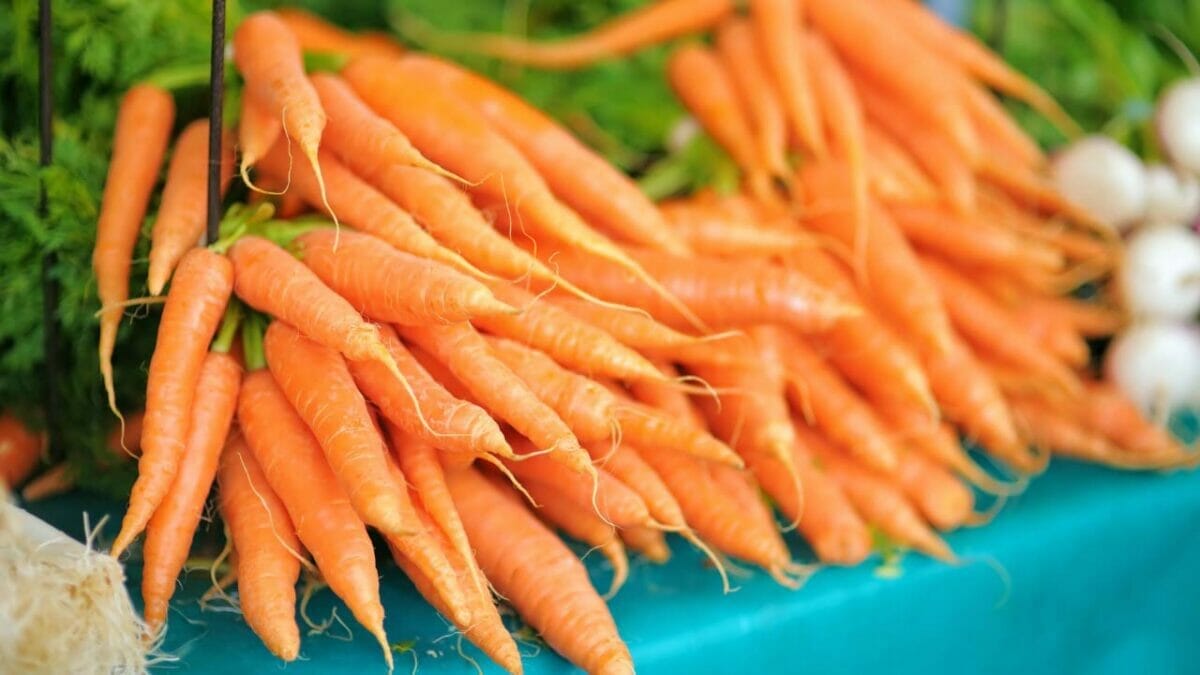
days to harvest: 60-80 days from seed
planting tips: direct seed into loose soil in early fall, for winter harvest start planting in late summer.
carrots get ridiculously sweet after frost. like candy sweet, the cold triggers them to convert starches into sugars so they dont freeze solid and the result is carrots that taste nothing like the bland ones from the store.
just make sure your soil is loose and well draining so they can grow straight. heavy clay will give you weird forked carrots that are annoying to clean.
2. Garlic (Allium sativum)
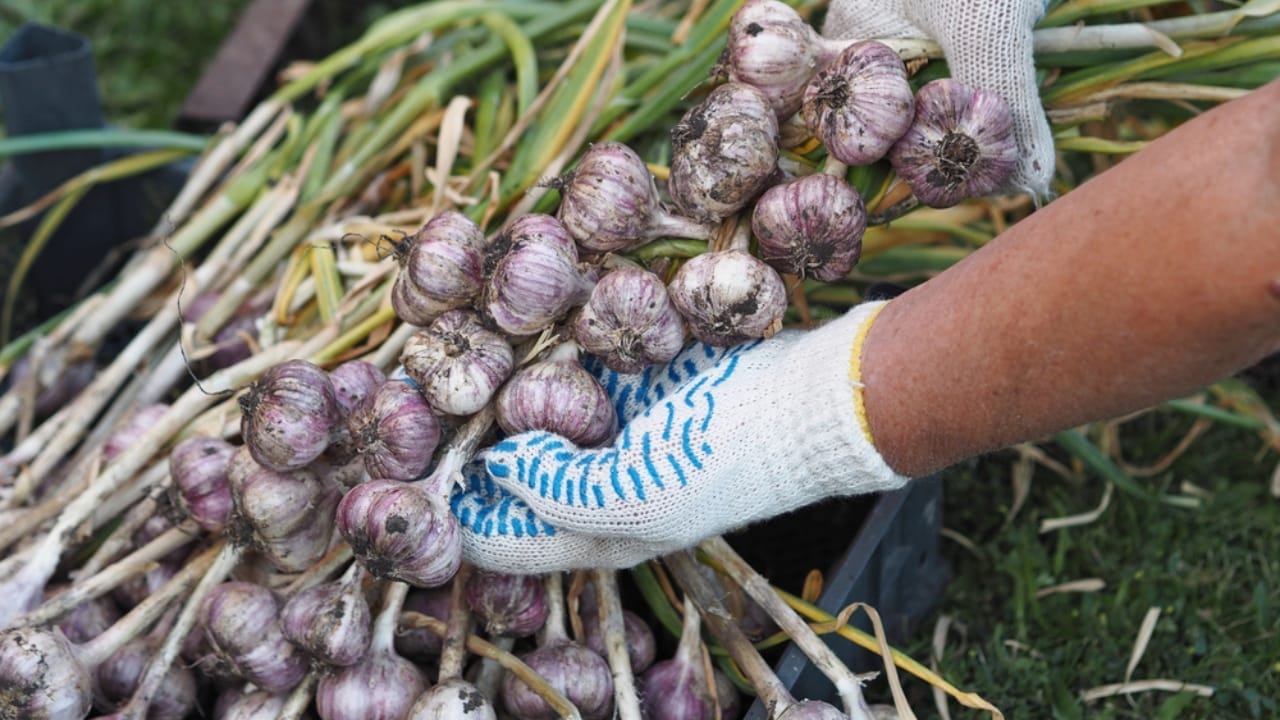
days to harvest: 180-240 days from cloves (plant in fall harvest in summer)
planting tips: plant individual cloves in fall, the cold helps them develop strong flavor.
you plant garlic in october or november and it just sits there all winter developing its root system underground, then in spring it shoots up and by summer you’ve got fresh garlic.
the cold period is actually required for good bulb formation. without winter chill you just get a single clove instead of a full head,so dont try to skip this step.
3. Onions (Allium cepa)
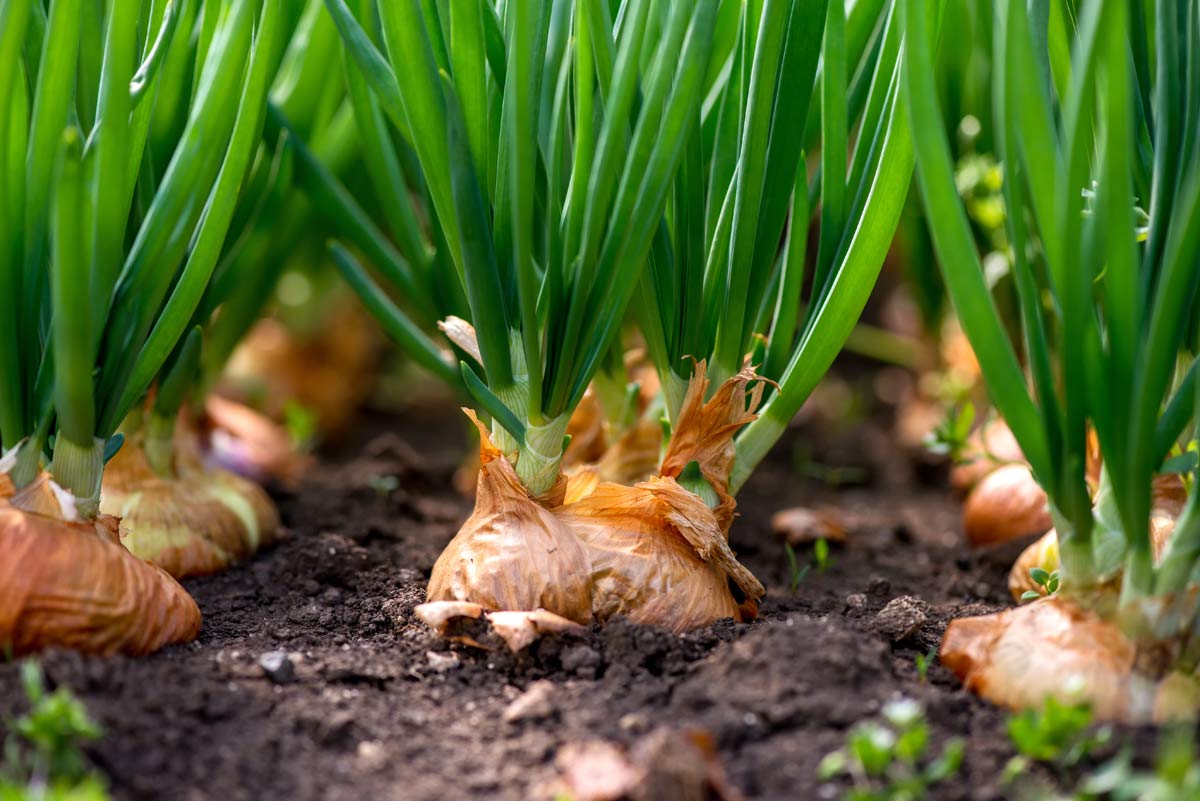
days to harvest: 120-150 days from seeds, 60-90 days from sets
planting tips: start seeds indoors in late summer or plant sets in fall for earlier harvest.
fall planted onions establish roots during winter and then explode with growth in spring,you get bigger onions earlier than spring planted ones.
sets (small bulbs) are easier than seeds for beginners. just push them into the soil pointed end up and theyll do their thing all winter.
4. Spinach (Spinacia oleracea)
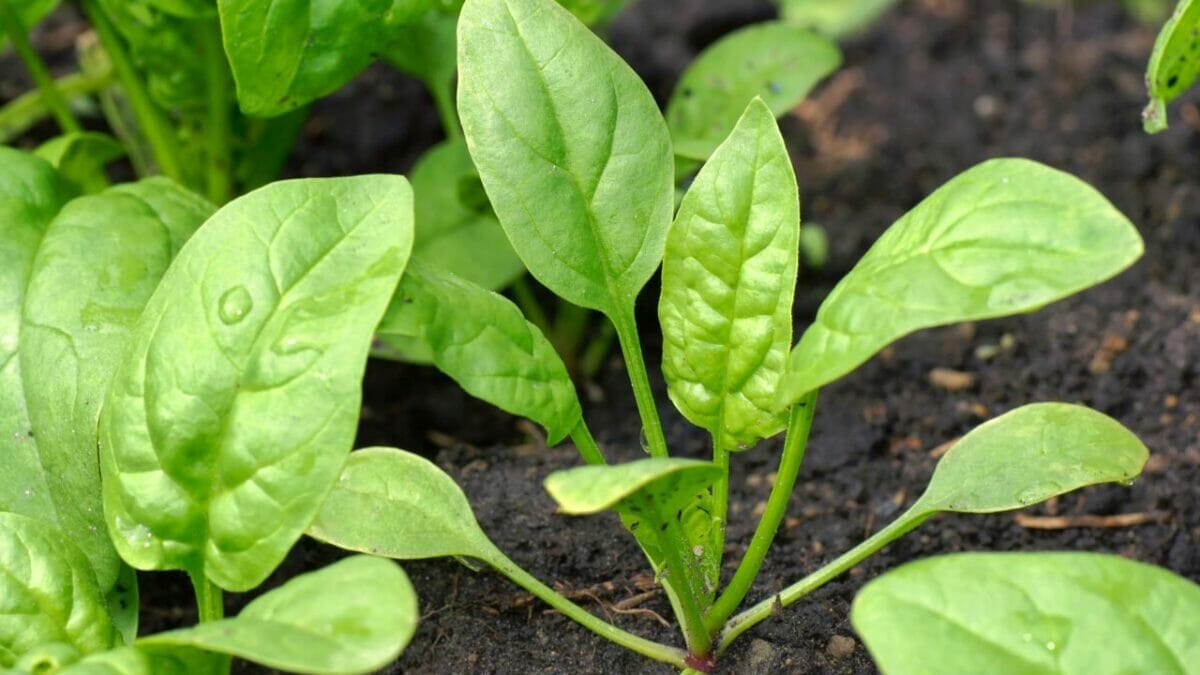
days to harvest: 30-45 days from seed
planting tips: direct sow seeds in early fall for winter long supply, harvest individual leaves as needed.
spinach is ridiculously cold hardy and actually tastes better after light frost. summer spinach bolts (goes to seed) as soon as it gets warm but winter spinach just keeps producing leaves for months.
you can harvest outer leaves continuously and the plant keeps making new ones from the center,its basically a cut and come again crop all winter.
5. Kale (Brassica oleracea var. sabellica)
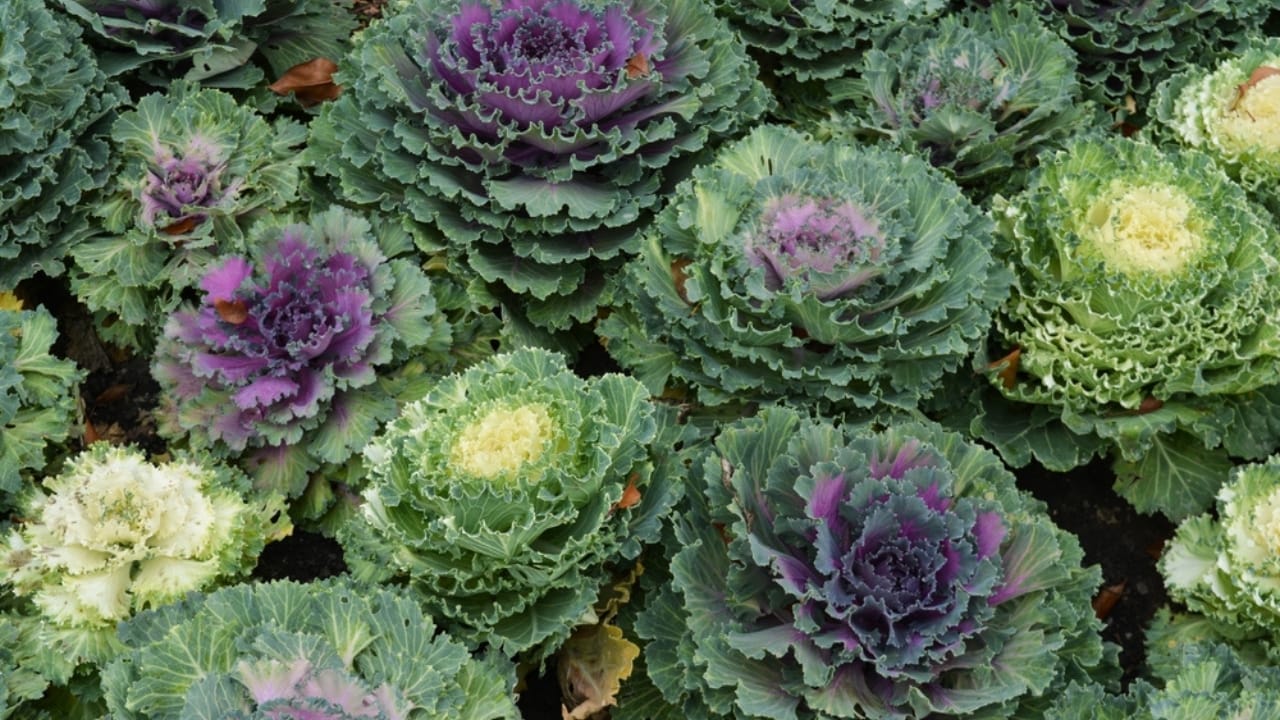
days to harvest: 55-75 days from seed, 30-40 days from transplants
planting tips: start seeds in late summer or plant transplants in fall, harvest outer leaves continuously.
kale survives temps down to like 10°F and gets sweeter after every frost. the leaves might look a little wilted after a hard freeze but they perk right back up,ive harvested kale from under snow multiple times.
start from transplants if you want to harvest sooner. seeds work fine but take longer which matters when youre racing against winter.
6. Cauliflower (Brassica oleracea var. botrytis)
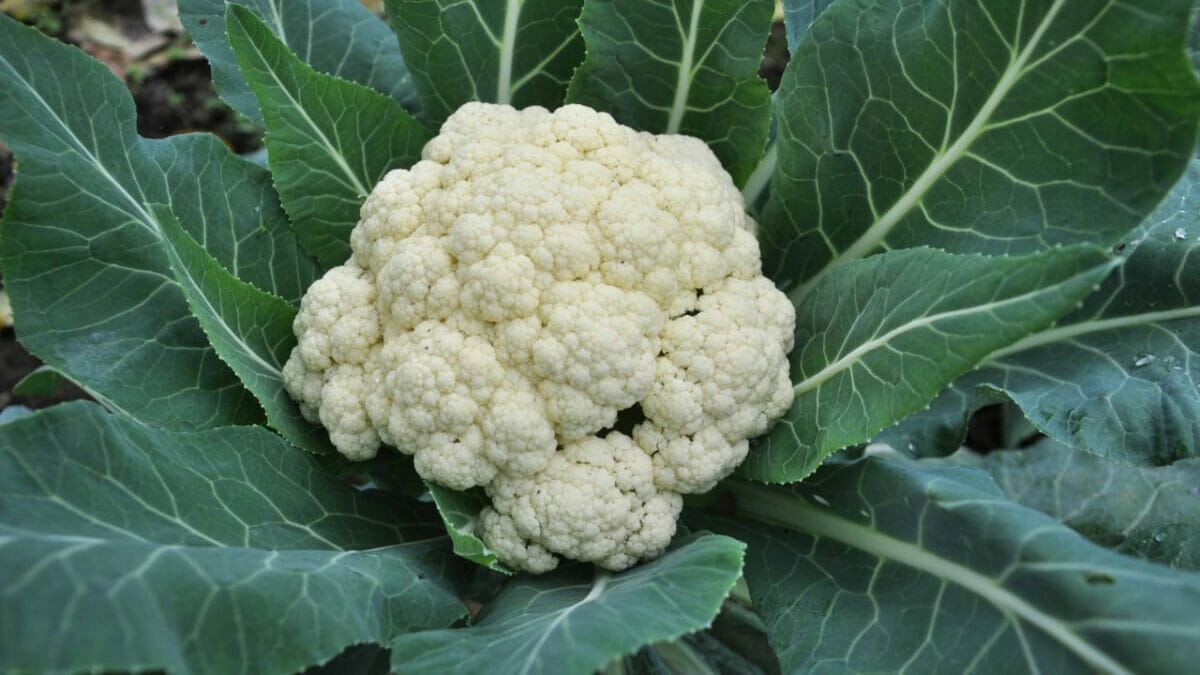
days to harvest: 70-100 days from transplants
planting tips: start seeds indoors 6-8 weeks before transplanting in early fall, needs consistent care for full heads.
cauliflower hates heat but loves cool weather making it perfect for winter gardens, the heads form better when temps are consistently cool.
it needs more attention than some other winter crops – consistent water and good soil – but the payoff is fresh crunchy cauliflower heads all winter.
7. Brussels Sprouts (Brassica oleracea var. gemmifera)
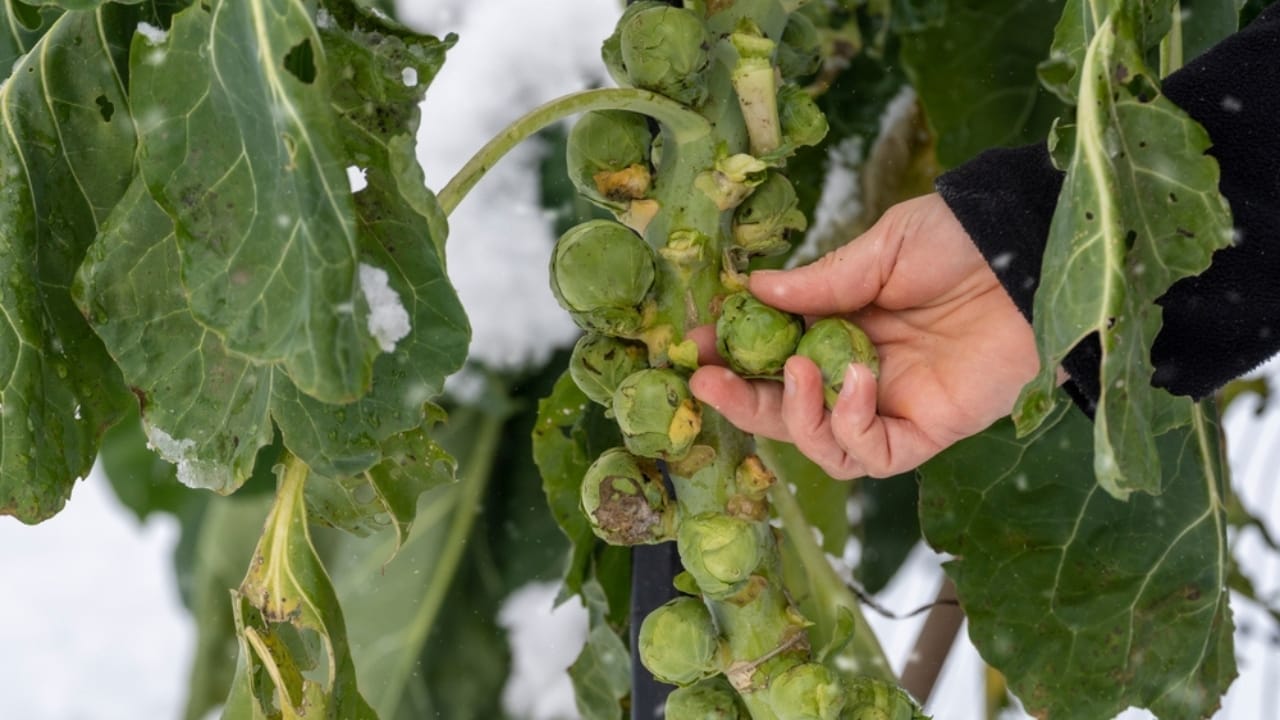
days to harvest: 120-180 days from seed, 100-120 days from transplants
planting tips: start seeds in midsummer for fall transplanting, these take time but thrive in frost.
brussels sprouts are actually pretty terrible until theyve been through a few hard frosts. the cold breaks down bitter compounds and converts starches to sugar,so dont even bother harvesting them until after thanksgiving.
they take forever to mature which is why you plant them in summer for winter harvest. be patient theyre worth it.
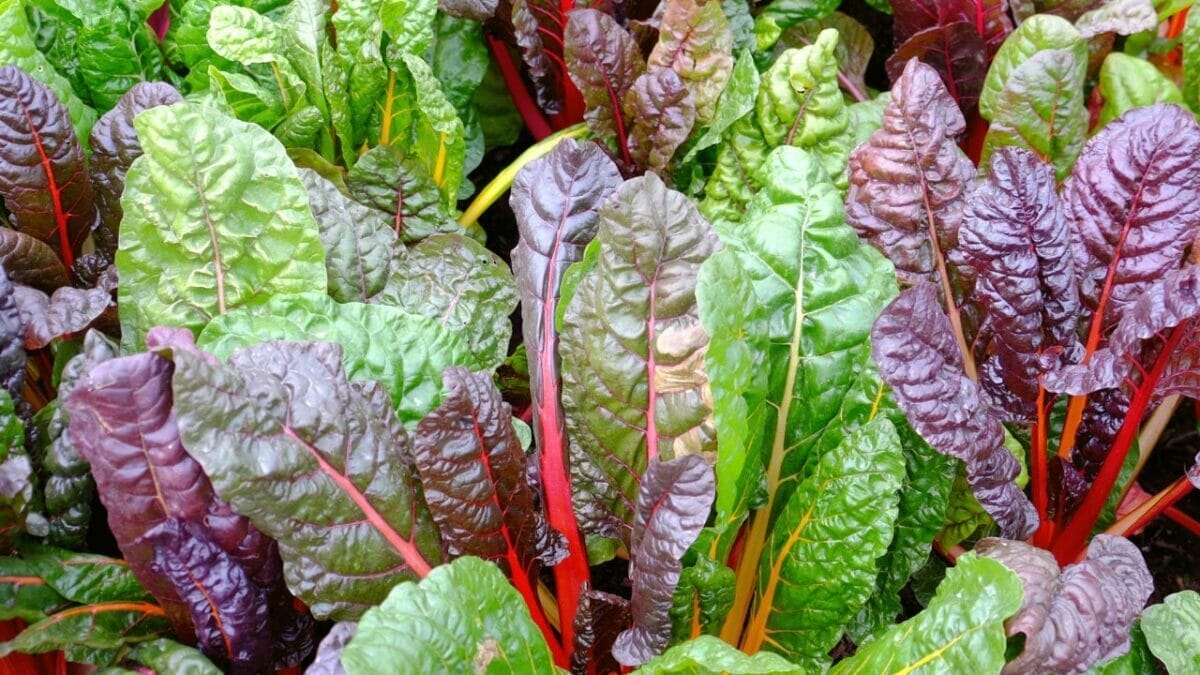
8. Swiss Chard (Beta vulgaris var. cicla)
days to harvest: 50-60 days from seed, 30-40 days from transplants
planting tips: direct sow in fall or transplant for quicker harvest, pick outer leaves for continuous growth.
chard keeps producing even when temps drop below freezing. the leaves might get a little tough in the coldest weather but theyre still perfectly edible for soups and stews.
the colorful stems (red yellow orange) look amazing in a winter garden when everything else is gray and dead,plus you can harvest leaves all winter without killing the plant.
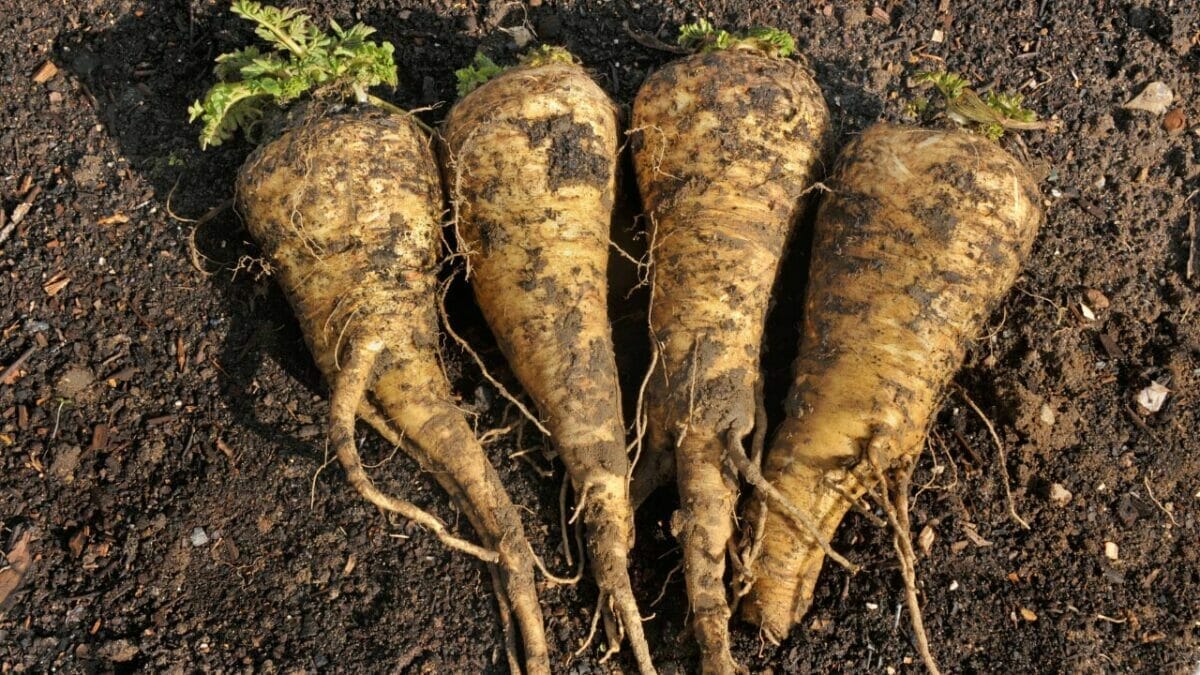
9. Parsnips (Pastinaca sativa)
days to harvest: 120-180 days from seed
planting tips: direct seed in early fall, they grow slowly but frost enhances sweetness.
parsnips are basically carrots ugly cousin but they taste incredible after frost. really sweet and nutty,way better than carrots in my opinion.
they take forever to mature so plant them early. the slow growth is actually good though because they just sit in the ground improving in flavor until youre ready to harvest them.
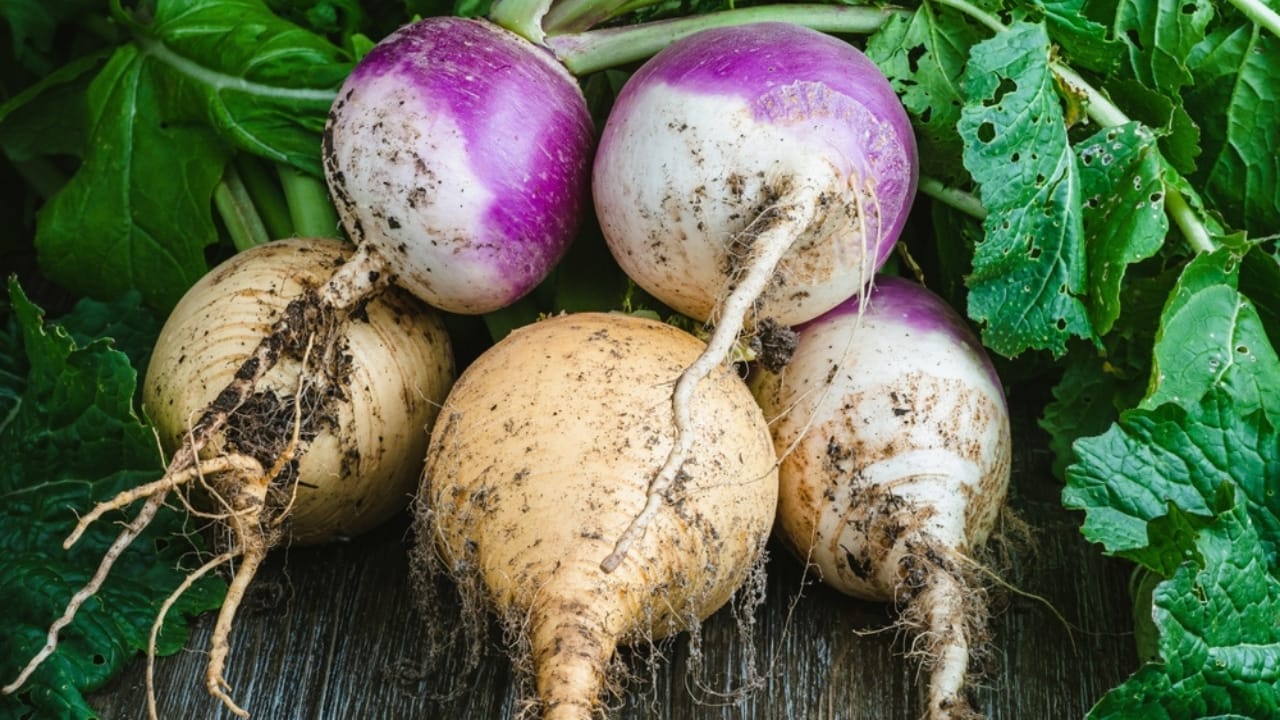
10. Turnips (Brassica rapa subsp. rapa)
days to harvest: 30-60 days from seed
planting tips: direct sow seeds in early fall, both roots and greens are edible.
turnips are one of the fastest winter crops you can grow. plant them in september and youre eating fresh turnips by november,both the roots and the greens are edible which is a bonus.
they get a peppery spicy flavor after frost. some people hate turnips because theyve only had them raw but roasted winter turnips are completely different.
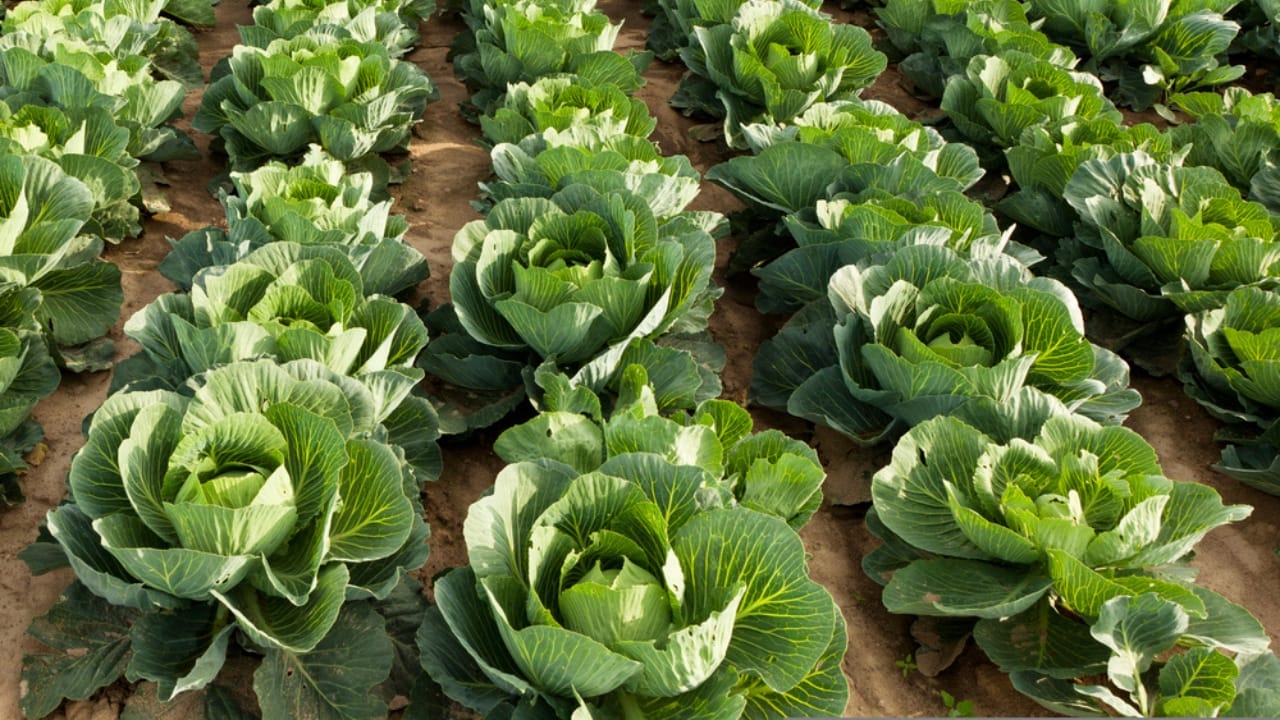
11. Cabbage (Brassica oleracea var. capitata)
days to harvest: 80-100 days from seed, 65-75 days from transplants
planting tips: start seeds indoors in midsummer or transplant in fall for winter heads.
cabbage forms tight dense heads in cool weather that would split and bolt in summer heat,the cold keeps them compact and sweet.
you can leave mature heads in the garden for a while before harvesting. theyll just sit there staying fresh which is convenient when you dont have fridge space.
12. Broccoli (Brassica oleracea var. italica)
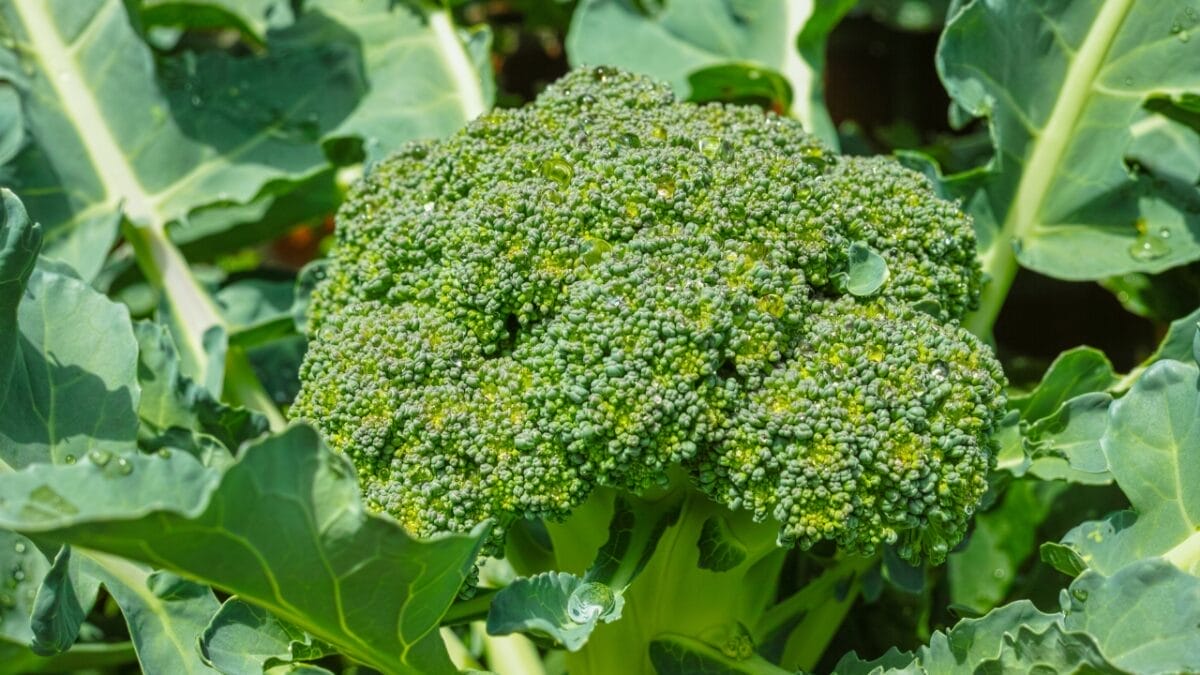
days to harvest: 100-150 days from seed, 60-100 days from transplants
planting tips: plant seeds indoors 6-8 weeks before transplanting in fall, harvest main head then side shoots.
fall broccoli is way better than spring broccoli because it doesnt bolt as soon as temps warm up,you get the main head plus tons of side shoots for weeks afterward.
the side shoots are actually the best part. theyre more tender than the main head and you keep getting them until hard freeze finally kills the plant.
13. Winter Squash (Cucurbita maxima)
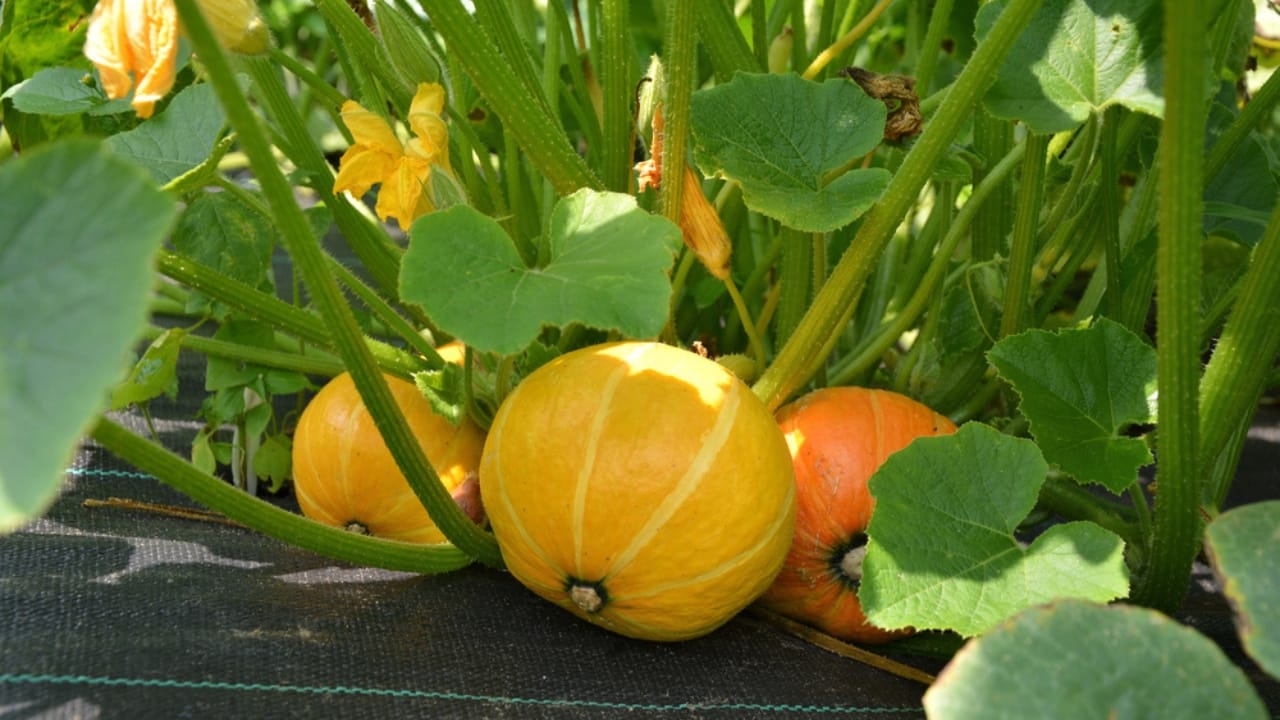
days to harvest: 90-120 days from seed
planting tips: direct sow in summer for harvest before frost, store in cool dry place for winter meals.
winter squash isnt grown in winter its grown in summer and harvested before frost then stored for winter eating,but it deserves a spot on this list because it stores so well.
butternut acorn and spaghetti squash will last for months in a cool basement. plant them in july harvest in october and youve got fresh squash until march.
14. Radish (Raphanus sativus)
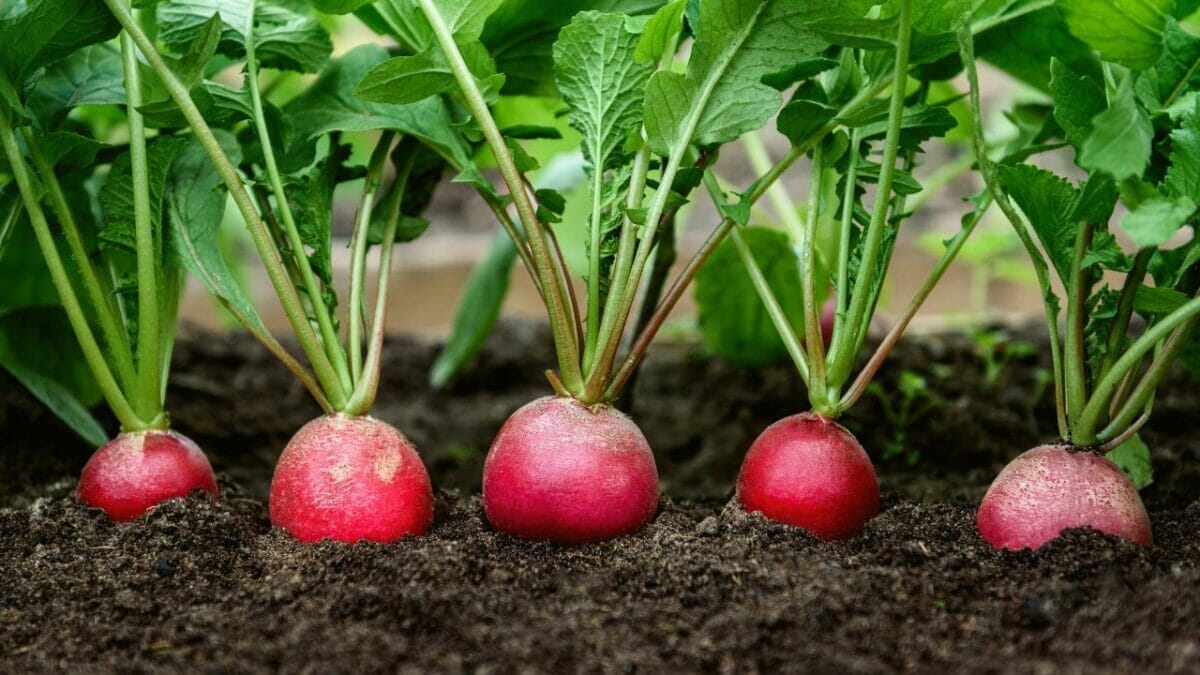
days to harvest: 20-30 days from seed
planting tips: direct sow in early fall for quick harvests, plant successively for continuous supply.
radishes are the fastest thing you can grow in a winter garden. 3 weeks from seed to harvest,theyre perfect for filling gaps between slower crops.
fall radishes are less spicy and more crisp than spring ones. the cool weather keeps them from getting woody and bitter like summer radishes do.
15. Beets (Beta vulgaris)
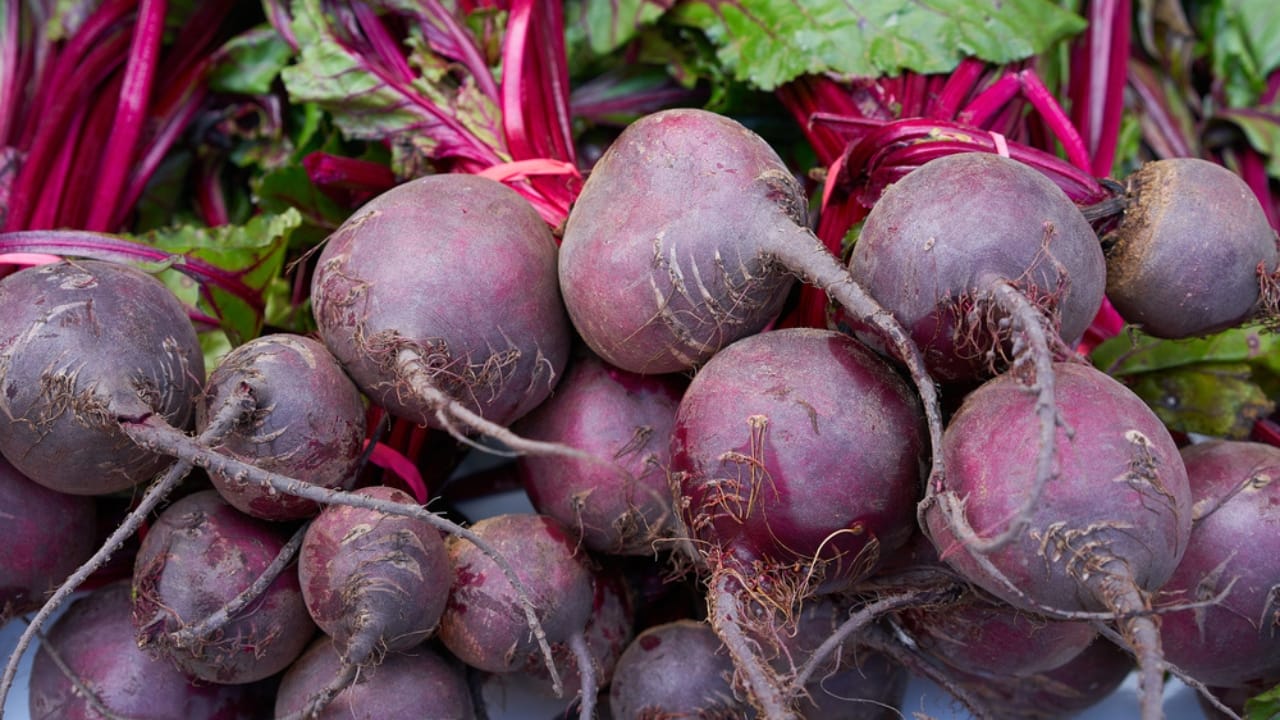
days to harvest: 50-70 days from seed
planting tips: direct sow in fall, harvest young greens early or wait for mature roots.
beets handle frost like champions and get sweeter as temps drop, you can harvest baby beet greens early for salads or wait for full size roots.
both the roots and greens are edible which makes them super efficient. i usually harvest greens throughout fall then dig up the roots after a few hard frosts when theyre at peak sweetness.
tips for winter gardening success
timing matters: most winter crops need to be planted in late summer or early fall so they have time to mature before the really cold weather hits, once growth slows down in winter they basically just maintain until spring.
mulch is your friend: a thick layer of straw or leaves protects roots from freeze thaw cycles and makes it easier to harvest when the grounds frozen solid.
row covers help: lightweight fabric row covers add 4-8 degrees of frost protection without blocking light, theyre worth it for extending your harvest into the really cold months.
harvest strategically: many winter vegetables can be stored in the ground and harvested as needed, its like having a free outdoor fridge that keeps everything fresh.
why winter gardening is worth it
fresh vegetables in january taste completely different than grocery store produce. theres no comparison,the flavors are more intense the textures are better and you know exactly where your food came from.
plus theres something satisfying about going outside on a freezing day and coming back with fresh kale or digging carrots out of frozen ground,it feels like youre getting away with something.
winter gardening isnt harder than summer gardening its just different. once you understand which crops actually prefer cold weather the whole thing becomes way easier than fighting heat and pests all summer.

Davin is a jack-of-all-trades but has professional training and experience in various home and garden subjects. He leans on other experts when needed and edits and fact-checks all articles. Also an aspiring cook we he researches and tries all kinds of different food recipes and shares what works best.