

Walmart, America’s retail giant, serves over 230 million customers weekly across its 10,500 stores worldwide.1
But while known for its low prices, not everything on Walmart’s shelves is a bargain. A recent Consumer Reports survey ranked Walmart near the bottom for grocery quality, with 74% of respondents citing poor produce selection as one of the pain points.2
With these startling figures in mind, let’s look at 16 foods you should think twice about purchasing at Walmart. The reasons behind these recommendations may surprise you.
1. Pre-Cut Fruits & Vegetables
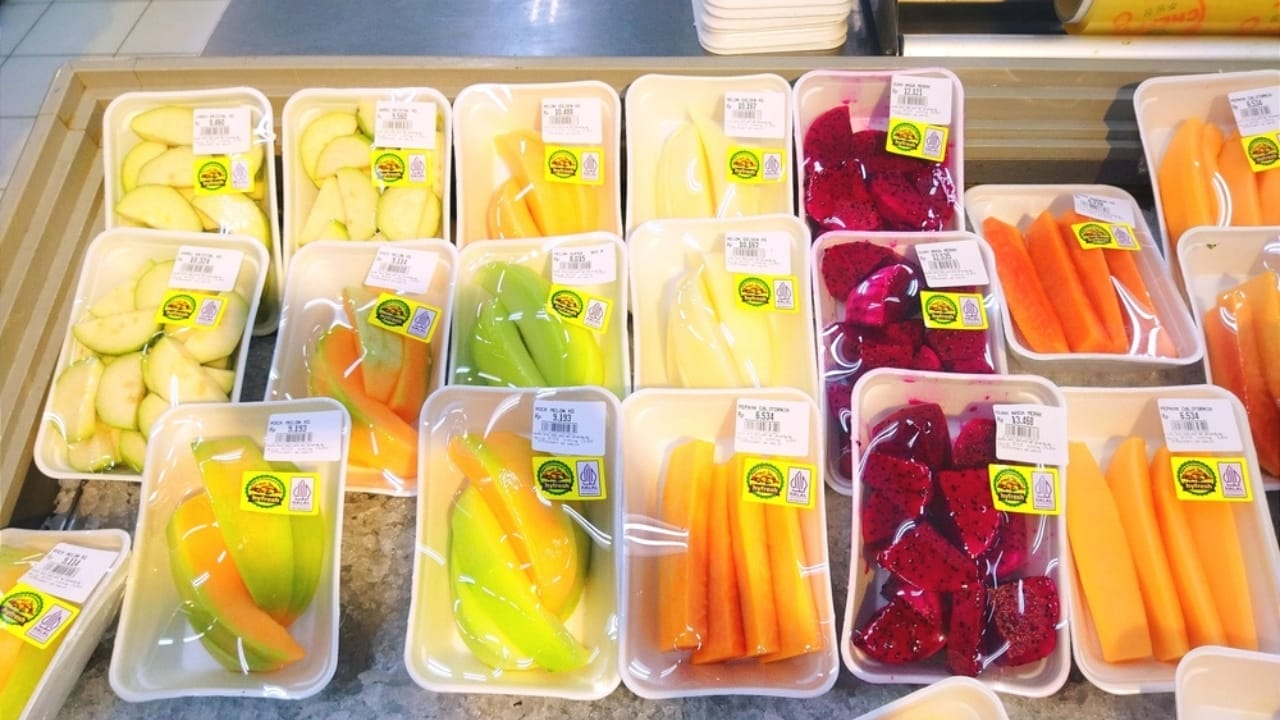
Pre-cut produce at Walmart often comes with a hefty markup— they can cost up to 40% more than their whole counterparts.(ref) Beyond the price, these items tend to spoil faster and lose nutritional value due to increased exposure to air and light.
2. Organic Milk
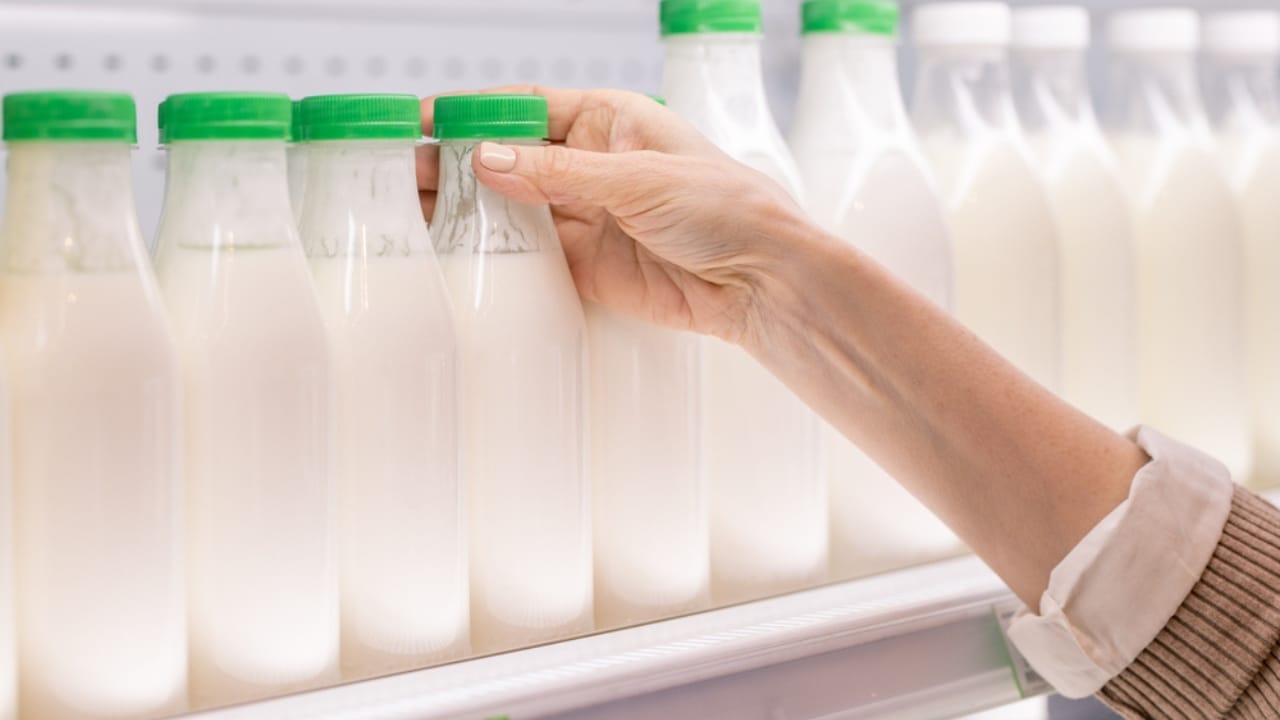
Walmart’s organic milk offerings often fall short in both quality and price. Consumer Reports found that Walmart’s organic milk prices were consistently higher than competitors like Trader Joe’s and Whole Foods.
Additionally, the shorter shelf life of organic milk makes it a risky purchase at a store with high turnover rates.
3. Name-Brand Cereal
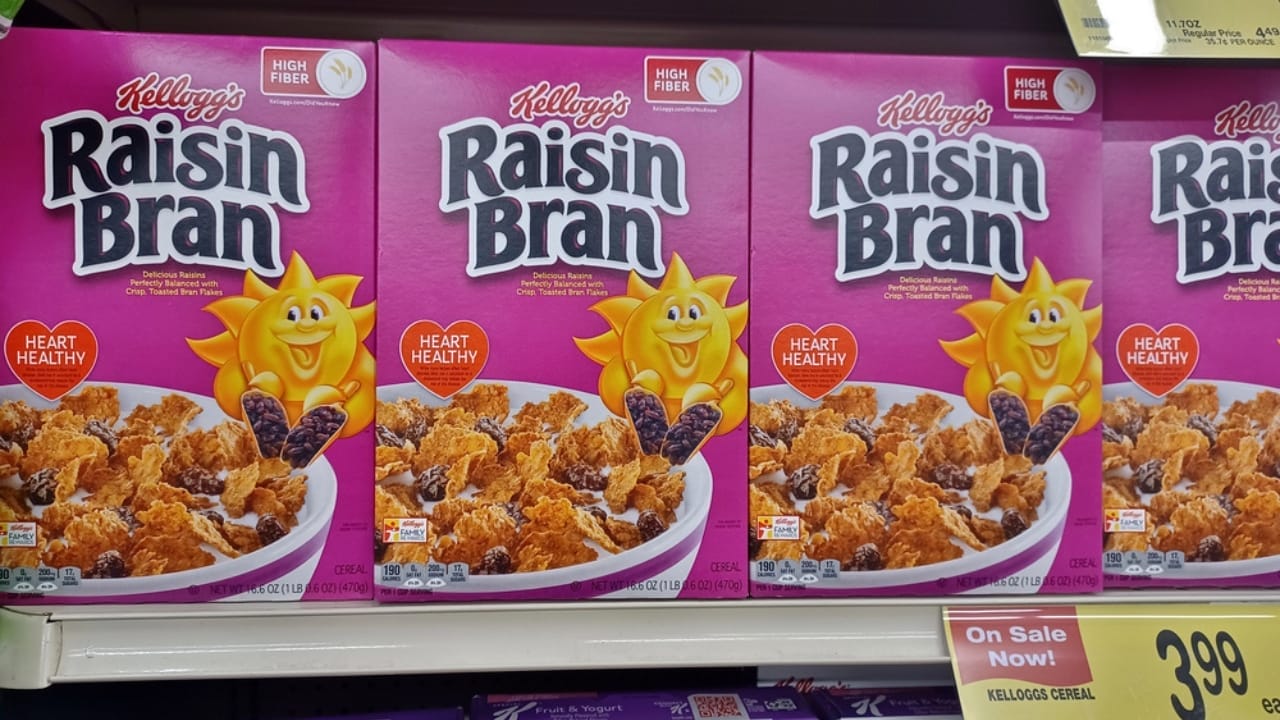
Name-brand cereals at Walmart can be pricier than at other retailers. This is often due to Walmart’s pricing strategy, which may not always offer the best deals on popular branded items.
Other stores frequently run sales and offer coupons that make name-brand cereals more affordable.
4. Fresh Fish
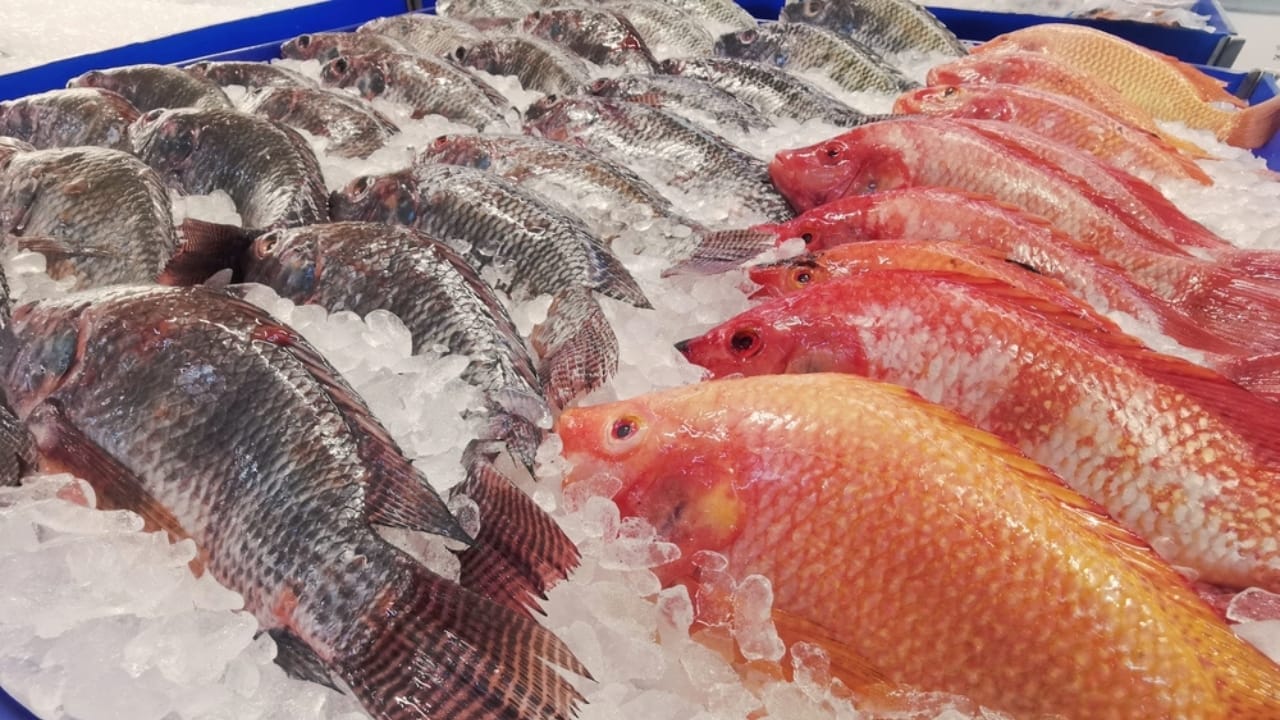
Walmart’s fresh fish section has faced criticism for quality issues. The high-volume turnover and potentially longer supply chains can lead to concerns about freshness.
Additionally, sustainable sourcing practices may not always be prioritized, affecting both quality and price.
5. Maple Syrup
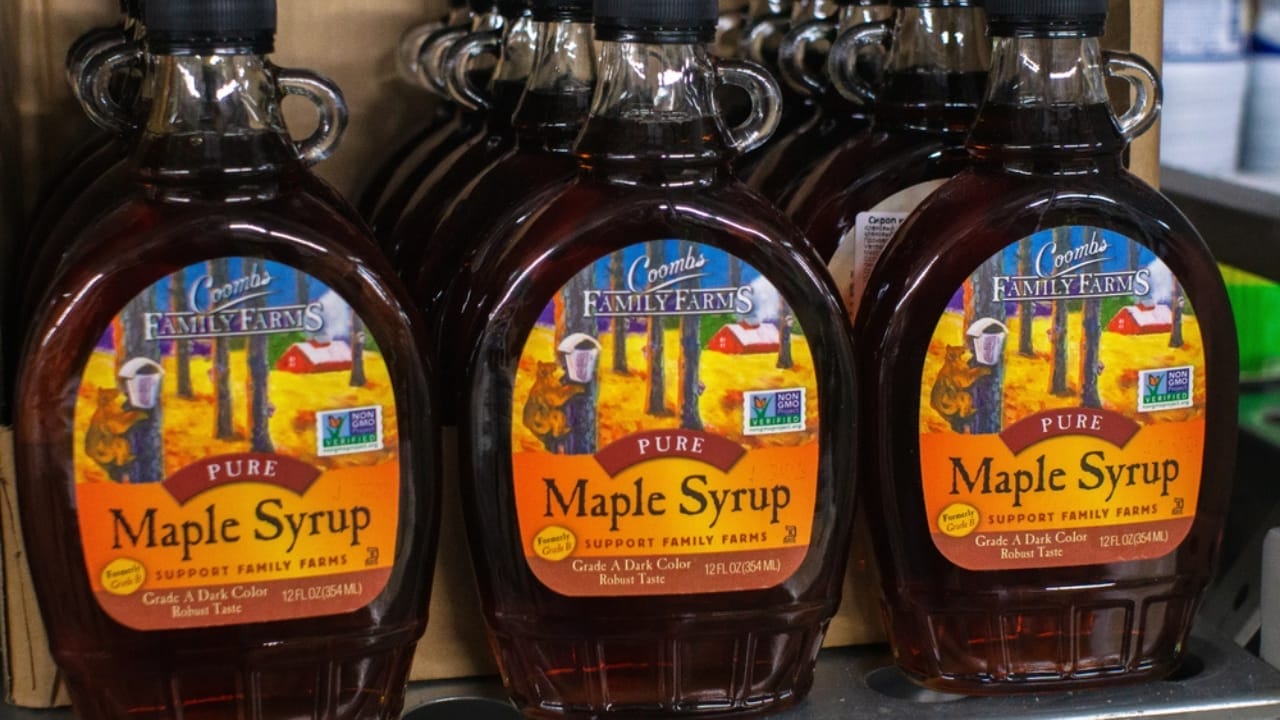
Pure maple syrup at Walmart often comes with a premium price tag. This could be due to Walmart’s sourcing and distribution methods, which may not benefit from the bulk purchasing power that warehouse clubs enjoy.
6. Deli Meat
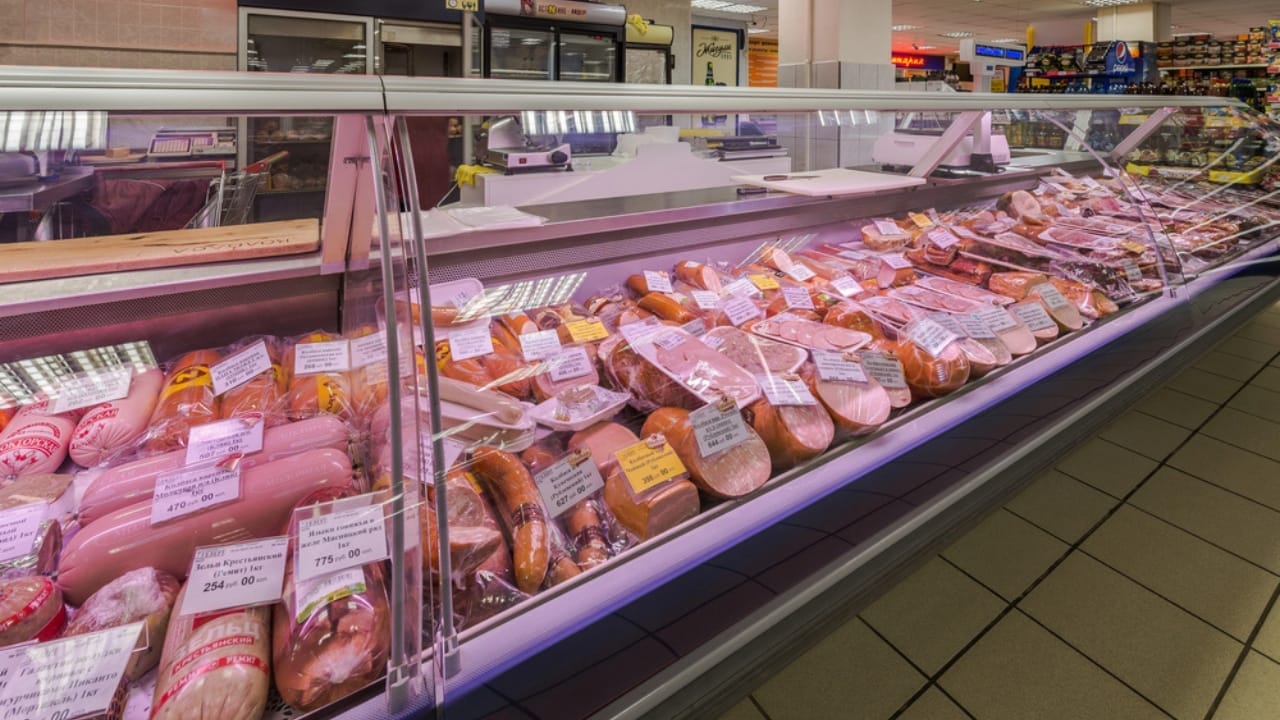
Pre-packaged deli meats at Walmart may lack freshness and flavor compared to freshly sliced options. The packaging and longer shelf life requirements can impact the quality and taste, potentially making them less appealing despite their convenience.
7. Great Value Peanut Butter
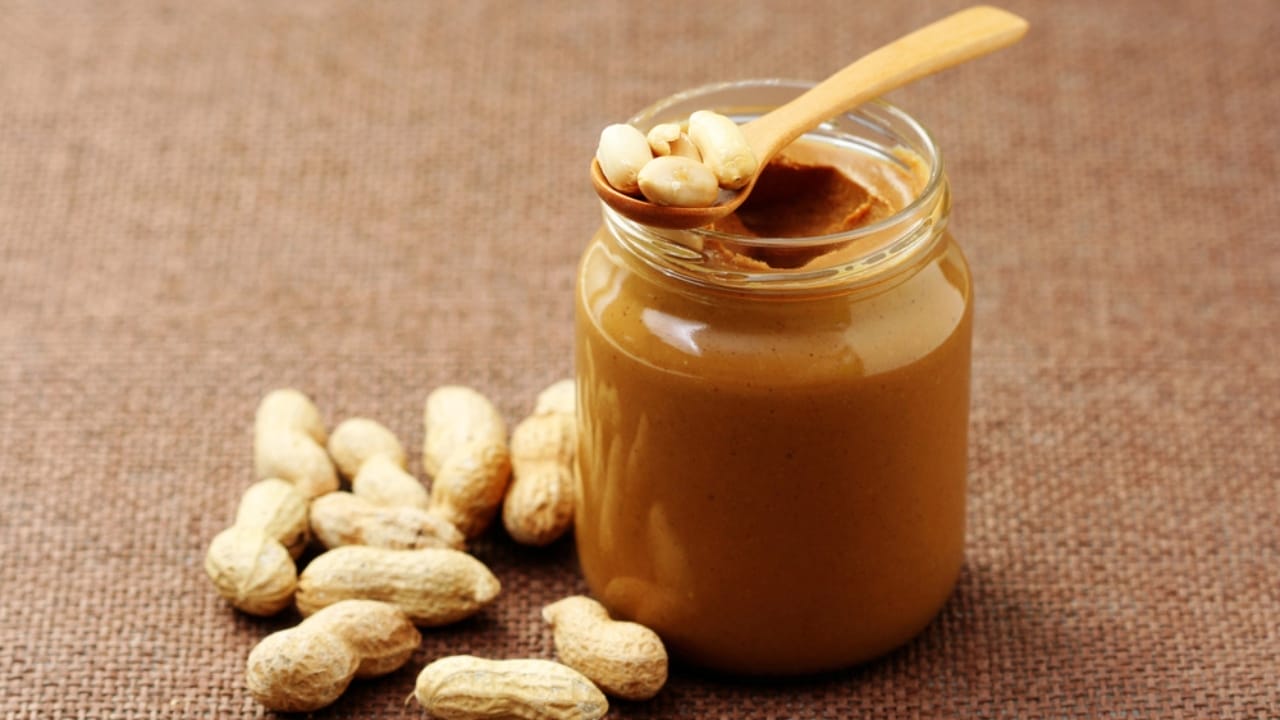
Walmart’s store-brand peanut butter has faced scrutiny for its ingredients. The formulation may include added sugars and oils to keep costs down, which could be less healthy than peanut butter made with fewer ingredients.
8. Bakery Items
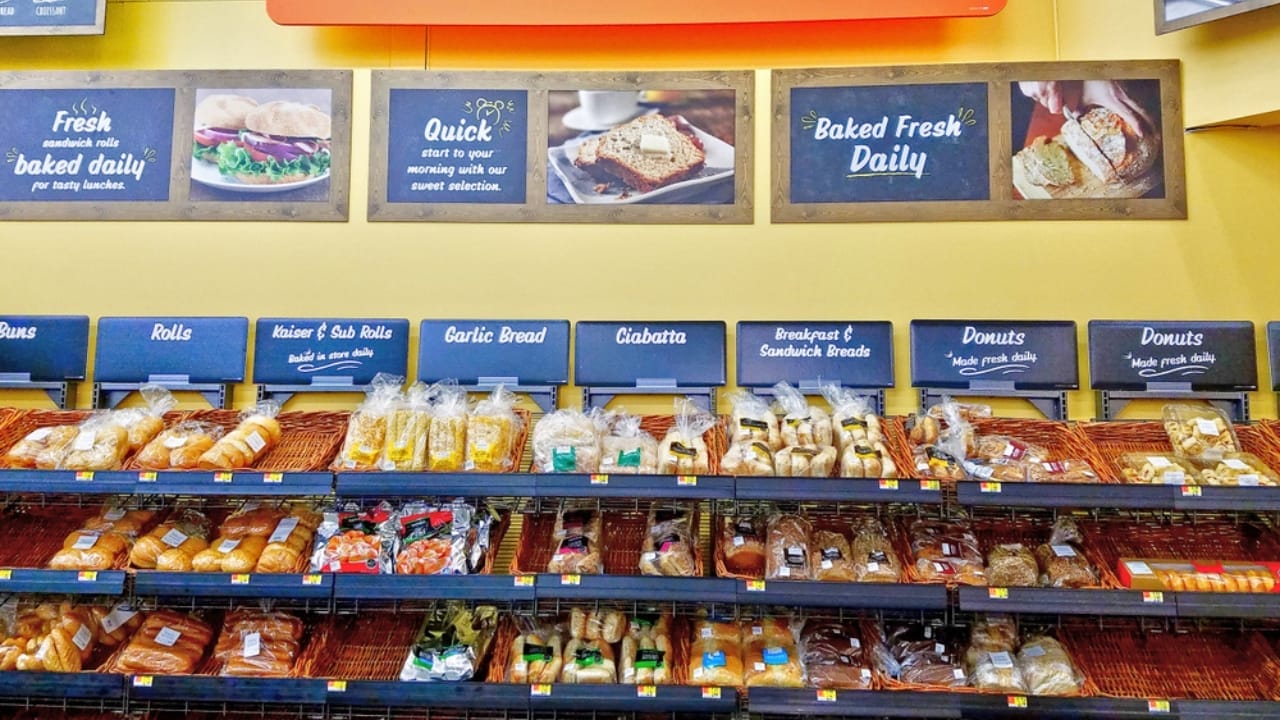
Walmart’s bakery items may contain more preservatives and artificial ingredients than those from local bakeries. This is often done to extend shelf life and reduce costs, but it can impact the overall quality and nutritional value of the products.
9. Frozen Sushi
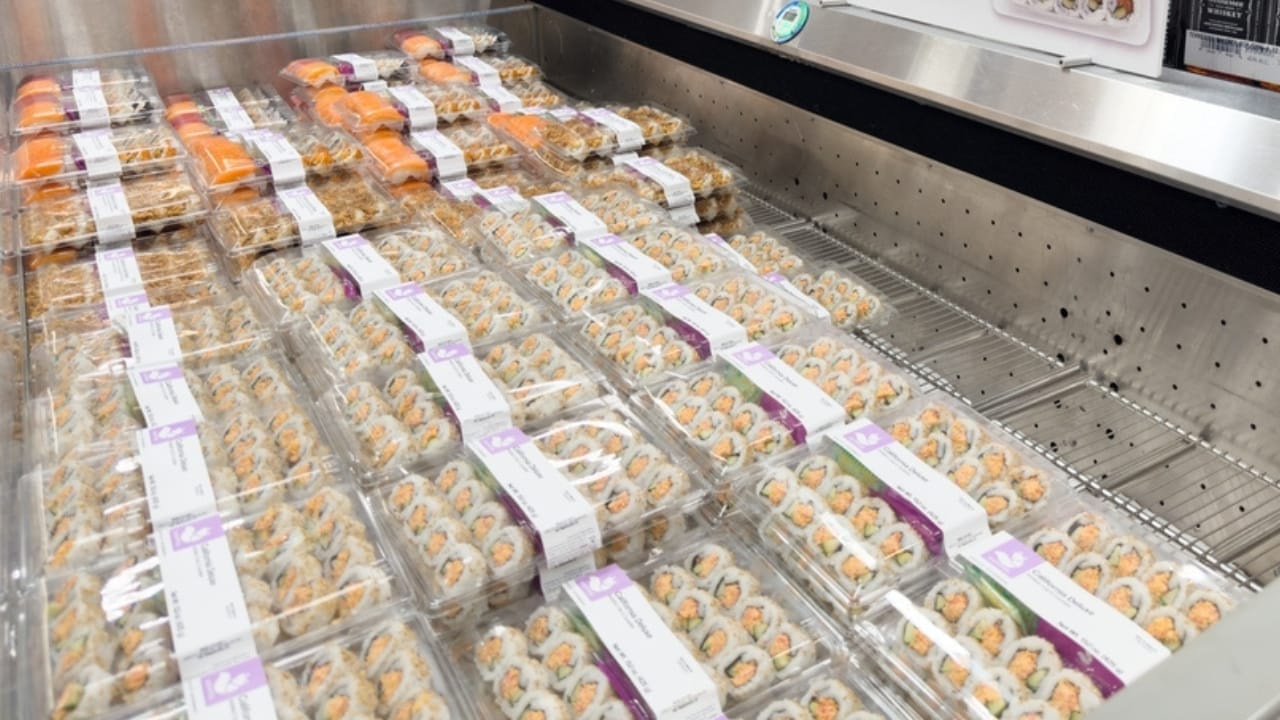
Frozen sushi at Walmart may not meet the quality standards of fresh sushi. The freezing and thawing process can affect texture and flavor, and there may be concerns about proper handling and food safety.
10. Produce with Short Shelf Lives
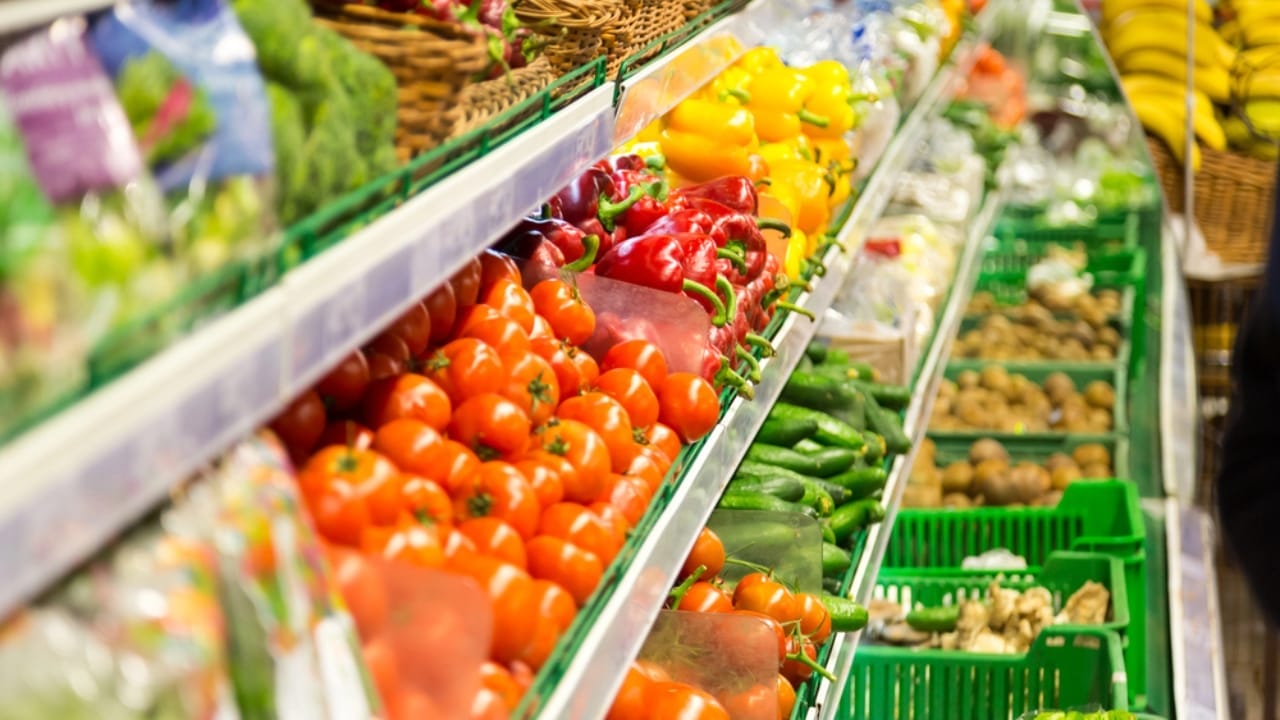
Highly perishable produce items can be risky purchases at Walmart due to the store’s high-volume turnover. This can sometimes result in less-than-fresh options on the shelves, as items may not be restocked as frequently as in smaller grocery stores.
11. Great Value Coffee
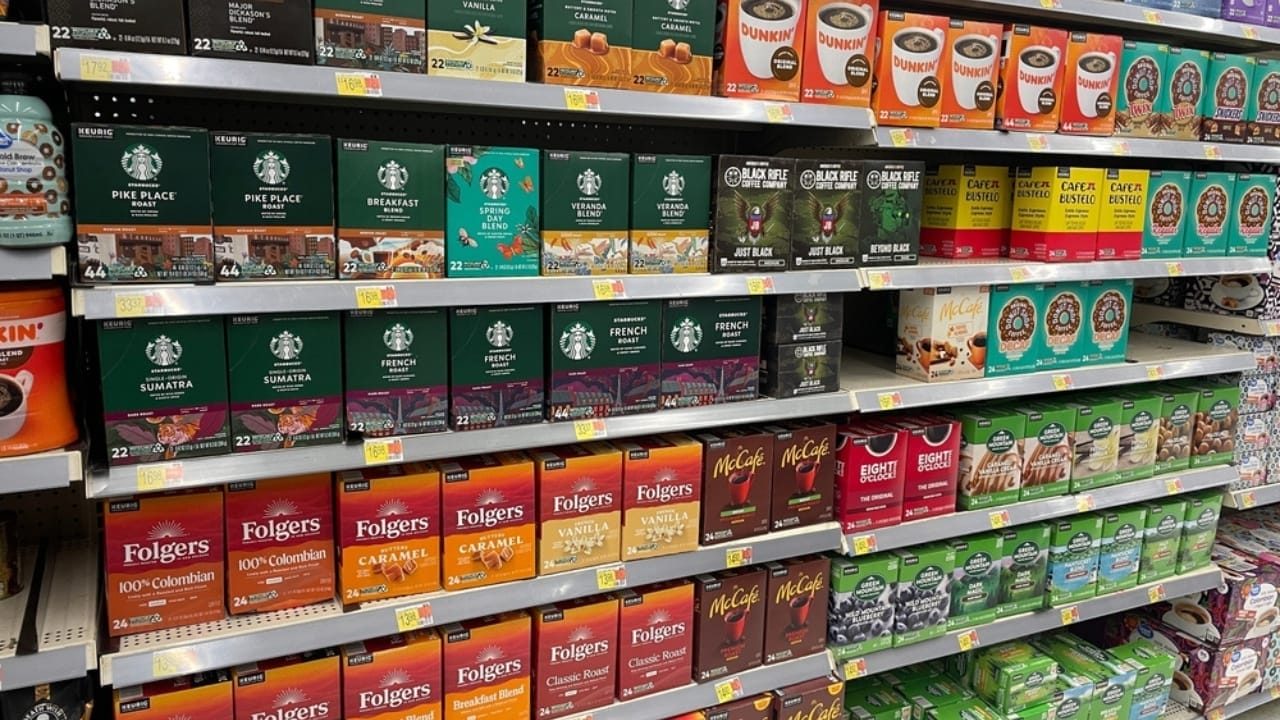
Walmart’s store-brand coffee may use lower-quality beans or blends to keep prices down. This can result in a less satisfying flavor profile compared to premium coffee brands or freshly roasted options.
12. Vitamins & Supplements
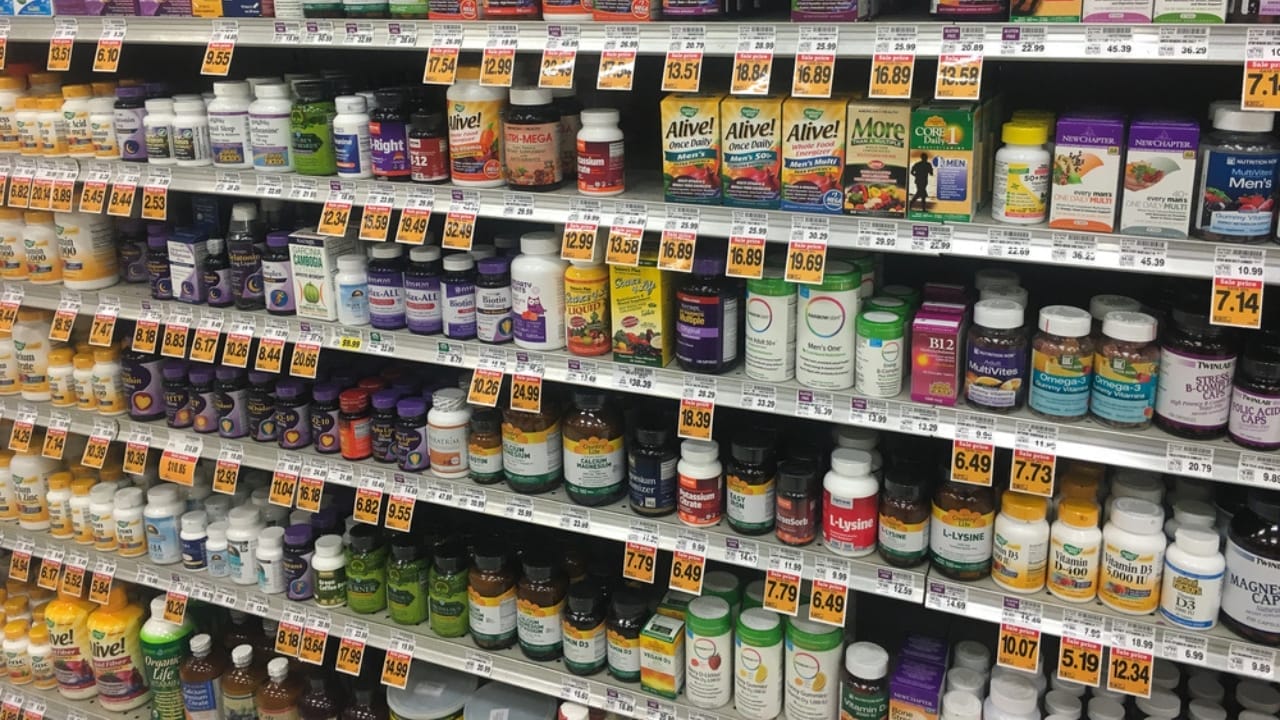
The quality of Walmart’s vitamins and supplements may be compromised in an effort to offer lower prices. This could result in products that don’t meet the same standards as more expensive brands.
13. Organic Eggs
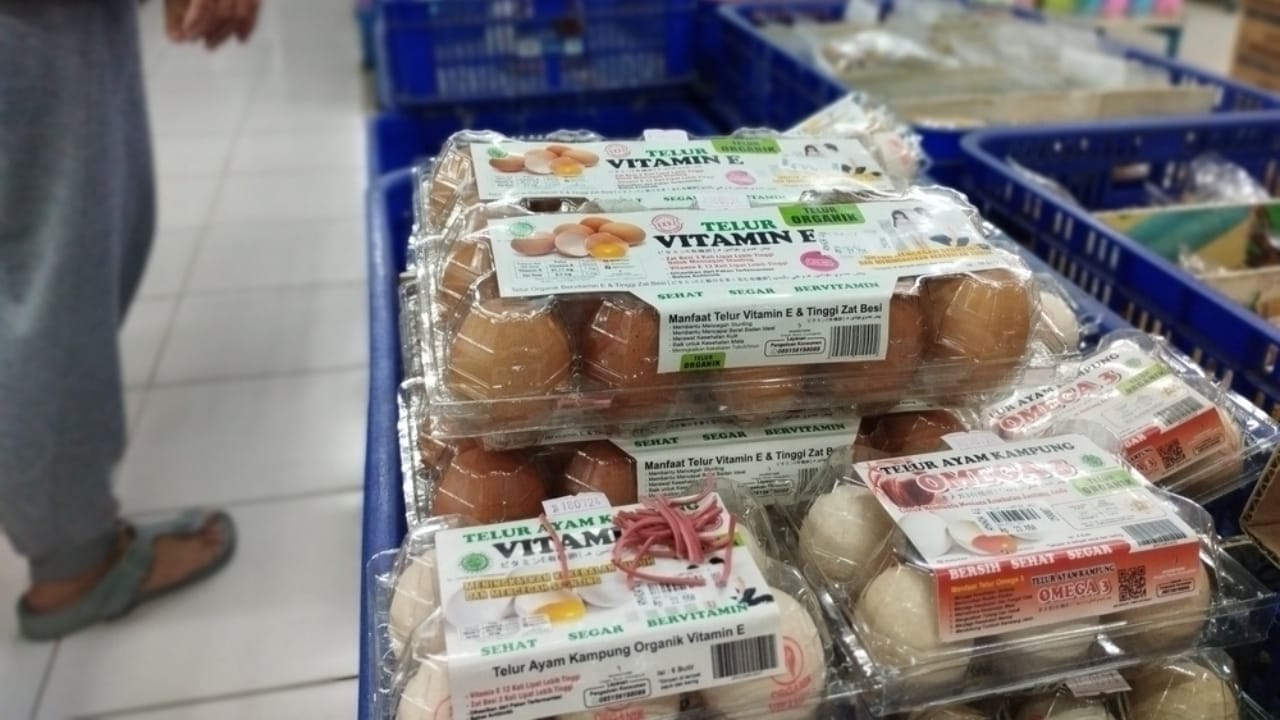
Walmart’s organic egg offerings may come with a higher price tag due to the costs associated with organic certification and potentially less efficient distribution networks for organic products.
14. Frozen Salmon
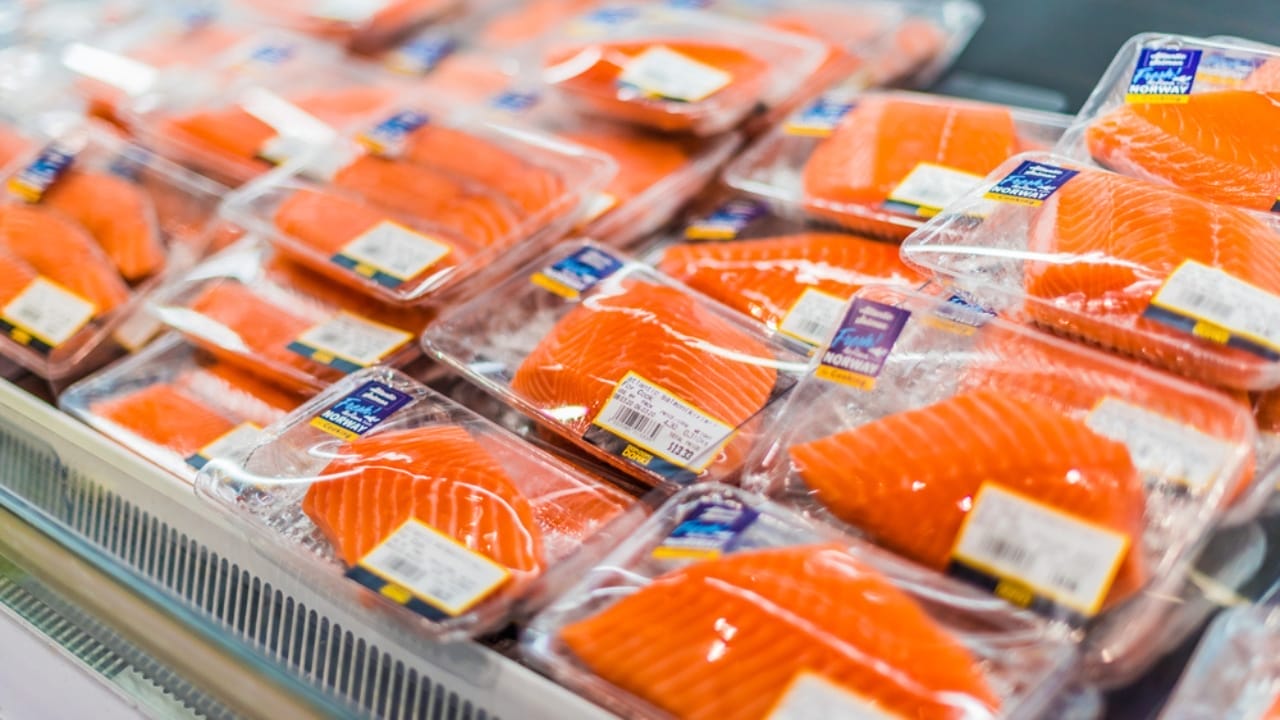
The quality of frozen salmon at Walmart may be affected by factors such as sourcing, freezing methods, and storage. These issues can impact taste and texture, potentially making it less appealing than fresh or higher-quality frozen options.
15. Great Value Olive Oil
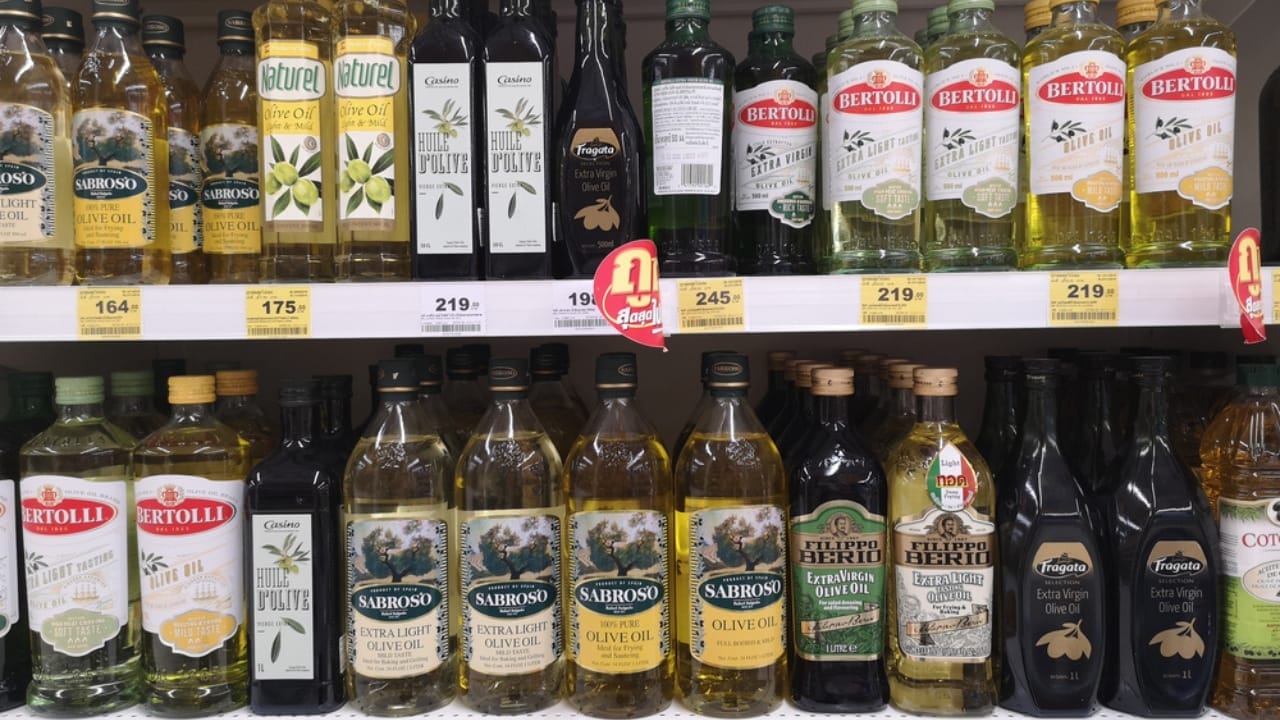
Walmart’s store-brand olive oil may not meet the standards for extra virgin olive oil due to cost-cutting measures in sourcing and production. This can result in a lower-quality product compared to more expensive, authentic extra virgin olive oils.
16. Rotisserie Chicken
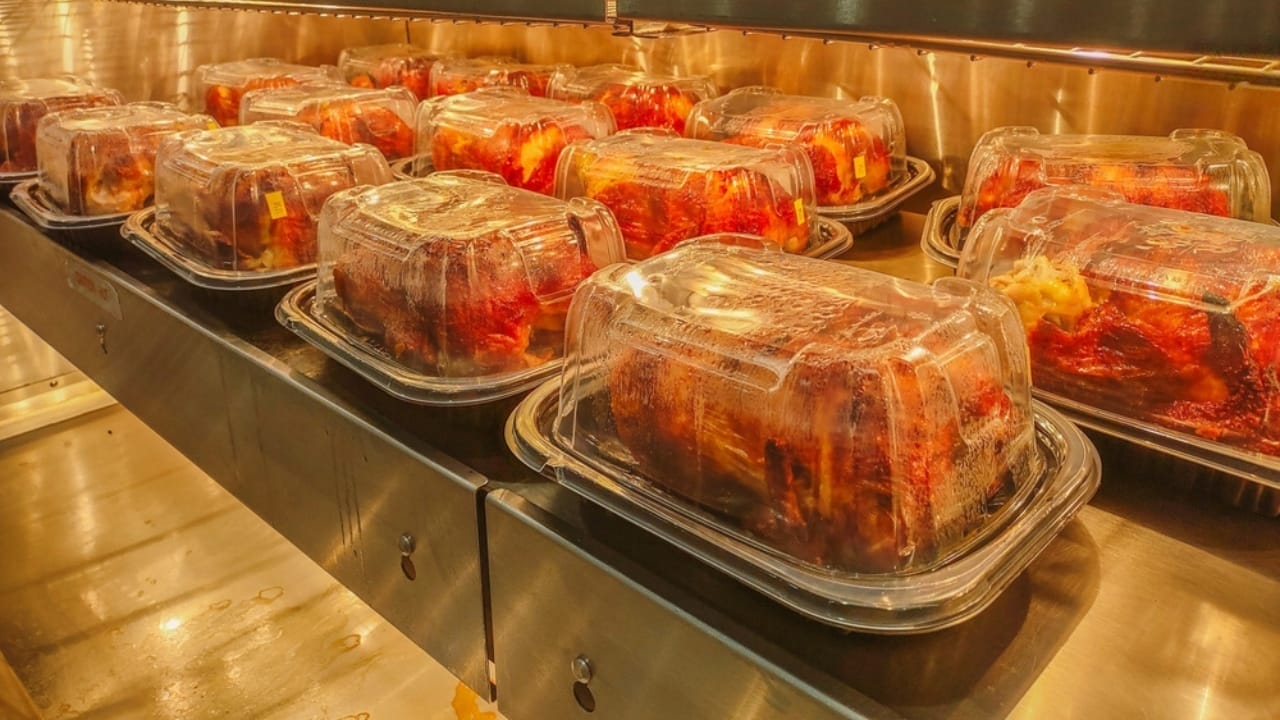
Walmart’s rotisserie chickens may prioritize cost-effectiveness over flavor and quality. The cooking process and seasoning used might be designed for efficiency rather than optimal taste, potentially resulting in a less satisfying product.
Sources:
1. Sustainable Brands
2. Grocery Dive

Davin is a jack-of-all-trades but has professional training and experience in various home and garden subjects. He leans on other experts when needed and edits and fact-checks all articles. Also an aspiring cook we he researches and tries all kinds of different food recipes and shares what works best.