
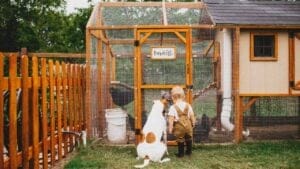
I stood in the feed store last February holding a bag that cost more than my weekly groceries, wondering if I’d made a mistake.
Six months later, I cracked open an egg with a yolk so orange it looked fake. The chickens were out back, doing what they always do, making something from almost nothing.
Raising chickens for beginners isn’t what the homesteading blogs make it sound like, so don’t make the same mistakes she did. It’s not romantic. It’s not always cheap.
But once you understand the actual mechanics, the small unglamorous systems that actually work, it becomes the kind of task that feels right.
This is what I learned.
 If you’re curious about what your chickens can skip this winter, check out “10 Winter Items Your Chickens Don’t Actually Need“.
What Backyard Chickens Actually Cost (And What They Give Back)
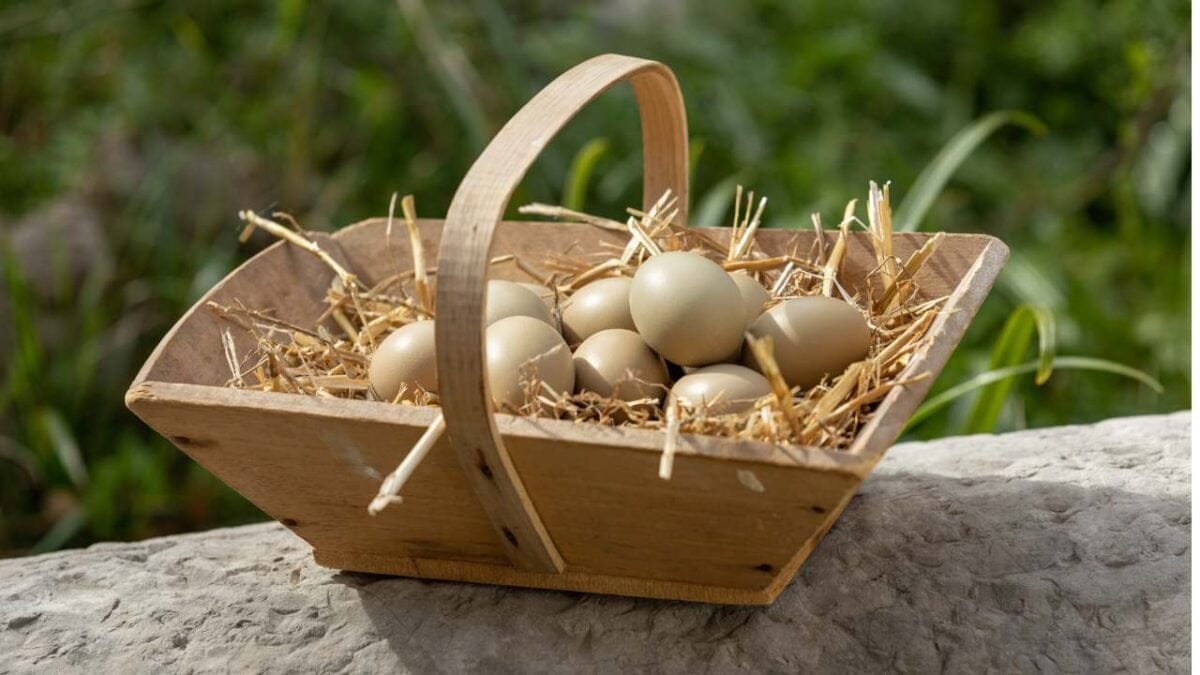
The money part confused me at first because everyone gives different numbers.
Here’s what the math looks like when you stop guessing. A 50-pound bag of layer feed costs between $22 and $26 now, depending on where you live. A hen eats roughly a quarter pound per day. That’s twelve cents a day per bird.
Twelve cents buys you an egg that costs 58 cents at the store.
The feed cost for a dozen eggs is about $1.68. At my grocery store, a dozen organic eggs with yolks that pale yellow color runs $7.00.
That’s the part that makes sense on paper.
The part that doesn’t show up in spreadsheets is the prefab coop that collapses after two winters versus the plywood structure you built yourself that’s still standing a decade later.
I’ve seen both. The difference isn’t carpentry skill, it’s understanding what weather actually does to wood and wire.
What the first year really costs:
- Four hens (started pullets): $80–$120
- Basic coop setup: $200–$800 depending on what you build or buy
- Feeders, waterers, bedding: $75–$100
- First six months of feed: roughly $130
You break even on eggs somewhere around month fourteen if you’re keeping track. Most people stop counting before that.
Choosing Chickens That Actually Work for Your Situation
The breed guides always show you the prettiest birds. That’s not what matters when it’s negative fifteen degrees or you’re gone for three days.
I wanted chickens that wouldn’t die.
Birds that handle real cold: The Buckeye has a pea comb that doesn’t freeze. I’ve seen them outside in weather that kept me indoors. They were bred in Ohio, which tells you something about their tolerance.
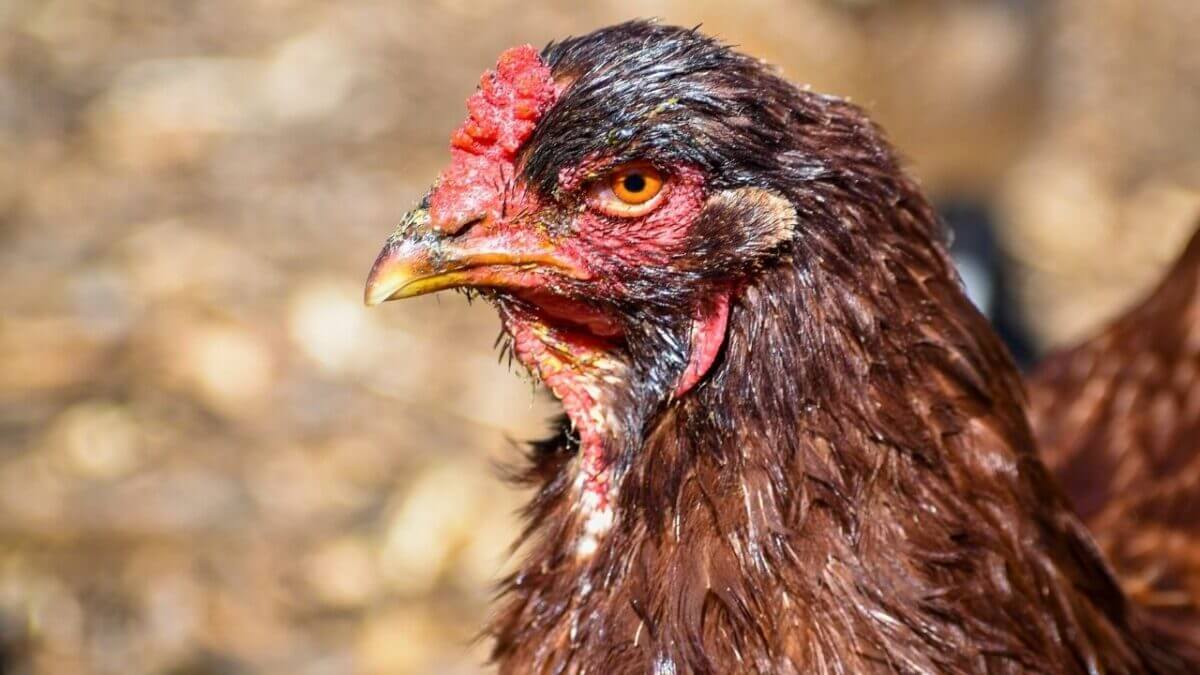
The Chantecler came out of Canada specifically because monks needed birds that survived Quebec winters. Both of these breeds keep laying when other chickens stop.
The bird that eats less: White Leghorns consume about 0.20 pounds of feed daily instead of 0.25. Over a year, across four birds, that’s one less bag of feed.
They’re flighty and not particularly friendly, but they convert grain to eggs more efficiently than almost anything else.
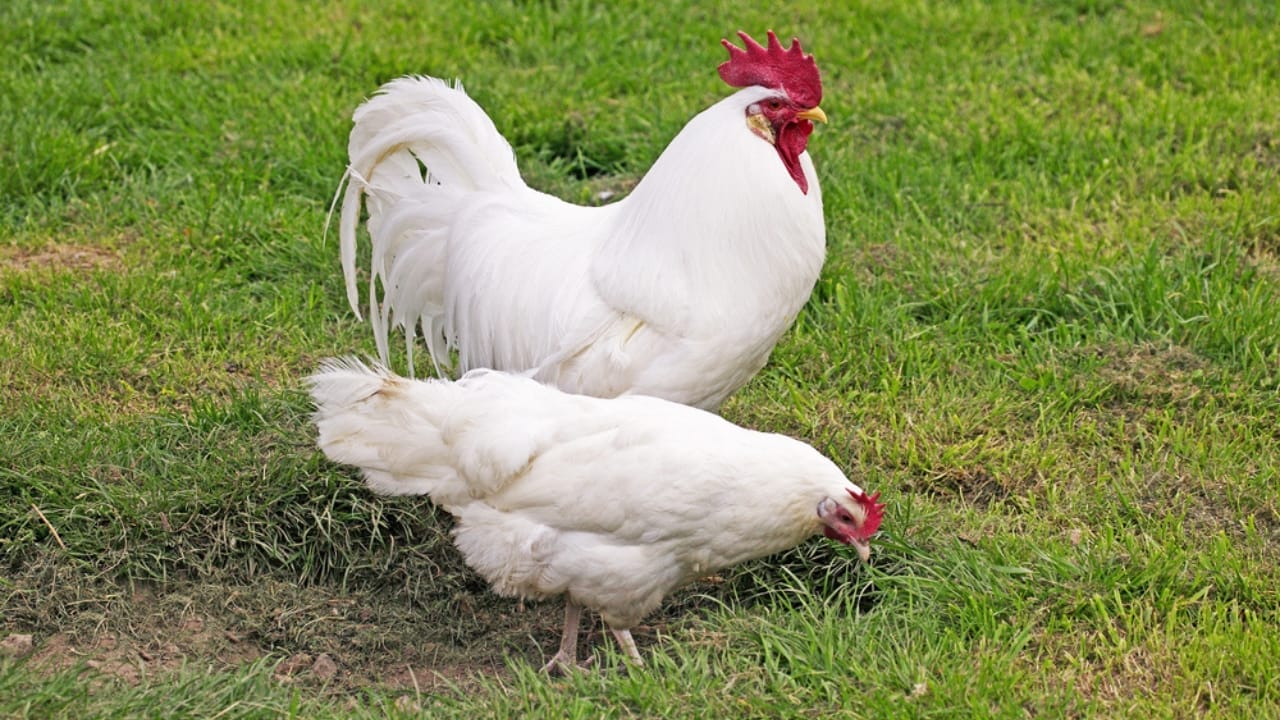
For eggs that look different: Ameraucanas lay blue eggs. Marans lay eggs so dark brown they look like chocolate. This matters only if you sell extras or if you like opening the nest box and seeing something unexpected.
If you want chickens your kids can hold, or birds that follow you around the yard like small weird dogs, that’s a different decision entirely.
Those birds exist. They’re not these birds.
Small Chicken Coop Ideas That Solve Actual Problems
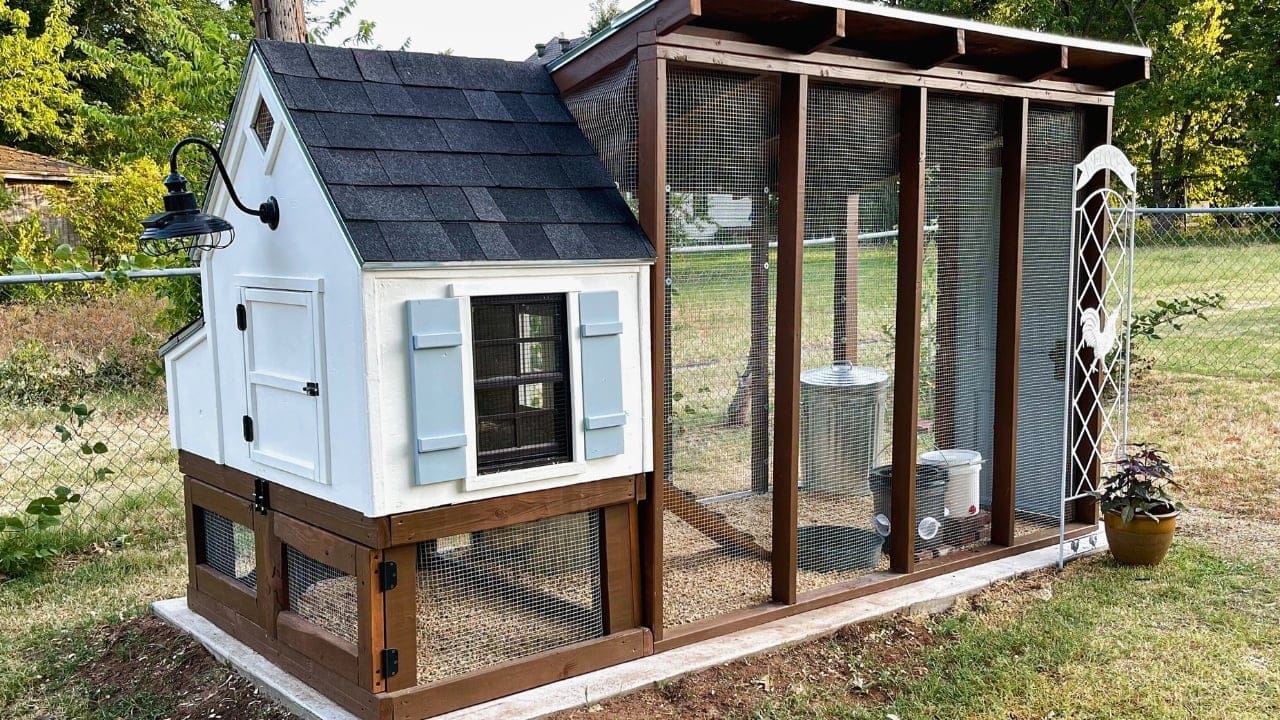
The coop doesn’t need to be complicated. It needs to keep things out and let air move through.
I learned this after building my first one wrong.
Three things that actually matter:
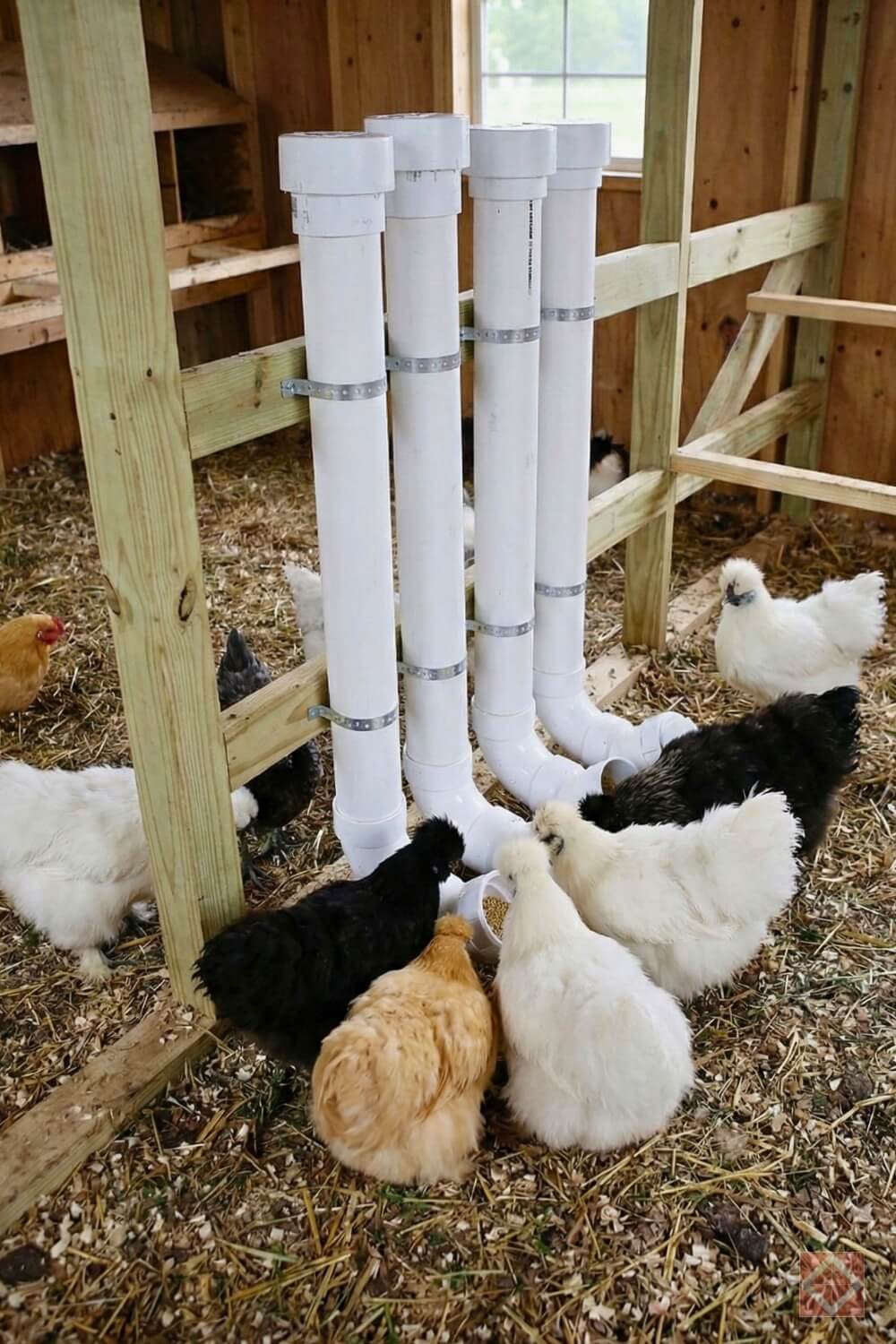
The gravity feeder made from PVC pipe holds a week’s worth of food and you fill it from outside the run. I stopped crawling into the coop every morning. The birds stopped wasting feed by scratching it onto the ground.
Hardware cloth instead of chicken wire keeps raccoons out. Chicken wire keeps chickens in.
Raccoons rip through chicken wire like it’s paper. Hardware cloth is stiffer, harder to work with, and more expensive. Use it anyway.
Ventilation goes above where the birds sleep, not at ground level. Ammonia from droppings rises. If your vents are low, you’re just making drafts.
The birds need fresh air moving across the top of the coop while they stay warm below.
The size question: Four square feet per bird inside the coop, ten square feet per bird in the run. This isn’t negotiable. Smaller spaces mean fighting, pecking, stress.
I tried cramming five birds into space meant for three because I wanted more eggs. I got fewer eggs and bloody combs.
Winterizing Chicken Coops Without Burning Anything Down
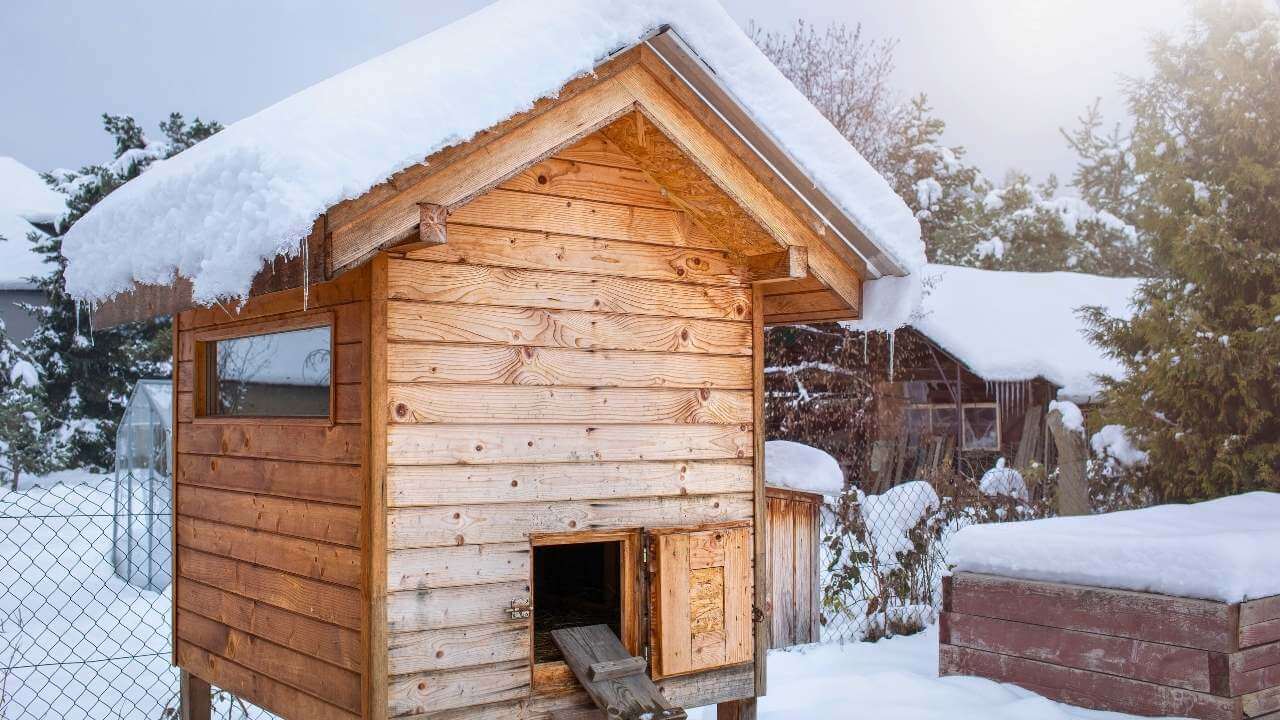
Chickens don’t need heat the way we think they do.
Their body temperature runs around 106 degrees. What they need is dry air and no wind. Frostbite happens from moisture, not cold.
The cookie tin heater: Take a metal tin. Put a 40-watt incandescent bulb inside. Hang it low enough to warm the air near the roosts but not low enough to touch bedding.
Do not use a higher wattage bulb. Do not use a heat lamp. Coops catch fire every winter because someone thought more heat was better.
Feed changes for cold weather: Corn and scratch grains at night only. Digestion creates heat. Feed them an hour before dark and their bodies stay warmer overnight.
The fermented feed I started making in winter seemed to help. One part feed to one and a half parts water, left for three days. It increases protein absorption by about 12 percent, which means the birds get more from the same amount of food.
The frostbite thing: Everyone says to put Vaseline on combs. Vaseline traps moisture against the skin. Moisture freezes. Dry air prevents frostbite.
Ventilation prevents frostbite. Petroleum jelly does not.
DIY Chicken Feed and What Actually Keeps Birds Healthy
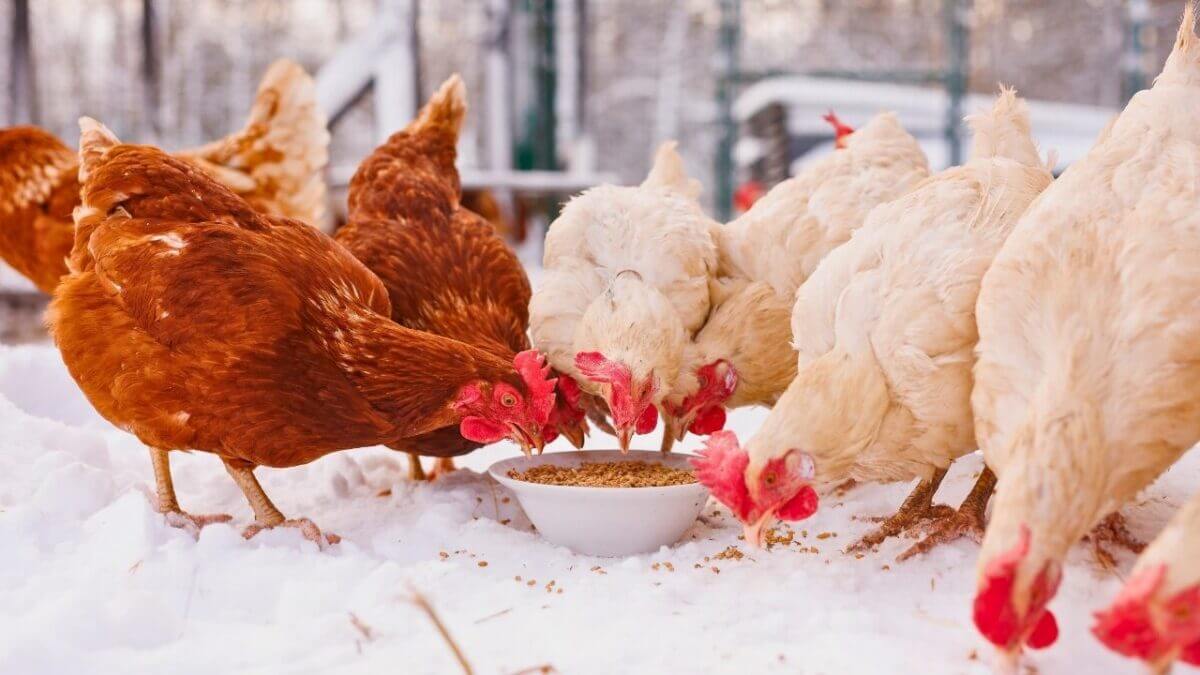
The base layer feed handles most of what chickens need. What I add changes depending on season and what’s available.
Winter immunity water: One tablespoon apple cider vinegar and one clove of crushed garlic per gallon of water.
I don’t know if this does anything scientifically. I know my birds stayed healthier through two winters when I used it.
Yolk color: Marigold petals make yolks orange. Red peppers make them more red-orange. This doesn’t change nutrition.
It changes how the egg looks when you crack it open, which changes how it feels to eat it.
Fermented feed: I mentioned this already but it’s worth repeating.
Mix feed with water, let it sit three days, feed it wet. The birds eat less because they’re getting more from what they do eat. The kitchen smells sour for three days. You get used to it.
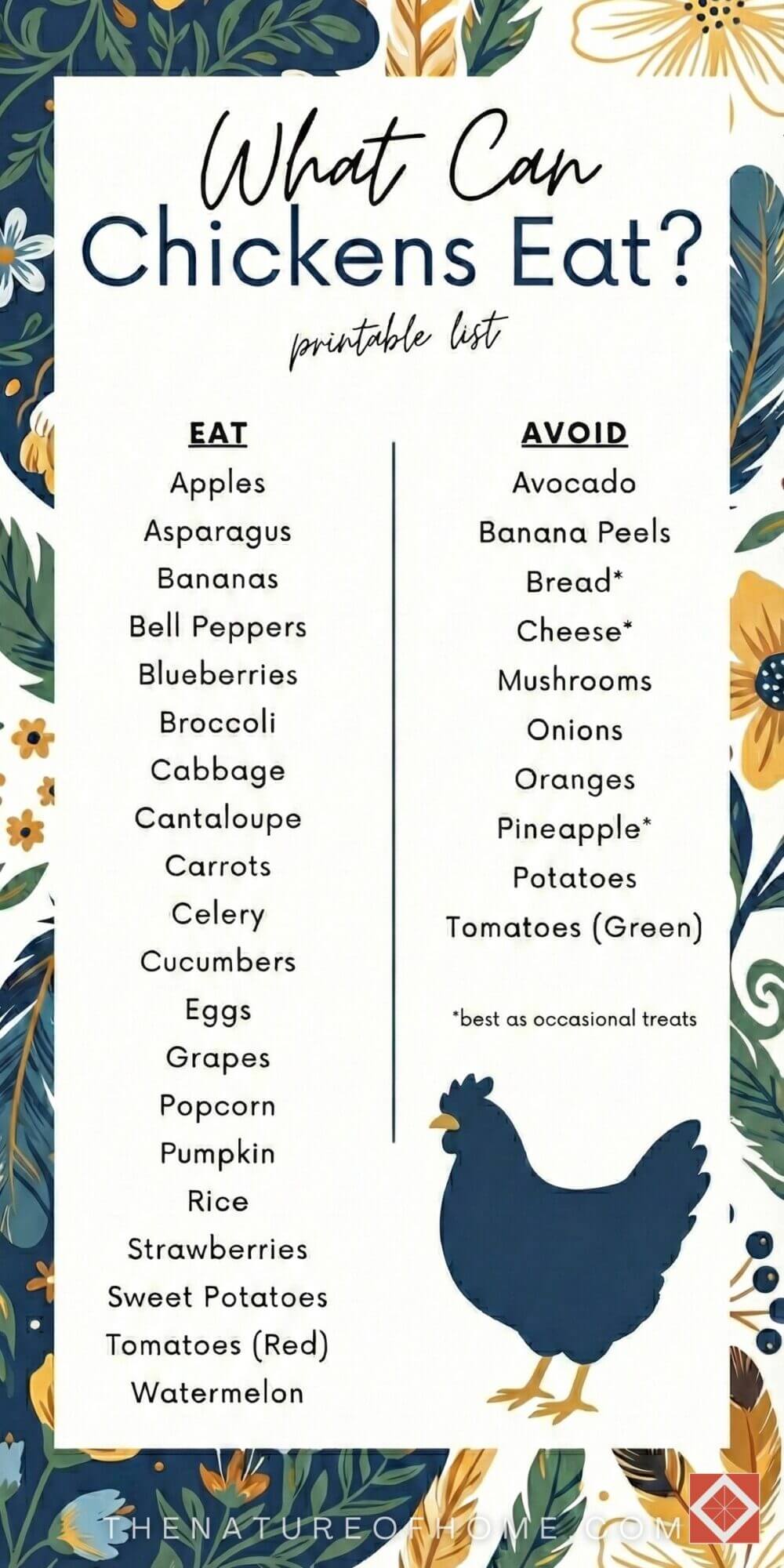
Free PDF to print for reference below:
Connecting Chickens to the Garden (Not Separately)
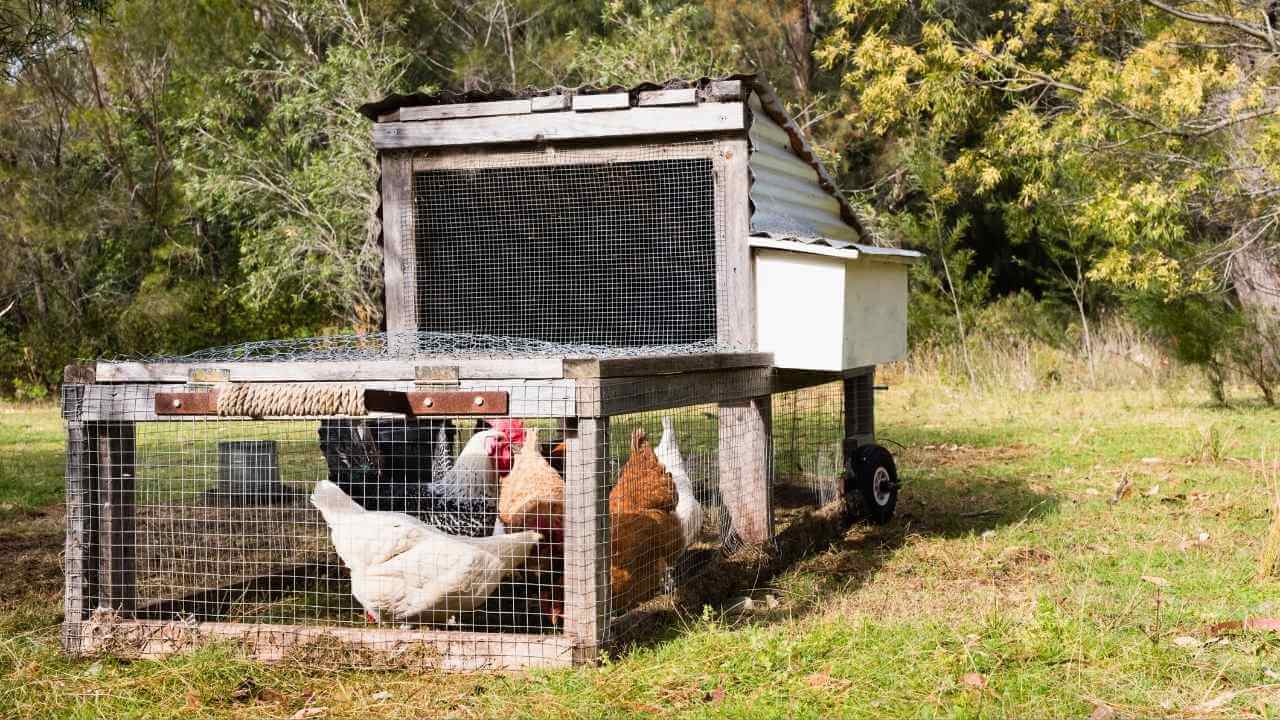
The chicken tractor solved two problems at once.
I built a run four feet by eight feet, same size as garden beds. In spring, I park it over a bed for two weeks. The birds eat weeds, scratch up soil, fertilize as they go. Then I move them and plant.
Manure warning: Chicken manure is hot. It contains about 1.1 percent nitrogen compared to 0.6 percent in cow manure. Fresh chicken manure will burn plants.
Compost it for three to six months minimum.
I pile manure and bedding in a corner, let it sit from fall through spring, spread it before planting. The garden responds to this more than anything else I’ve tried
What to Feed Chickens in Winter (When Everything Changes)
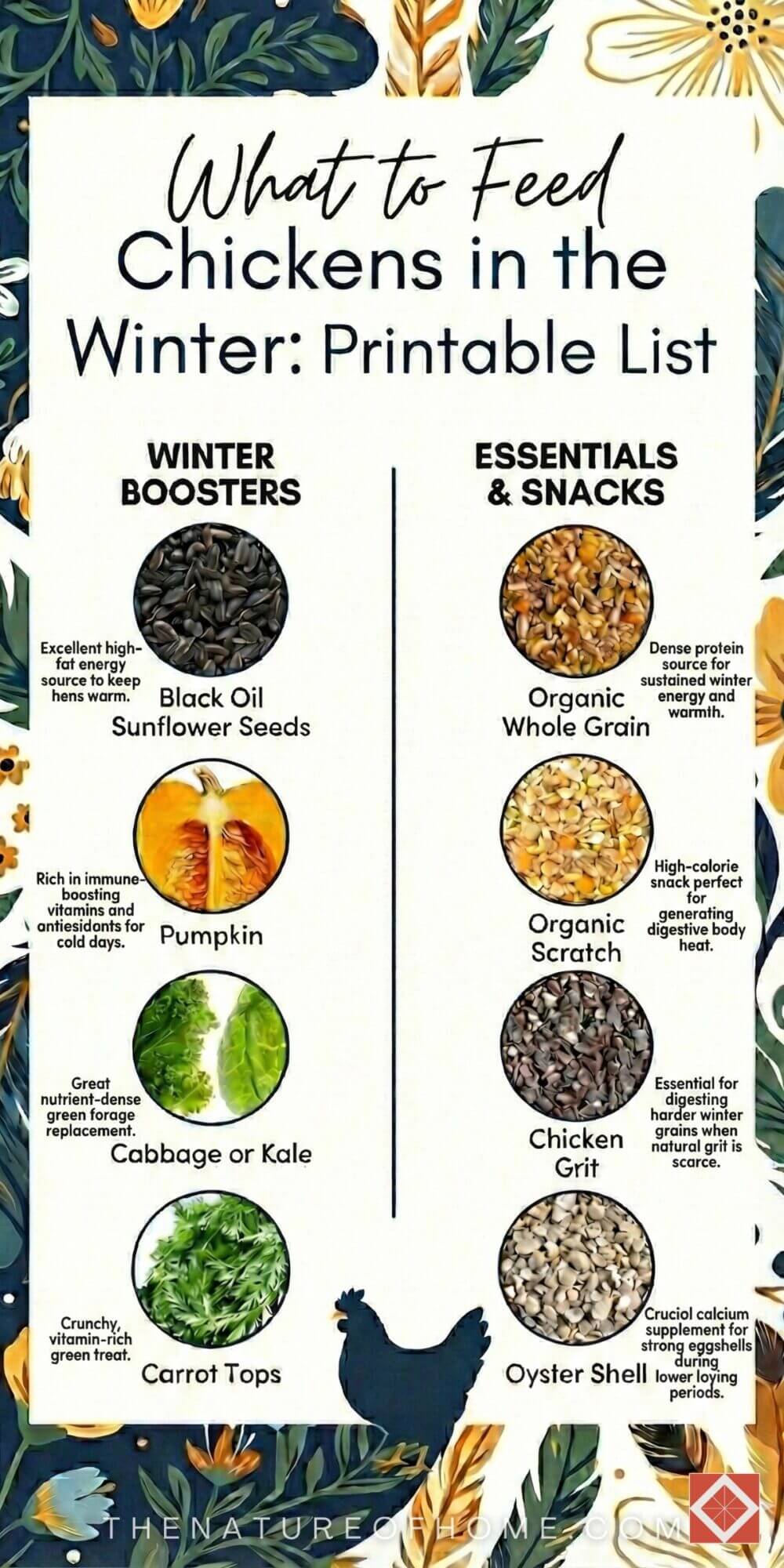
Free PDF to print for reference below:
The first winter I kept chickens, I didn’t change anything about their feed. By January, egg production dropped to almost nothing and two birds looked thin.
I thought chickens just stopped laying in winter. Turns out they stop laying when they’re using all their calories just to stay warm.
The base layer feed stays the same year round. What changes is what you add and when you give it.
Scratch grains and corn at night only: An hour before dark, I give them organic scratch mix, the kind with wheat, oats, barley, and corn. Digestion generates heat. They digest this overnight and stay warmer while they sleep.
Giving scratch in the morning wastes the heat when they don’t need it. Giving it at night puts the warmth where it helps.
Black oil sunflower seeds: These are high in fat. Fat turns into energy which turns into body heat. I started adding a handful to their morning feed in December.
The birds maintained weight better and kept laying through cold snaps that would have stopped them before.
Winter greens when there’s no foraging: Cabbage, kale, pumpkin. In summer, chickens eat bugs and grass. In winter, that’s gone.
Hanging a cabbage head in the coop gives them something to peck at that isn’t each other. Pumpkin guts after you carve or cook one work the same way. Vitamins and antioxidants they’re not getting anywhere else.
Carrot tops if you have them. Crunchy, green, keeps them occupied.
Grit and oyster shell matter more in winter: Chicken grit helps them break down harder seeds and grains.
In winter they’re eating more whole grains, which means they need more grit.
Oyster shell provides calcium for strong eggshells. When hens lay less frequently in cold weather, they still need calcium. Keep it available free choice, separate from feed.
The one thing that surprised me: Warm water twice a day makes more difference than expensive supplements. Cold water lowers their body temperature. They drink less, which means they eat less, which means they produce less.
I bring out warm (not hot) water morning and evening. They drink immediately. I’ve watched them stand by the waterer waiting for the refill because they know it’s coming warm.
Winter feeding for backyard chickens isn’t complicated. It’s paying attention to what cold actually does to a body that’s trying to make eggs at the same time it’s trying not to freeze.
Basic Chicken Health Kit (Just What You’ll Actually Use)
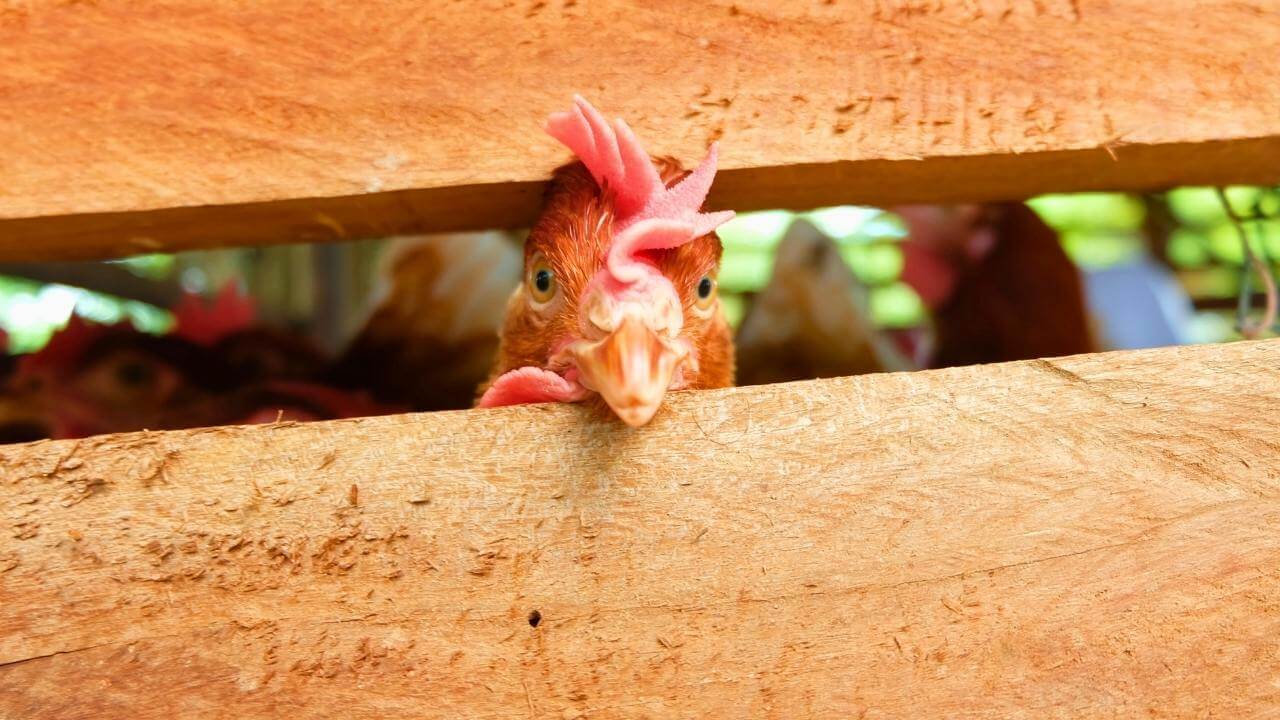
Most chicken health problems resolve themselves or kill the bird before you can fix anything. What you keep on hand is for the problems that fall in between.
The drawer I actually open: VetRx for respiratory issues. Works like Vicks for chickens.
Blu-Kote for wounds. Covers bleeding, prevents pecking.
Electrolytes for heat stress. Had a bird go limp last July. Electrolyte water brought her back in twenty minutes.
Egg binding: When a hen can’t pass an egg, fill a basin with water between 100 and 102 degrees.
Add Epsom salts. Set the bird in it for fifteen minutes. This relaxed the muscles enough that every egg-bound hen I’ve treated has passed the egg within an hour.
This doesn’t work every time. When it doesn’t work, the bird usually dies.
The Myths About Deep Bedding and Heat
People say deep bedding creates heat through composting. In a small coop, it doesn’t generate enough heat to matter.
I measured this. The bedding temperature stayed within a few degrees of ambient air temperature even when the layer was eight inches deep.
Deep bedding works for different reasons. It absorbs moisture, which keeps ammonia levels down. It requires less frequent cleaning. It does not heat your coop.
The heat in a winter coop comes from the birds themselves, from dry still air, and from insulation if you have it. Not from bedding.
The Mite Problem Nobody Warns You About (And How Dust Baths Fix It)
We inherited four chickens when we bought our property. Within two weeks I noticed the birds weren’t acting right.
They weren’t laying. They looked tired. When I finally picked one up to check, the base of her feathers was moving. Tiny gray specks crawling across her skin.
Mites.
The previous owners kept the chickens in a run with packed dirt and no loose soil. The birds couldn’t dust bathe properly, which meant they couldn’t control the mites themselves, which meant the infestation got bad enough that I could see it with my eyes.
What mites actually do: They feed on blood at night. During the day they hide in cracks in the coop. A bird with mites is anemic, stressed, and stops laying. In bad cases, mites can kill chickens, especially younger or weaker ones.
You’ll see pale combs, weight loss, and birds that look hunched and miserable.
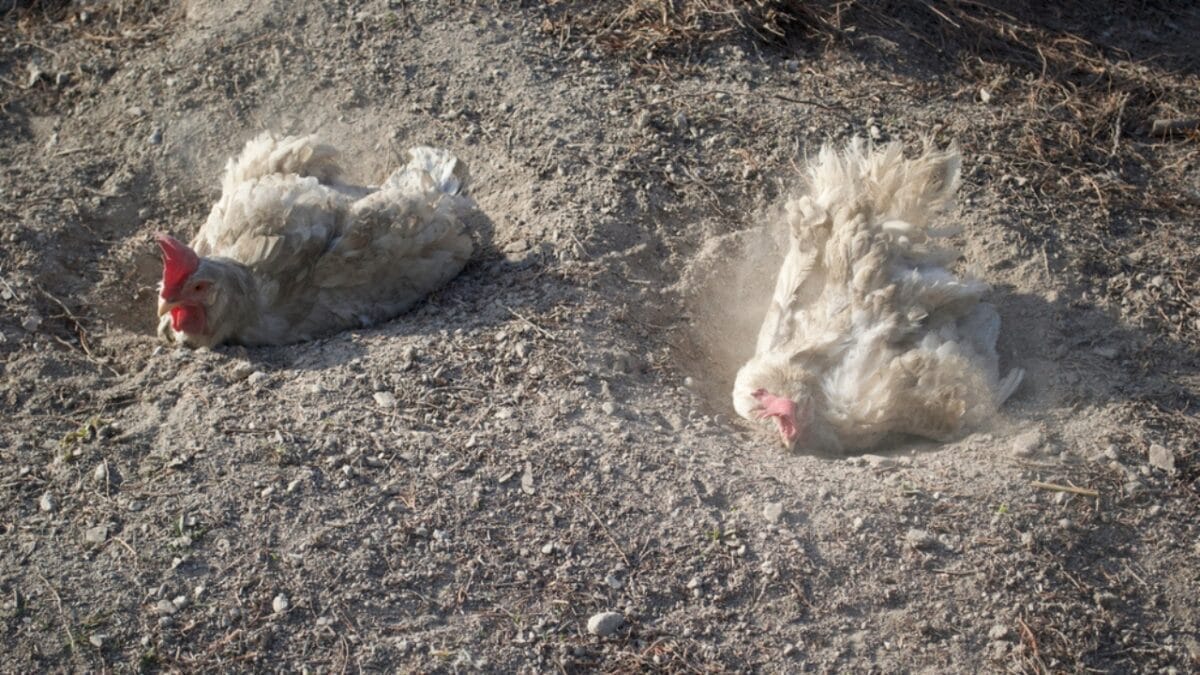
Why dust baths matter more than anything: Chickens coat themselves in fine dust and dirt. The dust suffocates mites and lice. It gets into all the places you can’t reach with your hands.
A proper dust bath spot needs loose, dry dirt at least six inches deep. The birds dig into it, flip it onto their backs, work it through their feathers. This is how they clean themselves. It’s not optional.
Our inherited birds didn’t have this. The ground was hard packed. They tried to dust bathe anyway but couldn’t get deep enough or dirty enough.
What I did to fix it:
First, I treated the active infestation. Poultry dust with permethrin on each bird, working it down to the skin around the vent and under the wings. This kills mites on contact.
Then I cleaned the coop completely. Mites live in wood cracks and corners. I scraped out all bedding, sprayed every surface with a mix of water and dish soap, let it dry, then dusted the roosts and nesting boxes with diatomaceous earth.
But the real fix was the dust bath.
I built a covered area, three feet by four feet, filled eight inches deep with a mix of sand, wood ash, and garden dirt. Covered because dust baths need to stay dry. Deep because chickens dig.
Within a week, the birds were spending an hour a day in there. Within a month, the mite problem was gone.
The maintenance part: Check your birds regularly by picking them up and looking at the skin near the vent and under the wings. You’re looking for movement, for tiny bugs, for eggs that look like little white dots stuck to feather shafts.
Keep the dust bath spot dry and deep. Add wood ash from the fireplace if you have it. Replace the material when it gets compacted or wet.
Most chicken keeping problems are complicated. Mites aren’t complicated. They just require you to let chickens do what they already know how to do.
What Nobody Mentions
Chickens die sometimes for no clear reason. You’ll find one dead and never know why.
Predators are smarter and more persistent than you expect. I lost birds to raccoons, hawks, dogs, that squeezed through a gap I didn’t think anything could fit through.
The birds have personalities but they’re not pets the way a dog is a pet. They’re livestock that happens to be interesting.
On good days, you walk outside and collect eggs that are still warm. The shells have bloom on them, that thin coating that keeps bacteria out.
You rinse them under water and the bloom washes away and you remember that this is food that didn’t exist yesterday.
That’s the part that makes sense when the math stops mattering.

Davin is a jack-of-all-trades but has professional training and experience in various home and garden subjects. He leans on other experts when needed and edits and fact-checks all articles. Also an aspiring cook we he researches and tries all kinds of different food recipes and shares what works best.