
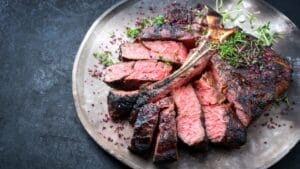
Stop overcomplicating your protein sources. In the world of nutritional hierarchy, beef sits at the throne. It is the perfect intersection of satiety, micronutrient density, and hedonistic enjoyment.
But most of you are walking into the grocery store blind, grabbing whatever red meat is on sale, and then wondering why your meal prep tastes like shoe leather or why your macros are blown by noon.
If you are serious about your physique and your palate, you need to understand what you are putting on your fork. Ignorance is not an excuse for a bad meal.
This is your primer on the cuts that matter. No fluff, just the data you need to optimize your intake.
The Golden Ratio of Yield
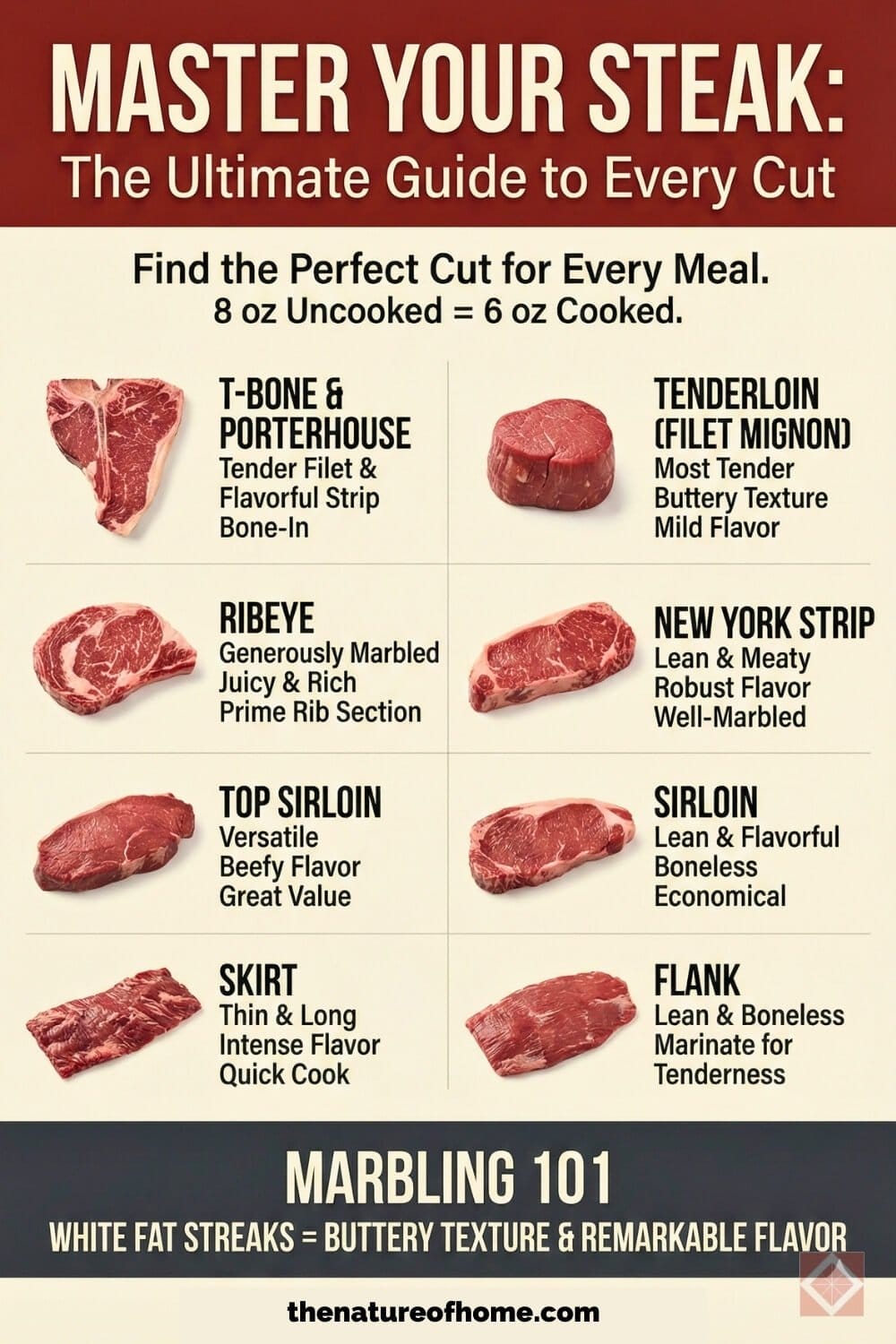
Before we discuss individual cuts, we need to address a fundamental error in tracking. When you buy a steak, you are paying for water weight that will vanish the second it hits the heat.
For accurate tracking, memorize this baseline: Eight ounces of uncooked steak yields approximately six ounces of cooked steak. If you are weighing your food raw but tracking cooked entries, you are under-eating.
If you reverse it, you are over-eating. Precision matters. Calibrate your scale and your expectations accordingly.
The Satiety Kings: Lean and Potent
If you are deep in a cut or saving your fat macros for something else, these are your weapons of choice. They offer the highest protein-to-calorie ratio while delivering the texture you actually want.
The Tenderloin (Filet Mignon)
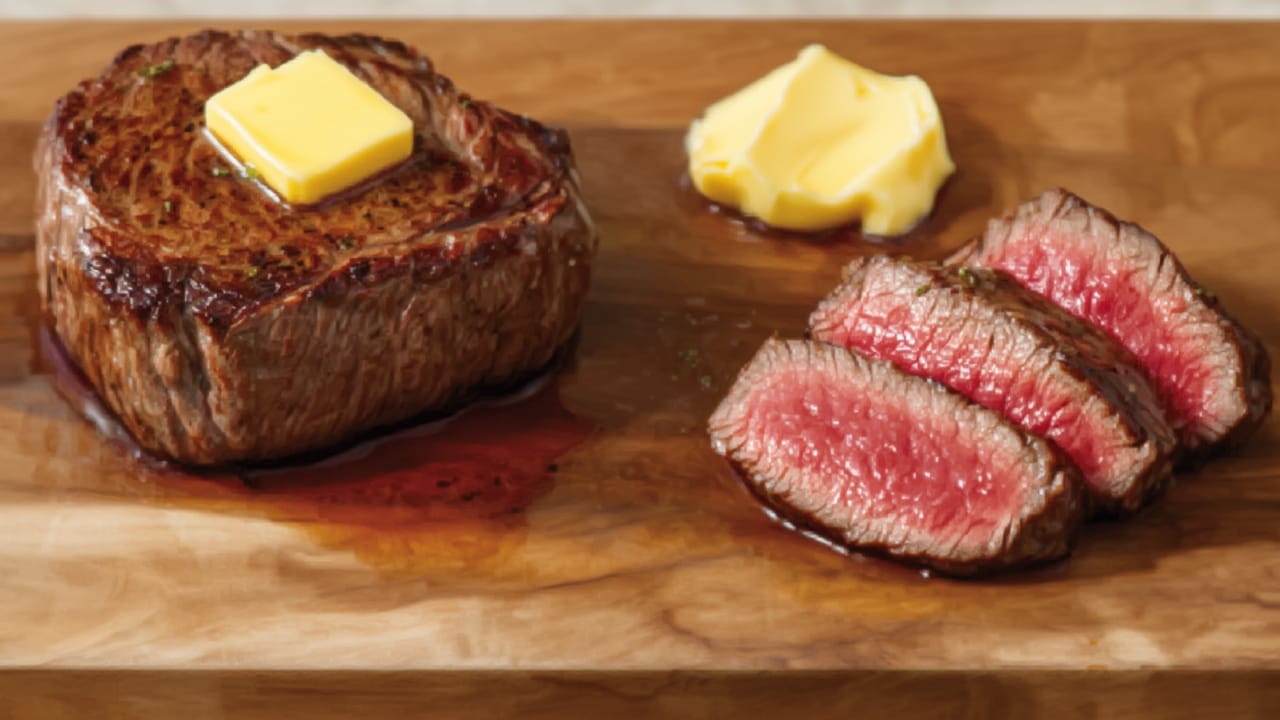
This is the holy grail of texture. It is arguably the most tender steak available, characterized by a lean profile and a succulent, buttery texture. Because it is lower in fat, it is less forgiving if you overcook it.
Treat it with respect. It ranges from 1 to 2.5 inches thick, meaning you need to manage your heat transfer carefully to avoid a grey band of misery around a raw center.
The Top Sirloin
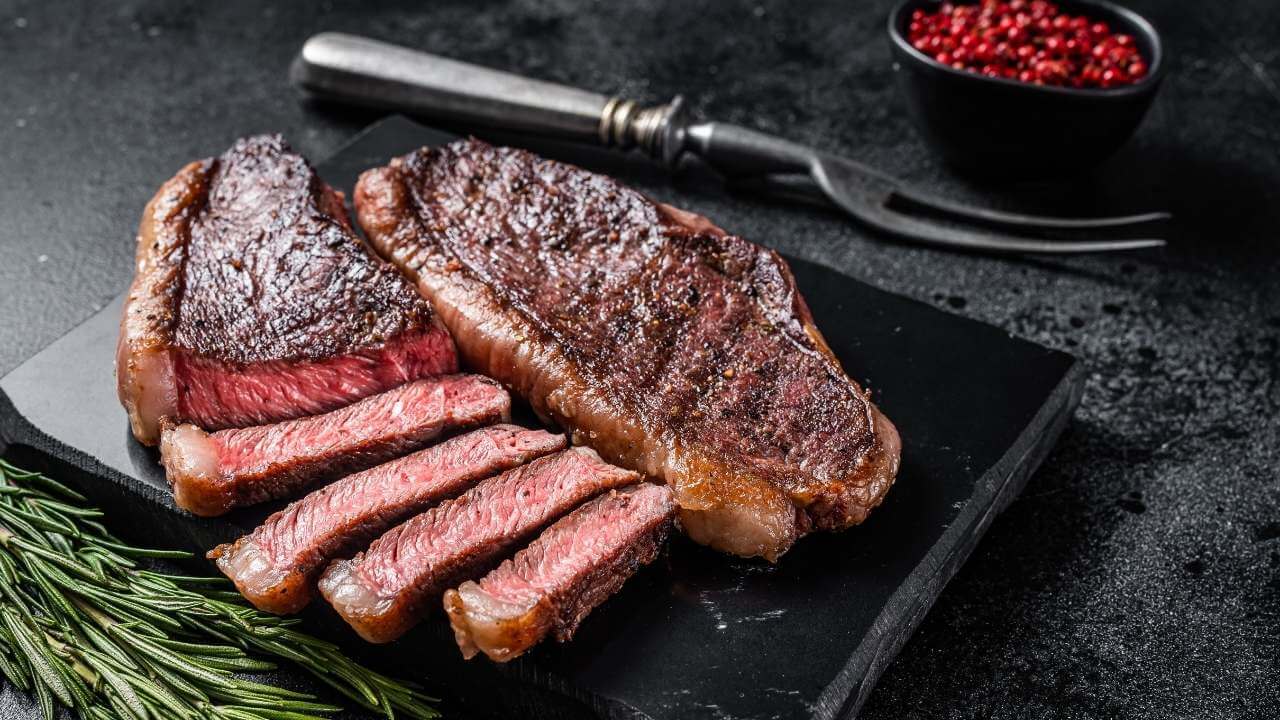
This is the efficiency choice. It is a tender, juicy cut taken from the sirloin area that delivers a very heavy beef flavor. It is similar to the tri-tip but often easier to find and easier on the wallet.
It is an economical cut, generally 1 to 2 inches thick, making it a staple for anyone who eats steak more than once a week.
The Sirloin Steak
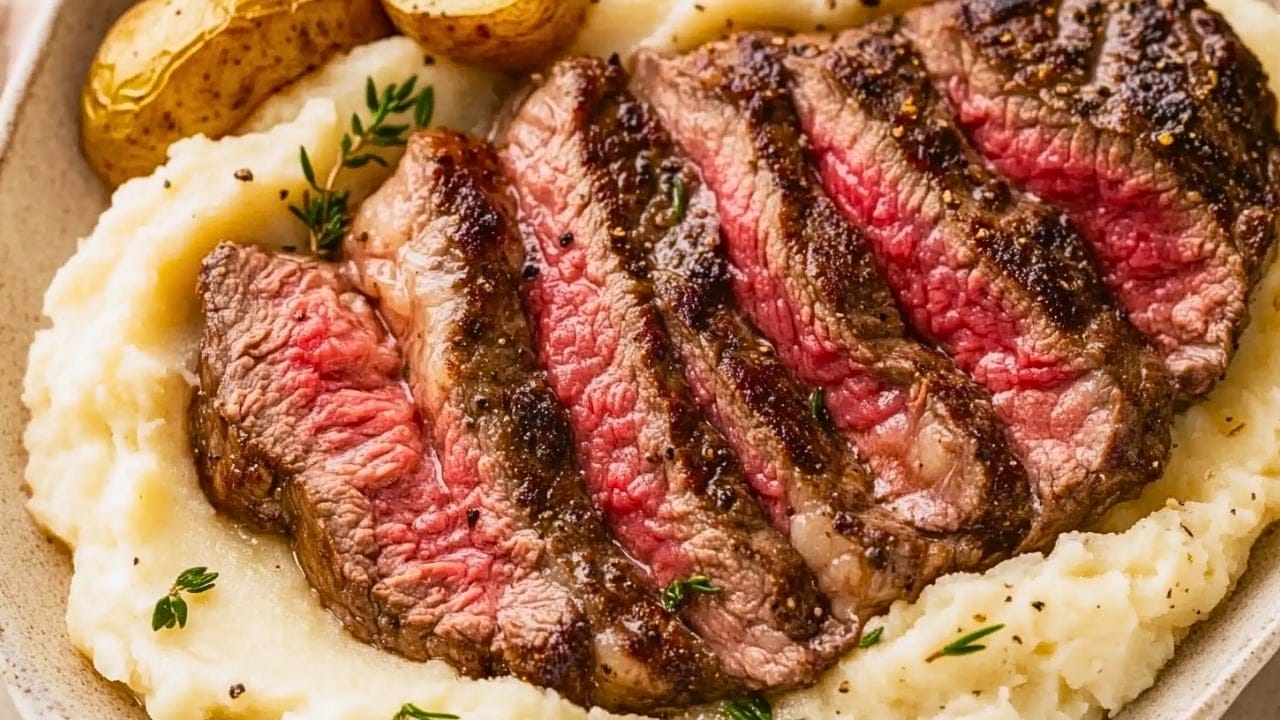
Do not confuse this with the Top Sirloin. The standard boneless sirloin is a lean, flavorful cut that comes from the longer area of the loin. It usually clocks in at about 1 inch thick.
If you want high volume food without the caloric penalty of a ribeye, this is your play.
The Hyper-Palatable Cuts: Marbling and Refeeds
When you have the caloric budget or you are looking to maximize flavor, fat is your friend.
Marbling isn’t just decoration; it is white streaks of intramuscular fat that provide buttery texture and remarkable flavor.
The Ribeye
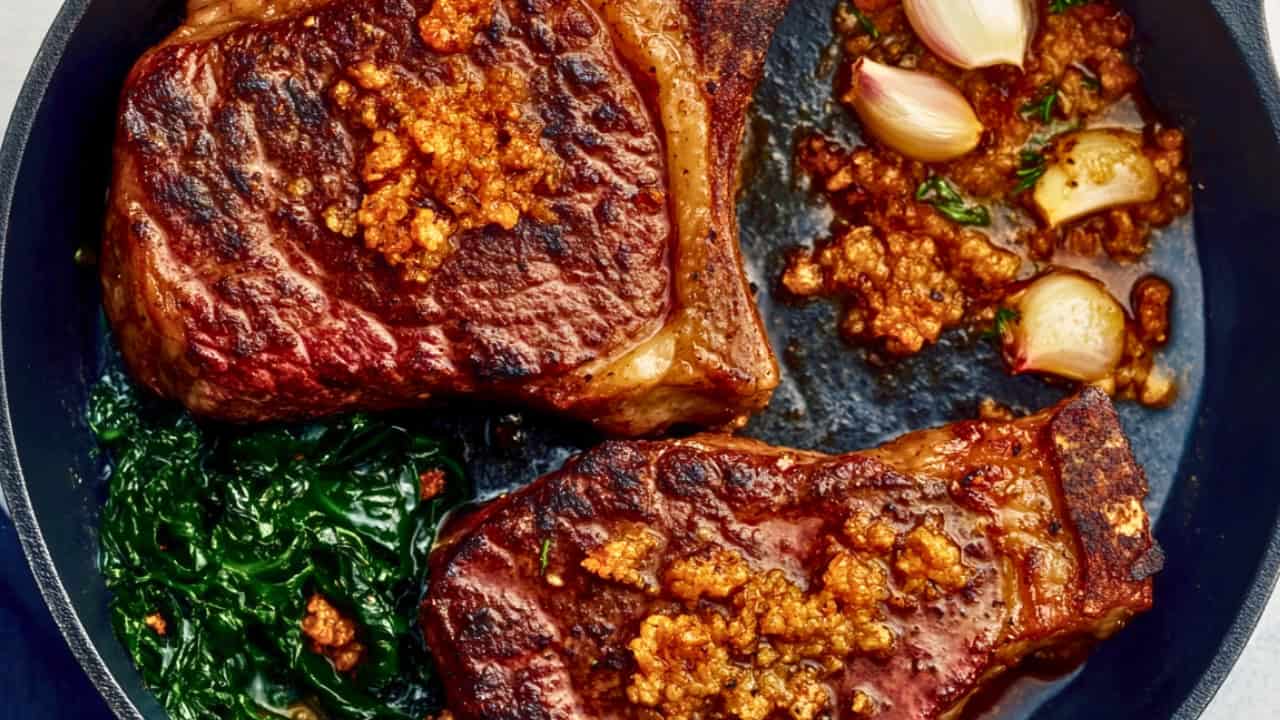
This is the king of flavor. Cut from the center of the prime rib, the Ribeye is generously marbled, making it incredibly juicy and rich. It ranges from 1/2 inch to 2 inches thick for boneless cuts.
If you are breaking a fast and want something that hits hard, this is it. Just be aware of the energy density.
The New York Strip
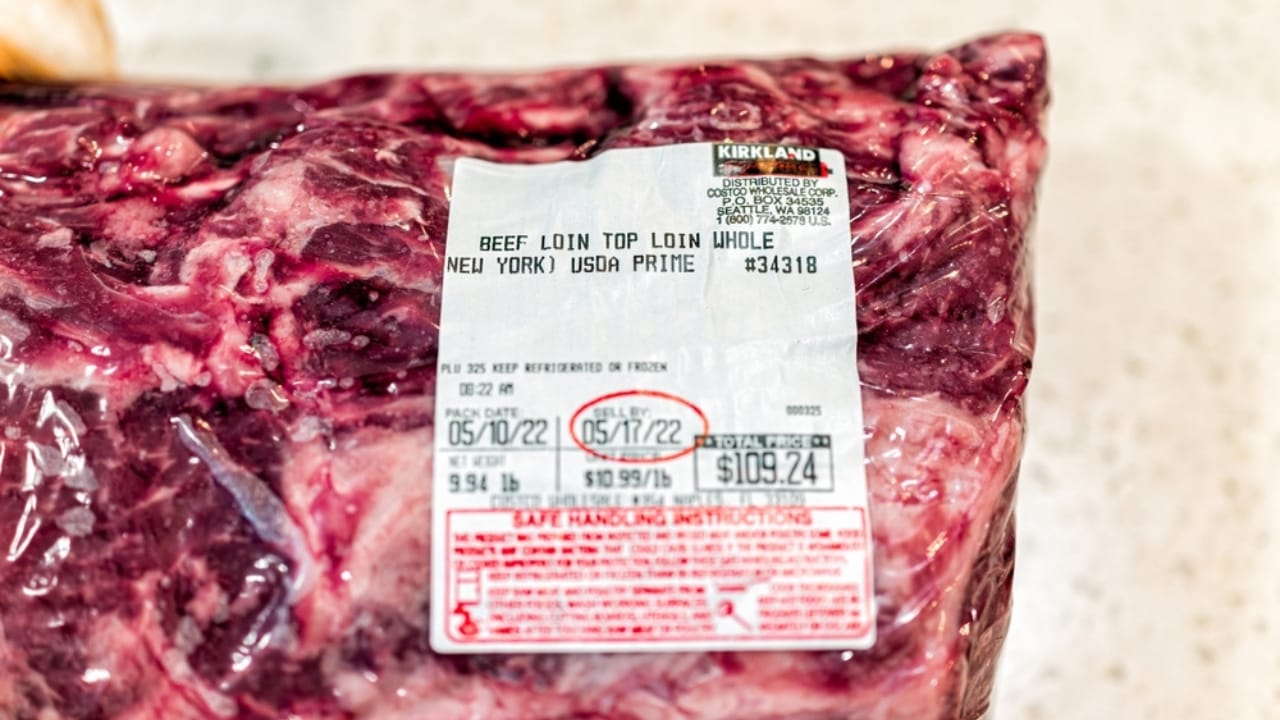
The Strip is the balance point. It is a meaty, well-marbled steak cut from the short loin.
It goes by many names—Kansas City Strip, Strip Steak—but the result is the same: a robust flavor profile that stands up to heavy seasoning. It is solid, reliable, and consistent.
The T-Bone and Porterhouse
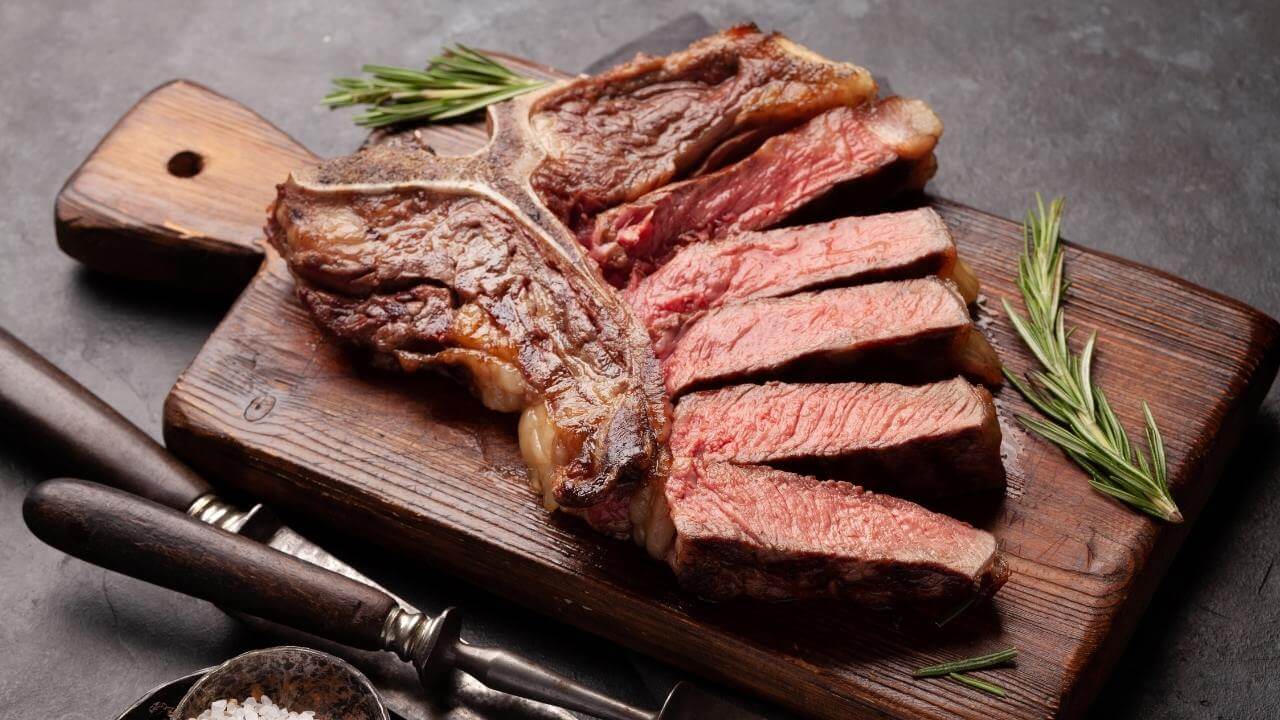
Why choose when you can have both? This well-marbled cut consists of two lean, tender steaks—the New York Strip and the Tenderloin filet—connected by a T-shaped bone.
It is a massive serving of protein, usually cut 3/4 to 1 inch thick. It is primitive and satisfying.
The Technician’s Cuts
These cuts separate the cooks from the chefs. They are often cheaper, but they require specific preparation methods to unlock their potential.
The Skirt Steak
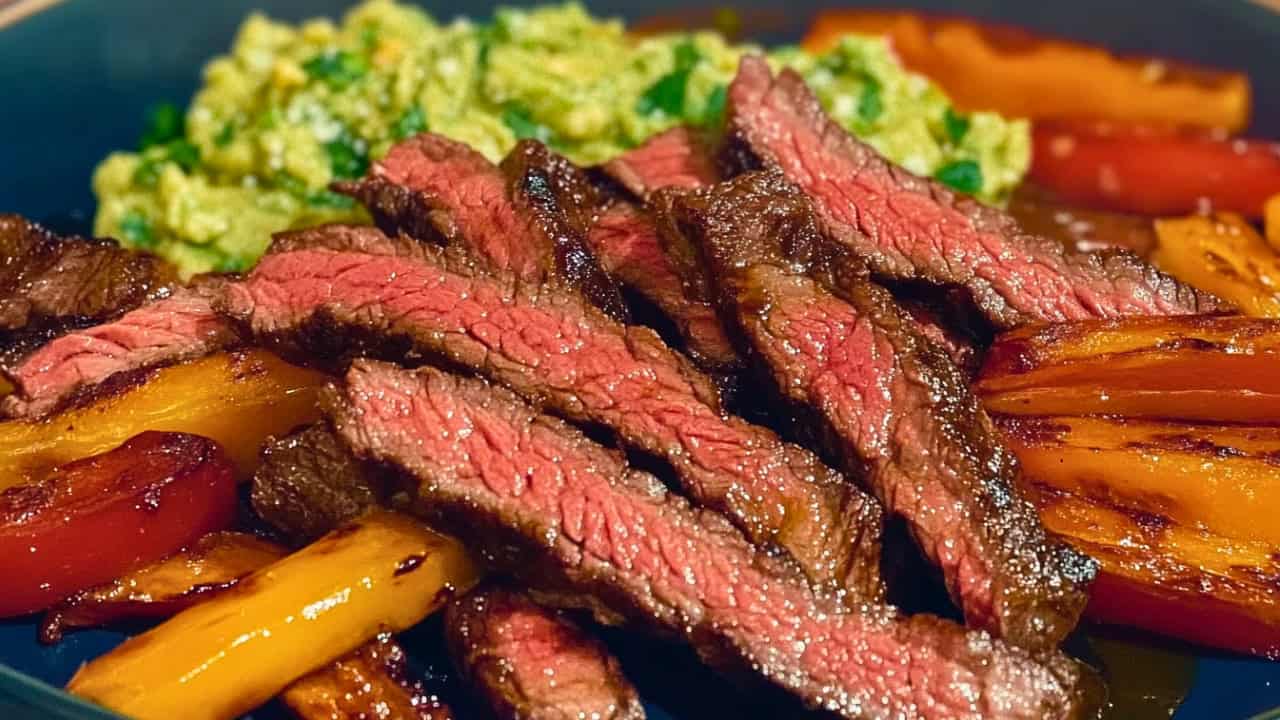
This is a long, thin cut from the plate section. It has intense flavor, but because of its structure, it demands a quick cook over high heat. Do not slow cook this unless you want to chew on rubber.
Sear it hard, slice it against the grain, and you have one of the most flavorful bites on the cow.
The Flank Steak
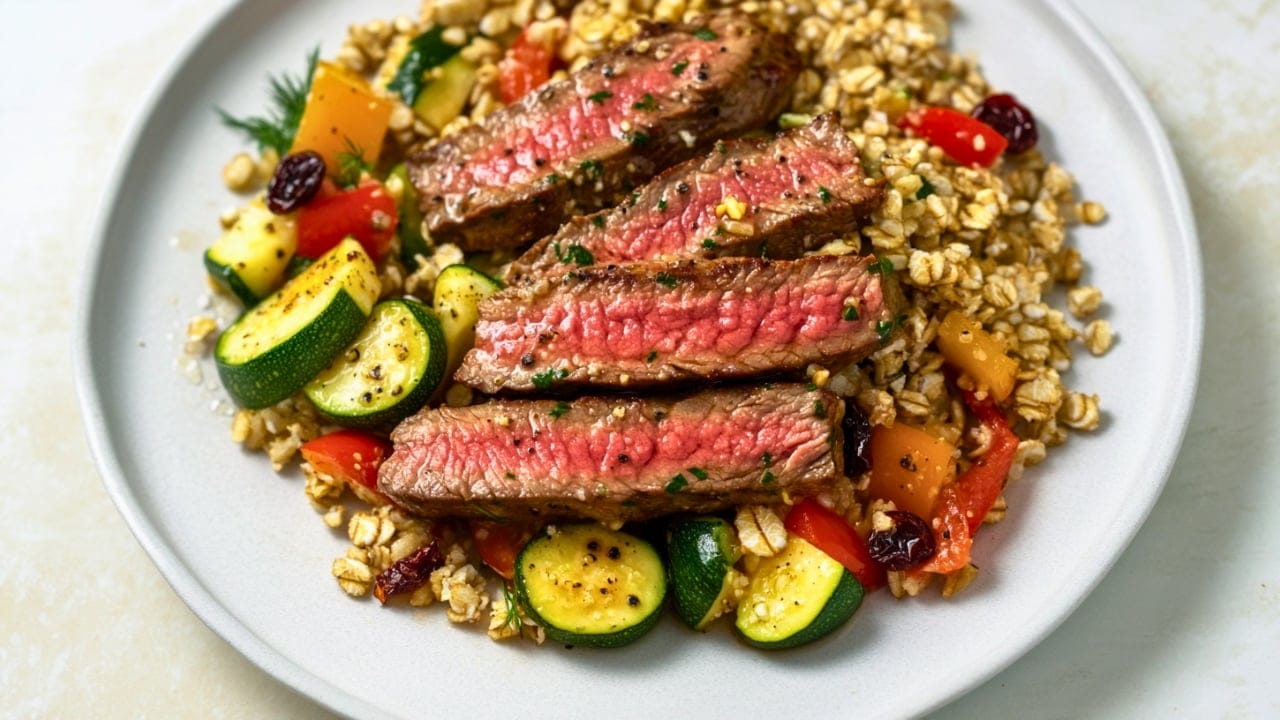
Similar to the skirt, this is a lean, boneless cut with exceptional flavor. However, it is structurally dense. It is the ideal choice to marinate before grilling to break down some of that muscle fiber.
If you prep it right, it punches well above its weight class in terms of value.
Know Your Goal
Stop guessing at the meat counter. Identify your goal—whether it’s maximum satiety, highest flavor, or budget efficiency—and select the tool for the job. And for the love of iron, buy a meat thermometer.

Davin is a jack-of-all-trades but has professional training and experience in various home and garden subjects. He leans on other experts when needed and edits and fact-checks all articles. Also an aspiring cook we he researches and tries all kinds of different food recipes and shares what works best.