
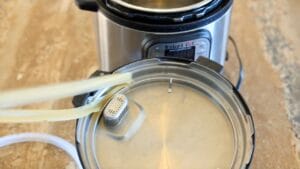
My 6-quart Instant Pot stopped sealing. Steam hissing out the sides. Float valve just sitting there doing nothing. Timer never starting. Burn notice flashing because all the liquid boiled off as steam instead of building pressure.
I thought the pot was dead. Almost bought a new one. Then I spent $8 on a replacement sealing ring kit ( amazon link, this kit is just one ring, if you want the three rings use this link) and it’s been working perfectly for two years.
If your Instant Pot is leaking steam or won’t come to pressure, the sealing ring is probably stretched, cracked, or just old.
Replacing it takes 30 seconds and fixes basically every pressure issue that isn’t a broken valve.
Why Your Instant Pot Stopped Sealing (The Actual Problem)
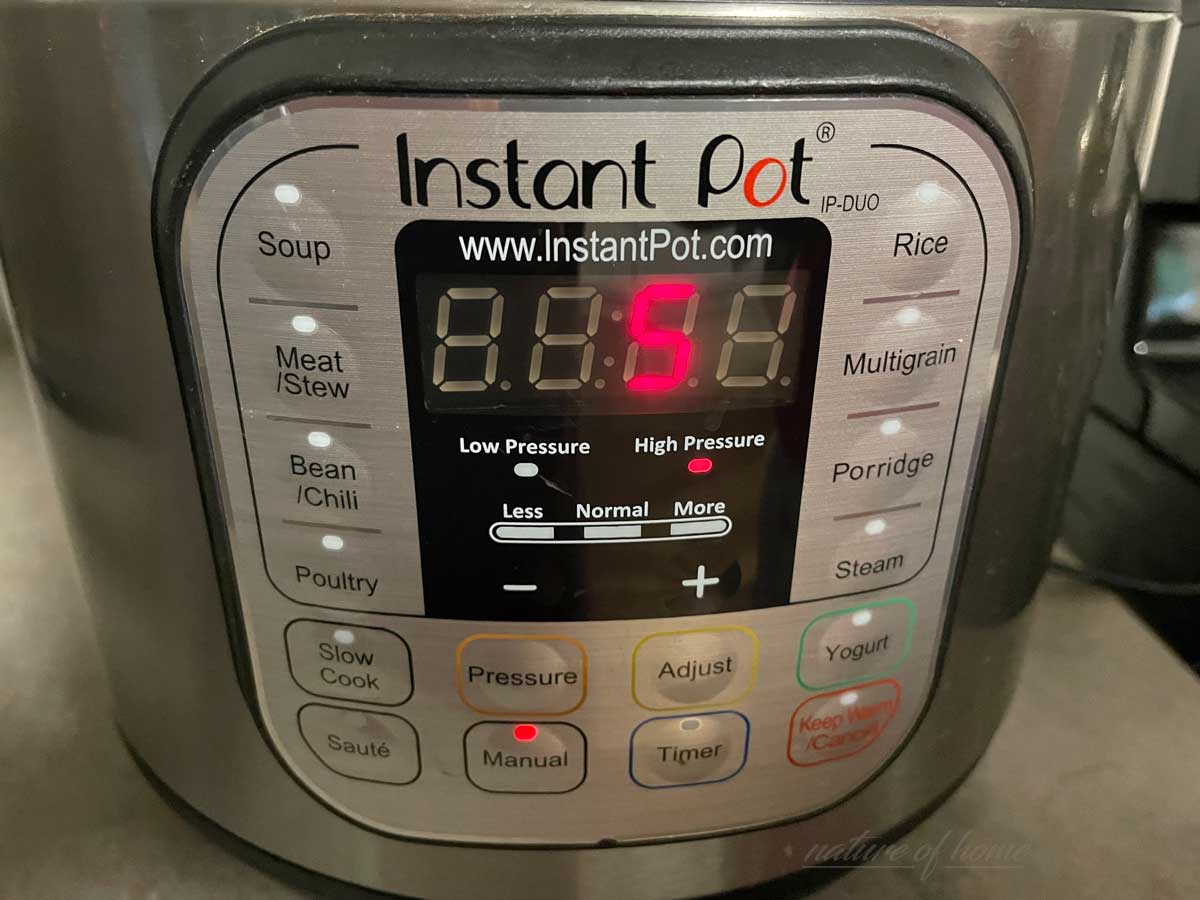
You close the lid. Turn it to sealing. Hit manual. And then… nothing. Or worse, steam starts hissing out around the edges.
The float valve never pops up. The timer never starts. Eventually you get a burn warning because the liquid escaped as steam and now there’s scorched food on the bottom.
What’s happening:
The silicone ring stretched. Every time you use the pot, the ring heats up and cools down. Over time this makes it expand.
Even a millimeter of stretch means it doesn’t sit tight between the lid and the pot rim anymore. Steam escapes. No pressure builds.
It got stiff or brittle. Old silicone loses flexibility. It can’t compress properly under the 10 to 15 psi of pressure the pot needs. Or it develops tiny cracks you can’t see that leak steam.
It absorbed smells and oils. Silicone is porous. After a year of cooking curries and chili and pot roast, the ring is saturated with food oils. This doesn’t affect sealing directly but it makes your cheesecake taste like last Tuesday’s taco meat.
The float valve gasket failed. Everyone blames the big sealing ring but there’s a tiny silicone cap on the metal float valve pin. If that little gasket cracks or falls off, you get the same symptoms. Steam leaks. No pressure. Confusion.
What the Replacement Kit Actually Is
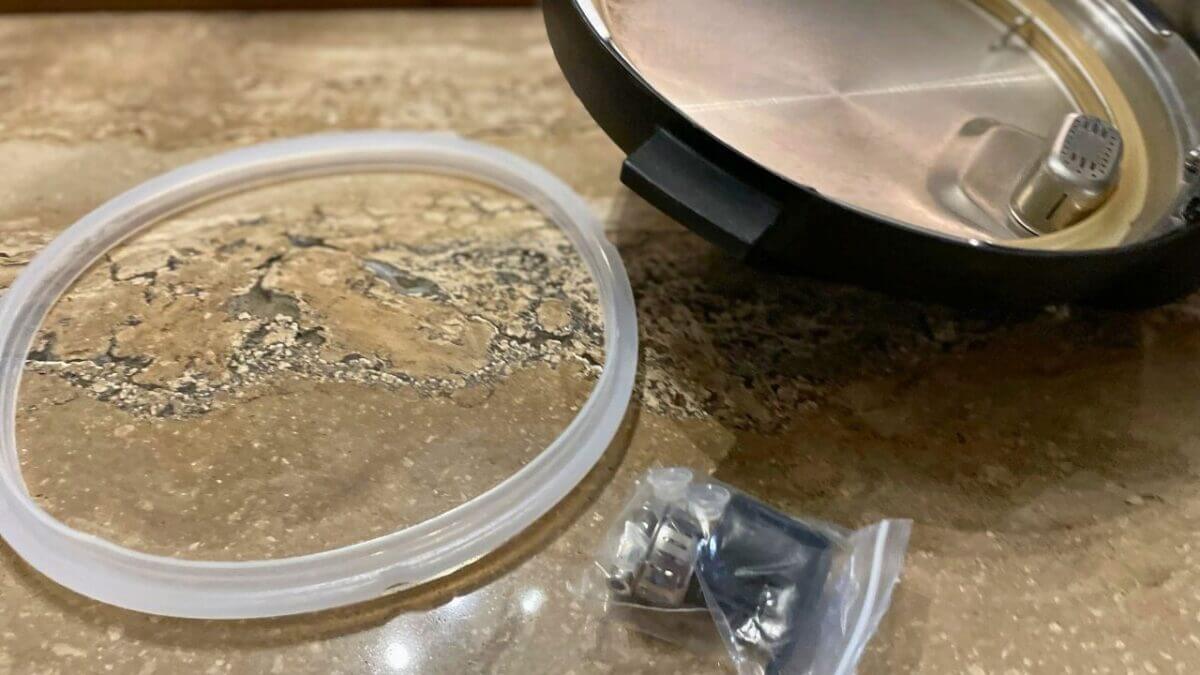
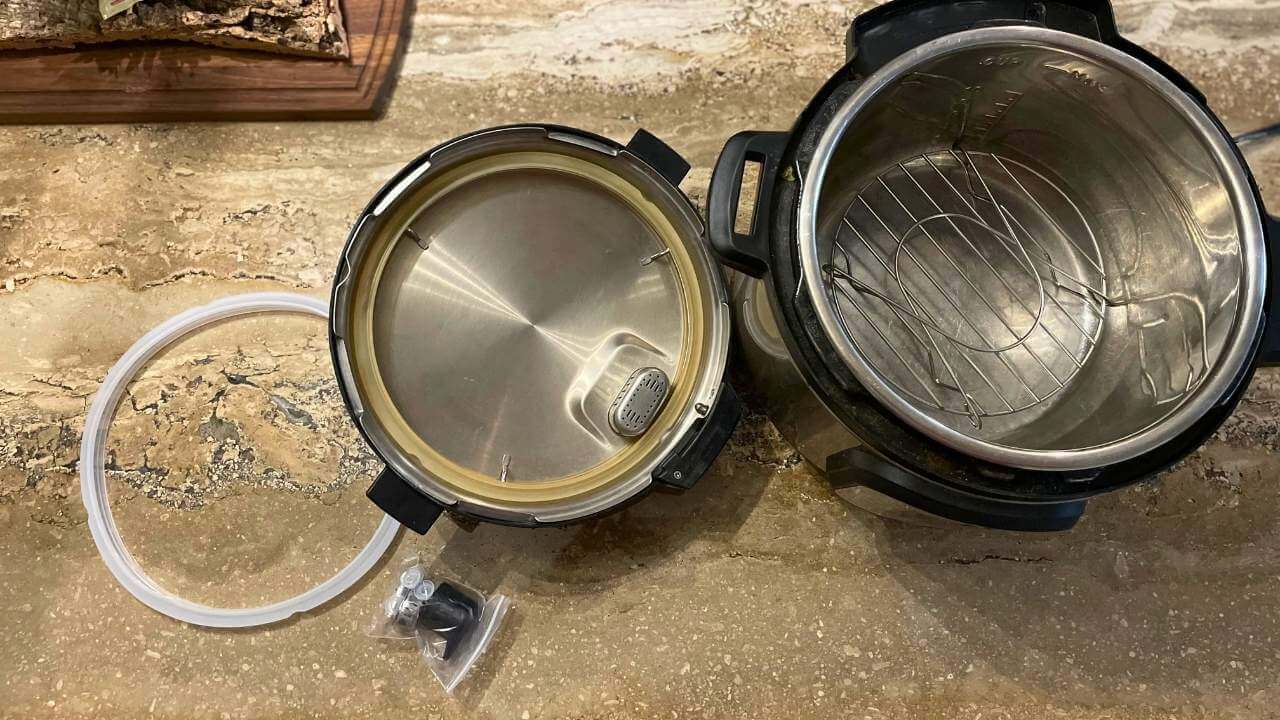
This is a set of 3 silicone sealing rings plus float valve gaskets. Made for 5 and 6-quart Instant Pots (the most common sizes).
What’s in the box:
- 3 sealing rings in different colors (usually red, blue, clear or white)
- 2 to 4 float valve gaskets (the tiny silicone caps for the metal pin)
- Food-grade silicone, BPA-free
Fits these models:
6-quart: IP-DUO60, IP-LUX60, Duo Plus, Ultra, Smart 60, basically any 6qt Instant Pot
5-quart: Most 5qt models use the same size ring
Doesn’t fit: 3-quart or 8-quart models. Those need different sized rings.
How It Fixes the Problem
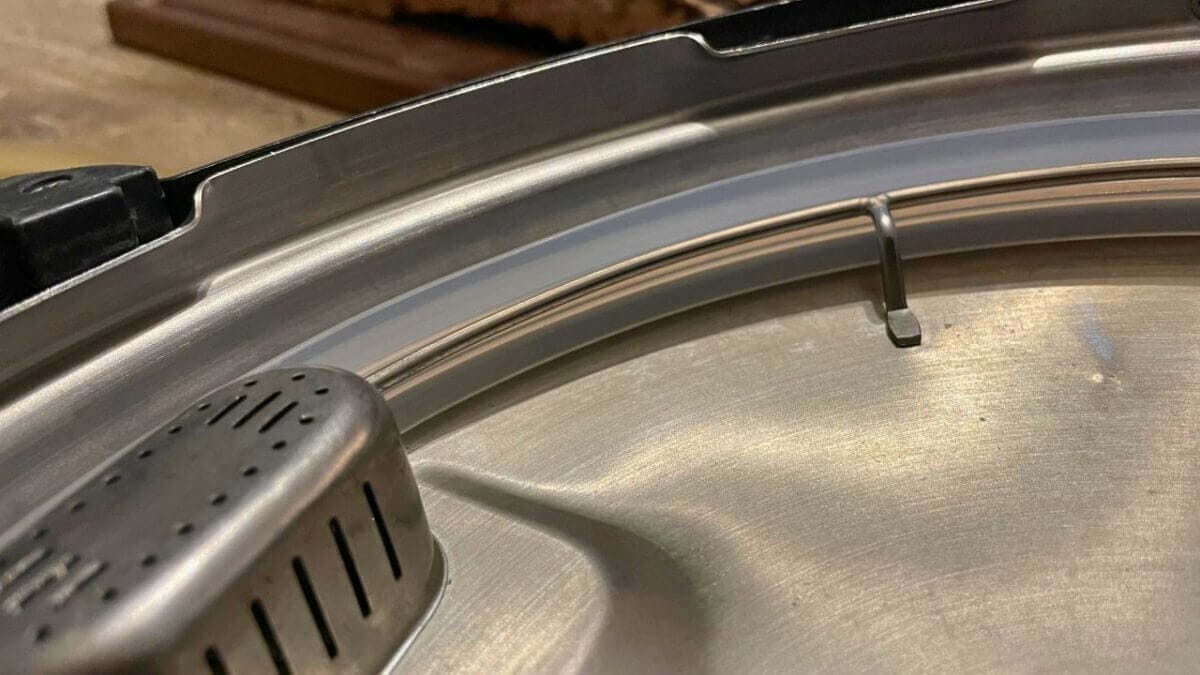
New silicone is tight and elastic. A fresh ring hasn’t been heat cycled 200 times. It compresses correctly between the lid and pot rim.
When you lock the lid, the ring seals completely. Steam stays inside. Pressure builds. The float valve pops up. The timer starts. Your food cooks.
The float valve gasket matters more than you think. That little silicone cap keeps the metal pin sealed when it pops up. If it’s cracked or missing, steam escapes through the valve hole even if your main ring is perfect.
Replacing both at once guarantees the fix.
The Color Coding System (Why There Are 3 Rings)
Silicone absorbs odors and oils from food. You cannot fully wash this out. If you cook curry in your pot then make yogurt, your yogurt will taste like curry. It’s subtle but it’s there.
How to use the colors:
Red ring: Assign to savory and spicy foods. Curries, chili, pot roast, anything with strong flavors that linger.
Blue ring: Use for mild savory foods. Rice, beans, chicken soup, pasta.
Clear or white ring: Dedicate to sweet foods. Cheesecake, yogurt, rice pudding, oatmeal.
Keep them in a ziplock bag labeled with what they’re for. Swap them out based on what you’re cooking. Your desserts will stop tasting like dinner.
How to Install It (Takes 30 Seconds)
Remove the old ring. Open the Instant Pot lid. Flip it over. The sealing ring sits in a wire rack around the underside. Pull the old ring out.
It stretches over the wire. Don’t be gentle, just yank it.
Check the wire rack. Wipe it down. Make sure there’s no food crud or buildup in the groove.
Stretch the new ring over the wire. Start at one point and work your way around, stretching the ring over the metal wire rack. It should snap into the groove all the way around.
The spin test. Try to rotate the ring in the rack. It should spin with a little resistance but stay in place. If it falls out easily, it’s not seated behind the wire properly. Reseat it.
The water test (do this before cooking real food). Put 3 cups of water in the pot. Close the lid. Turn valve to sealing. Hit manual or pressure cook for 2 minutes. If it comes to pressure, pops the float valve, and completes the cycle without leaking, you’re good.
If steam still leaks, check the float valve gasket or make sure the ring is seated correctly.
Troubleshooting if It Still Leaks
Ring not seated properly. The most common mistake. Make sure the ring is tucked behind the wire rack all the way around. Run your finger around the whole circle checking for gaps.
Forgot to replace the float valve gasket. That tiny silicone cap on the metal pin. If it’s cracked or missing, steam escapes. Replace it with one from the kit.
Valve set to venting not sealing. Sounds dumb but everyone does it once. Check the valve on top of the lid.
Lid not closed correctly. The lid has to be rotated all the way until it locks. You should hear a click or feel resistance.
Damaged lid or pot rim. If the metal rim of the pot is dented or the underside of the lid is warped, no ring will seal it. This is rare but possible if you dropped it.
How Long Do These Last
Typical lifespan: 12 to 18 months with regular use (2 to 3 times per week). Heavy users might need to replace them yearly.
Signs it’s time to replace:
- Ring feels stretched or loose in the rack
- Steam leaking during cooking
- Ring looks cracked or torn
- Ring smells strongly even after washing
- Float valve not popping up consistently
Extending the life:
Wash by hand. Don’t put it in the dishwasher, the high heat accelerates degradation. Air dry it completely.
Store it in a ziplock when not in use so it doesn’t collect dust and oils from the air.
Why the Kit Is Better Than Buying One Ring
Value: A 3-pack kit costs $8 to $12. A single official Instant Pot ring costs $10. You’re getting 3 rings plus float valve gaskets for the same price or less.
Convenience: You have backups. If a ring fails mid-recipe, you swap it out and keep cooking. No waiting for Amazon delivery while your pot sits useless.
Dedicated rings for different foods. The color system actually works. Once you stop making yogurt that tastes like pot roast, you’ll never go back to using one ring for everything.
Official vs Generic Rings (Does It Matter)
Official Instant Pot rings: Made by Instant Pot. Guaranteed fit. Usually only come in one color per pack. More expensive.
Generic compatible rings: Made by third-party companies. Cheaper. Usually come in multi-packs with colors and float valve gaskets included.
Performance difference: Basically none. The generic rings are food-grade silicone with the same dimensions. They seal just as well. The only difference is branding and price.
What to avoid: Rings that don’t specify “food-grade silicone” or “BPA-free.” Rings for the wrong size pot (an 8qt ring won’t seal a 6qt pot).
Common Mistakes People Make
Buying the wrong size. Measure your pot or check the model number. 3, 5, 6, and 8-quart pots all use different sized rings. Most people have 6-quart.
Not replacing the float valve gasket. You fix the main ring but ignore the tiny gasket and the pot still leaks. Replace both.
Using the dishwasher. High heat breaks down silicone faster. Hand wash only.
Storing it on the lid. Silicone absorbs smells from the air. Store rings in a sealed bag when not in use.
Not doing the water test. You install the new ring and immediately cook a pot roast. If it wasn’t seated right, you waste time and food. Always test with water first.
FAQ Quick Hits
Will this fit my Instant Pot?
If you have a 6-quart model (Duo, Lux, Ultra, Duo Plus, Smart), yes. Check your manual if you’re unsure. The model number is on the bottom of the pot.
How often should I replace the ring?
Every 12 to 18 months with regular use. Or immediately if you see cracks, excessive stretching, or consistent leaking.
Can I just wash the old ring really well instead of replacing it?
If it’s stretched or cracked, no amount of washing will fix it. If it just smells, you can try soaking it in vinegar and baking soda but it rarely fully removes absorbed odors.
Do I need all 3 colors?
No but it’s convenient. You could use one ring for everything and just deal with flavor transfer. Or dedicate one to savory and one to sweet as a minimum.
Will this work on other brands like Ninja Foodi or Cosori?
Some generic rings fit multiple brands but check the dimensions. Instant Pot rings are specific to Instant Pot. Don’t assume compatibility.
Can I buy just the float valve gaskets separately?
Sometimes but they’re usually included in the sealing ring kit anyway. Easier to buy the whole kit.

Davin is a jack-of-all-trades but has professional training and experience in various home and garden subjects. He leans on other experts when needed and edits and fact-checks all articles. Also an aspiring cook we he researches and tries all kinds of different food recipes and shares what works best.