

Boiled cookies are a sweet reminder of simpler times when home baking was all about practicality and resourcefulness. Originating in the 1950s, this no-bake treat became a staple in American households, especially in the Midwest.
Families relied on quick, easy recipes that used minimal ingredients and required little effort. These cookies fit the bill perfectly, allowing home cooks to prepare a delightful dessert using basic pantry staples.
The Appeal of No-Bake Cookies
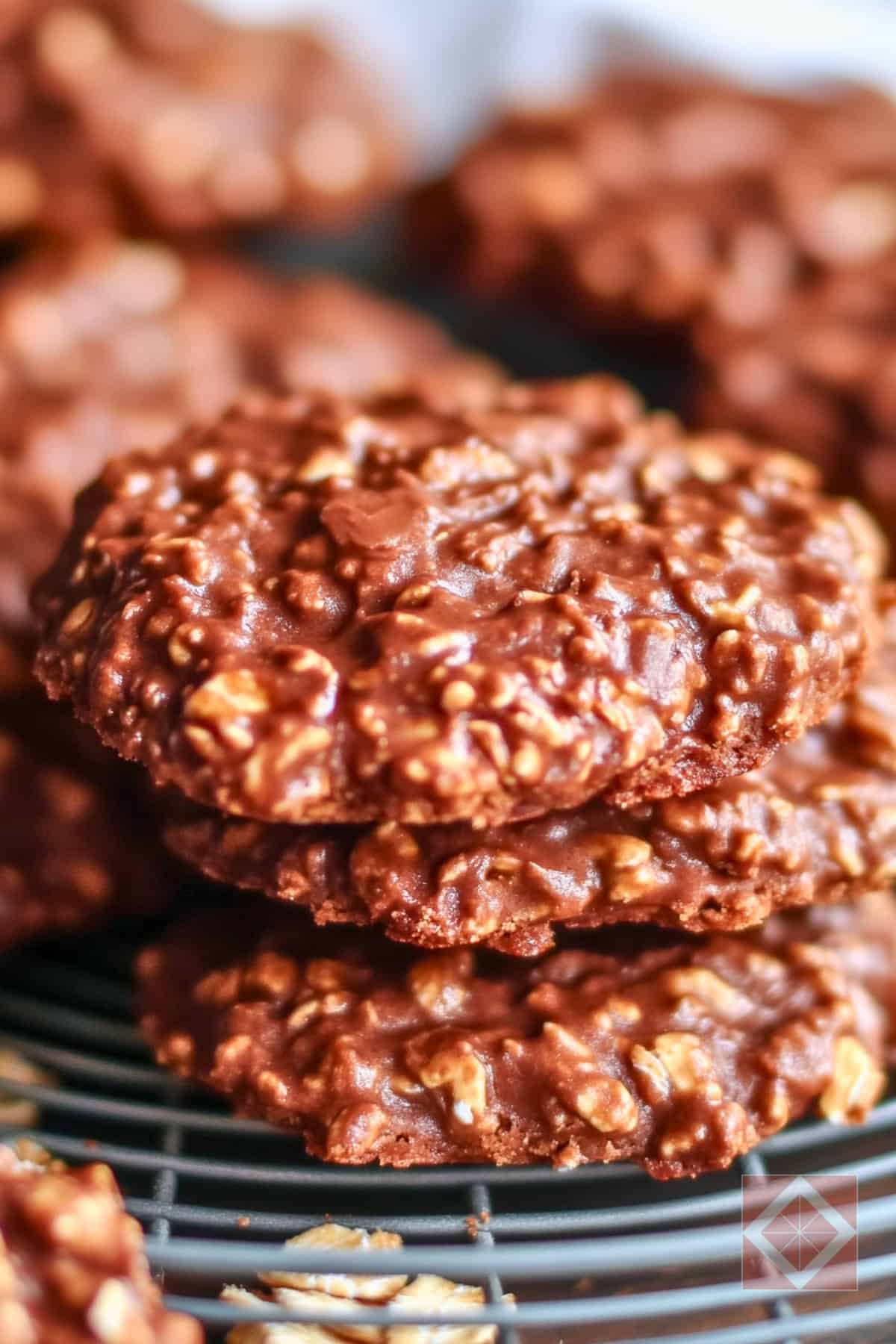
During the 1950s, many homes lacked the modern kitchen conveniences of today. Ovens were not as efficient, and busy households often looked for ways to create desserts without excessive preparation.
Boiled cookies offered an ideal solution. Made entirely on the stovetop, they eliminated the need for baking while still delivering a chewy, candy-like texture.
Another reason for their popularity was the accessibility of ingredients. Sugar, oats, peanut butter, and cocoa powder were common pantry staples, making this a budget-friendly recipe.
These cookies quickly became favorites among children and adults alike. They offered a satisfying blend of chocolate and peanut butter flavors in every bite.
The Secret to the Perfect Texture
Unlike traditional baked goods, the texture of boiled cookies depends entirely on the boiling process. The mixture must reach the right consistency before removing it from the heat.
Boiling for too long can result in dry, crumbly cookies while undercooking may leave them too soft and sticky.
The key is to bring the mixture to a boil and let it cook just long enough to allow the sugar to dissolve fully, ensuring the perfect balance of chewiness and firmness.
Quick-cooking oats are essential in this recipe, as they absorb moisture faster than old-fashioned rolled oats. This helps the cookies set properly and achieve the classic texture that has made them a beloved treat for generations.
A Recipe That Stands the Test of Time
Old recipes like this one have remained popular for decades because they are reliable, simple, and delicious.
Many families continue to pass down the tradition of making boiled cookies, teaching younger generations how to create something sweet with minimal effort.
The nostalgia associated with these treats makes them a cherished part of family gatherings, holiday traditions, and everyday indulgences.
While the classic version remains a favorite, modern variations have emerged to suit different tastes and dietary preferences. Some swap out peanut butter for almond or sunflower seed butter, making the recipe suitable for those with nut allergies.
Others experiment with different sweeteners, such as honey or maple syrup, to create a more natural alternative.
Creative Twists on a Classic Recipe
Though the original 1950s version of boiled cookies remains timeless, there are many ways to personalize the recipe. Adding mix-ins such as shredded coconut, chopped nuts, or dried fruit can elevate the flavor and texture.
A sprinkle of sea salt on top enhances the sweetness and adds a sophisticated touch.
For a richer chocolate flavor, using dark cocoa powder or adding chocolate chips to the mixture can create a more indulgent treat. Some even drizzle melted chocolate over the cooled cookies for an extra layer of decadence.
Why These Cookies Are Still Popular Today
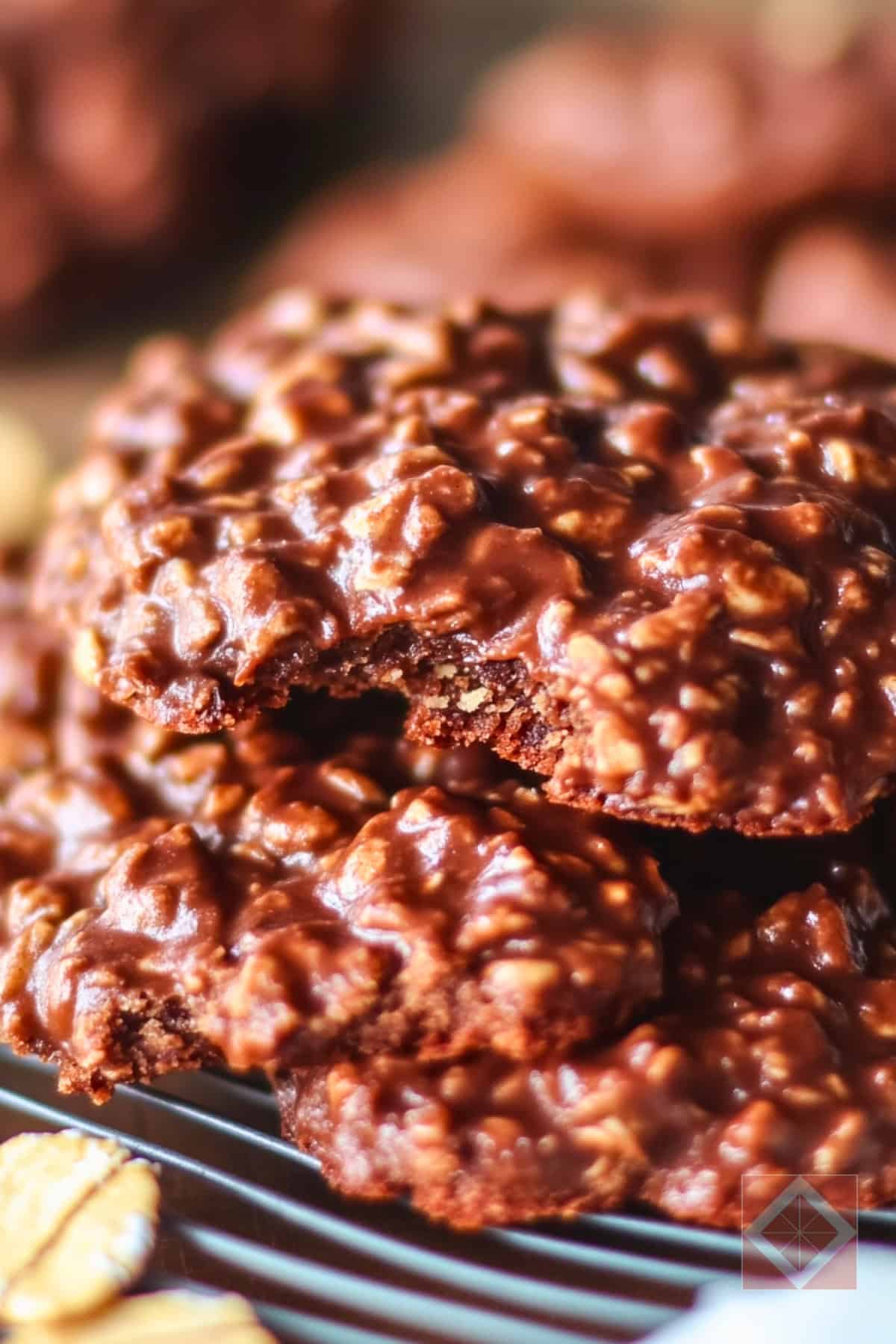
Boiled cookies continue to hold their place in kitchens across the country, proving that the best recipes never go out of style.
Their simplicity, quick preparation, and nostalgic charm make them a favorite among busy families, home bakers, and anyone craving a homemade sweet treat without the hassle of baking.
As more people look back at old recipes for inspiration, these cookies remain a shining example of how a few basic ingredients can come together to create something truly special.
Old-Fashioned 1950s Boiled Cookies
Ingredients
- 2 cups granulated sugar
- ½ cup whole milk
- ½ cup butter softened
- 3 tablespoons cocoa powder
- 3 cups quick-cooking oats
- 1 cup peanut butter
- 1 teaspoon vanilla extract
Instructions
- Boil the Base: In a large saucepan, combine sugar, milk, butter, and cocoa powder. Stir well and heat over medium-high until the mixture reaches a full boil. Allow it to bubble for 1 minute, stirring occasionally to prevent scorching.
- Mix in Dry Ingredients: Remove the saucepan from heat and immediately add the oats, peanut butter, and vanilla extract. Stir briskly until all ingredients are well incorporated, creating a thick, even mixture.
- Form the Cookies: Using a tablespoon or a cookie scoop, drop small portions of the mixture onto wax paper. Ensure they are evenly spaced and allow them to cool at room temperature for at least 30 minutes. The cookies will firm up as they set.
- Store & Enjoy: Once completely cooled, transfer cookies to an airtight container for storage. These treats keep well at room temperature for several days.
Notes
- This recipe works best with quick-cooking oats, as they soften quickly and create the right texture. Avoid using rolled or old-fashioned oats, which won’t yield the same results.
- For an even richer flavor, try adding a pinch of salt or substituting part of the cocoa powder with Dutch-processed cocoa.

Davin is a jack-of-all-trades but has professional training and experience in various home and garden subjects. He leans on other experts when needed and edits and fact-checks all articles. Also an aspiring cook we he researches and tries all kinds of different food recipes and shares what works best.