
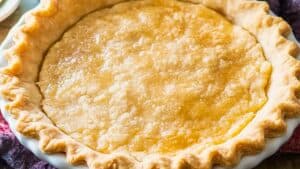
Pie crust has been a cornerstone of baking for centuries, providing the foundation for countless sweet and savory dishes. The earliest known versions of pie date back to ancient Egypt, where pastry-like crusts encased meats and fruits.
However, the modern, flaky pie crust most commonly used today originated in Europe during the Middle Ages.
These old recipes evolved over time, with the influence of butter and shortening transforming them into the delicate, crisp pastries enjoyed today.
The Evolution of Pie Crust Through History
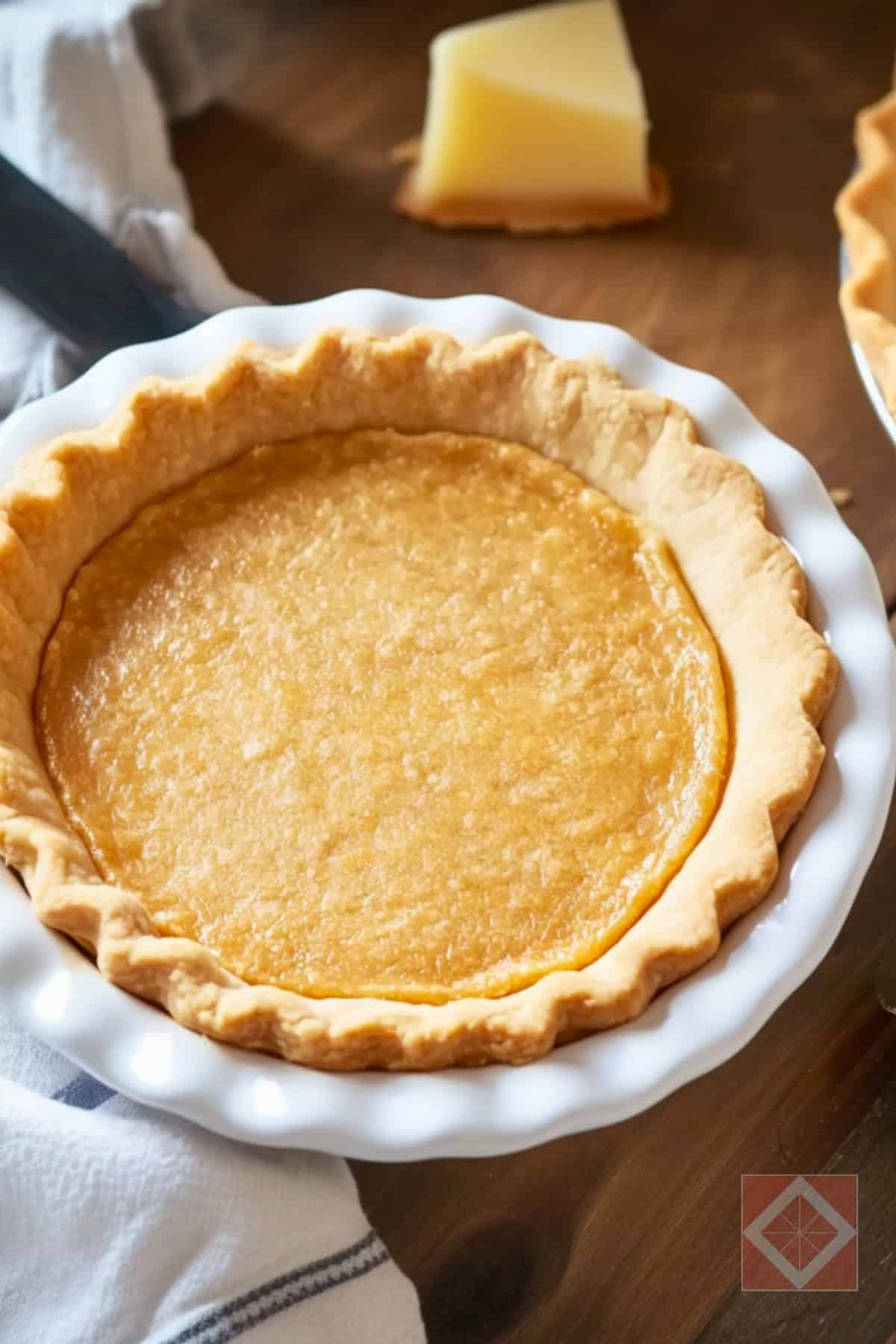
Pie crusts have undergone numerous changes, shaped by available ingredients and cultural preferences. In medieval Europe, crusts—often called “coffyns”—were primarily used as a cooking vessel rather than an edible component.
These sturdy, thick pastes protected meats and fillings during long baking times. With the refinement of flour milling techniques and the increased availability of butter and lard, pie crusts became more delicate, leading to the flaky, golden-brown pastries recognized today.
The Key to a Perfectly Flaky Pie Crust
Achieving the ideal pie crust requires precision, patience, and a few essential techniques. The texture of the final product largely depends on how the fat is incorporated into the flour.
Traditional methods use a pastry cutter or knives to blend cold butter or shortening into the flour until the mixture resembles coarse crumbs. This process ensures that small pockets of fat remain intact, which melt during baking to create flaky layers.
The temperature of the ingredients is another crucial factor. Ice-cold water prevents the fat from melting too soon, maintaining the integrity of the dough. Overworking the mixture can lead to a tough crust, as excessive handling develops the gluten in the flour.
Resting and chilling the dough before rolling it out helps maintain its structure, preventing shrinkage during baking.
Rolling & Shaping for the Best Results
Once the dough has been properly chilled, rolling it out evenly is key to a well-structured pie crust. A lightly floured surface prevents sticking, while a gentle rolling motion ensures the dough spreads out without breaking.
To transfer the dough to the pie pan, many bakers fold it in half over the rolling pin before carefully unrolling it into place.
For single-crust pies, trimming and crimping the edges not only enhance the appearance but also help seal the filling inside. Double-crust pies require extra attention, ensuring the top layer is properly vented to allow steam to escape while baking.
Whether using a simple fork crimp, a decorative fluted edge, or a lattice design, the final touch contributes to both visual appeal and structural integrity.
Common Mistakes & How to Avoid Them
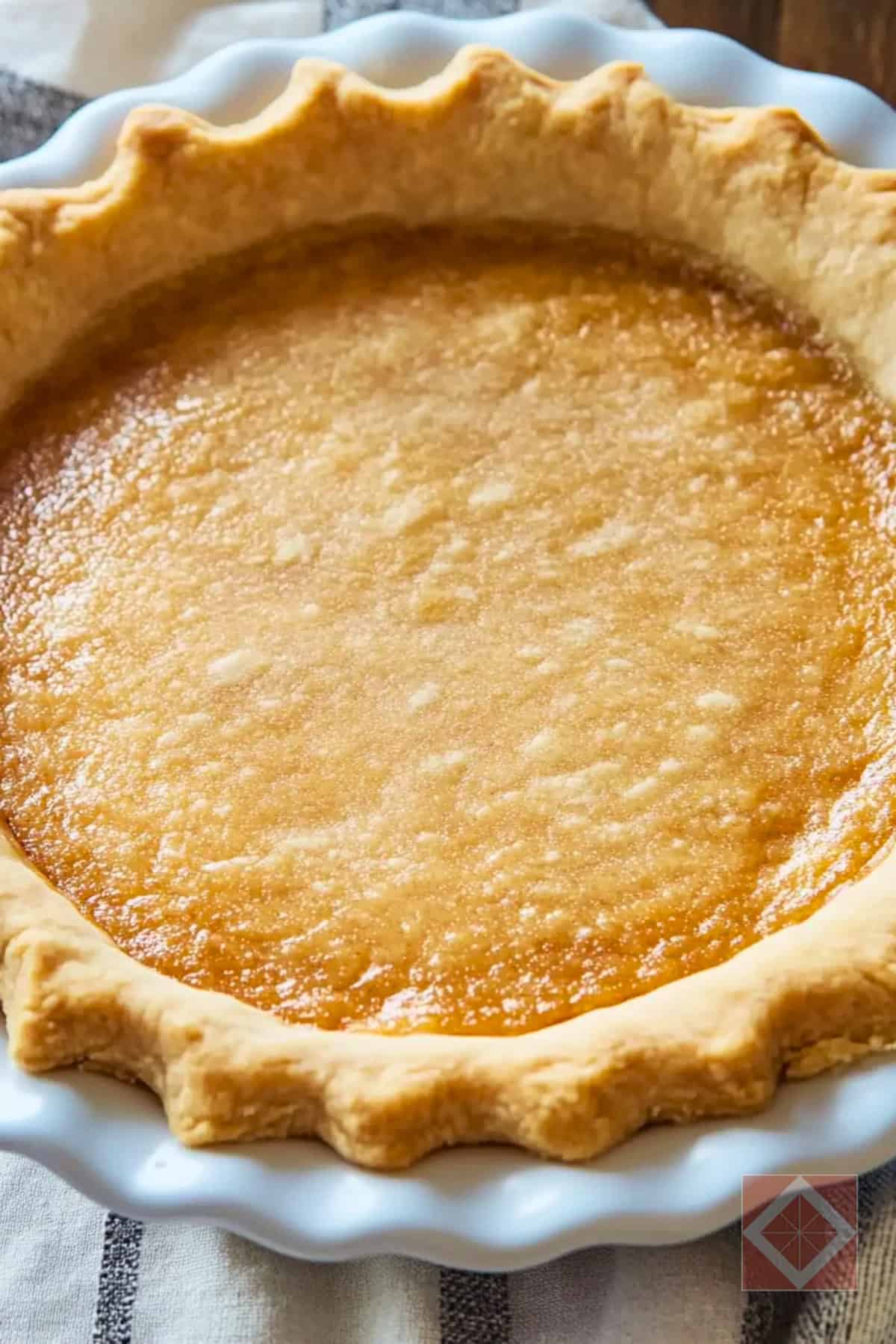
Even experienced bakers encounter challenges when making pie crusts. One of the most frequent issues is a tough crust, often caused by overmixing or adding too much water. Using just enough liquid to bring the dough together prevents excess gluten formation.
Another common problem is shrinkage, which occurs when the dough is not adequately chilled before baking. Allowing the dough to rest in the refrigerator for at least 30 minutes helps it relax, minimizing shrinking in the oven.
If a soggy bottom crust is a concern, blind baking—pre-baking the crust before adding the filling—provides a crispier texture, especially for custard or fruit pies.
Substitutions & Variations
Pie crust recipes can be adapted to accommodate dietary preferences and ingredient availability. For a dairy-free version, butter can be replaced with plant-based alternatives or solid coconut oil.
Those following a gluten-free diet can use a blend of rice flour, almond flour, and xanthan gum to replicate the traditional texture.
Lard or shortening can be used instead of butter for a slightly different flavor and texture. While butter provides a rich taste, shortening offers a more stable structure, making it easier to handle.
Some old recipes incorporate vinegar or an egg to enhance tenderness and create a more pliable dough.
Bringing Tradition to Modern Kitchens
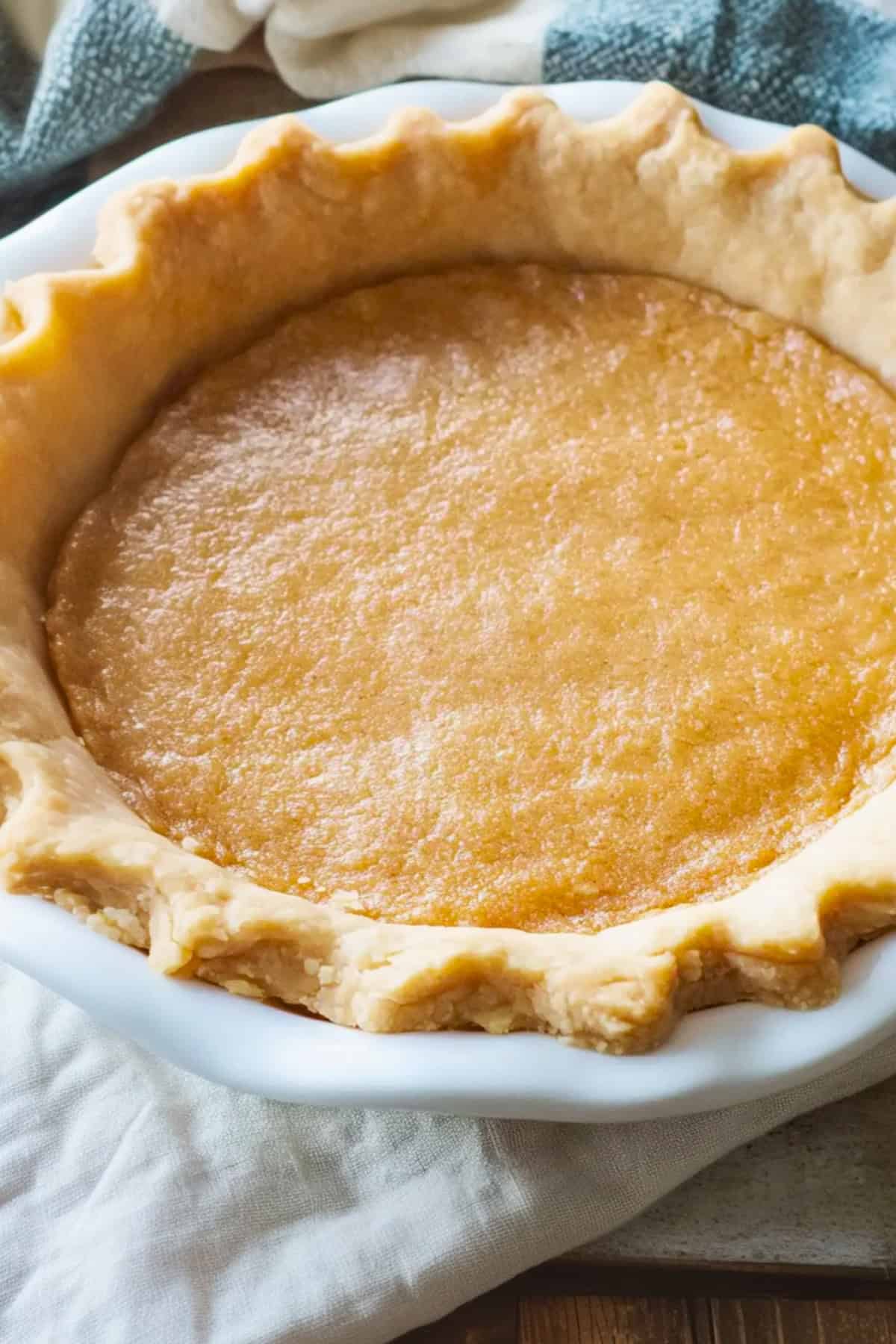
While pie crusts have evolved over time, their role in baking remains unchanged. Passed down through generations, these old recipes continue to bring families together, whether for holiday gatherings, everyday desserts, or nostalgic recreations of childhood favorites.
With the right techniques and a little practice, anyone can master the art of making a perfectly flaky, golden-brown pie crust, honoring centuries of baking traditions in every bite.
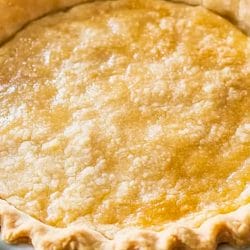
Old-Fashioned Pie Crust Recipe
Equipment
- Large mixing bowl
- Pastry cutter or two knives
- Rolling Pin
- Plastic wrap
- 9-inch pie pan
Ingredients
Single Crust for a 9-Inch Pie:
- 1 1/3 cups all-purpose flour
- Pinch of salt
- 1/2 cup butter or vegetable shortening cold and cubed
- 4 to 6 tablespoons cold water
Double Crust for a 9-Inch Pie:
- 2 1/3 cups all-purpose flour
- 3/4 teaspoon salt
- 1 cup butter or vegetable shortening cold and cubed
- 6 to 8 tablespoons cold water
Instructions
- Prepare the Dough: In a large bowl, whisk together the flour and salt. Use a pastry cutter or two knives to work half of the butter into the flour until the mixture is crumbly. Add the remaining butter and continue until the largest pieces are about the size of small peas.
- Add Water & Form the Dough: Drizzle in cold water, 1 tablespoon at a time, stirring gently with a fork after each addition. Continue until the dough holds together but isn’t sticky. If it crumbles when squeezed, add a bit more water. Shape the dough into a ball and flatten it into a thick disk. For a double crust, divide it in half and shape into two disks. Wrap in plastic wrap and chill for at least 30 minutes.
- Roll Out the Dough: Lightly flour a clean surface and rolling pin. Remove the dough from the fridge and roll it out from the center, turning occasionally to maintain even thickness. The circle should be about 2 inches larger than your pie pan. Dust with flour as needed to prevent sticking.
- Transfer & Shape the Crust: Carefully fold the dough in half over the rolling pin and move it to the pie pan. Unfold and press gently into the bottom and sides of the pan. Trim any overhang, leaving about 1 inch beyond the edge.
Crimp & Seal the Edges:
- For a single-crust pie, tuck the overhanging dough under itself along the edge and crimp with your fingers or a fork to seal.
- For a double-crust pie, fill the pie, then roll out and place the second crust on top. Trim, pinch the edges together, and crimp as desired. Cut a few small slits in the top crust for steam to escape.
Baking Notes:
- If pre-baking (blind baking), chill the shaped crust for 10 minutes to prevent shrinking.
- Use pie weights or dried beans to keep the crust from puffing up.
- Bake at 375°F for 15-20 minutes for a partially baked crust or until golden brown for a fully baked crust.
Notes
- Refrigerate Dough: Wrapped tightly, the dough keeps for up to 2 days in the fridge.
- Freeze Dough: Store tightly wrapped dough in the freezer for up to 3 months. Thaw in the fridge before rolling.
- All-Butter Crust: Use only butter for a richer, more flavorful crust.
- Shortening Crust: Use all shortening for extra flakiness.
- Sweet Crust: Add 1 teaspoon of sugar for a slightly sweet pastry.
- Savory Crust: Mix in a pinch of black pepper or dried herbs for a crust suited to quiches and savory pies.
- This old-fashioned pie crust recipe works well for fruit pies, custard pies, pot pies, and quiches.
- If the dough softens too much while rolling, return it to the fridge for a few minutes.
- Rolling between two sheets of parchment paper helps prevent sticking.
Source:

Nancy has been a plant person from an early age. That interest blossomed into a bachelor’s in biology from Elmira College and a master’s degree in horticulture and communications from the University of Kentucky. Nancy worked in plant taxonomy at the University of Florida and the L. H. Bailey Hortorium at Cornell University, and wrote and edited gardening books at Rodale Press in Emmaus, PA. Her interests are plant identification, gardening, hiking, and reading.