

Beekeeping is a rewarding pursuit that connects us with nature in a unique and fascinating way. However, like any skill, it comes with its own set of challenges and potential pitfalls.
Whether you’re a novice beekeeper or have some experience under your belt, learning from common mistakes can save you time, resources, and potentially your entire colony.
This list of 30 common beekeeping mistakes has been compiled from the experiences of countless beekeepers who have graciously shared their lessons learned. By understanding these potential issues, you can approach your beekeeping journey with more confidence and preparedness.
1. Hive Invasion: Opening Too Often
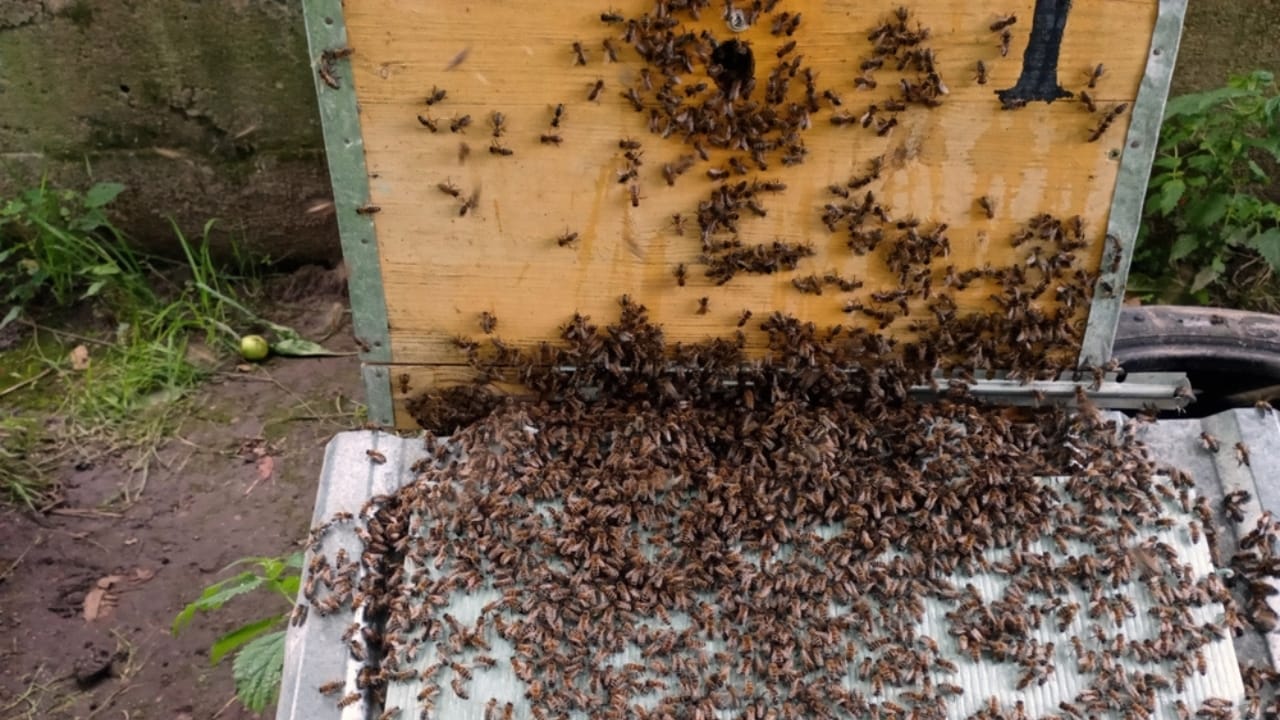
Resist the urge to peek inside your hive frequently. Bees prefer minimal disturbance, and excessive inspections can stress the colony. Limit checks to every 7-10 days to maintain a healthy balance.
2. Hunger Games: Neglecting to Feed
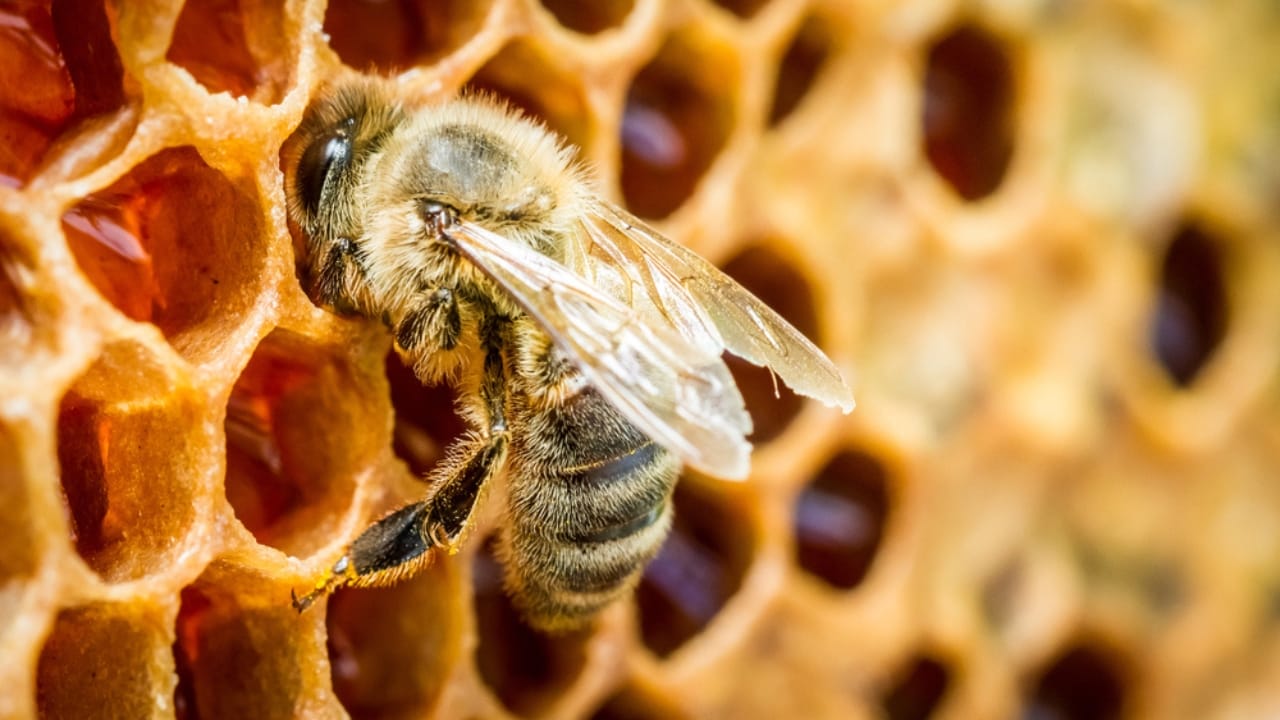
Failing to provide adequate nutrition during times of scarcity can lead to colony starvation. Monitor food stores regularly and supplement with sugar syrup when necessary, especially for new colonies.
3. Honey Heist: Overharvesting
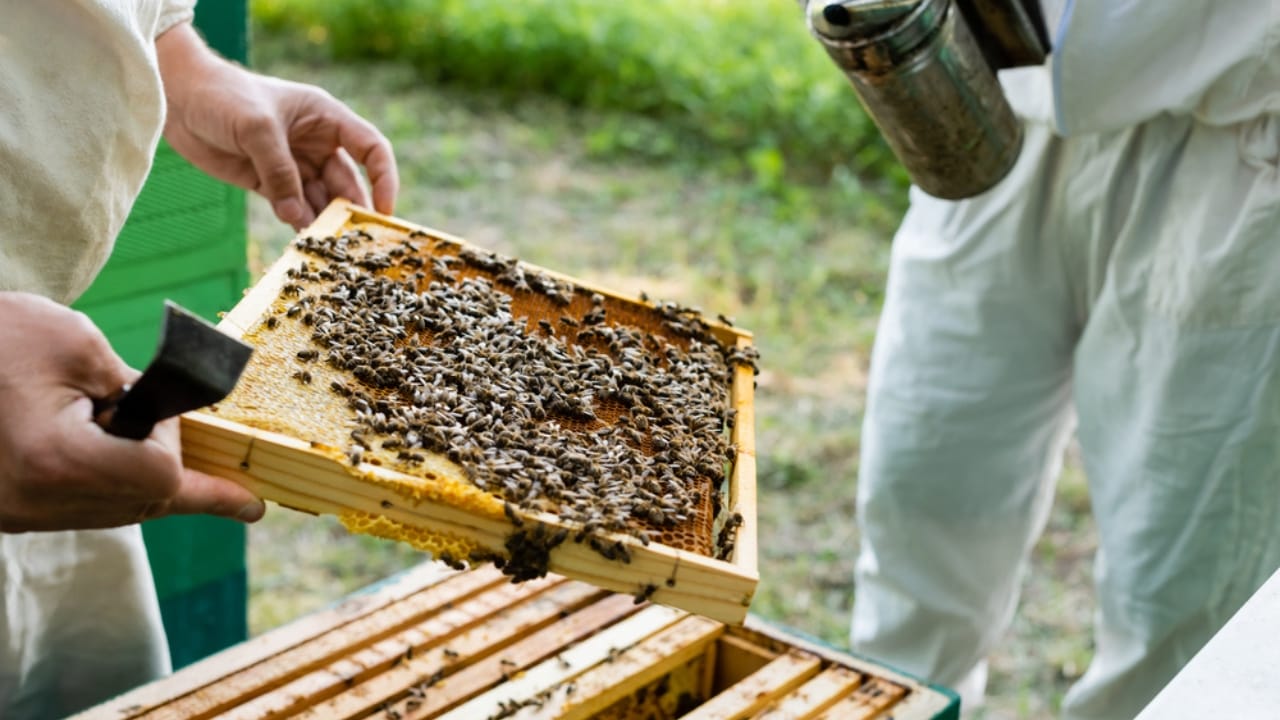
Greed can be your downfall. Taking too much honey, particularly in the first year, can leave bees without sufficient winter stores. Always ensure your bees have enough to survive before considering a harvest.
4. Queen of Denial: Missing Queenlessness Signs
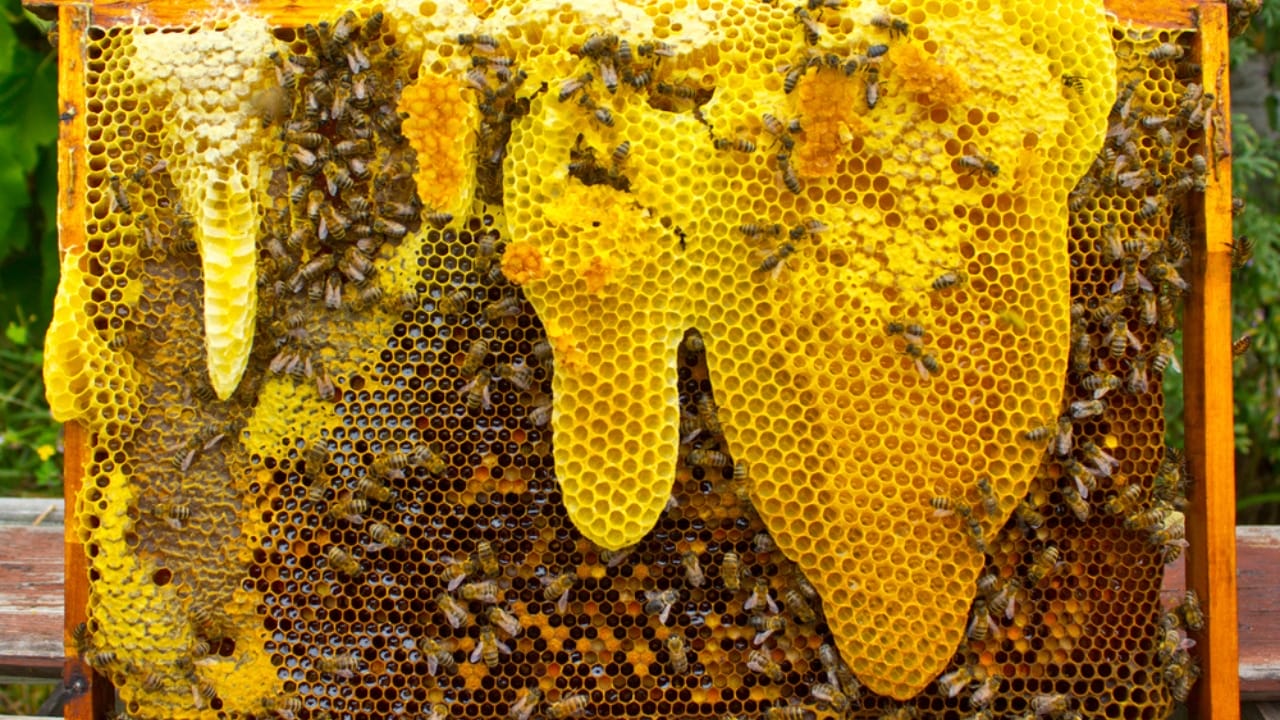
A queenless hive spells disaster. Learn to recognize signs like lack of eggs and larvae. Regular inspections can help catch this issue early and save your colony.
5. Smoke Signals: Skipping the Smoker
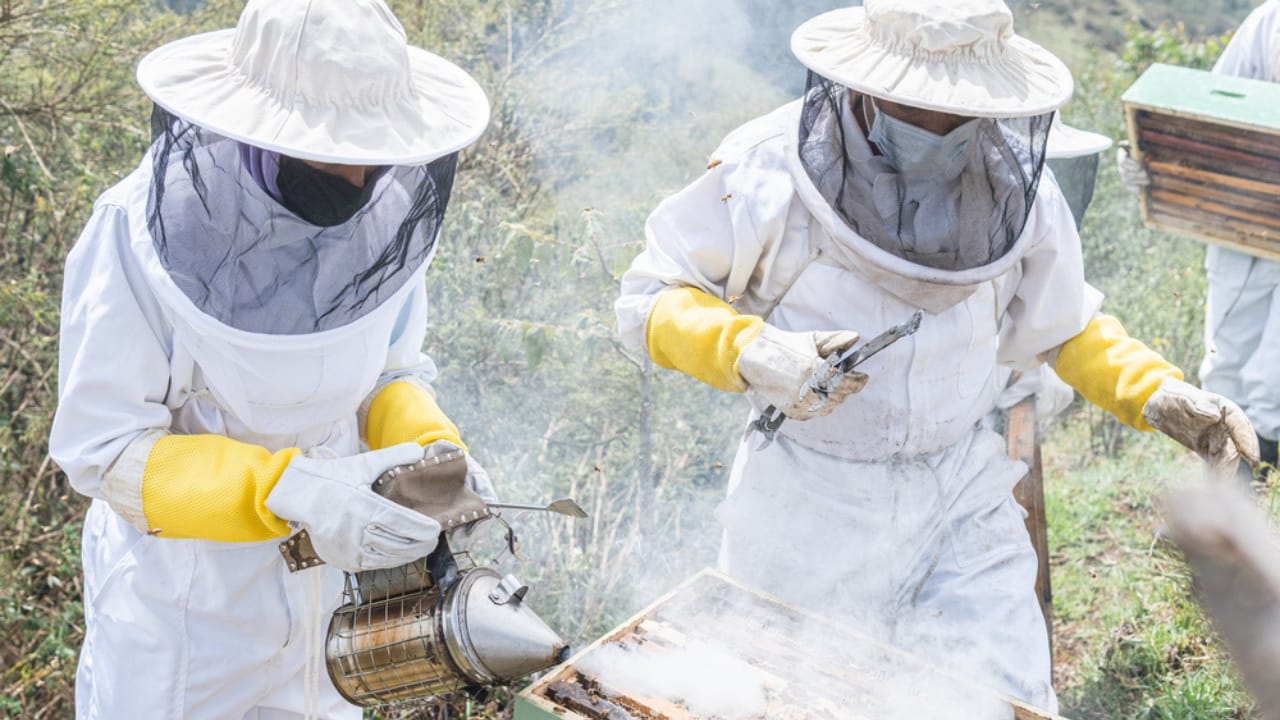
Approaching a hive without a smoker is asking for trouble. Smoke calms bees and masks alarm pheromones, making inspections safer and less stressful for both you and the bees.
6. Space Invaders: Improper Frame Placement
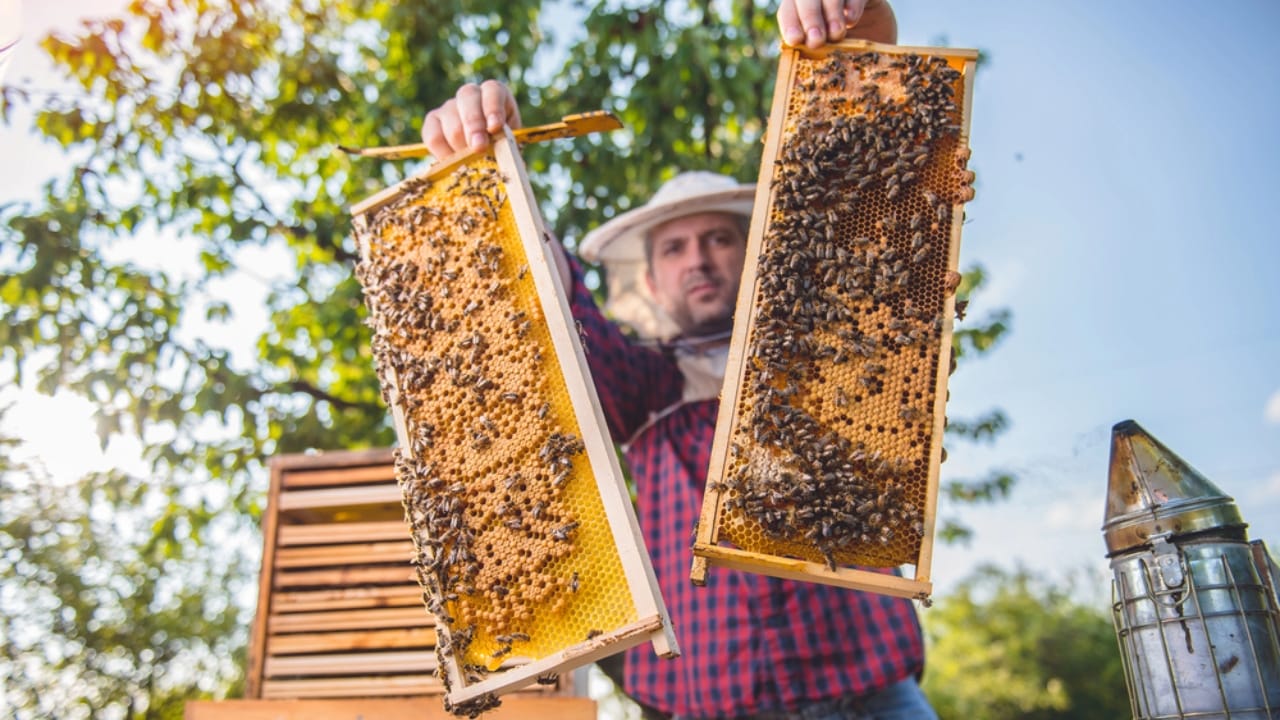
Leaving gaps or using too few frames can lead to bees building rogue combs. Ensure proper spacing to maintain an orderly hive structure.
7. Inspection Neglect: Skipping Regular Checks
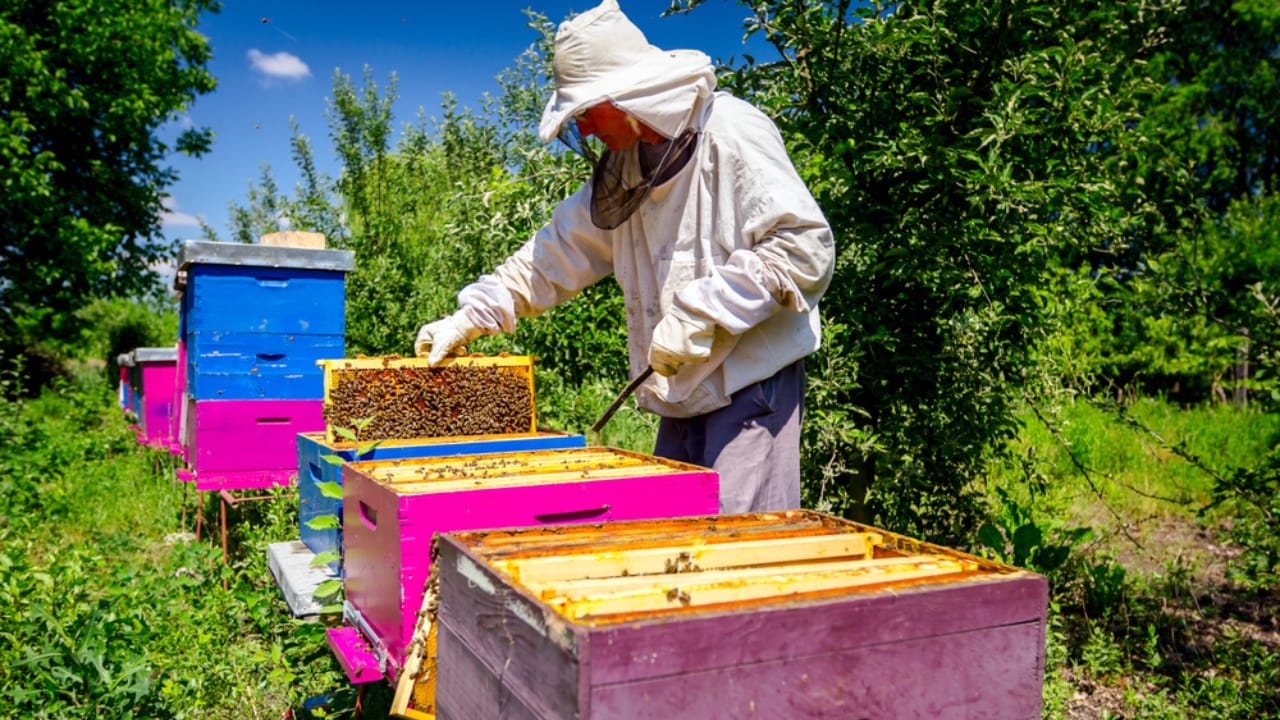
Out of sight shouldn’t mean out of mind. Regular hive inspections are crucial for catching issues early and maintaining colony health.
8. Feeding Frenzy: Overfeeding New Colonies
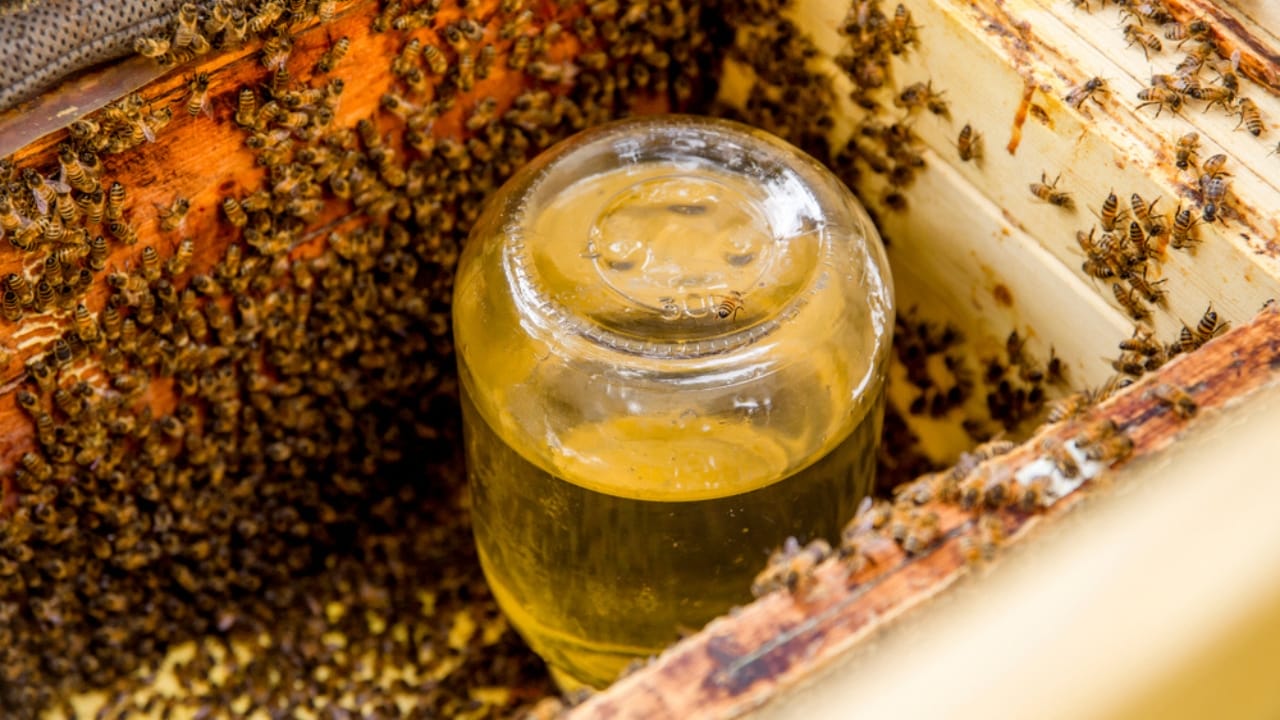
While feeding is important, overfeeding can cause bees to store syrup instead of allowing space for brood. Feed “little and often” to strike the right balance.
9. Entrance Exam: Judging by Traffic Alone
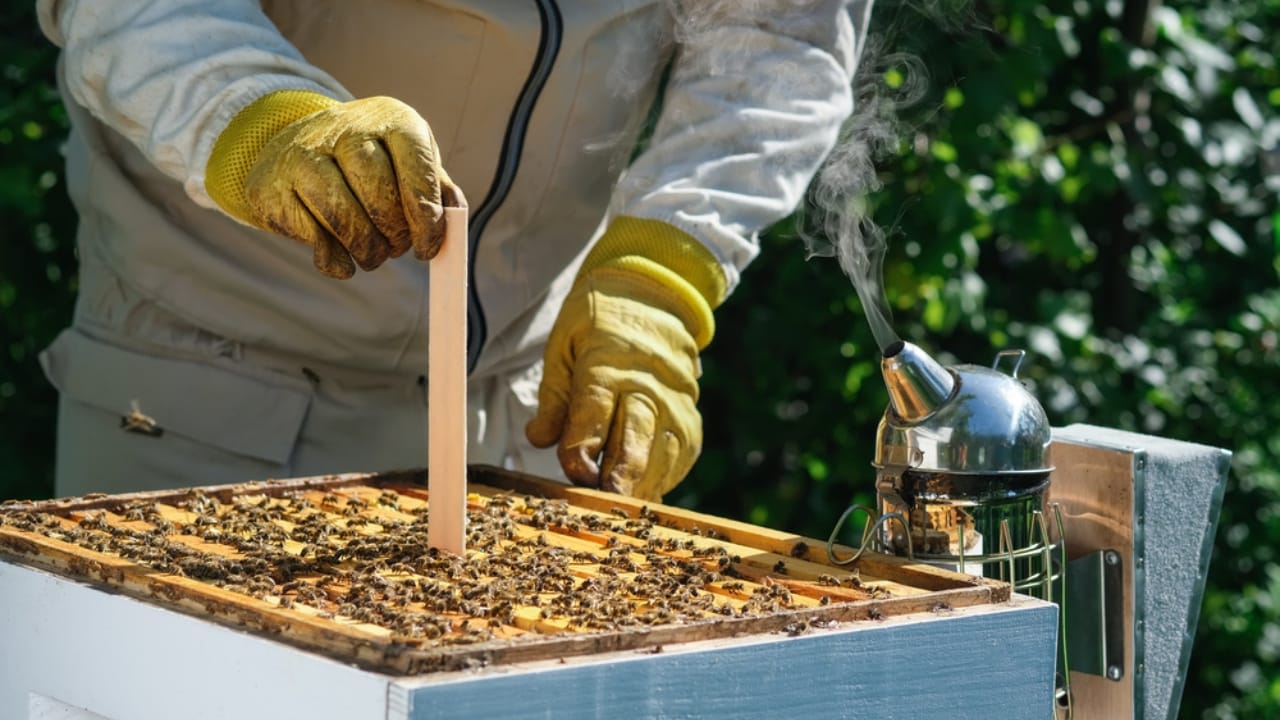
Busy bees at the entrance don’t always indicate a healthy hive. Internal inspections are necessary to truly assess colony health.
10. Beespace Blunder: Ignoring Proper Spacing
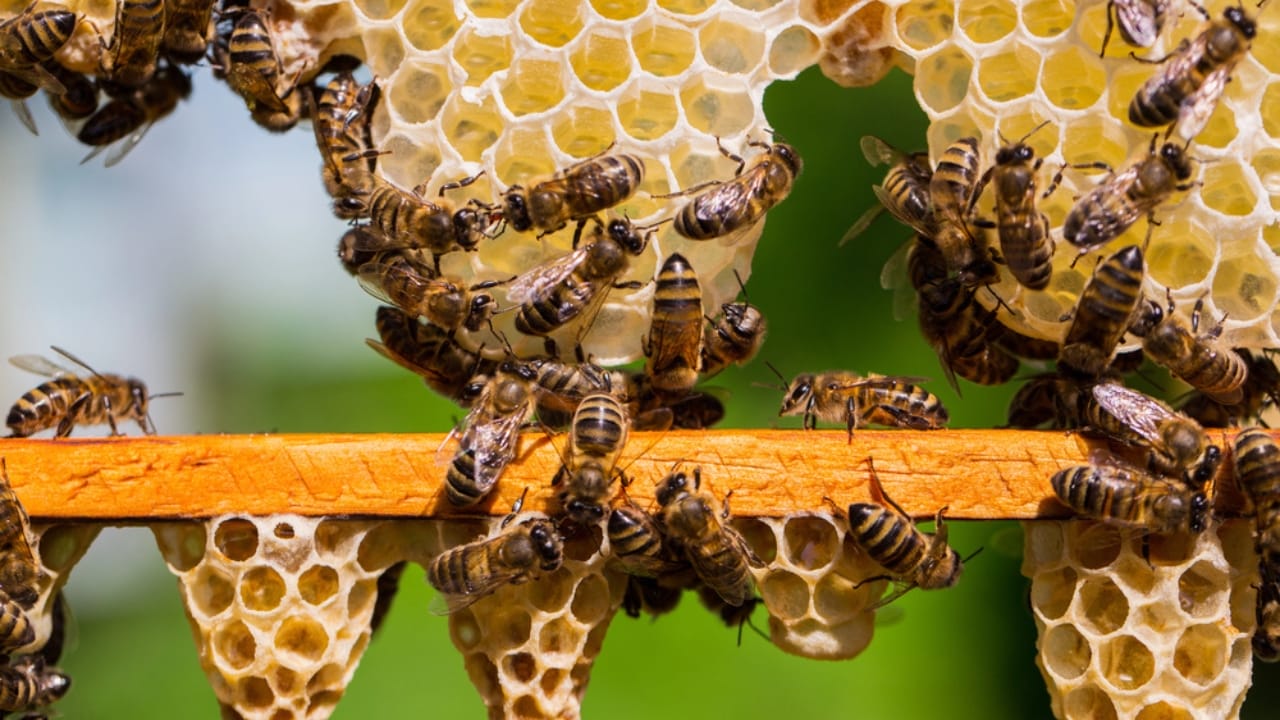
Failing to maintain proper beespace can lead to messy, hard-to-manage hives. Adhere to the 6-9mm rule to keep your hive orderly.
11. Unprepared Inspections: Opening without a Plan
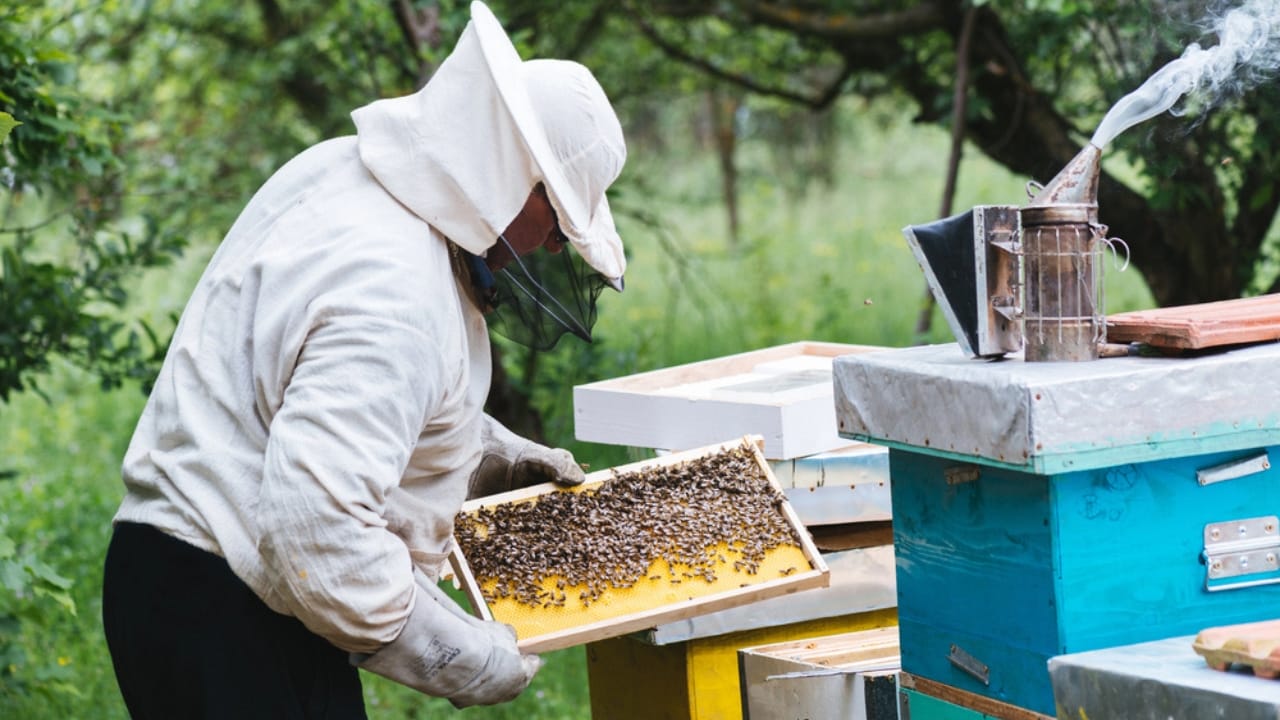
Aimless hive openings can unnecessarily disrupt the colony. To minimize stress on the bees, always have a clear objective for each inspection.
12. Seasonal Struggle: Mismanaging Feeding Times
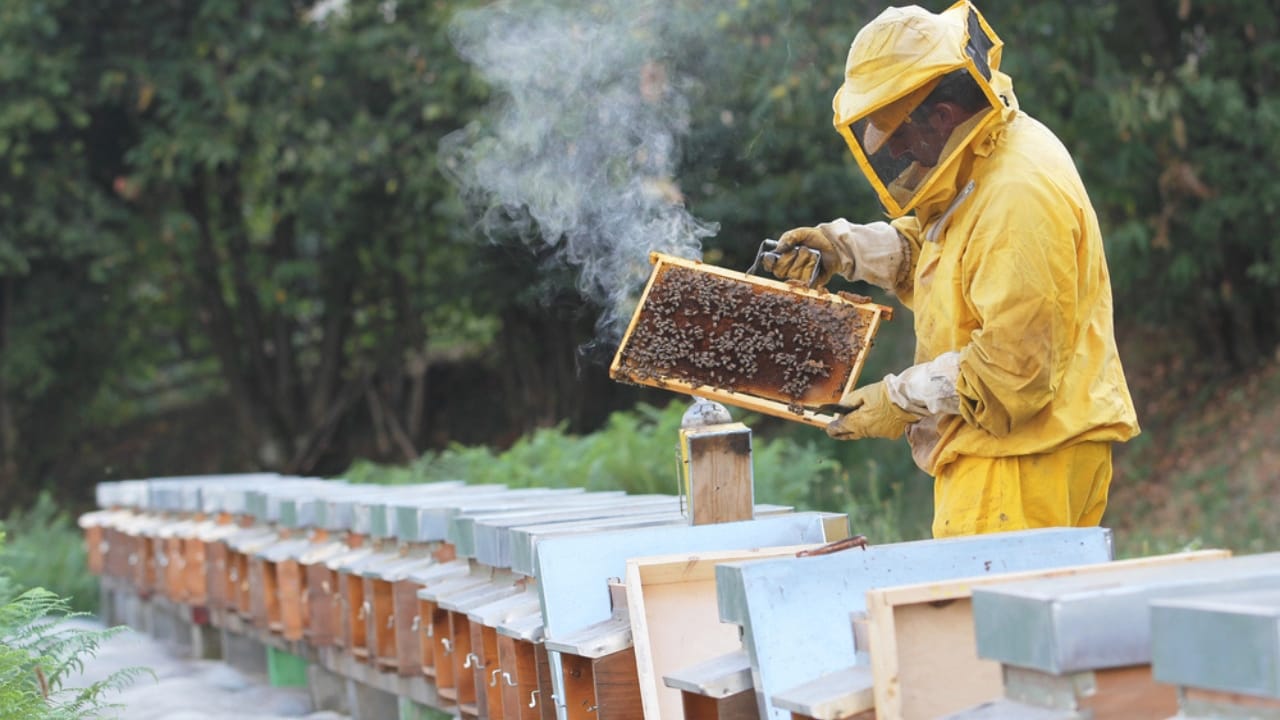
Recognizing when bees need supplemental feeding is crucial. Be aware of seasonal changes and dearth periods to keep your colony well-nourished.
13. Queen Performance: Overlooking Replacement Needs
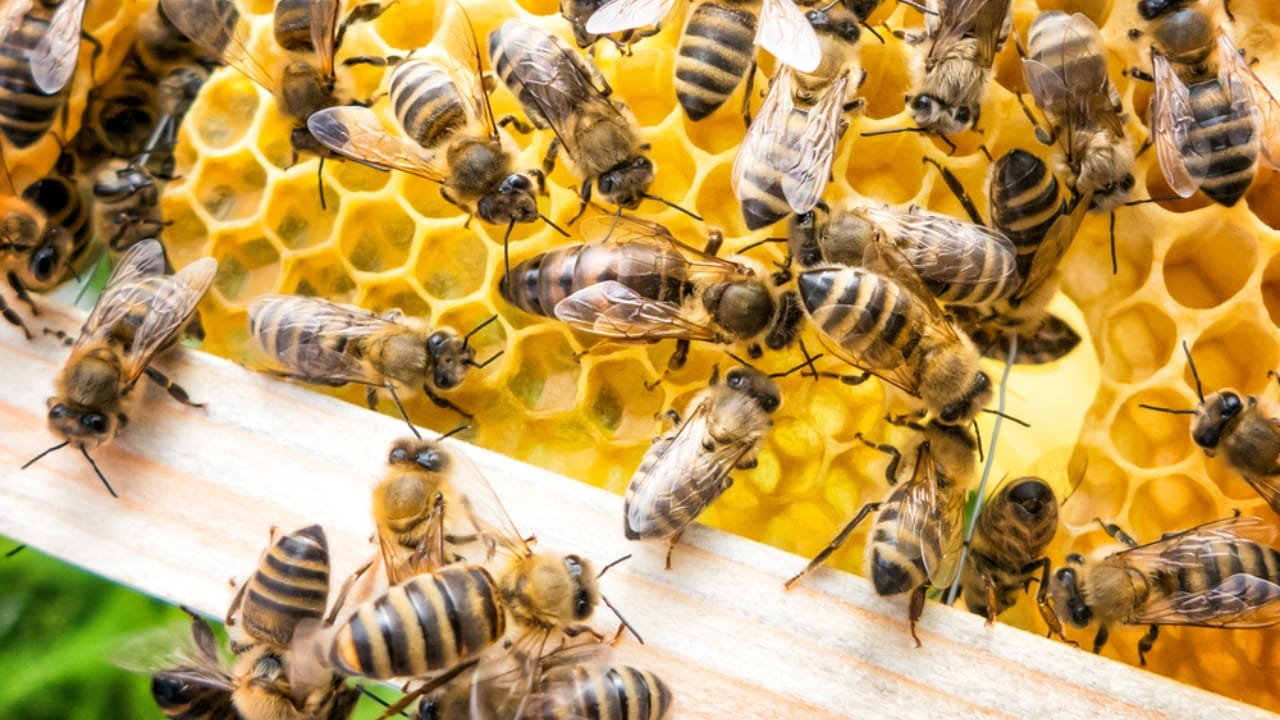
Failing to recognize when a queen needs replacing can lead to declining colony strength. Regular brood pattern checks can help identify this issue. (ref)
14. Hive Location Mishap: Poor Placement

Choosing the wrong spot for your hive can impact bee health and productivity. Consider factors like sunlight, wind protection, and water sources when selecting a location.
15. Equipment Errors: Using Improper Gear
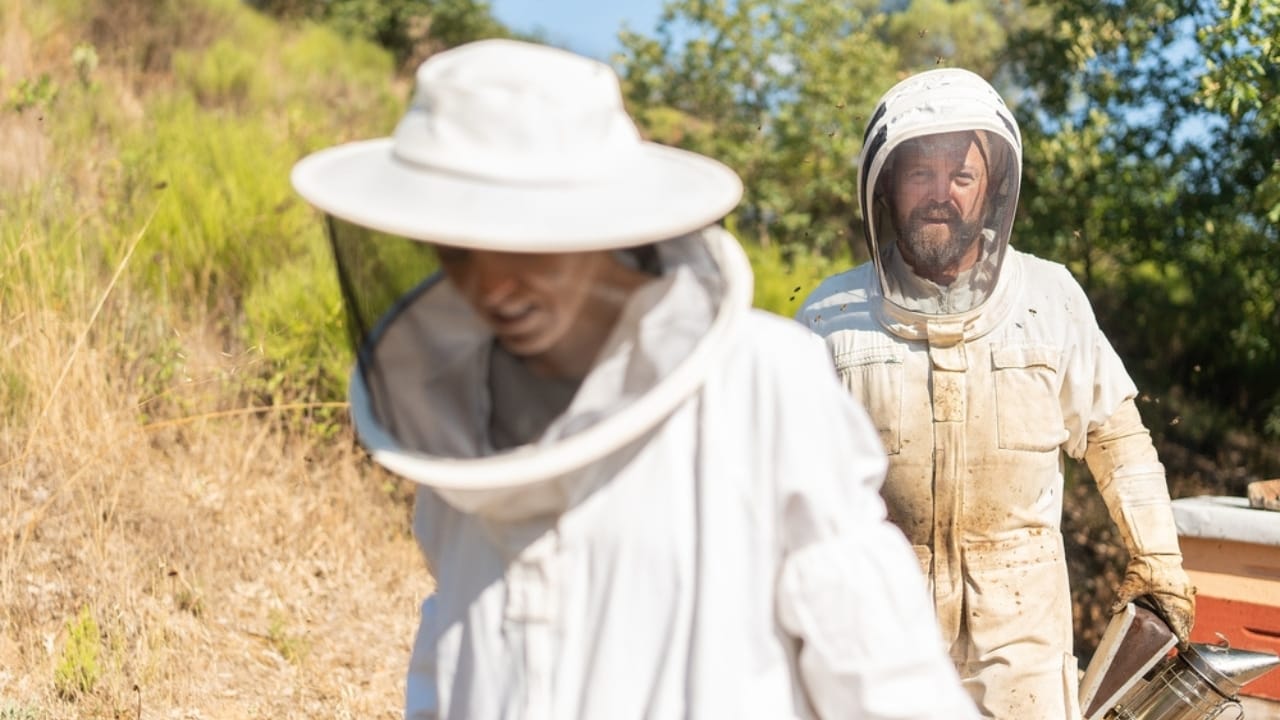
Ill-fitting or poor-quality equipment can make beekeeping more challenging and potentially harm your bees. Invest in proper, well-maintained gear.
16. Pest Ignorance: Overlooking Mite Infestations
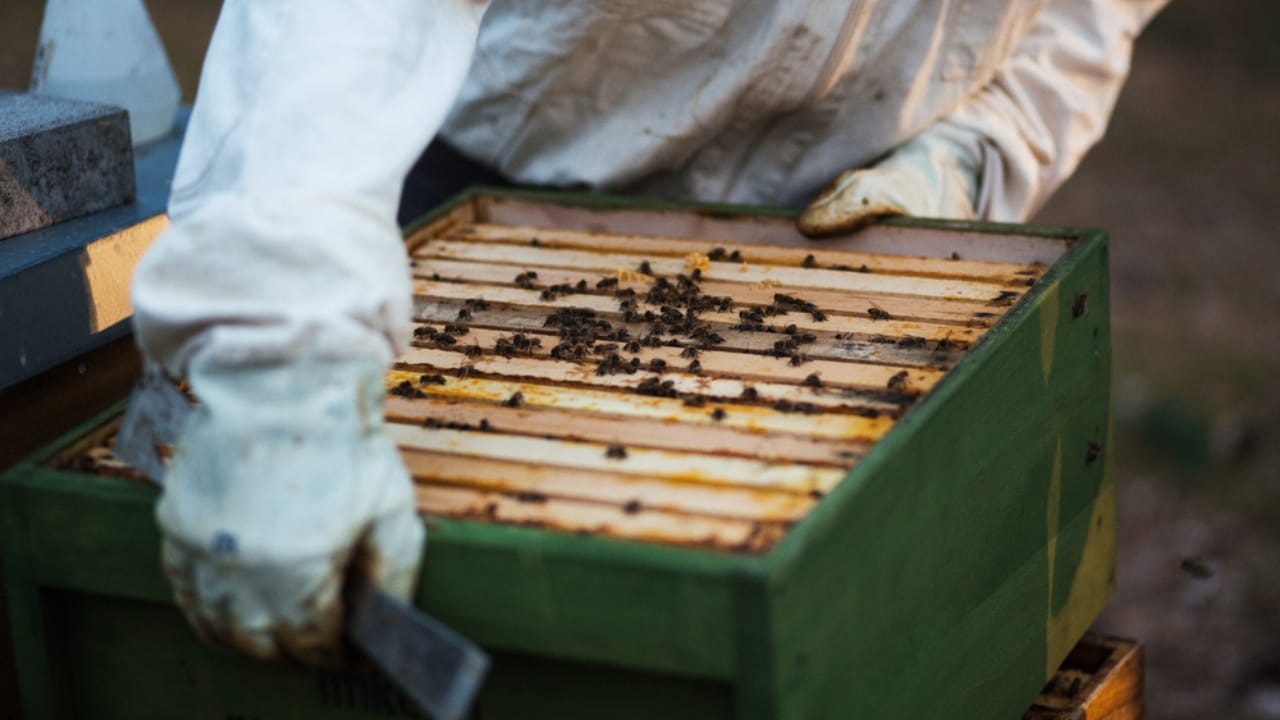
Varroa mites (ref) can decimate a colony if left unchecked. Regular mite checks and appropriate treatment are essential for hive health.
17. Record Keeping Neglect: Failing to Document
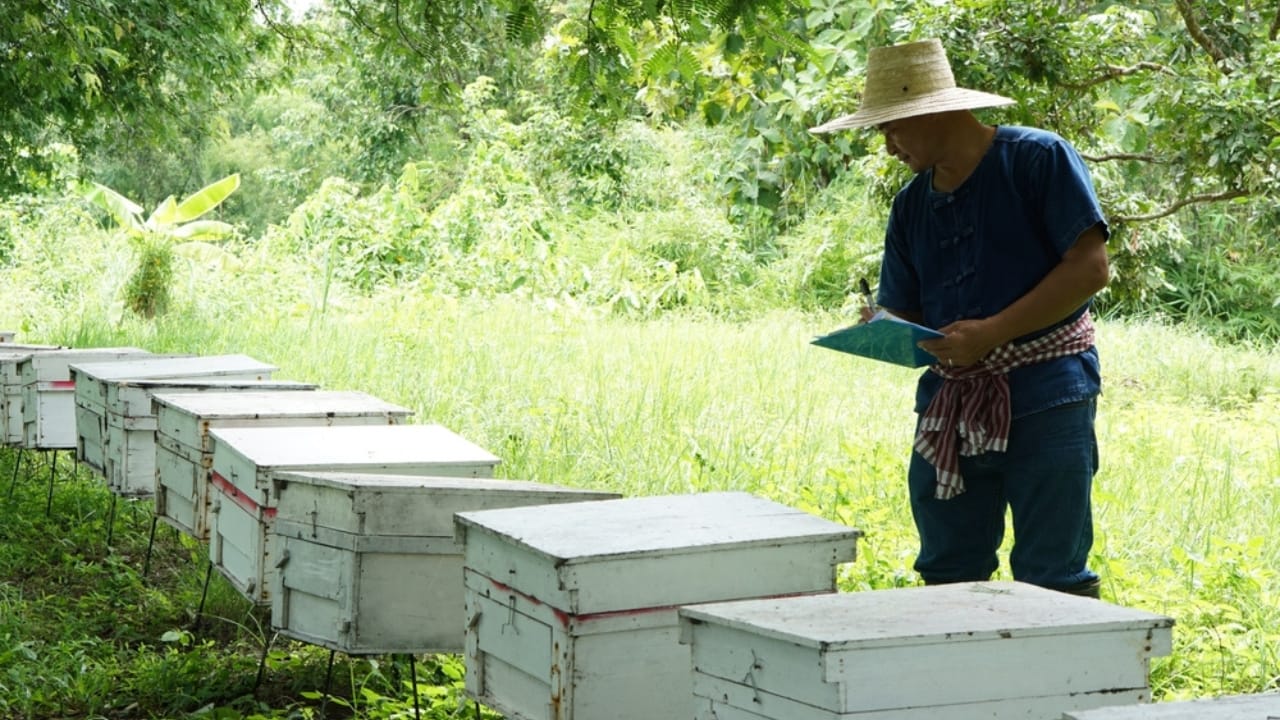
Without proper records, it’s easy to lose track of hive conditions and necessary interventions. Keep a detailed beekeeping journal to track your colony’s progress.
18. Swarm Surprise: Ignoring Swarm Prevention
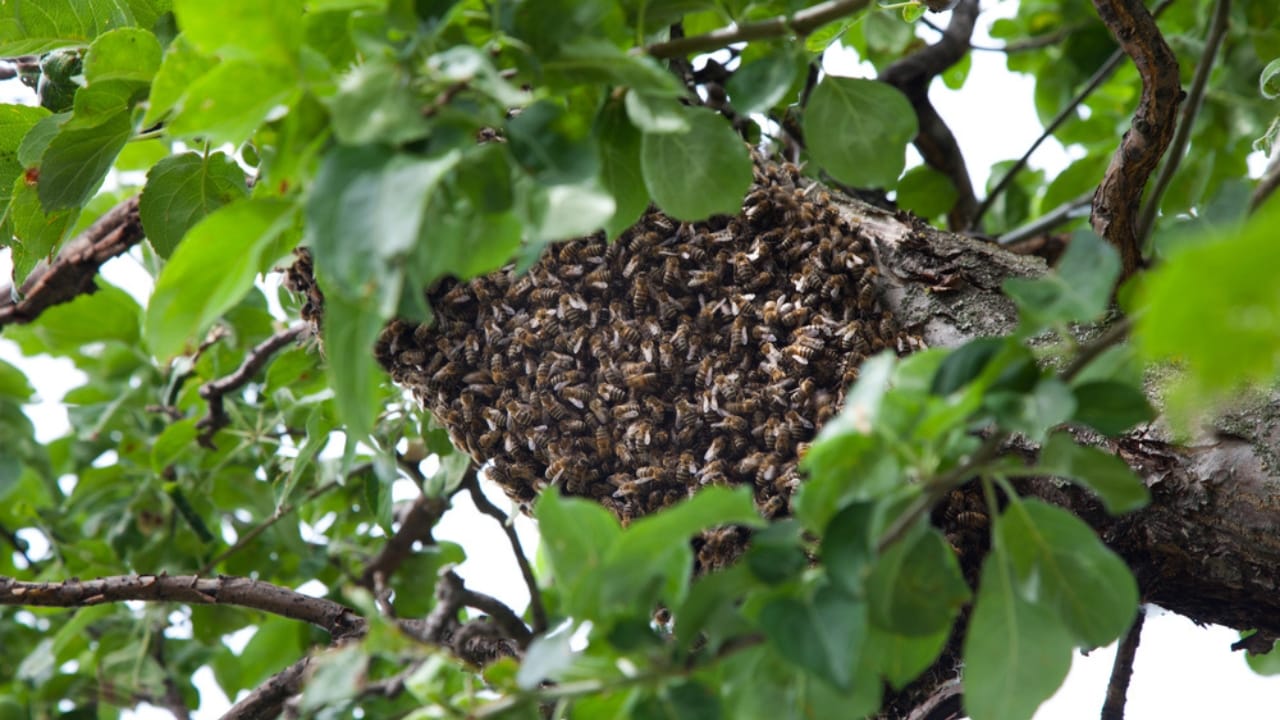
Failing to manage hive space and recognize swarm signs can lead to losing half your colony. Learn swarm prevention techniques to keep your bees at home.
19. Winter Woes: Inadequate Cold Weather Prep
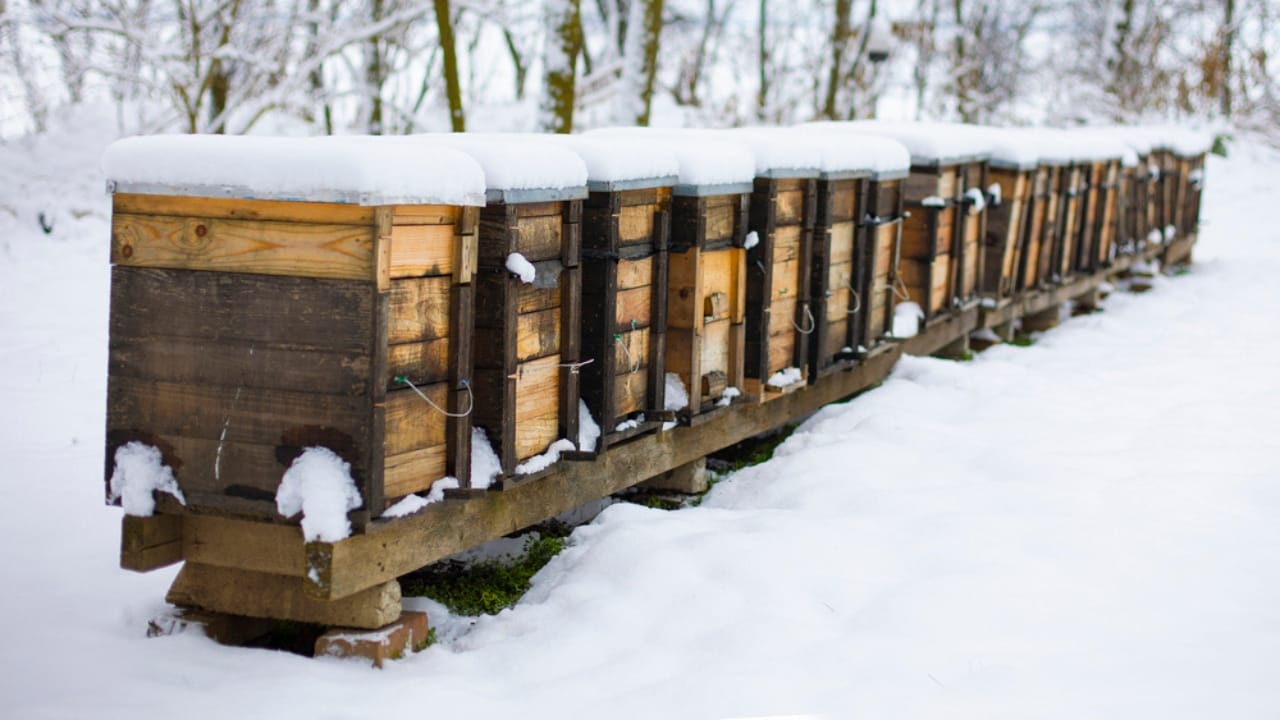
Neglecting proper winterization can lead to colony loss. Ensure adequate food stores, proper ventilation, and insulation before cold weather hits.
20. Hasty Harvesting: Taking Honey Too Soon
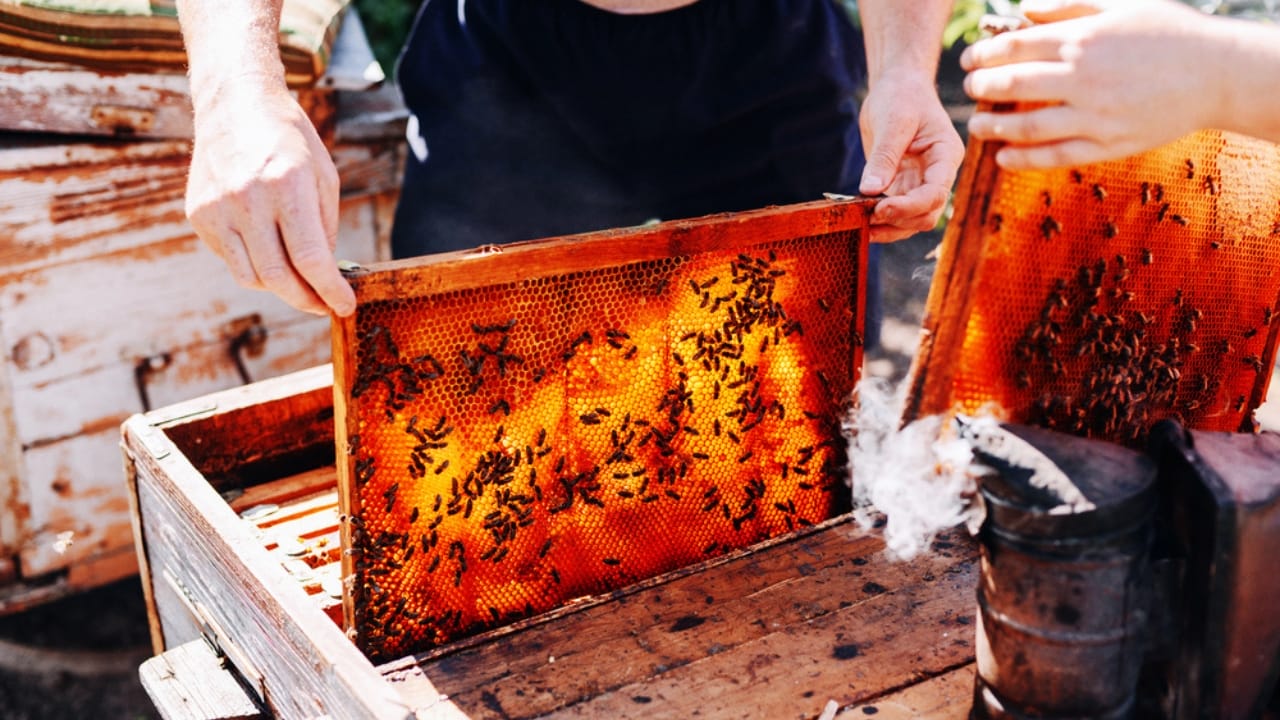
Patience is key in beekeeping. Harvesting honey too early can deprive bees of essential resources. Wait until the honey is fully capped and the colony is well-established.
21. Bee Breed Blunder: Choosing the Wrong Strain
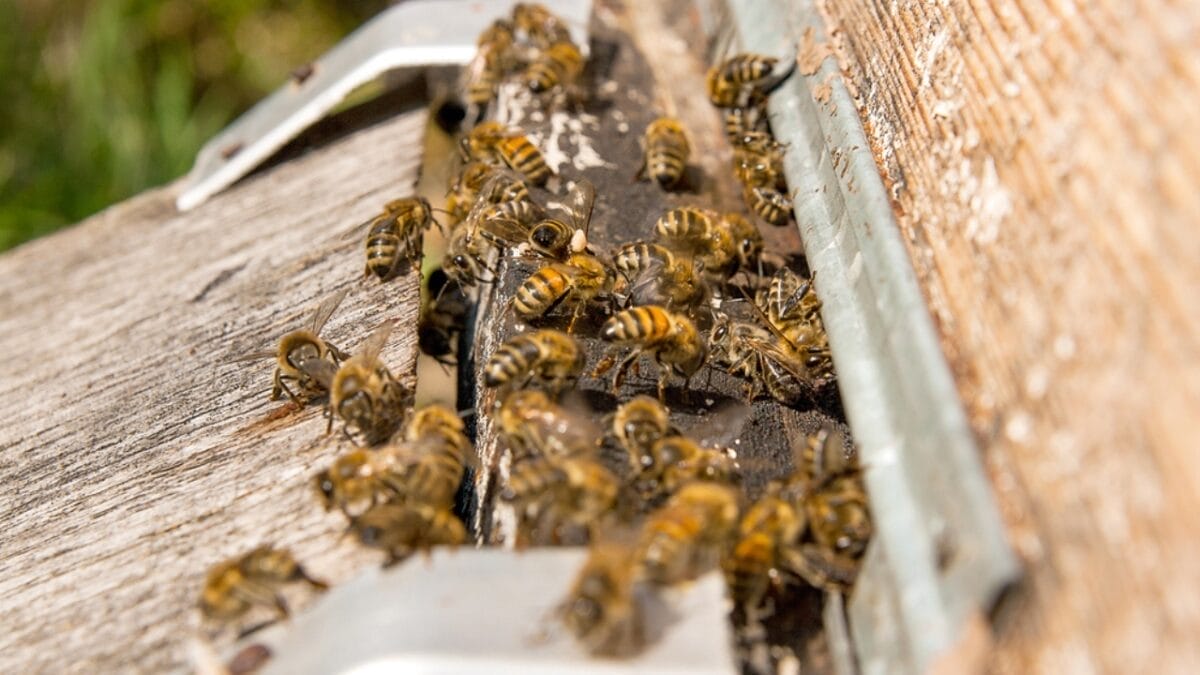
Not all bee strains are created equal. Research different breeds to find one that suits your climate and beekeeping goals.
22. Expansion Explosion: Growing Too Fast
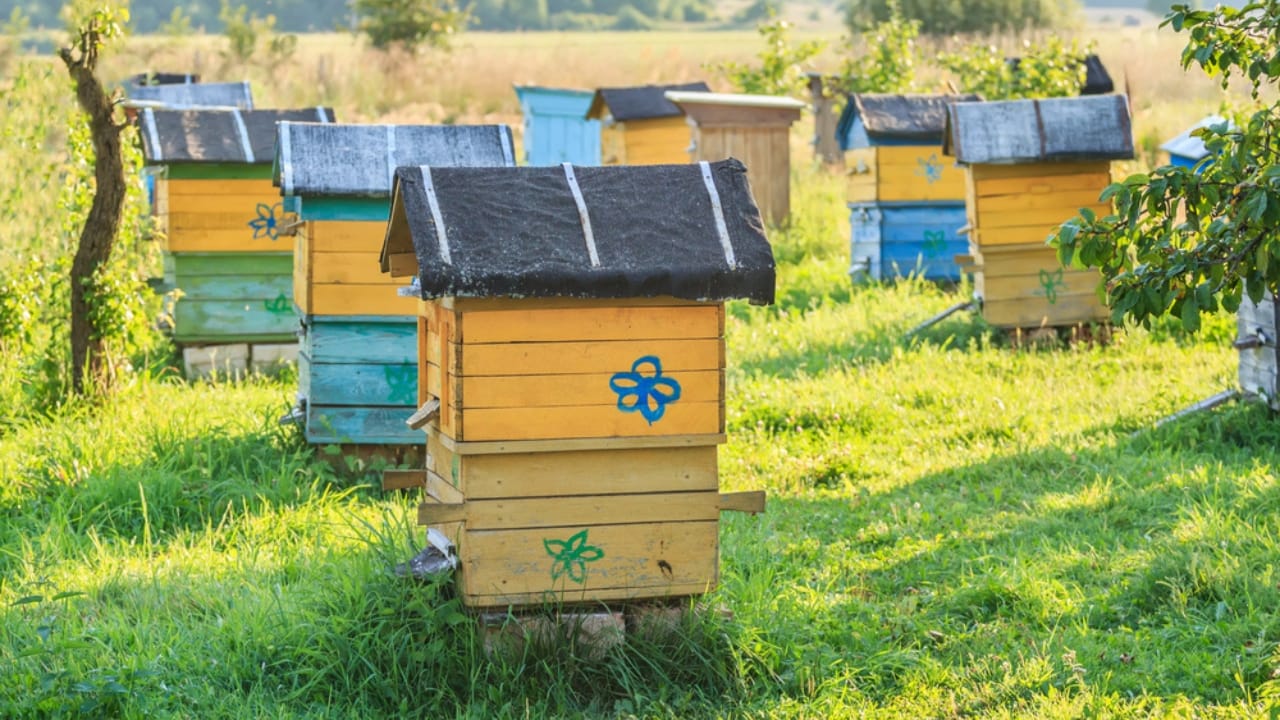
Taking on too many hives too quickly can overwhelm new beekeepers. Start small and expand gradually as you gain experience.
23. Solo Act: Avoiding Mentorship
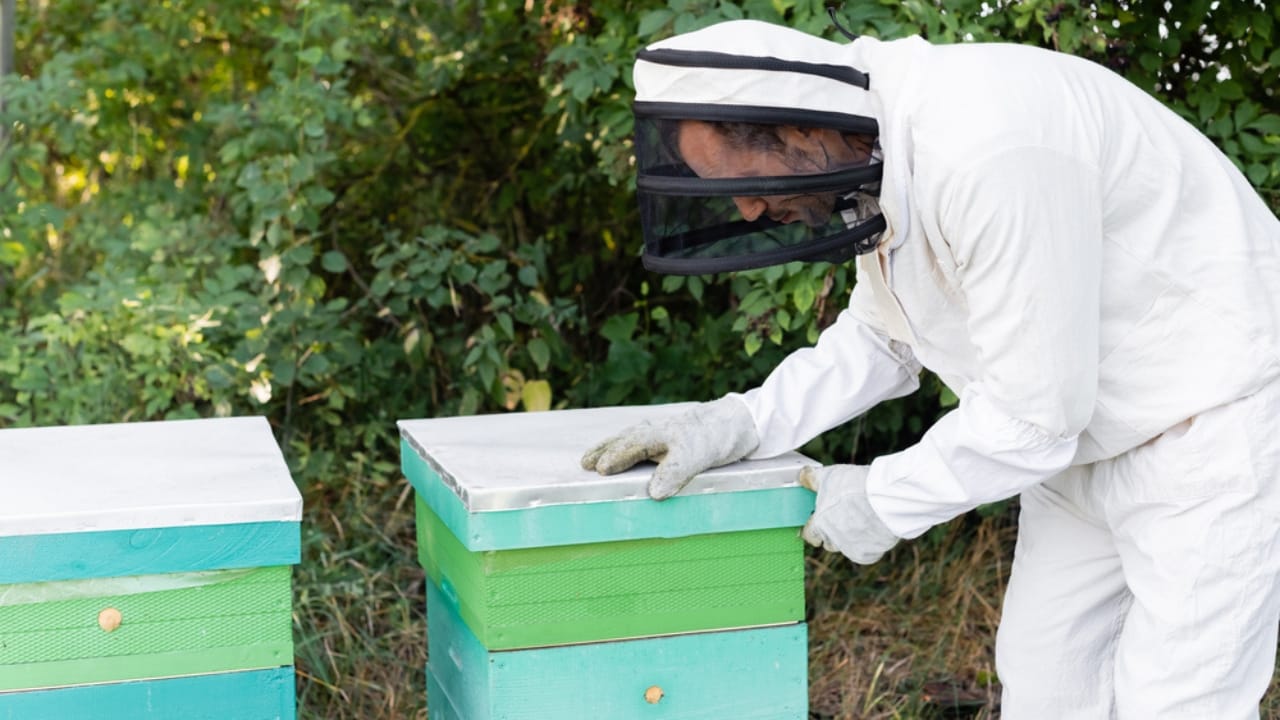
Trying to go it alone can lead to costly mistakes. Seek out experienced beekeepers or join a local beekeeping club for guidance and support.
24. Protective Gear Negligence: Skimping on Safety
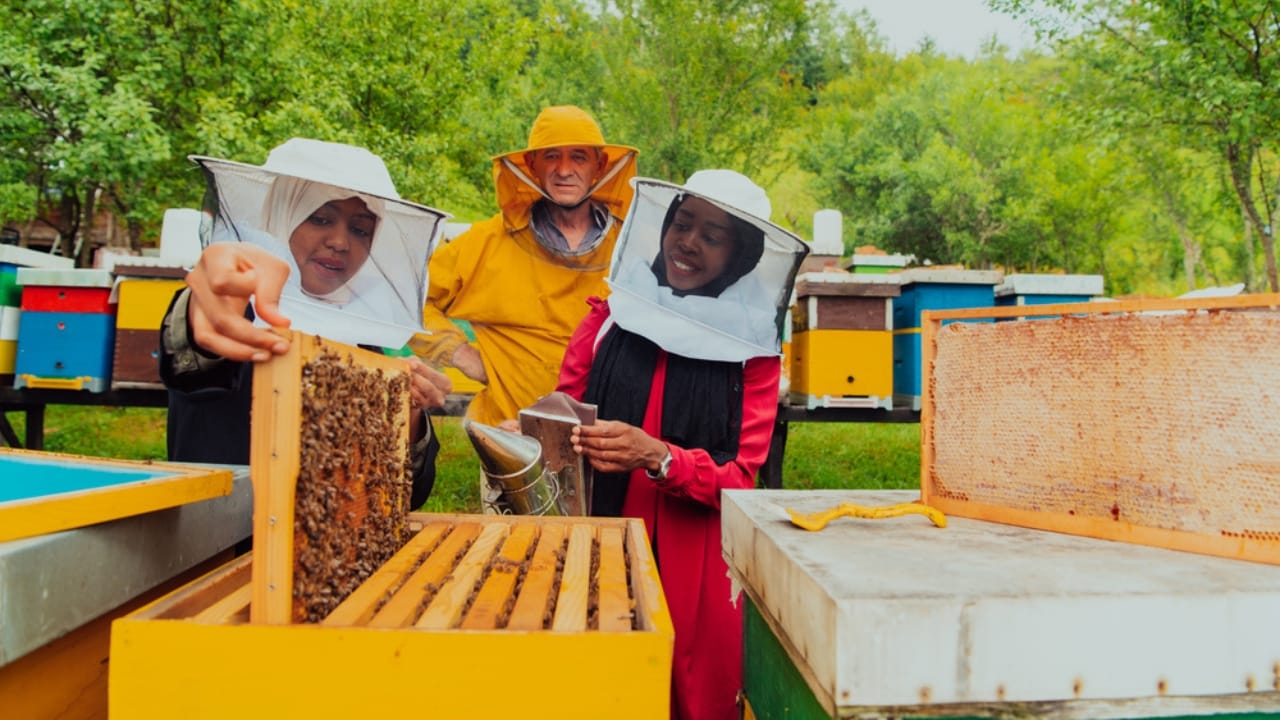
Underestimating the importance of proper protective gear can lead to painful consequences. Always wear appropriate clothing and veils when working with bees.
25. Hive Tool Oversight: Forgetting Essential Tools
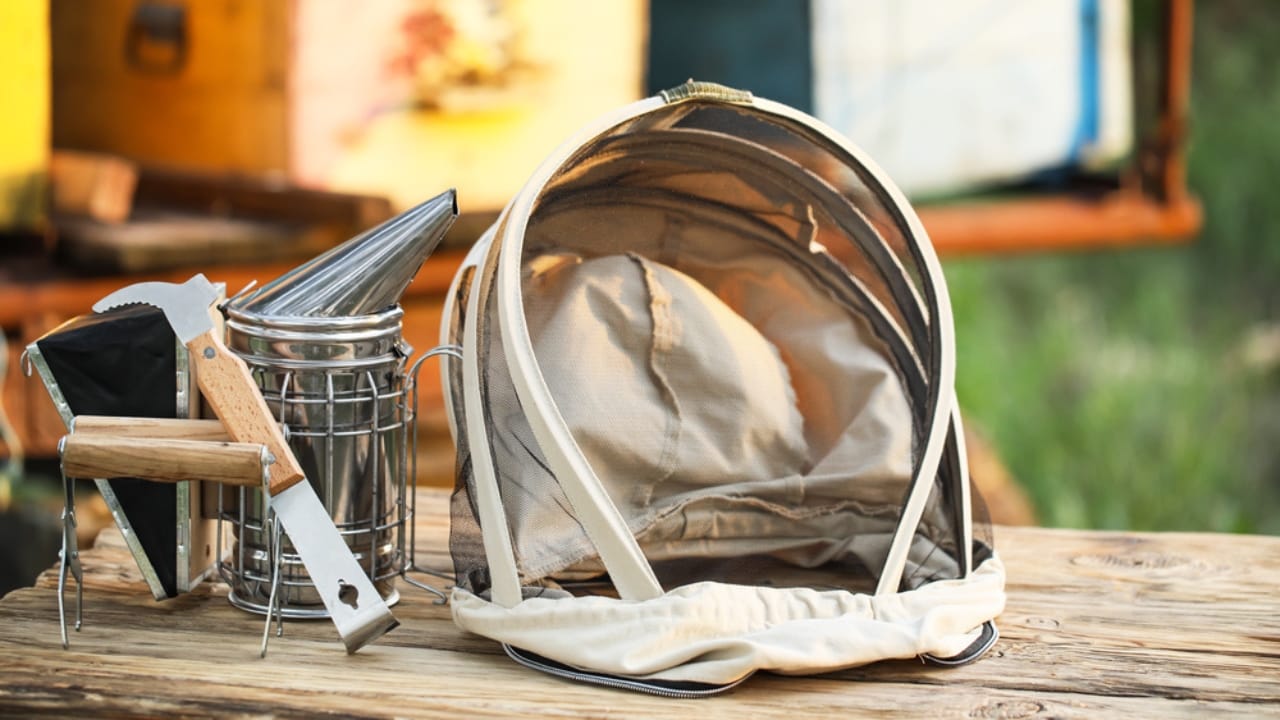
Going into an inspection without proper tools can make the job harder and more stressful for both you and the bees. Always have your hive tool and brush handy.
26. Robbing Risk: Leaving Hives Open Too Long
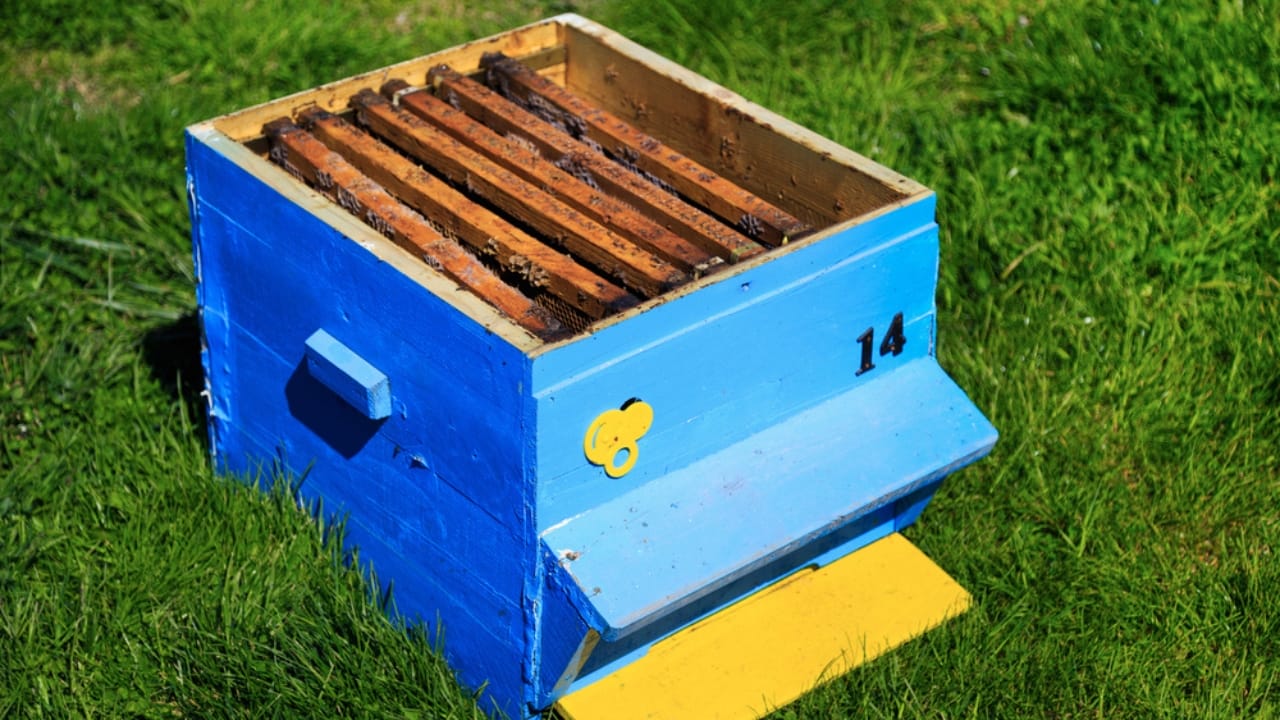
Extended hive openings, especially during nectar dearths, can invite robbing from other colonies. Keep inspections efficient to minimize this risk.
27. Medication Misuse: Improper Treatment Application
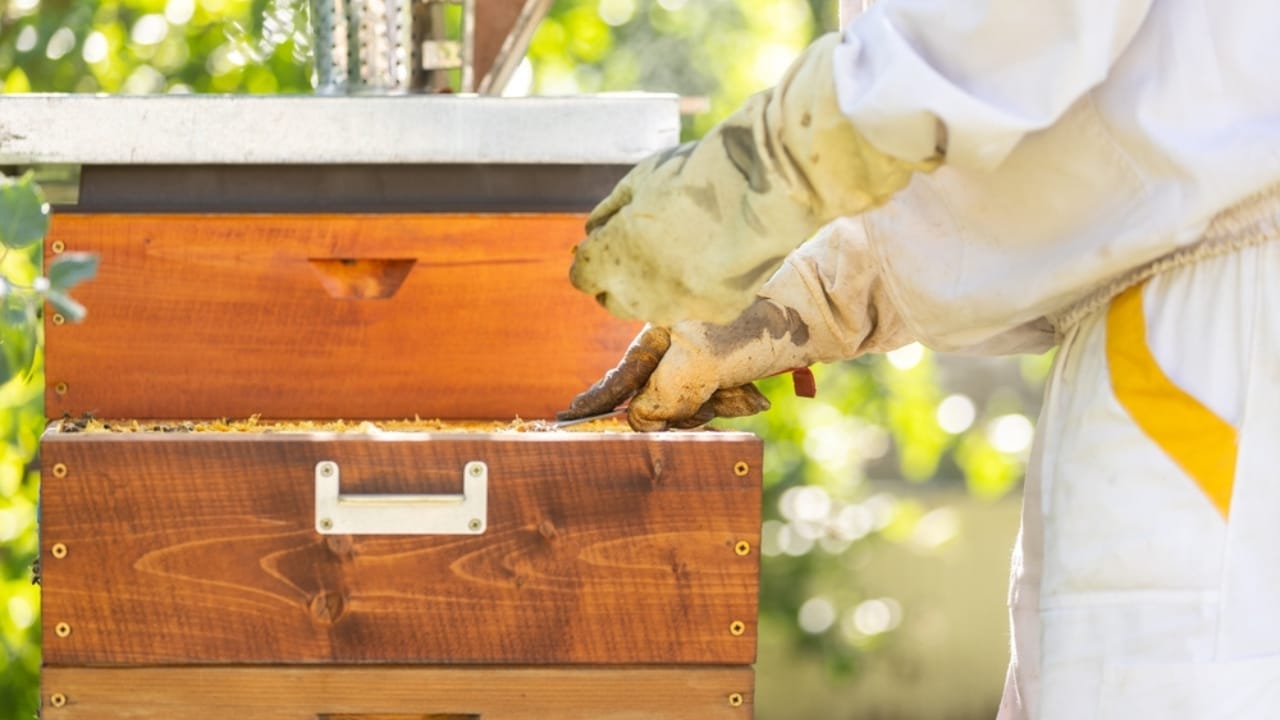
Using medications incorrectly or unnecessarily can harm bees and lead to resistance. Always follow proper dosage and application instructions.
28. Water Woes: Neglecting Water Sources
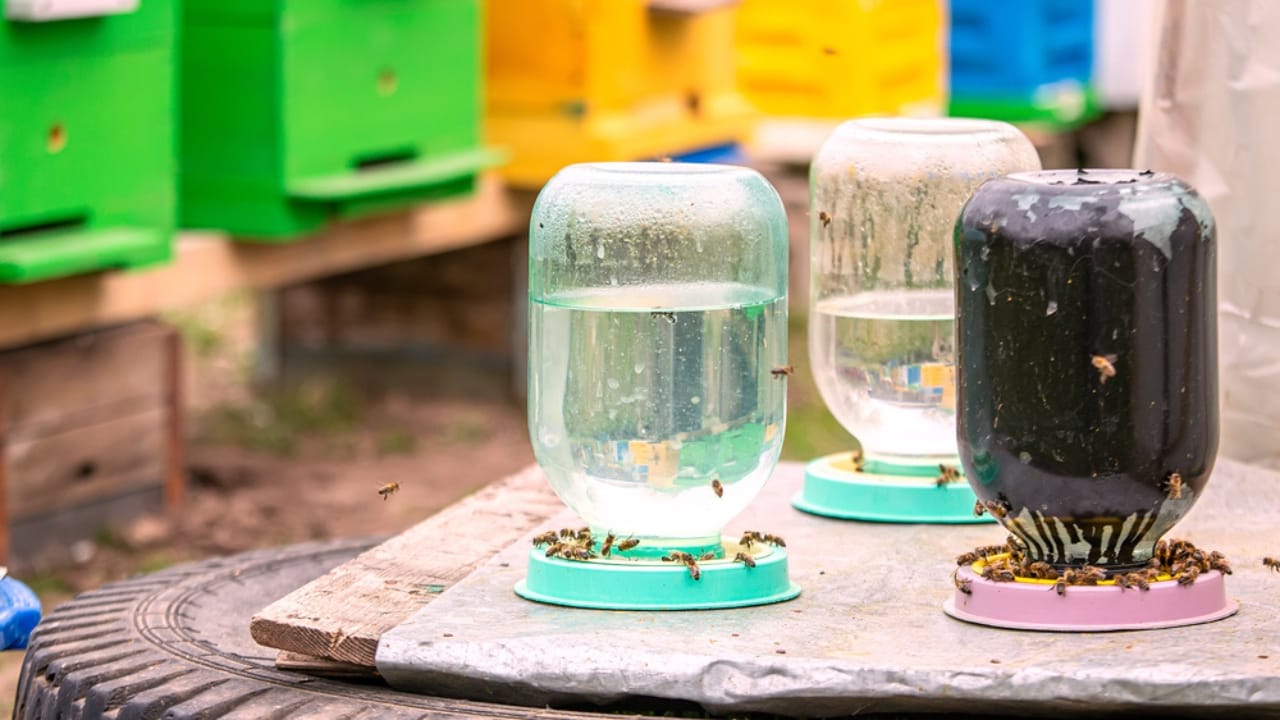
Bees need water, especially in hot weather. Failing to provide a clean, accessible water source near the hive can force bees to seek water elsewhere, potentially exposing them to pesticides or other hazards.
29. Inspection Timing: Choosing the Wrong Moment
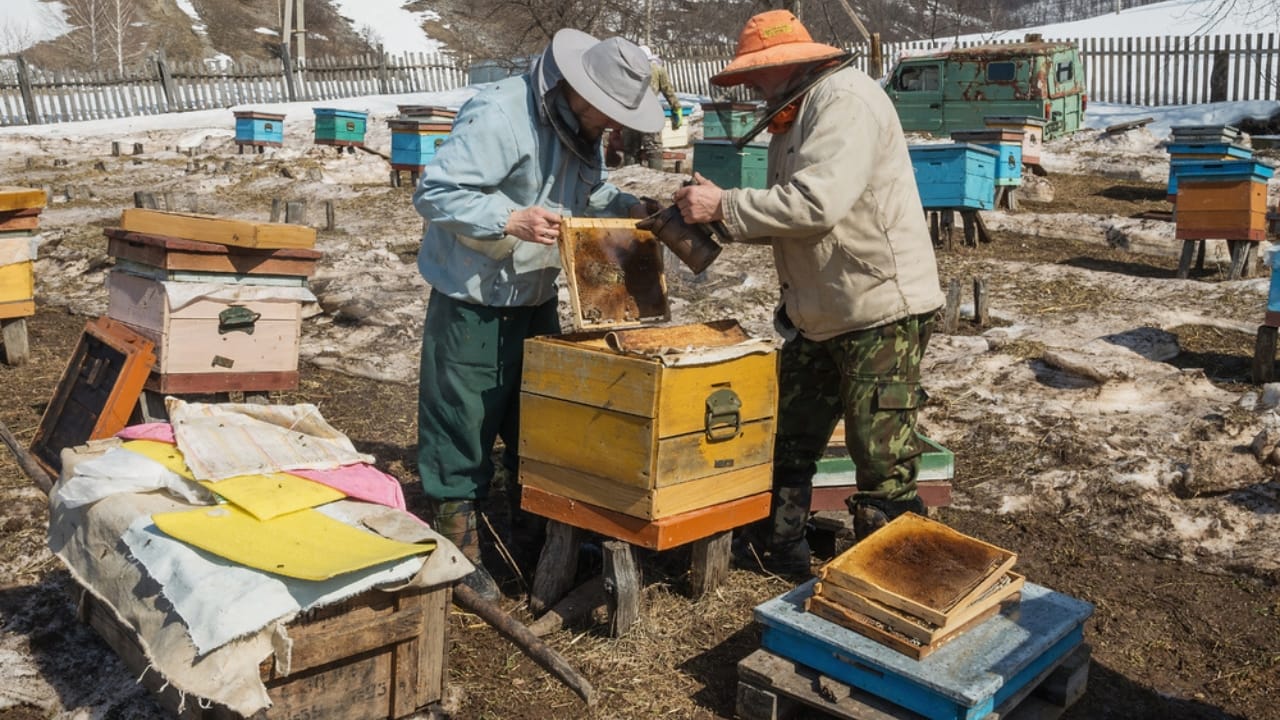
Inspecting hives during unfavorable conditions like cold, rainy weather can chill brood and stress the colony. Choose warm, calm days for your inspections.
30. Education Stagnation: Stopping the Learning Process
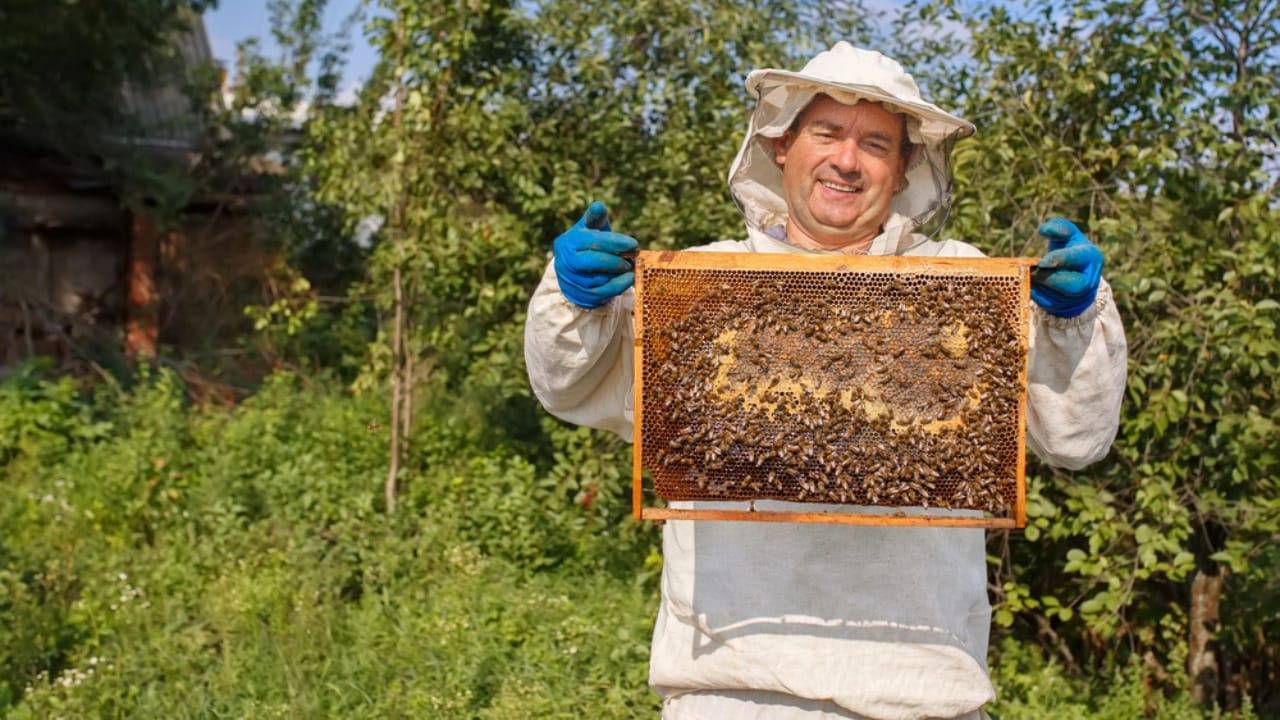
Beekeeping is an ever-evolving field. Failing to stay updated on new techniques and research can hinder your success. Continuously educate yourself to become a better beekeeper.

Davin is a jack-of-all-trades but has professional training and experience in various home and garden subjects. He leans on other experts when needed and edits and fact-checks all articles. Also an aspiring cook we he researches and tries all kinds of different food recipes and shares what works best.