
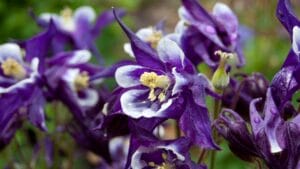
Imagine a garden that grows itself, year after year, with minimal effort on your part. Sound too good to be true? Welcome to the world of self-seeding plants.
These botanical wonders have the remarkable ability to spread and establish themselves naturally, creating a lush, ever-evolving landscape with little intervention from you.
1. California Poppy
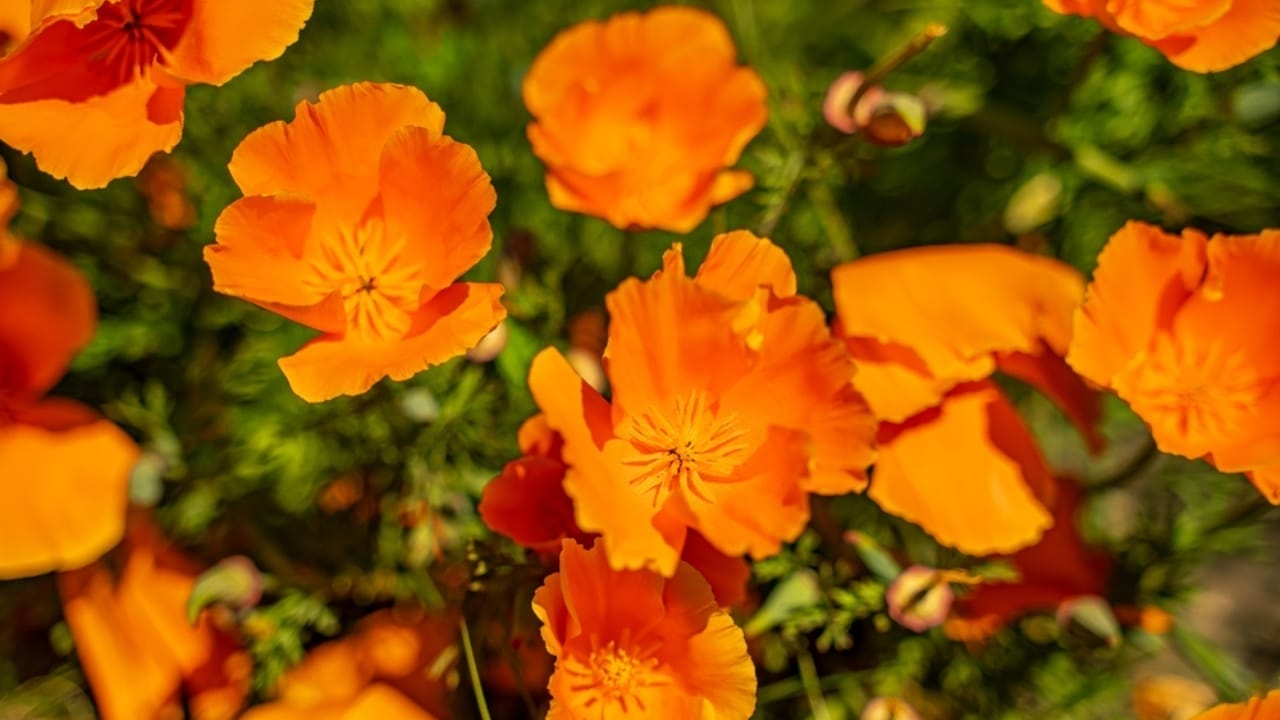
Native to the American West, California poppies bring waves of orange blooms while requiring virtually zero maintenance. These drought-tolerant beauties thrive in poor soil and spread reliably in USDA zones 8-10, blooming from early spring through summer.
2. Borage
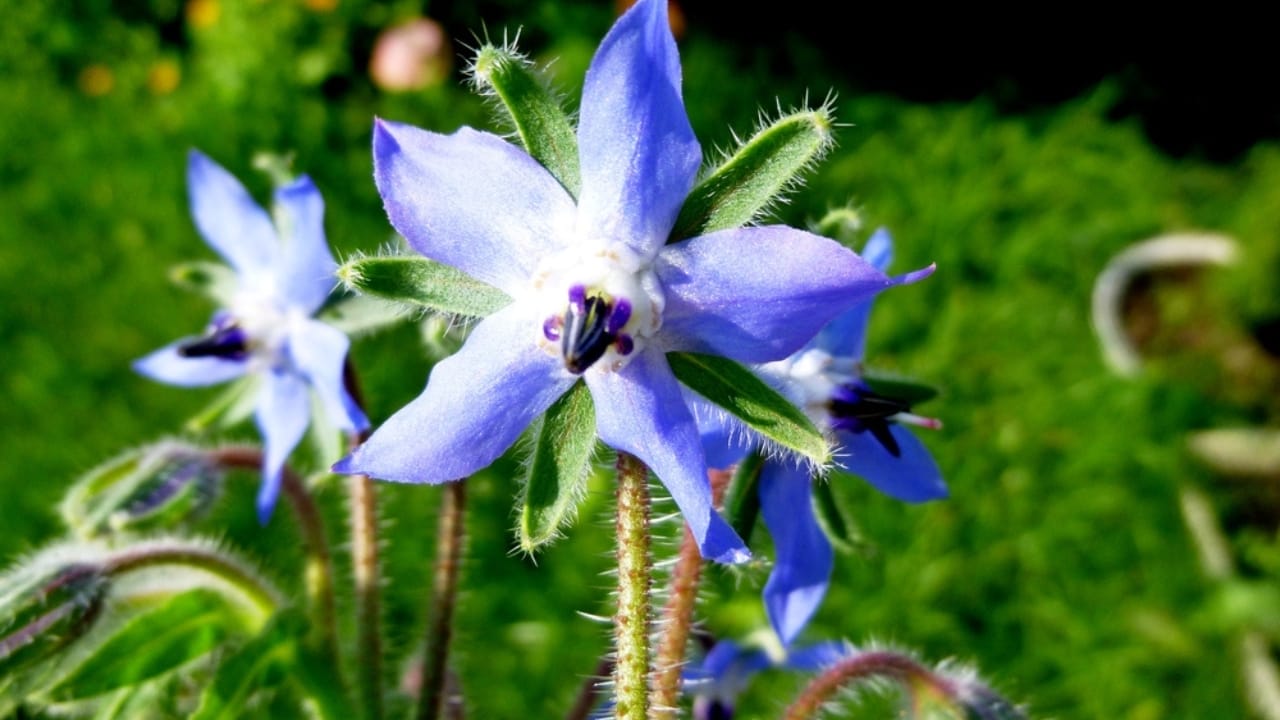
Borage’s star-shaped blue flowers attract pollinators while its leaves offer a cucumber-like flavor to salads. This herb self-seeds enthusiastically, with a single plant potentially producing numerous offspring in subsequent seasons.
3. Calendula
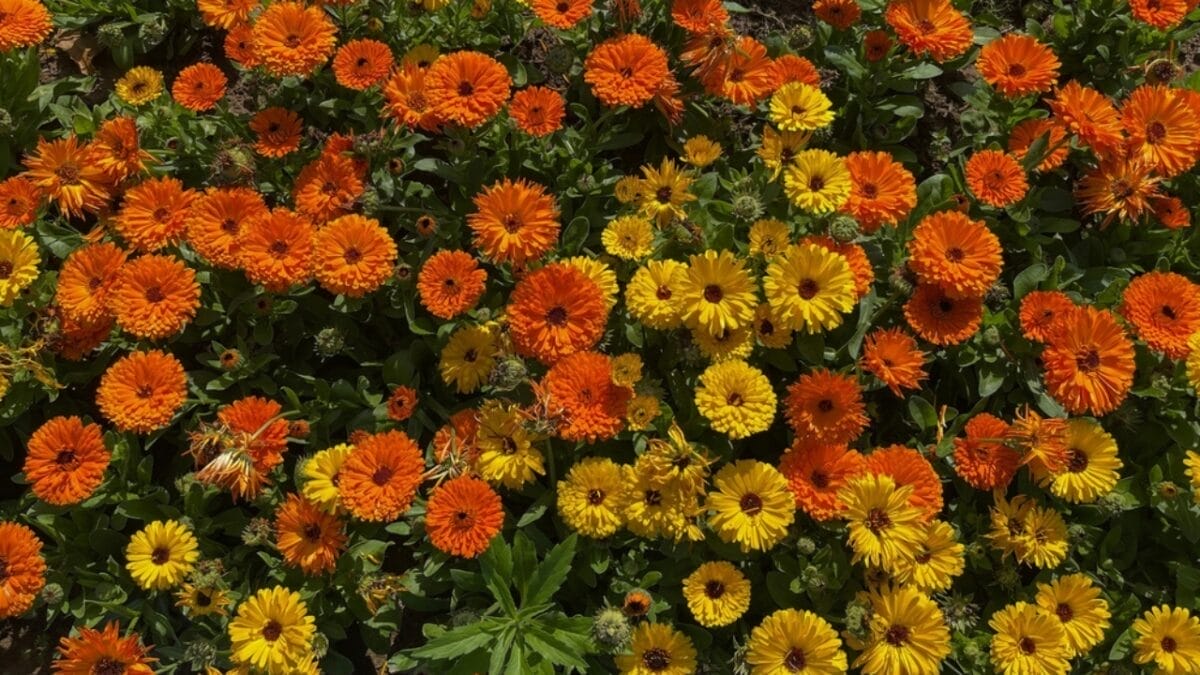
Prized for both ornamental and medicinal properties, calendula’s cheerful orange and yellow blooms appear from spring through fall in zones 2-10. Their seeds remain viable for years in the soil, ensuring continuous generations.
4. Love-in-a-Mist
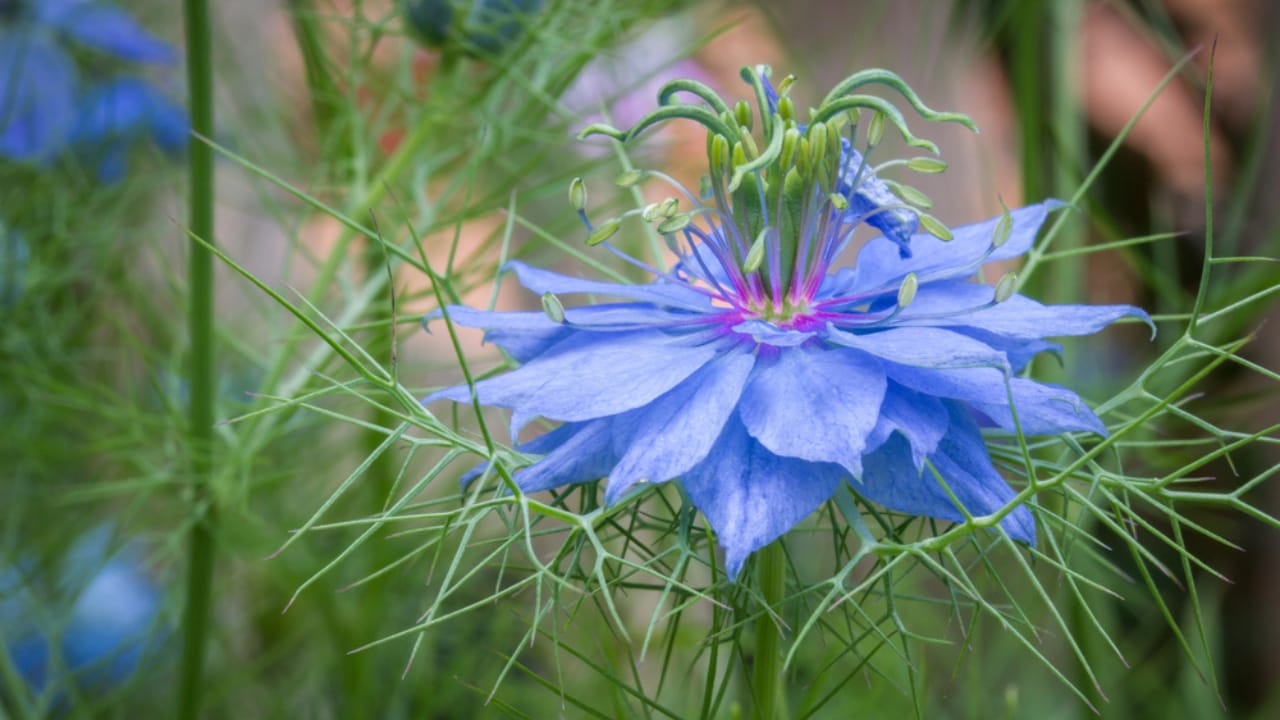
Nigella damascena produces intricate blue flowers followed by decorative seed pods that dry beautifully for arrangements. Once established, these plants reliably self-seed in most soil conditions across zones 3-9.
5. Cerinthe
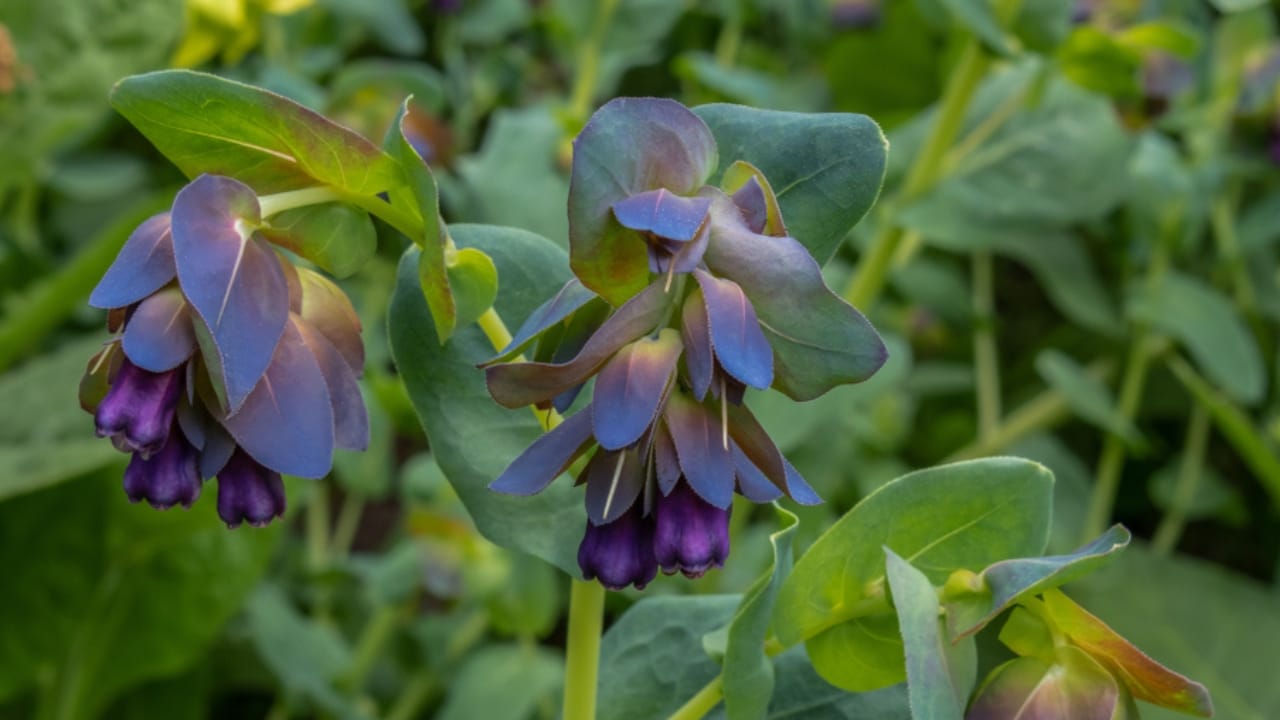
Also known as honeywort, this Mediterranean native sports unique purple-blue bracts that dangle like jewelry. Growing up to 30 inches tall, it thrives in zones 7-10 and attracts bumblebees in droves. (ref)
6. Johnny Jump-Up
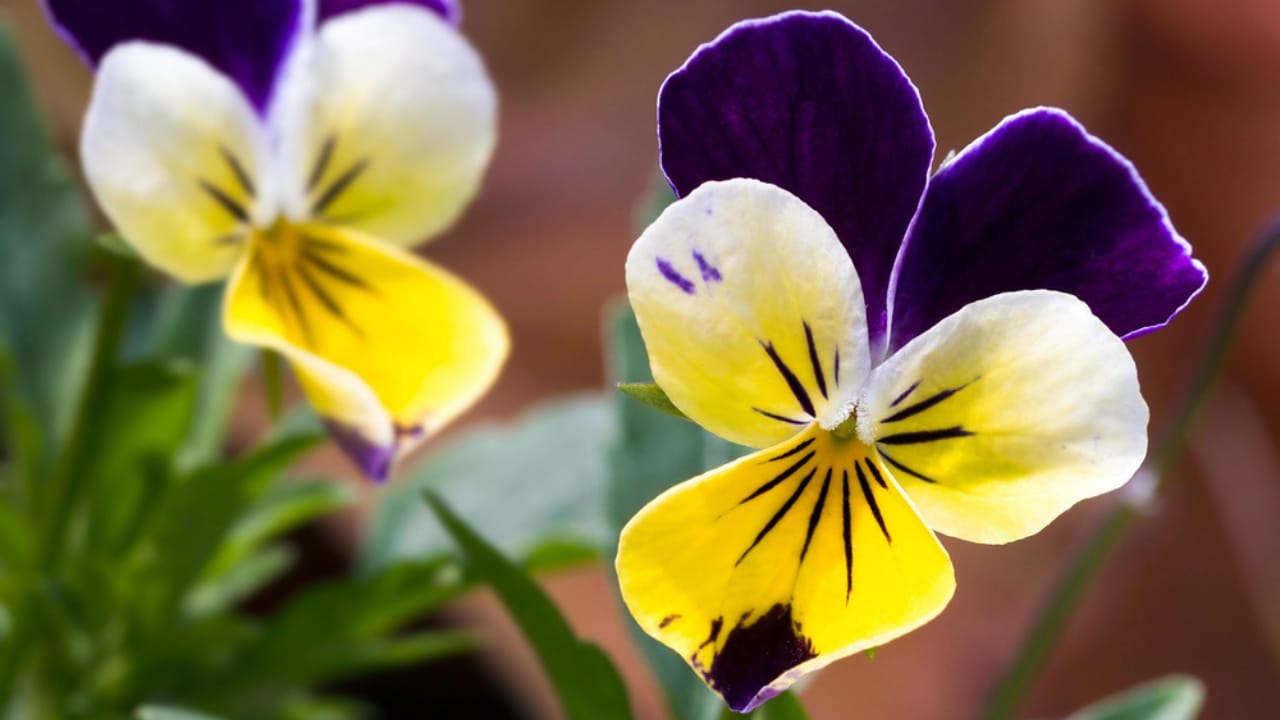
These diminutive violas bloom nearly year-round in zones 3-9, creating carpets of purple, yellow, and white flowers. Their seeds can remain dormant for years before sprouting in favorable conditions.
7. Lamb’s Quarters
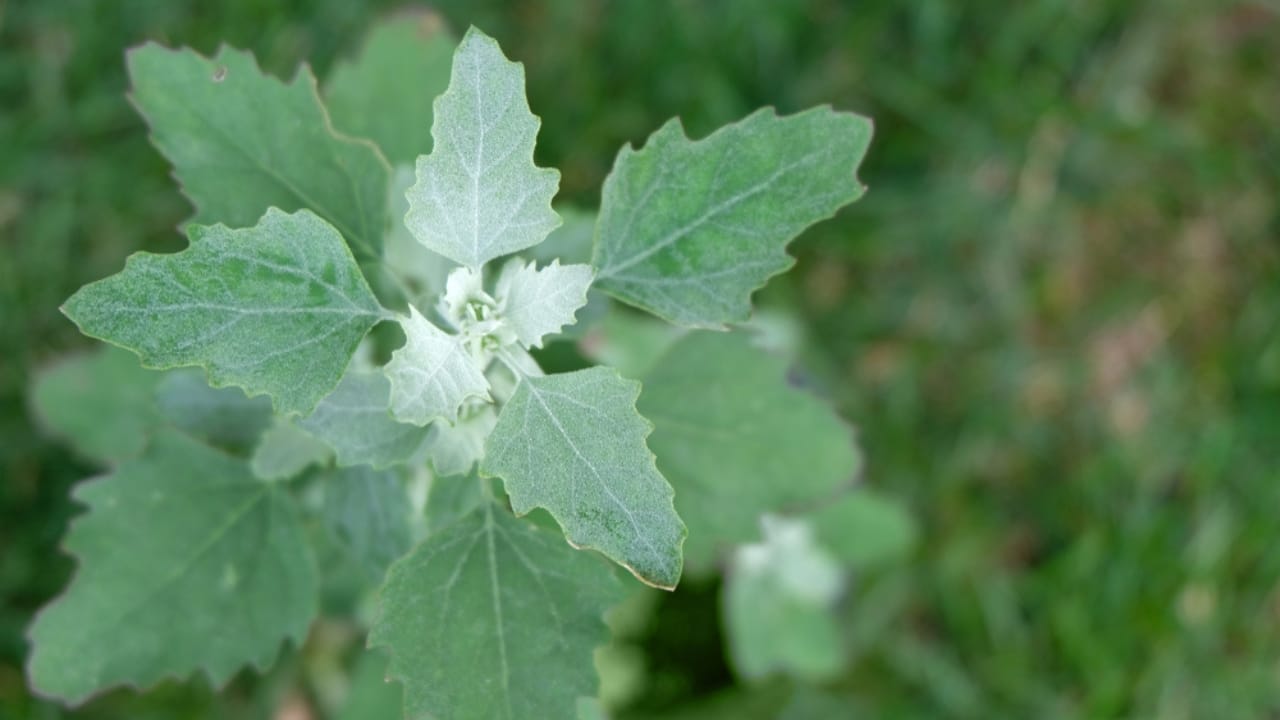
While often considered a weed, this nutritious green contains more iron than spinach and self-seeds readily in any garden. Its seeds remain viable in soil for up to 40 years.
8. Larkspur
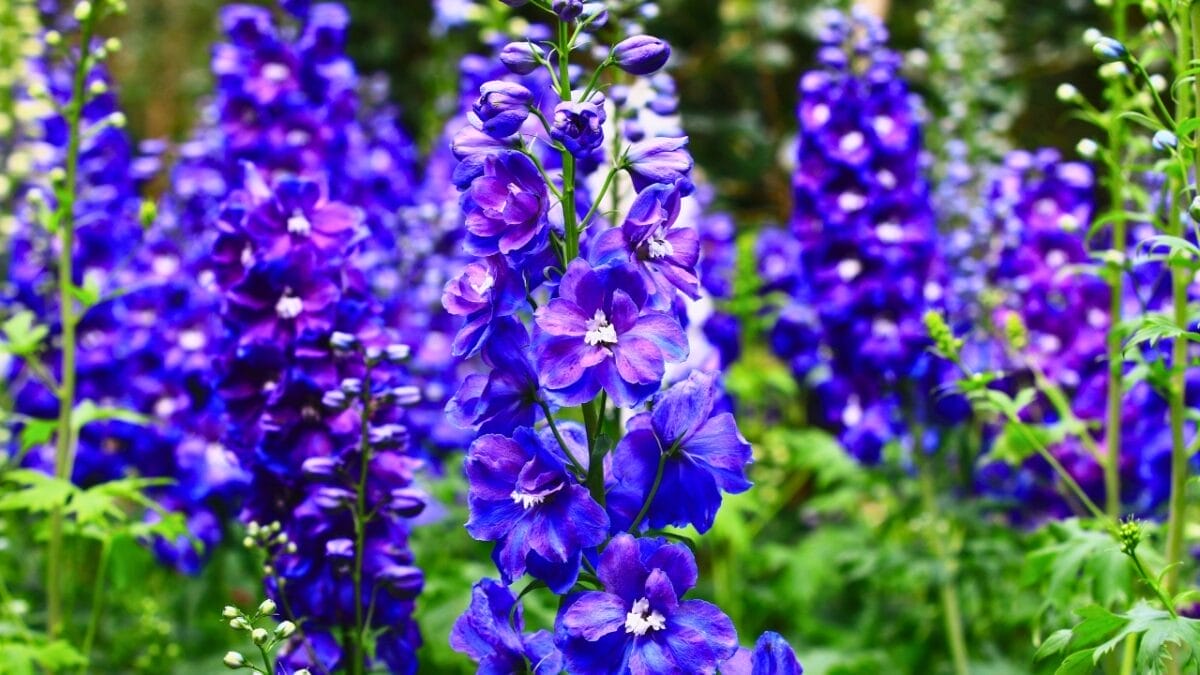
Towering spikes of blue, pink, or white flowers appear in early spring, reaching heights of 4 feet. These cottage garden classics self-seed prolifically in zones 2-10.
9. Forget-Me-Not
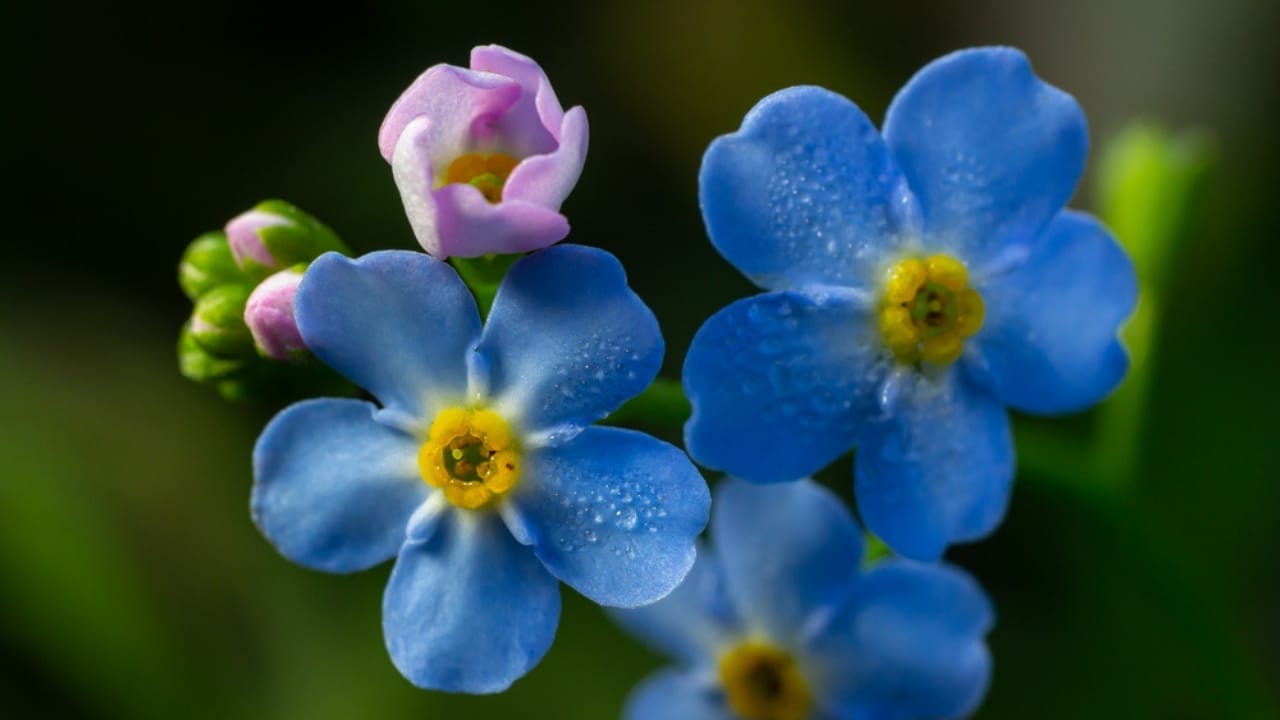
Creating clouds of tiny blue flowers in spring, forget-me-nots naturalize easily in moist, shady areas. They’re particularly vigorous in zones 3-8.
10. Columbine
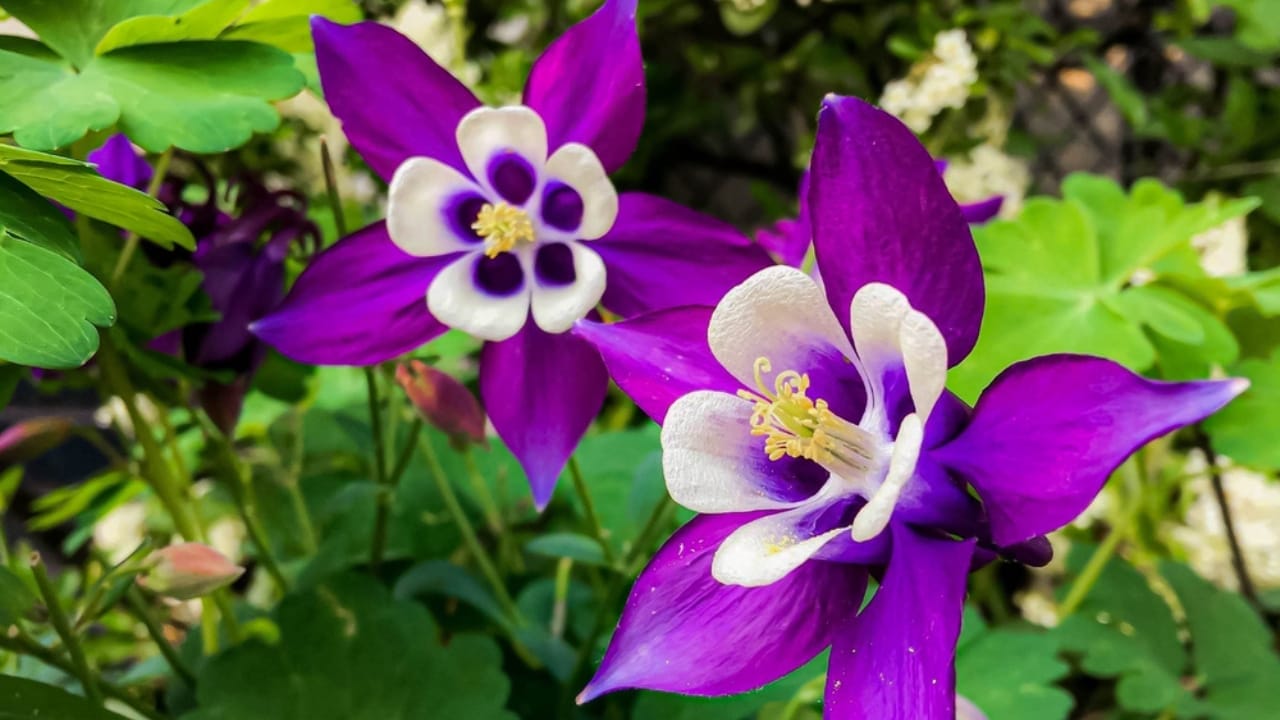
Native columbines produce delicate, spurred flowers in nearly every color imaginable. These shade-tolerant perennials cross-pollinate freely, creating unique hybrids in zones 3-9.
11. Cosmos
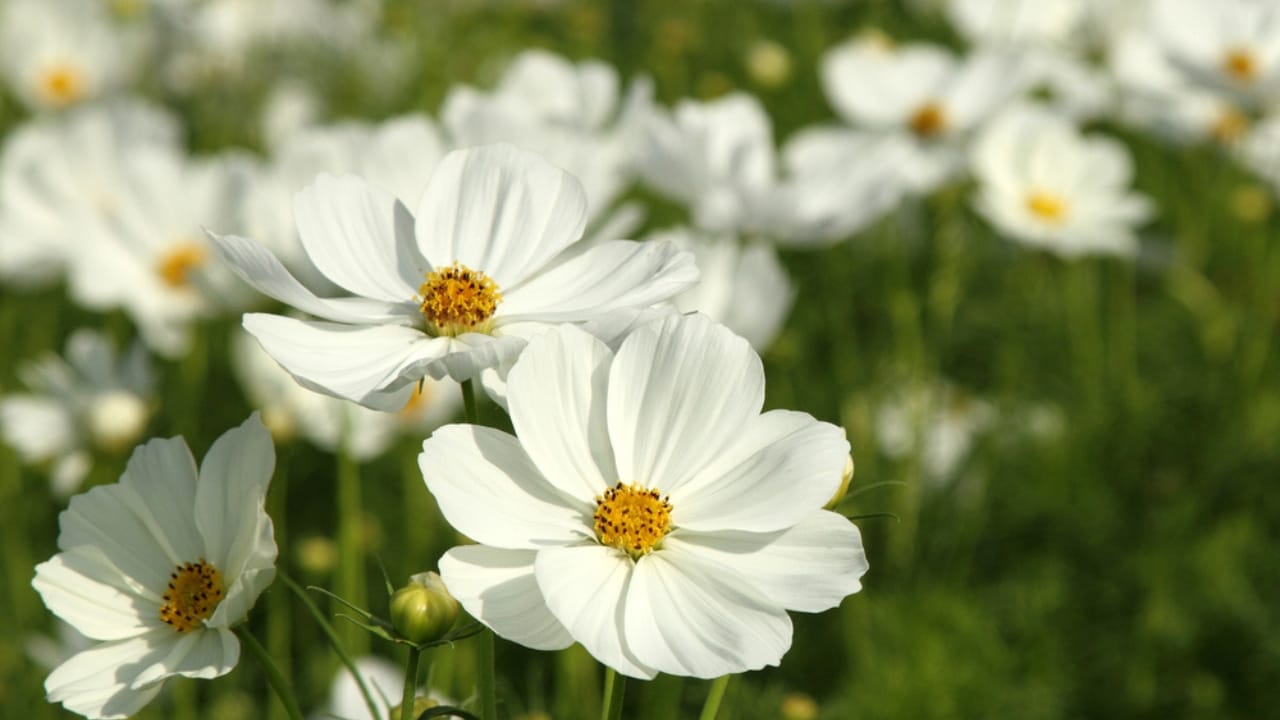
Drought-tolerant and deer-resistant, cosmos produce masses of daisy-like flowers from summer until frost. A single plant can generate hundreds of viable seeds.
12. Verbena bonariensis
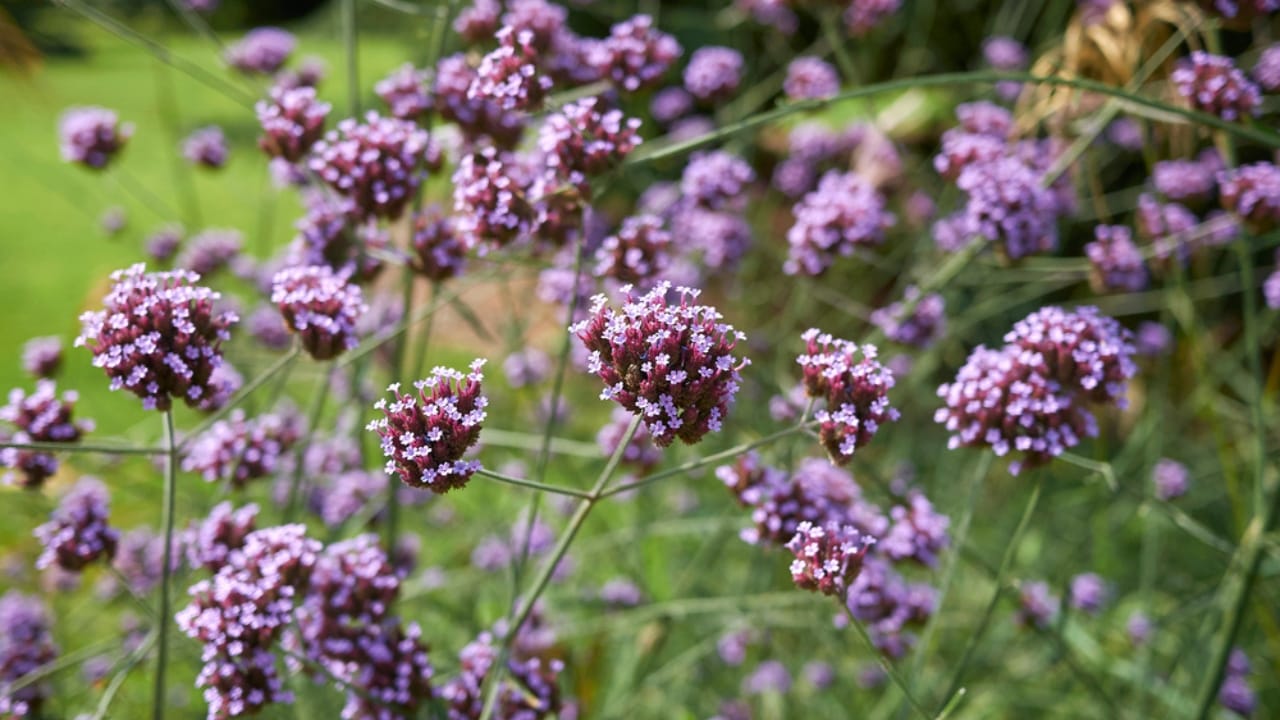
This tall, airy perennial produces clusters of purple flowers that seem to float above the garden. Its tiny seeds spread readily throughout zones 7-11.
13. Cleome
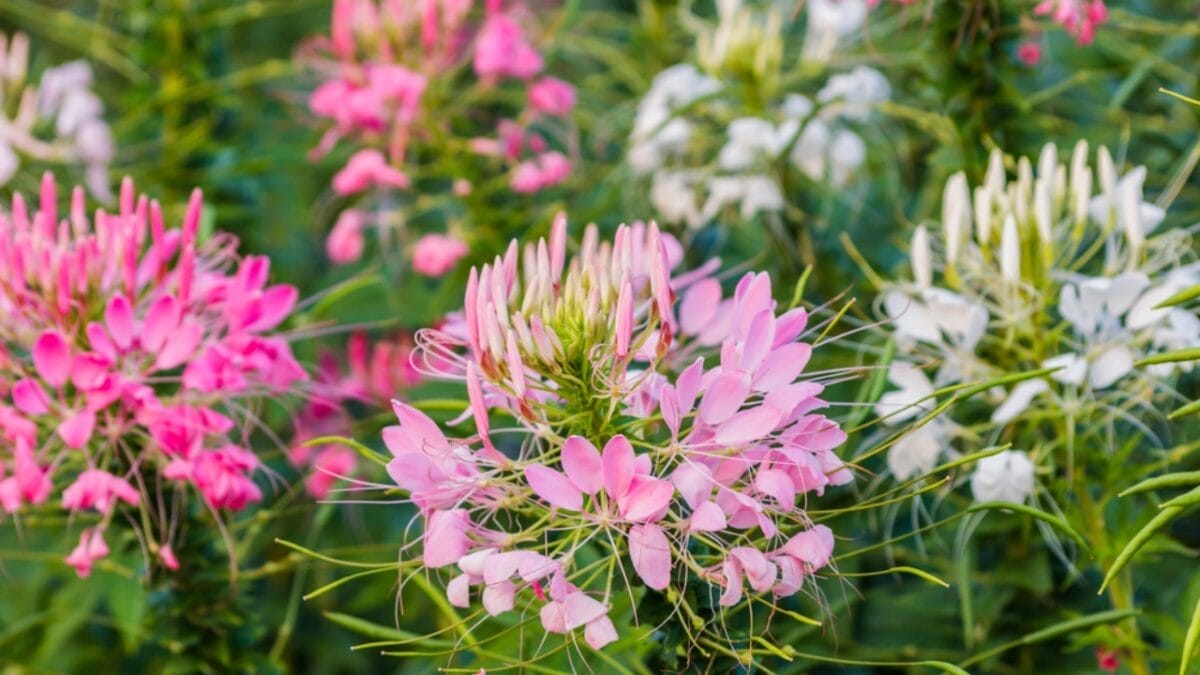
Spider flower’s unique blooms appear atop 4-foot stems, creating dramatic height in the garden. These heat-lovers self-seed enthusiastically in zones 4-8.
14. Bronze Fennel
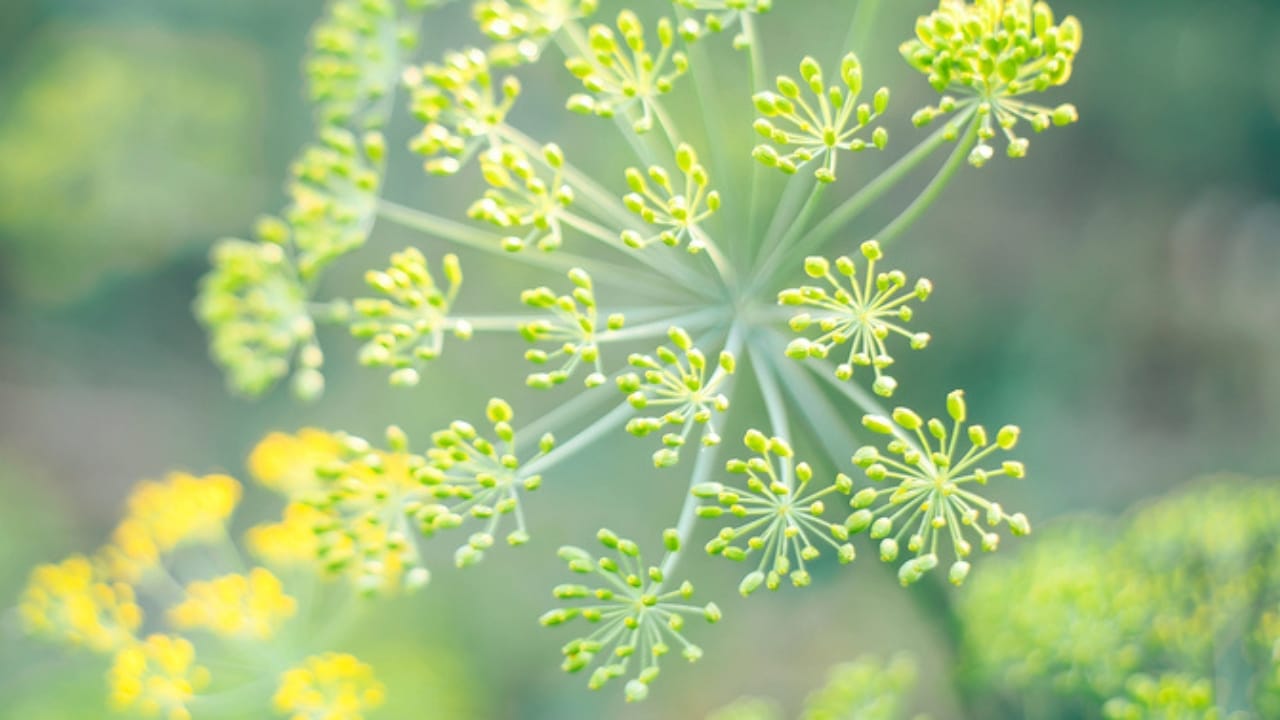
With feathery bronze foliage and yellow flower umbels, this herb adds architectural interest while attracting swallowtail butterflies. It self-seeds readily in zones 4-9.
15. Purple Coneflower
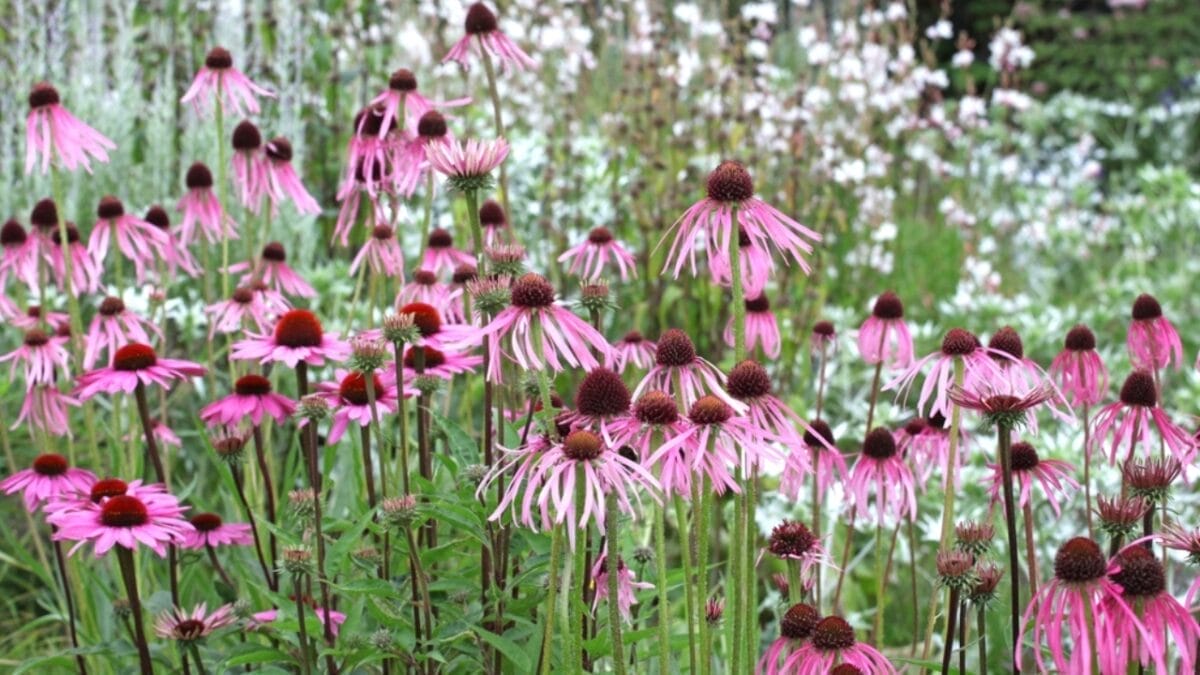
Native echinacea not only provides medicinal benefits but also feeds birds with its seedheads. These sturdy perennials self-seed modestly in zones 3-9.
16. Evening Primrose
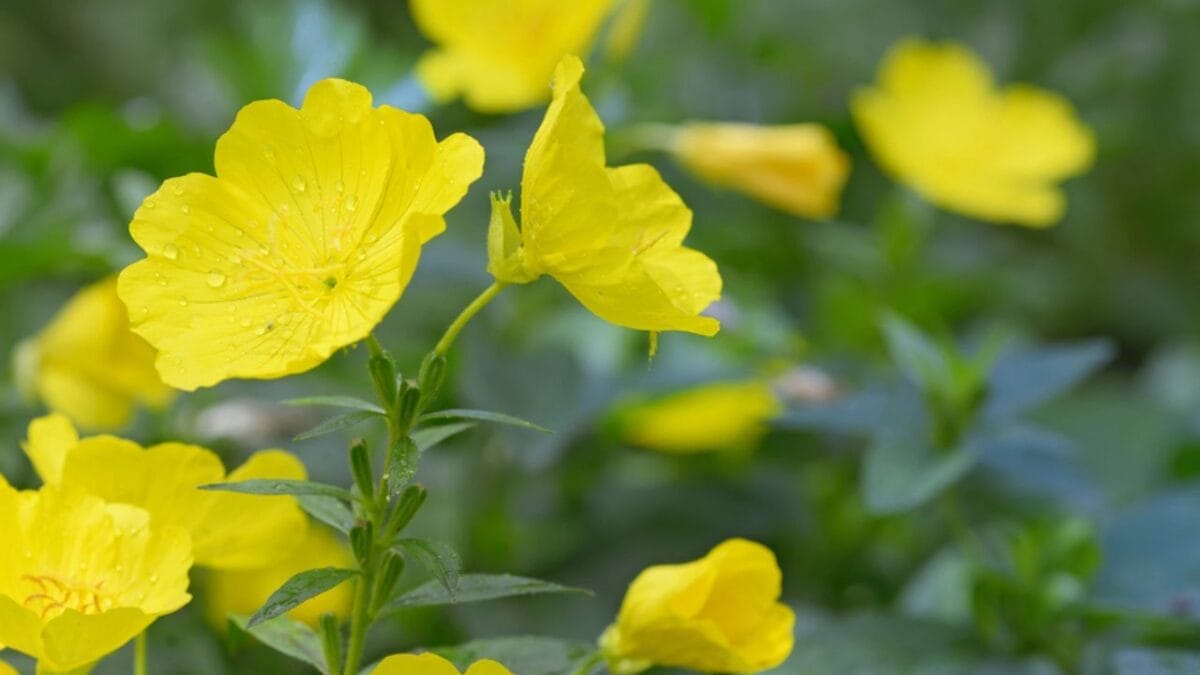
Opening its yellow blooms at dusk, evening primrose naturalizes easily in dry areas. Its seeds can remain viable in soil for over 70 years.
17. Sweet Alyssum
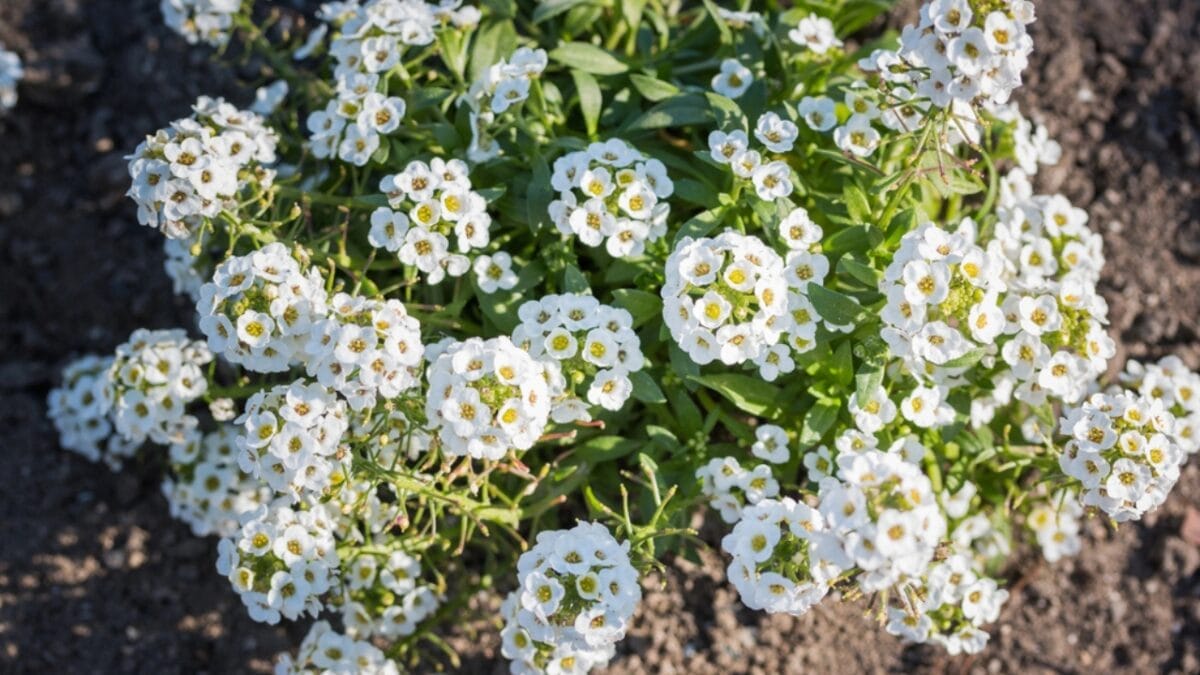
Creating fragrant carpets of tiny white flowers, alyssum reseeds readily in cool weather. It thrives in zones 5-9, often blooming nearly year-round.
18. Perilla
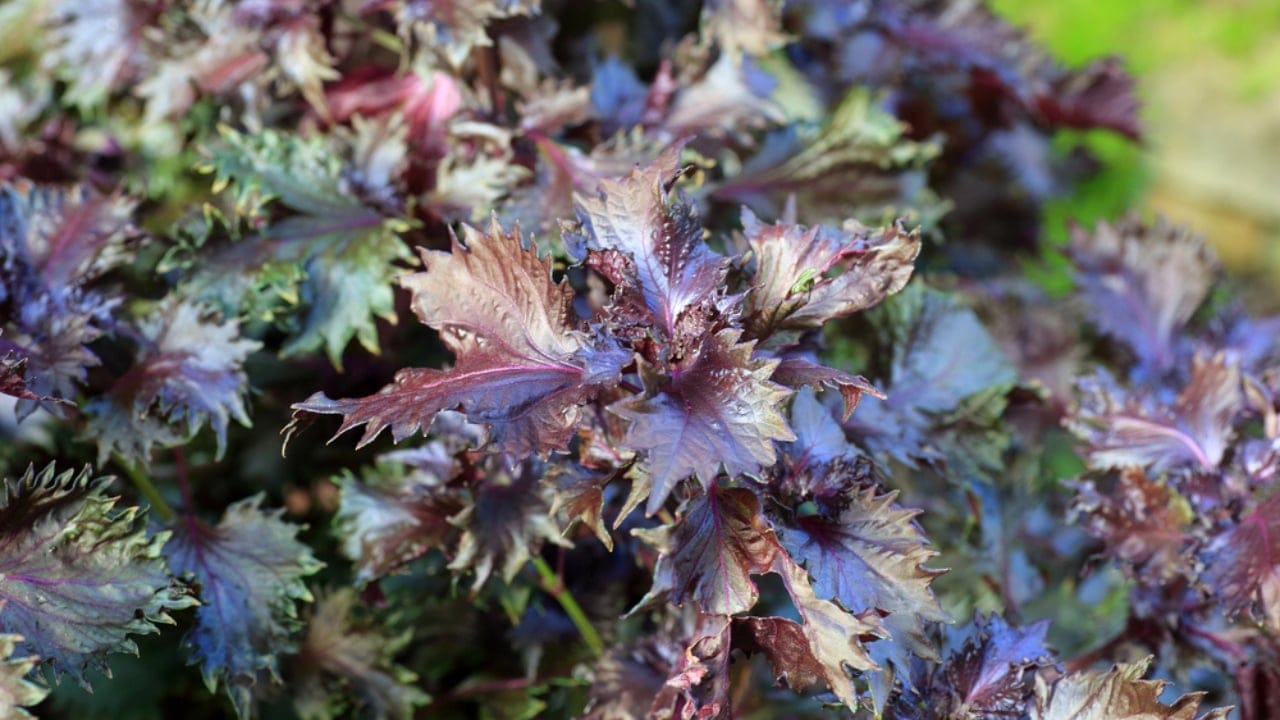
With purple leaves resembling coleus, perilla adds rich color to partially shaded areas. This Asian herb self-seeds prolifically in zones 5-10.
19. Money Plant
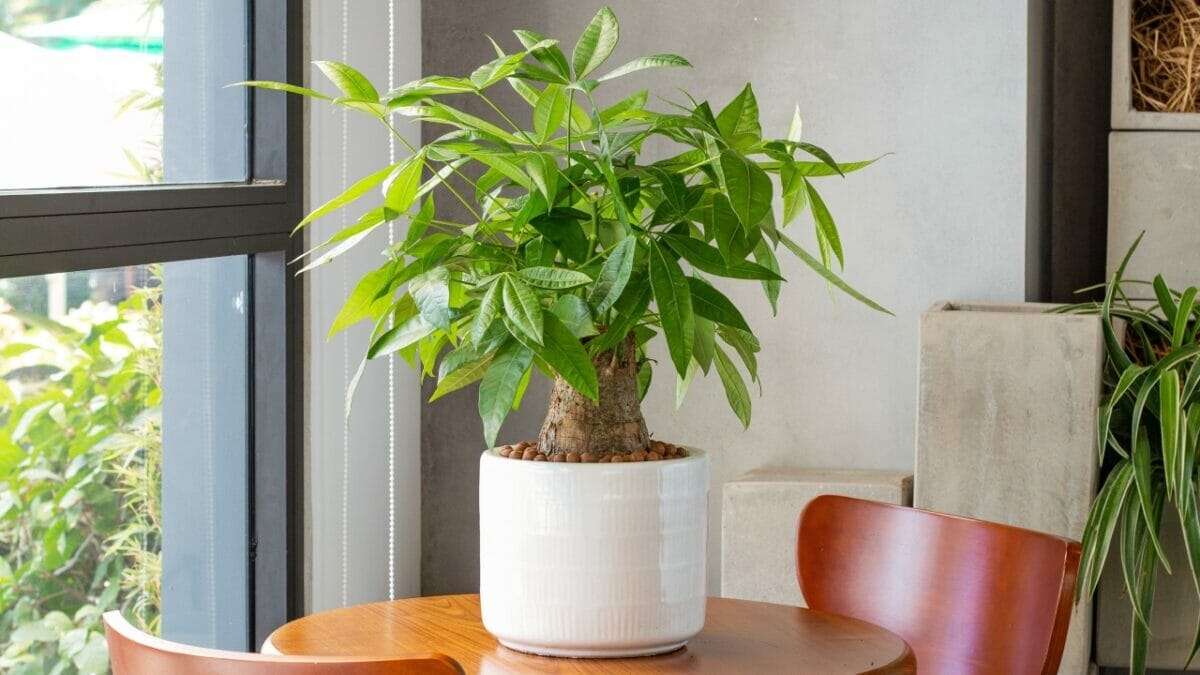
Valued for its silvery seed pods in dried arrangements, (ref) Lunaria annua self-seeds generously in zones 4-8. Its early spring purple flowers provide nectar for emerging butterflies.
20. Bachelor’s Buttons
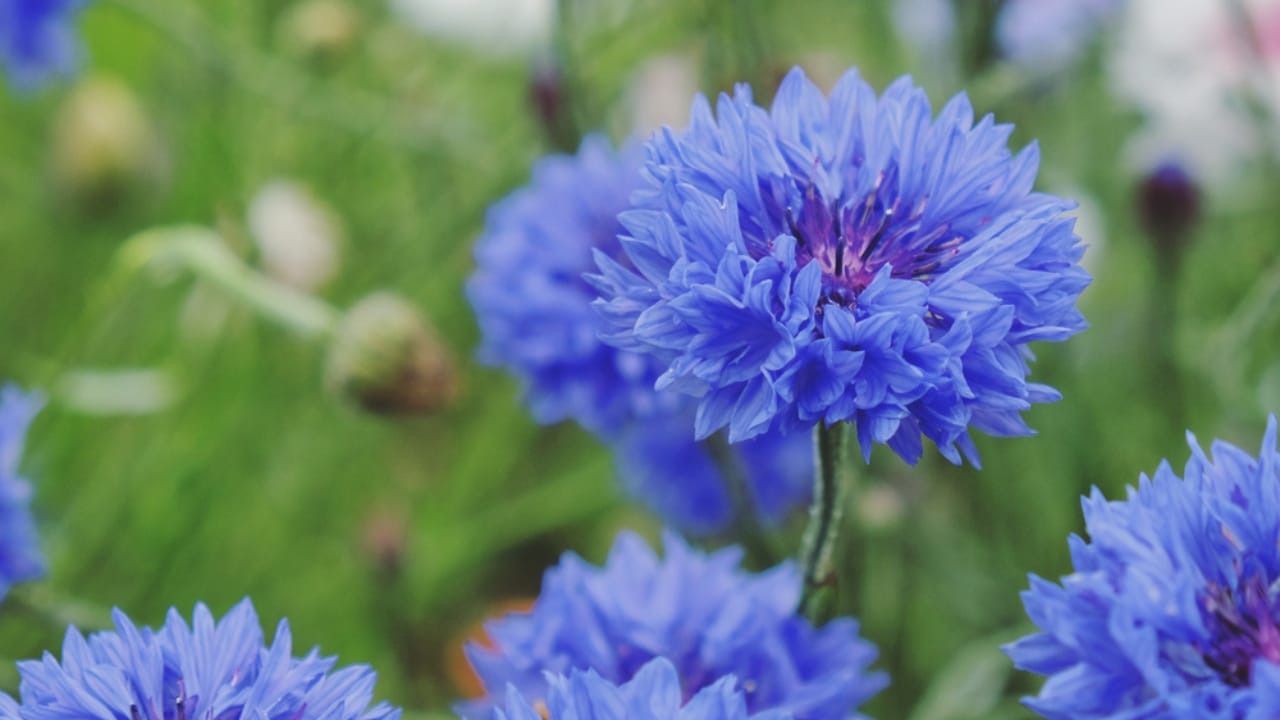
These hardy annual cornflowers produce abundant blue blooms and self-seed readily in zones 2-11. Their seeds can remain viable in soil for up to 8 years.
21. Breadseed Poppy
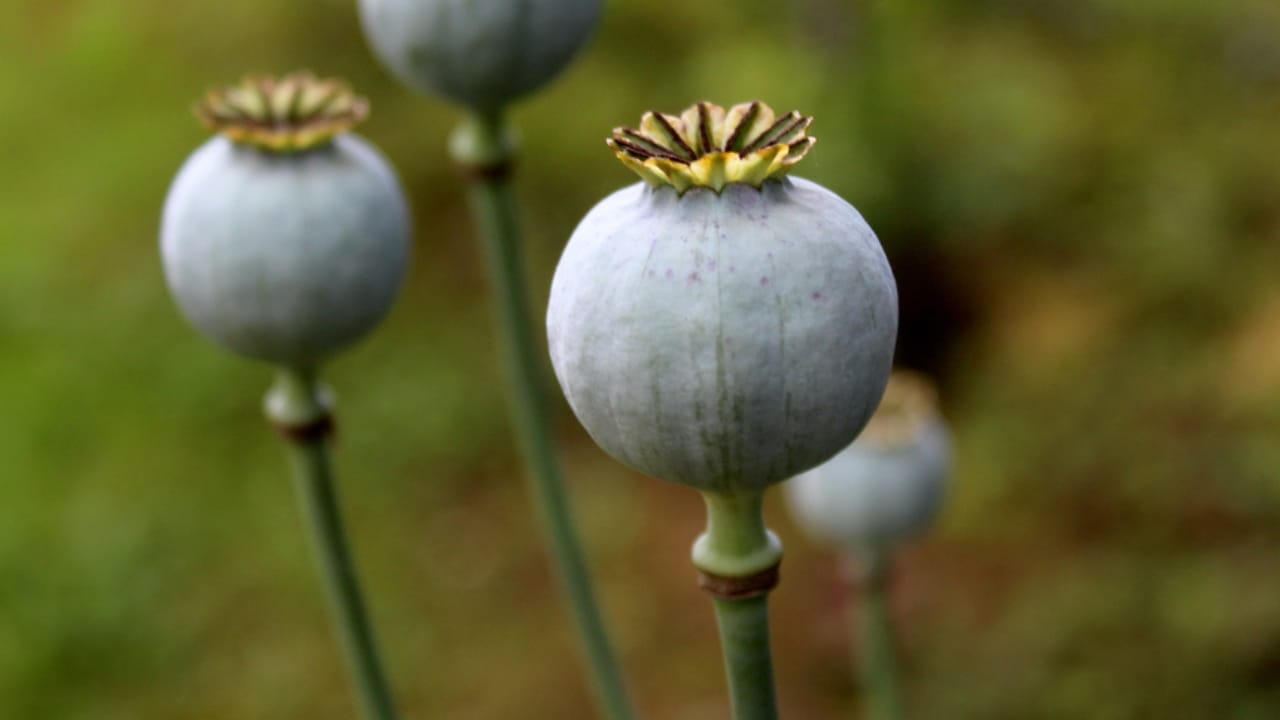
Producing massive flower heads followed by decorative pods full of edible seeds, these striking annuals self-seed readily in zones 3-7.
22. Meadow Rue
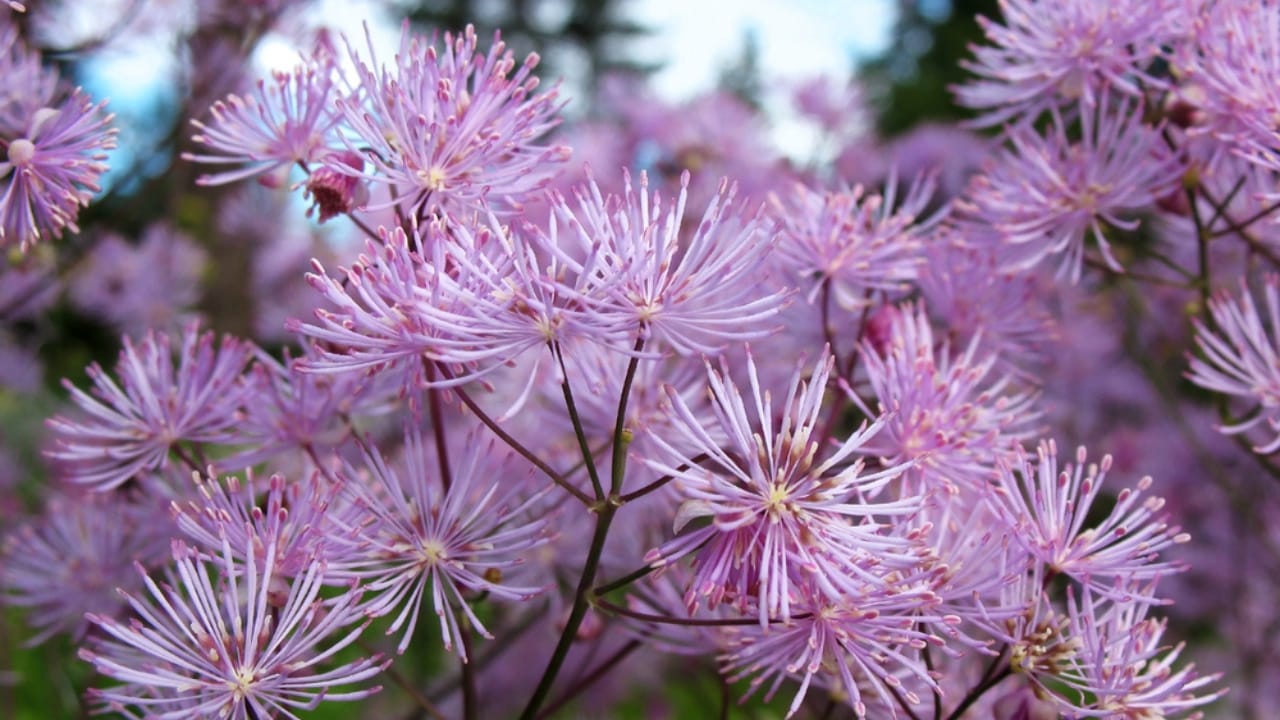
Tall meadow rue’s cloud-like purple or white flowers appear in late spring. These native perennials self-seed modestly in zones 3-9, preferring partial shade.
Note: Always check local regulations, as some self-seeding plants may be considered invasive in certain regions.

Davin is a jack-of-all-trades but has professional training and experience in various home and garden subjects. He leans on other experts when needed and edits and fact-checks all articles. Also an aspiring cook we he researches and tries all kinds of different food recipes and shares what works best.