

Hedgehogs, as a cookie, embody the charm and creativity of old recipes, particularly those popular around 1920. These treats are a delightful nod to a time when bakers relied on simple, wholesome ingredients to craft memorable desserts.
The combination of dates, walnuts, and coconut not only provides a rich depth of flavor but also showcases the resourcefulness of early 20th-century baking.
The Appeal of Vintage Baking
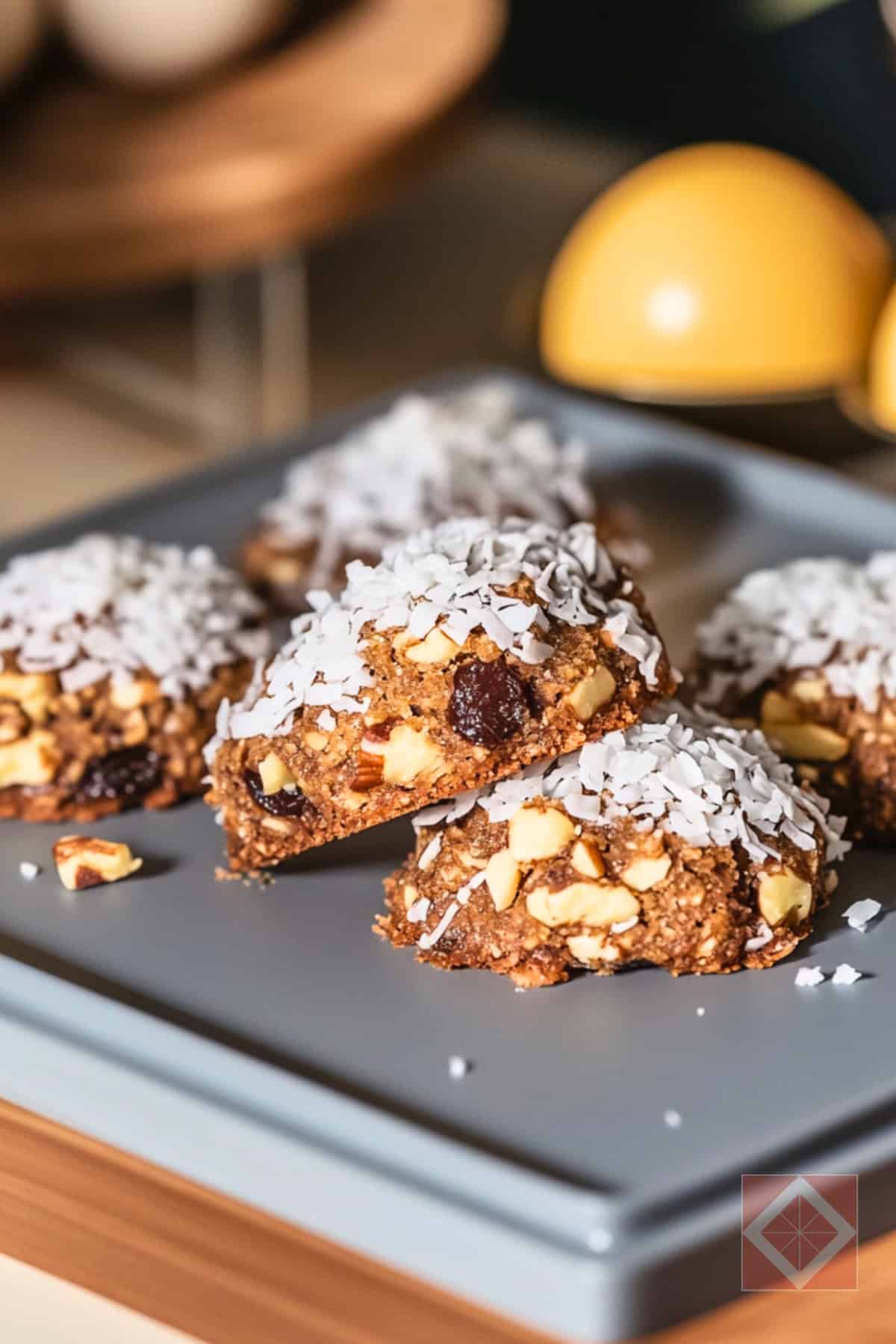
During the early 1900s, home baking was an essential skill, and recipes often made use of pantry staples that were easy to store. In an era without modern preservatives, dried fruits, nuts, and natural sweeteners like brown sugar were commonly used to add both flavor and texture to baked goods.
The hedgehog cookie is a testament to this tradition, blending natural sweetness with a satisfying crunch.
The 1920 period was marked by a growing appreciation for homemade confections. Many classic cookies from that time emphasized texture, incorporating chopped nuts or dried fruit to create a unique mouthfeel.
Recipes were often passed down through families, handwritten in cookbooks, or clipped from newspapers and magazines. The hedgehog cookie, with its chewy interior and coconut-coated exterior, is a perfect example of how vintage recipes prioritized both taste and presentation.
The Charm of Simple Ingredients
The inclusion of dates in this recipe reflects the popularity of dried fruits in home baking, particularly in regions where fresh fruit was not readily available year-round. Dates not only provide natural sweetness but also help bind the dough together, reducing the need for excessive added sugar.
Walnuts contribute a rich, nutty undertone, complementing the deep caramel notes of dark brown sugar. These ingredients create a satisfying balance between chewy and crunchy textures, making each bite of a hedgehog cookie both indulgent and comforting.
The final touch—rolling the cookies in coconut—adds a delicate outer layer that enhances both flavor and visual appeal.
Baking Methods of the Past
Baking techniques in 1920 were quite different from those used today. Many households relied on wood-fired or coal-burning stoves, requiring careful attention to temperature control.
Recipes did not always specify exact oven temperatures, often instructing bakers to use a “moderate” or “hot” oven. While modern recipes offer precise measurements, historical baking relied more on intuition and experience.
Mixing methods were also more labor-intensive. Without electric mixers, bakers used hand tools like wooden spoons and rotary beaters to combine ingredients.
Chilling dough, as seen in the hedgehog cookie recipe, was a common practice to ensure proper consistency before shaping and baking. Despite the lack of modern kitchen appliances, these methods yielded baked goods with incredible texture and depth of flavor.
A Nostalgic Treat with Lasting Appeal
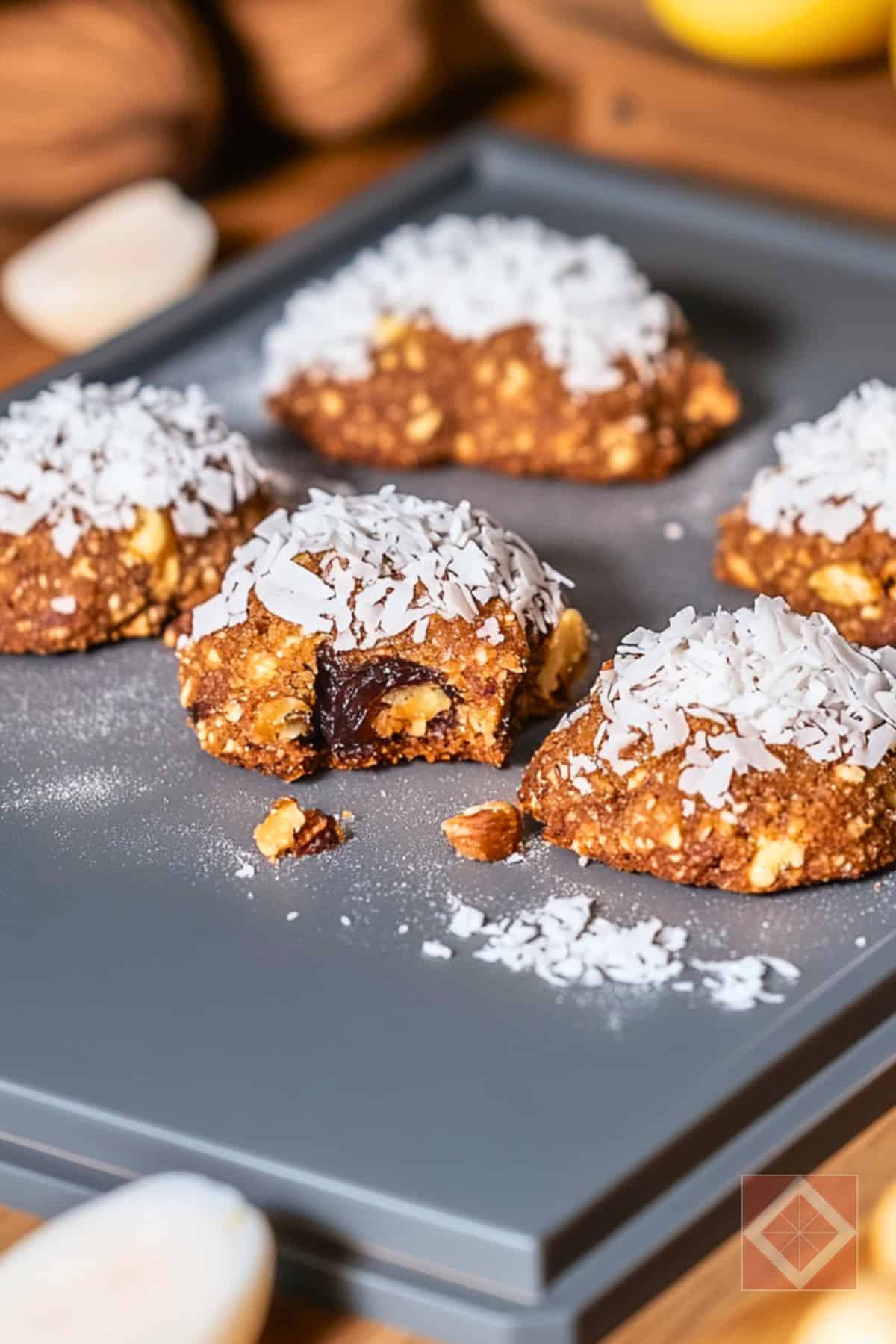
Hedgehog cookies are more than just a sweet treat—they represent a piece of culinary history. Their rustic charm and old-fashioned ingredients make them a delightful addition to any baking repertoire.
Whether enjoyed as a nostalgic nod to old recipes or as a unique alternative to more contemporary cookies, they offer a satisfying blend of flavors that has stood the test of time.
As modern bakers rediscover vintage recipes, there is a renewed appreciation for the simplicity and ingenuity of early 20th-century baking. The hedgehog cookie exemplifies the creativity of that era, transforming humble ingredients into a memorable dessert.
By embracing the flavors and techniques of the past, these cookies serve as a delicious reminder of how timeless baking traditions can be.

Old-Fashioned Hedgehog Cookies – A 1920 Recipe
Ingredients
- 2 cups chopped walnuts
- 1 cup chopped dates
- 2 cups unsweetened desiccated coconut divided
- 1 cup packed dark brown sugar
- 2 large eggs divided
Instructions
- If you have a food processor, combine the walnuts, dates, 1 cup of coconut, brown sugar, and 1 egg. Blend until a fine paste forms, about 3 to 5 minutes. Skip to step 4.
- If not using a food processor, finely chop the walnuts and dates using a food chopper or blender until they reach a paste-like consistency.
- Transfer the mixture to a large bowl. Stir in 1 cup of coconut, brown sugar, and 1 egg until evenly combined.
- Divide the dough into four equal portions. With damp hands, roll each portion into a 15-inch rope, about 1 inch thick. Place the ropes on a tray, cover, and refrigerate for at least 1 hour.
- Preheat the oven to 350°F.
- In a small bowl, whisk the remaining egg.
- Once chilled, cut each rope into 12 equal pieces by dividing it into thirds, then cutting each section in half twice.
- Dip each piece into the beaten egg, then roll in the remaining 1 cup of coconut. Arrange them evenly on a parchment-lined baking sheet.
- Bake for 15 minutes. Since these cookies do not spread, all four dozen can be baked together on a full-sized baking sheet. Let them cool completely before serving.
Notes
- This recipe calls for finely ground desiccated coconut, which is unsweetened and dried. If needed, you can substitute unsweetened shredded coconut, but the texture should be as fine and dry as possible for the best results.
- These cookies were a creative treat in early 20th-century baking, offering a unique way to enjoy the rich combination of dates and nuts.

Nancy has been a plant person from an early age. That interest blossomed into a bachelor’s in biology from Elmira College and a master’s degree in horticulture and communications from the University of Kentucky. Nancy worked in plant taxonomy at the University of Florida and the L. H. Bailey Hortorium at Cornell University, and wrote and edited gardening books at Rodale Press in Emmaus, PA. Her interests are plant identification, gardening, hiking, and reading.