

The average American household wastes $165 annually on electricity from devices plugged in around the clock—even when not in use. That adds up to a shocking $19 billion in wasted energy nationwide.
If your electricity bill feels out of control, these 14 everyday appliances could be the culprits. Here’s how to identify these energy vampires and cut down on unnecessary power usage.
1. Central Air Conditioner
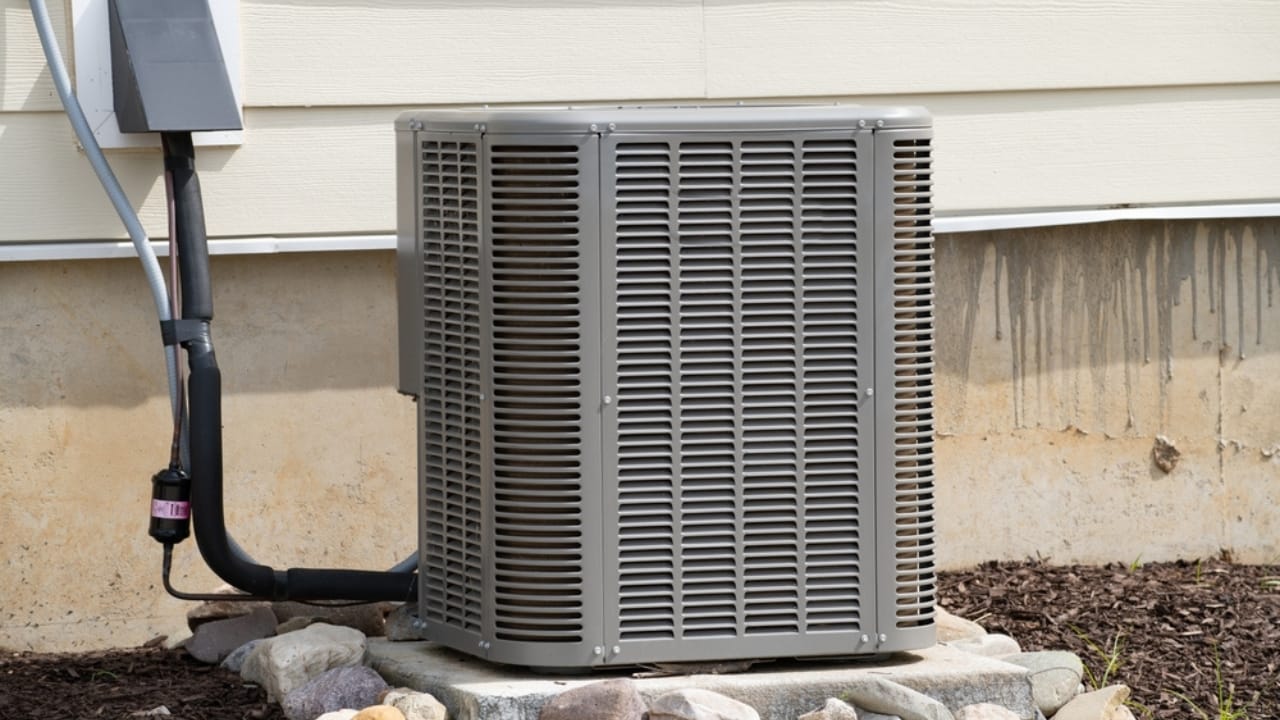
Your air conditioner is likely the biggest electricity guzzler in your home, accounting for over 25% of your annual usage. A 24,000 BTU central air conditioner can draw a whopping 3,800 watts when running.
To keep costs down, set your thermostat a few degrees higher in summer and ensure your unit is properly maintained.
2. Electric Water Heater
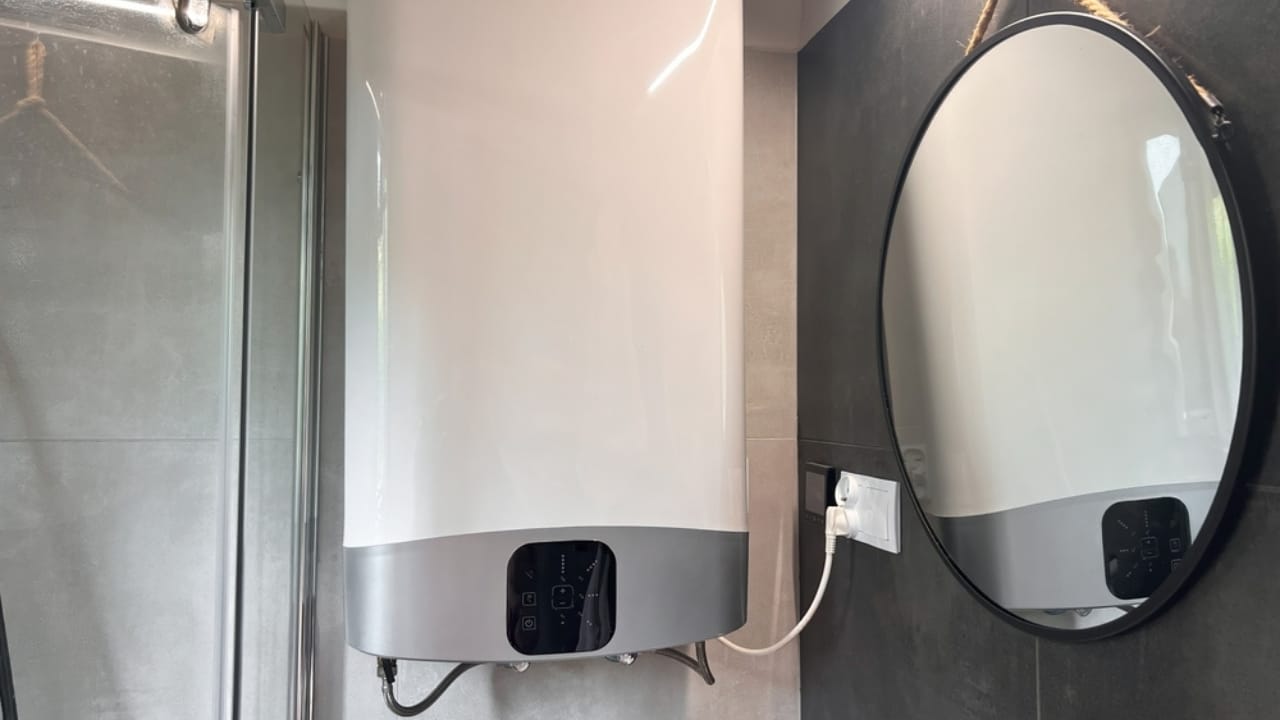
If you have an electric water heater, it’s probably the second-largest energy consumer in your household. A typical electric water heater uses around 4,500 watts.
Consider lowering the temperature setting and installing low-flow showerheads to reduce hot water usage.
3. Clothes Dryer
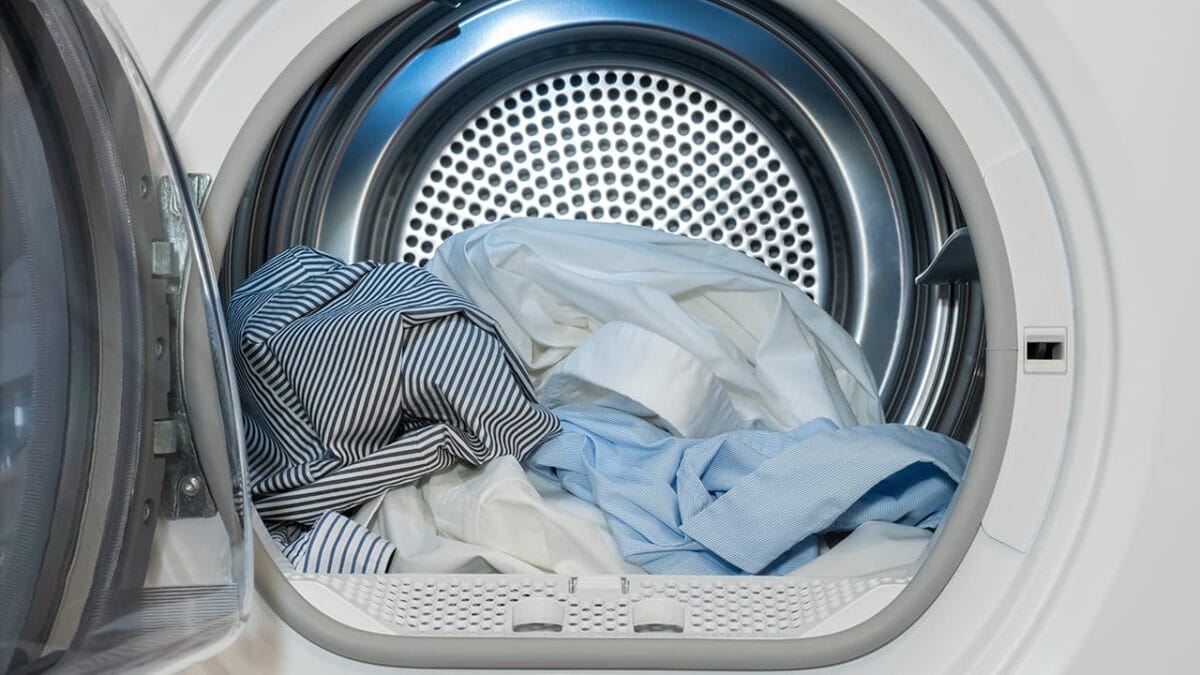
Your clothes dryer can consume around 3,000 watts of electricity per cycle. To minimize usage, clean the lint filter after each load, use the moisture sensor setting if available, and consider air-drying clothes when possible.
4. Refrigerator

Refrigerators run 24/7 and can account for up to 7% of your electricity bill. An older 20 cubic foot fridge can use around 1,411 watt-hours per day. Upgrade to an ENERGY STAR certified model, (ref) which can save you over $270 over five years.
5. Electric Oven and Stove
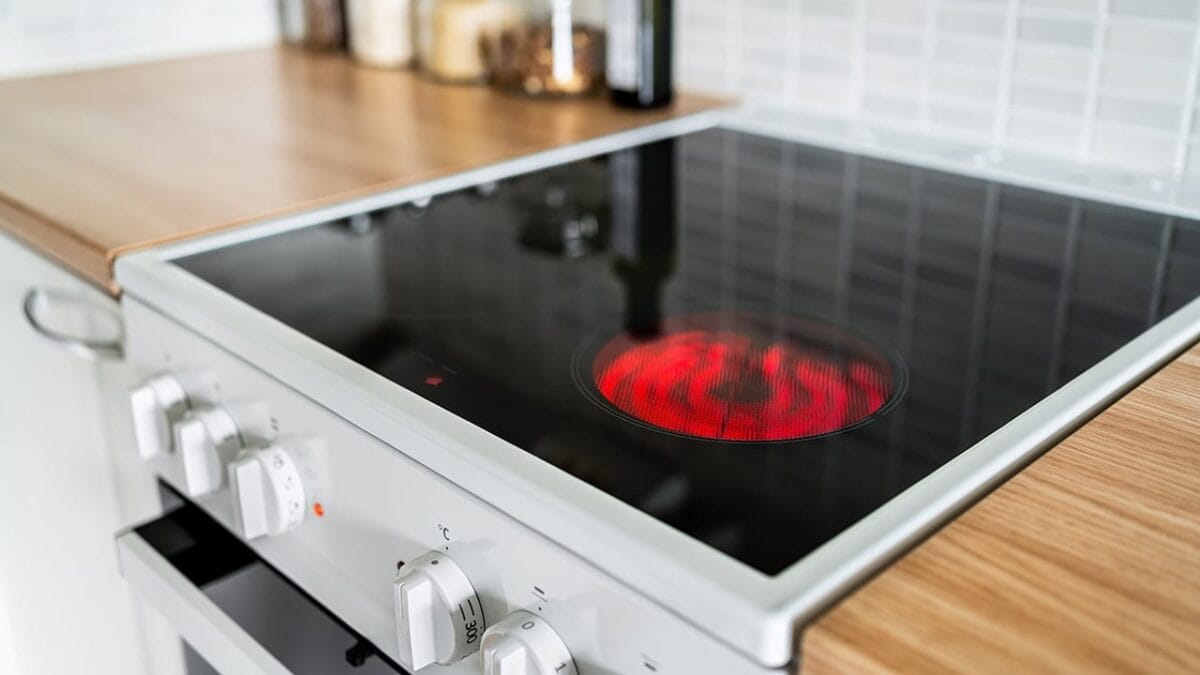
Cooking with an electric oven and stove can account for about 3% of your monthly electricity usage. An electric oven typically uses around 1,200 watts. When possible, opt for smaller appliances like a toaster oven or microwave for reheating.
6. Space Heater
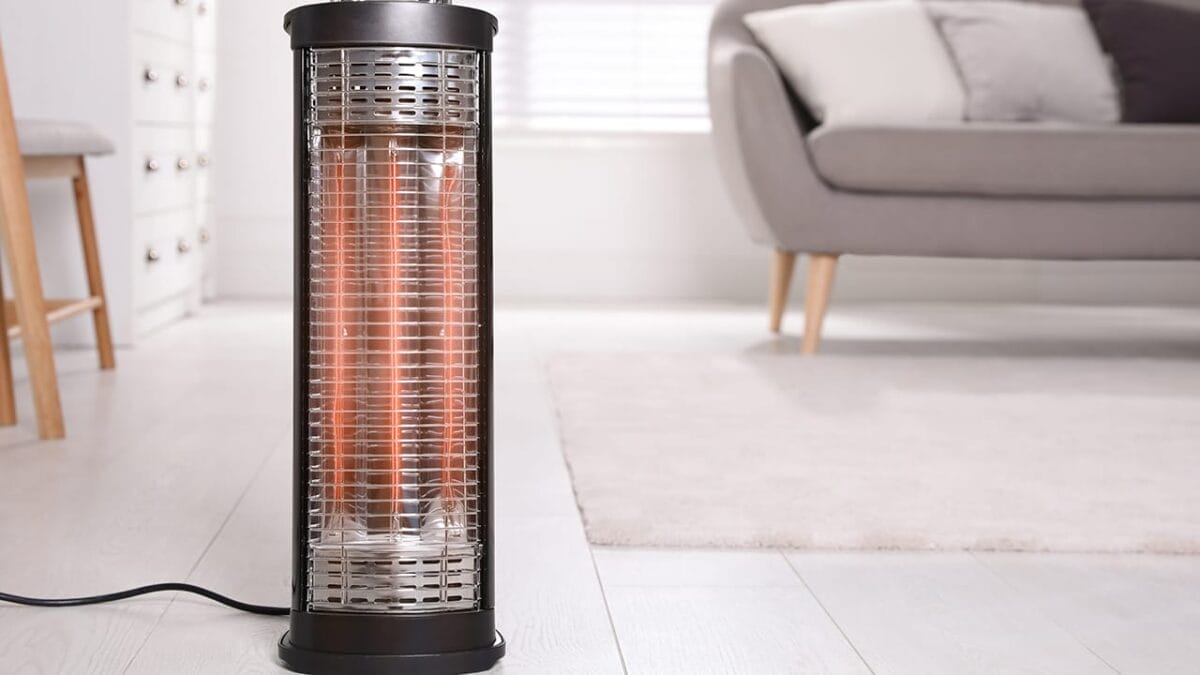
Portable space heaters are notorious energy hogs, often drawing around 1,500 watts. If you frequently use a space heater, consider improving your home’s insulation or investing in a more efficient heating system.
7. Incandescent Light Bulbs

While a single 100-watt incandescent bulb may not seem like a big energy user, the cost of lighting your home can add up. Replace incandescent bulbs with LED bulbs, which use 90% less energy (ref) and can save you over $200 per year.
8. Desktop Computer
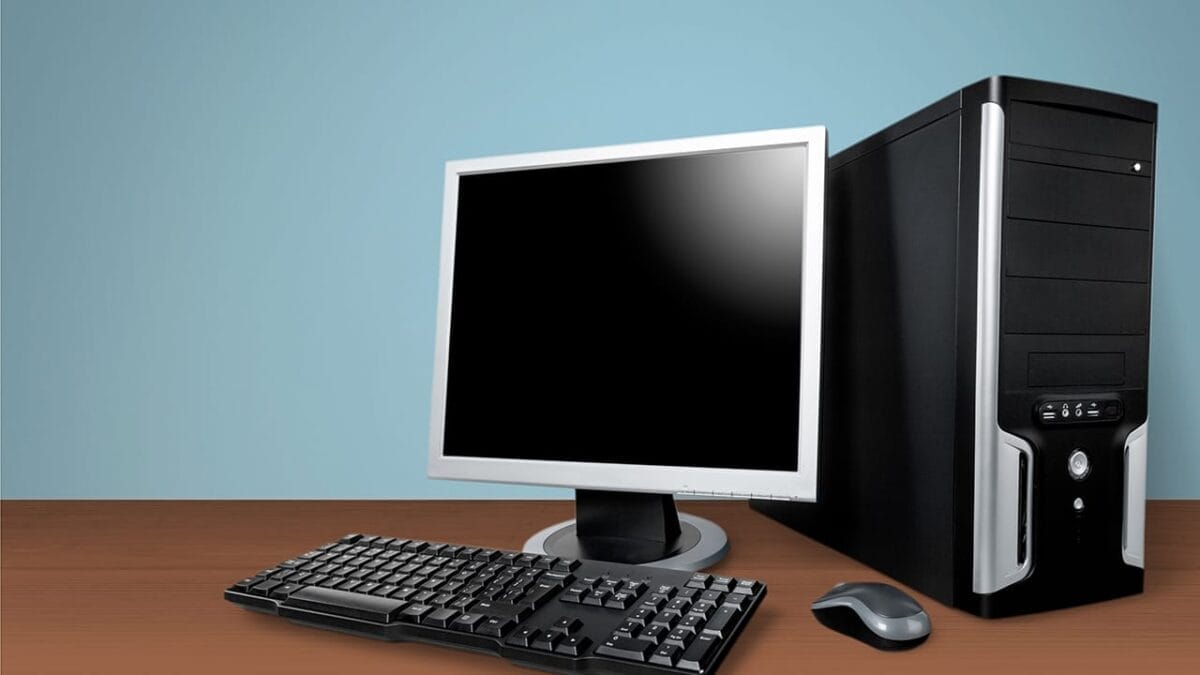
A standard desktop computer uses around 200 watts, while a gaming computer can draw up to 500 watts. Remember to put your computer into sleep mode when not in use and consider a laptop, which typically uses just 100 watts.
9. Television
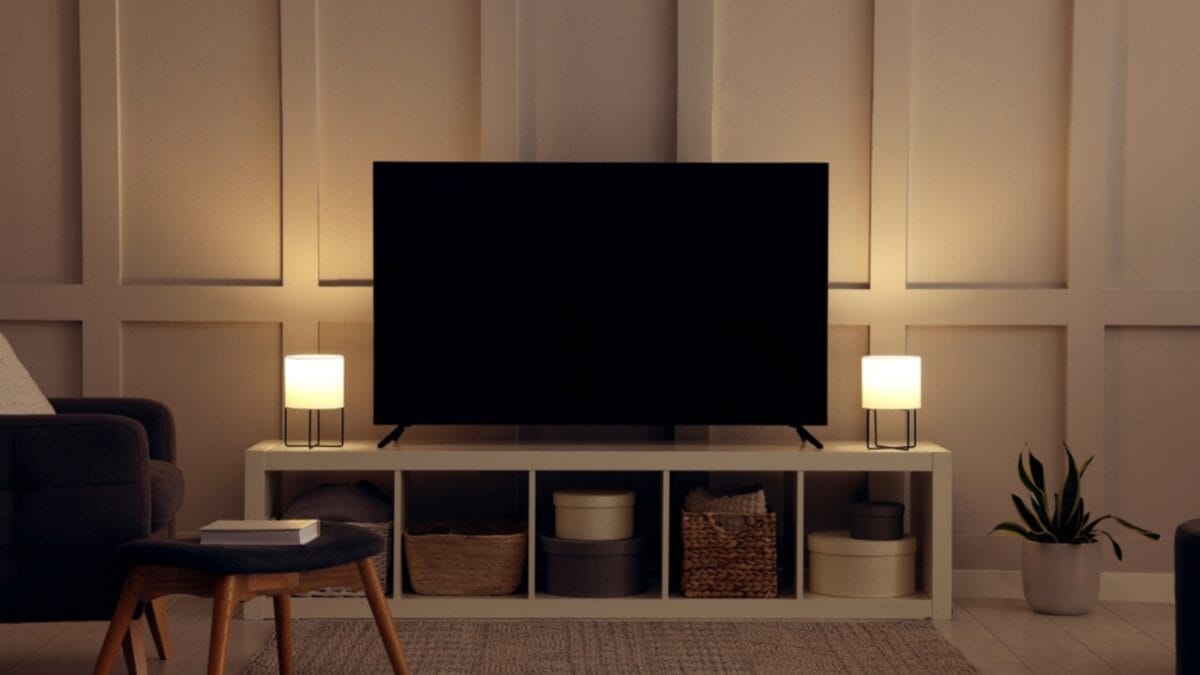
Your TV and cable box can consume a surprising amount of electricity, even when in standby mode. A 40-inch or larger HDTV can use 234 watts, costing you $41 per year. Enable your TV’s energy-saving settings and consider unplugging it when not in use.
10. Dishwasher

While dishwashers are relatively efficient compared to washing dishes by hand, they can still use between 1,200 and 1,500 watts per cycle. Run your dishwasher only when full and choose the air-dry setting to save energy.
11. Dehumidifier
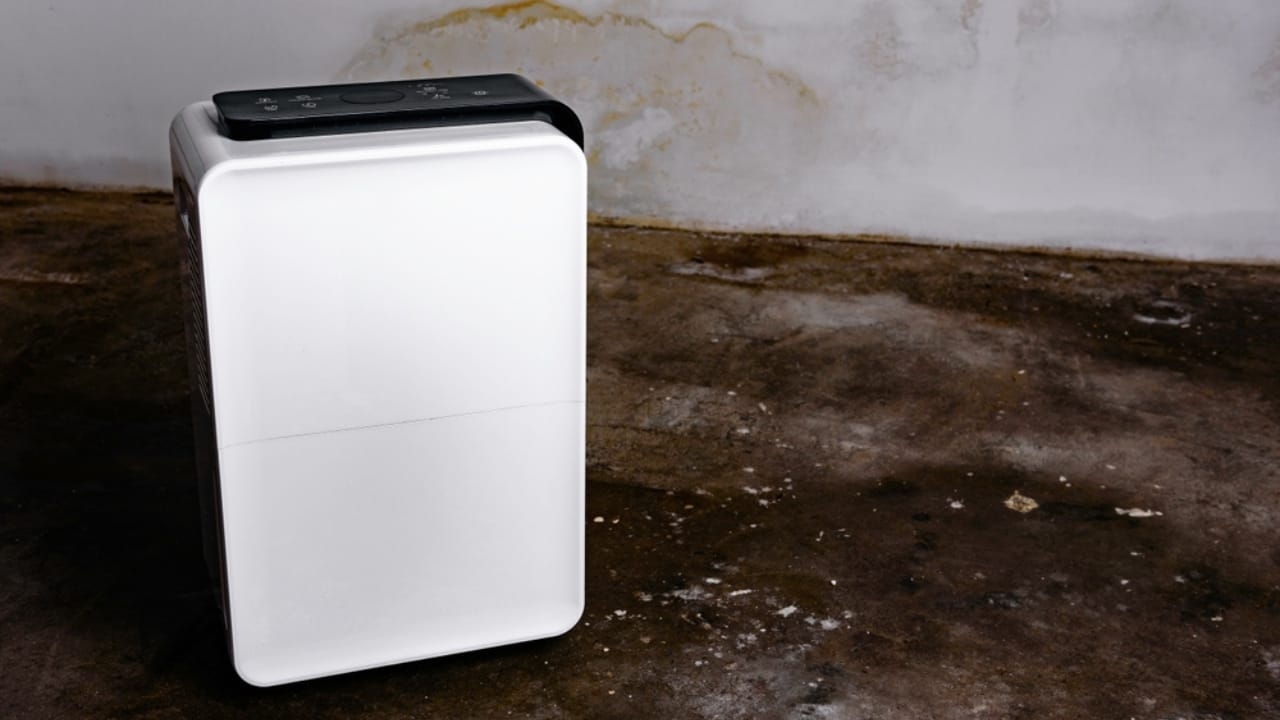
In humid climates, a dehumidifier can be essential for comfort and preventing mold growth. However, these appliances can draw around 280 watts. Look for an ENERGY STAR certified model and set the humidity level no lower than necessary.
12. Hair Dryer

Your hair dryer may use electricity for just a few minutes each day, but it can draw a significant 1,500 watts. Consider air-drying your hair when possible or investing in a lower-wattage dryer.
13. Vacuum Cleaner
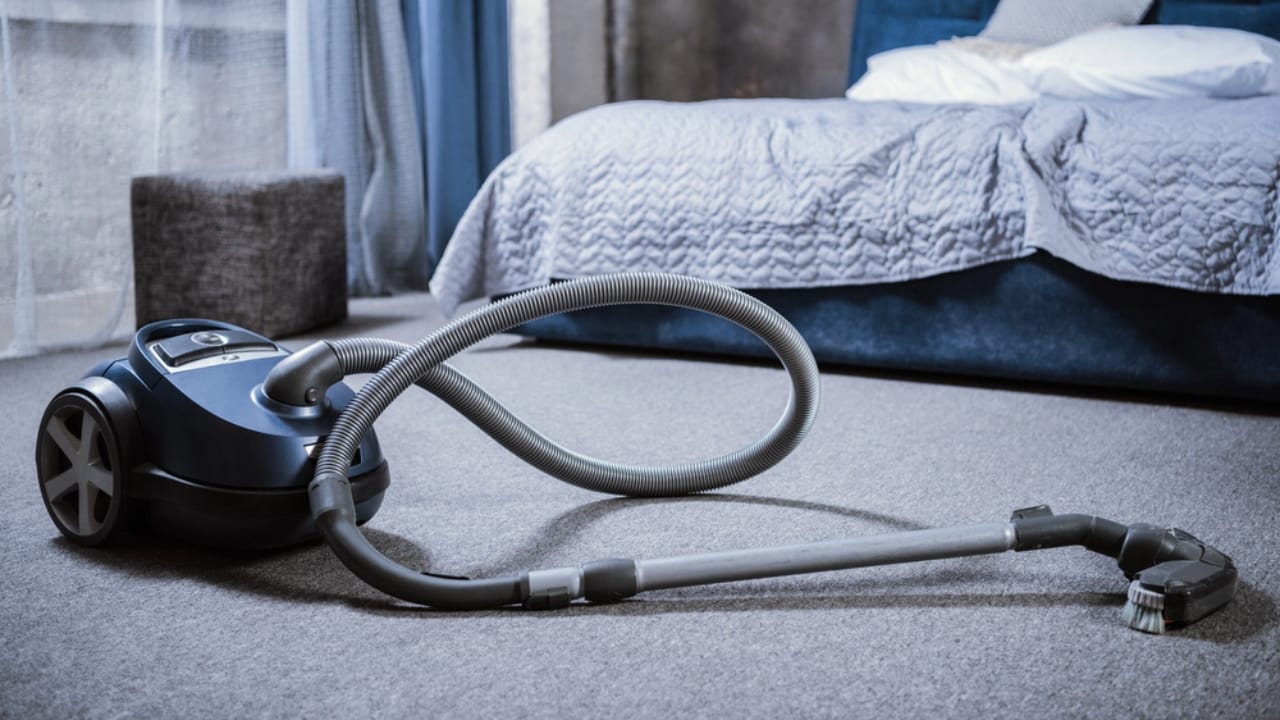
Vacuuming is an essential household chore, but your vacuum cleaner can use around 1,000 watts. Opt for a more efficient model and avoid vacuuming more often than necessary.
14. Aquarium
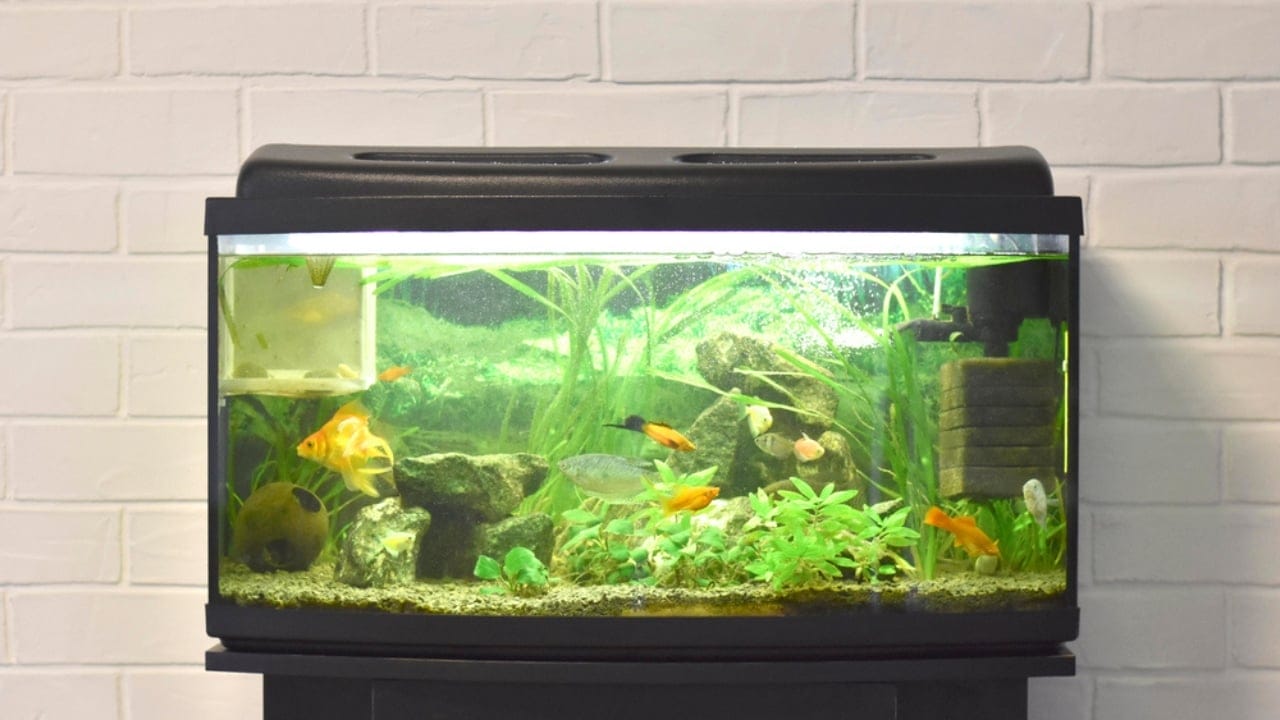
If you have a large aquarium with a heater, filter, and lighting, it can consume a surprising amount of electricity. A 100-watt aquarium heater running 24/7 can cost over $70 per year.
Consider a smaller tank or more efficient equipment to keep costs down.
Source:
1. Inspire Clean Energy

Davin is a jack-of-all-trades but has professional training and experience in various home and garden subjects. He leans on other experts when needed and edits and fact-checks all articles. Also an aspiring cook we he researches and tries all kinds of different food recipes and shares what works best.